Somewhere in the debris of a flood-wrecked corridor 2.4 km west of the Valley of the Kings, archaeologists picked out fragments of alabaster jars inscribed for a deceased king and his principal wife, Hatshepsut. With them, the tomb of Thutmose II, described by its excavators as the last missing royal tomb of the 18th Dynasty, came back into the record. It was the first of a remarkable run of new discoveries in Egypt.
Since that announcement in February 2025, the Ministry of Tourism and Antiquities has reported a cache of temple singers' coffins at Qurna, sealed tombs with gold tongues on the Mediterranean coast, a fourth-century town in the Western Desert and, in September 2026, a 4,400-year-old Saqqara tomb with its paint still bright. Headlines are one thing; what a traveller can actually stand in front of is another.
This roundup covers nine announcements we could check against ministry statements and reputable reporting, each with an exact date: what was found, why specialists care, and what you can see now, which is almost never the excavation itself but often a museum or the open site next door.
At a Glance
Period covered: announcements from February 2025 to September 2026
Biggest find: the tomb of Thutmose II in Wadi C near Luxor, announced 18 February 2025
Most colourful: the painted mastaba of Yunmen at Saqqara, announced 8 September 2026
Coming soon: Marina el-Alamein, being prepared for a public opening in 2027
Open to visitors now: none of the newly found tombs or excavation areas
Open sites nearby: Valley of the Kings, Deir el-Bahari, Qubbet el-Hawa, Saqqara, Alexandria, Dakhla
Museums: NMEC for Thutmose II's mummy; the GEM and the Tahrir museum for comparable objects
New objects on display: none we can confirm; finds go into storage for study first
Who digs: Egyptian missions of the Supreme Council of Antiquities, some with foreign partners
The Tomb of Thutmose II, Western Wadis, Luxor
On 18 February 2025 the ministry announced that a joint mission of the Supreme Council of Antiquities and the New Kingdom Research Foundation, with Piers Litherland leading the British side, had identified the owner of Tomb C4. It lies in Wadi C, one of the Western Wadis behind the Theban cliffs, about 2.4 km west of the Valley of the Kings, and its entrance was found in October 2022. Since the same valleys hold the tombs of Thutmose III's wives and the tomb Hatshepsut cut for herself as queen, the team first took C4 for another royal woman's.
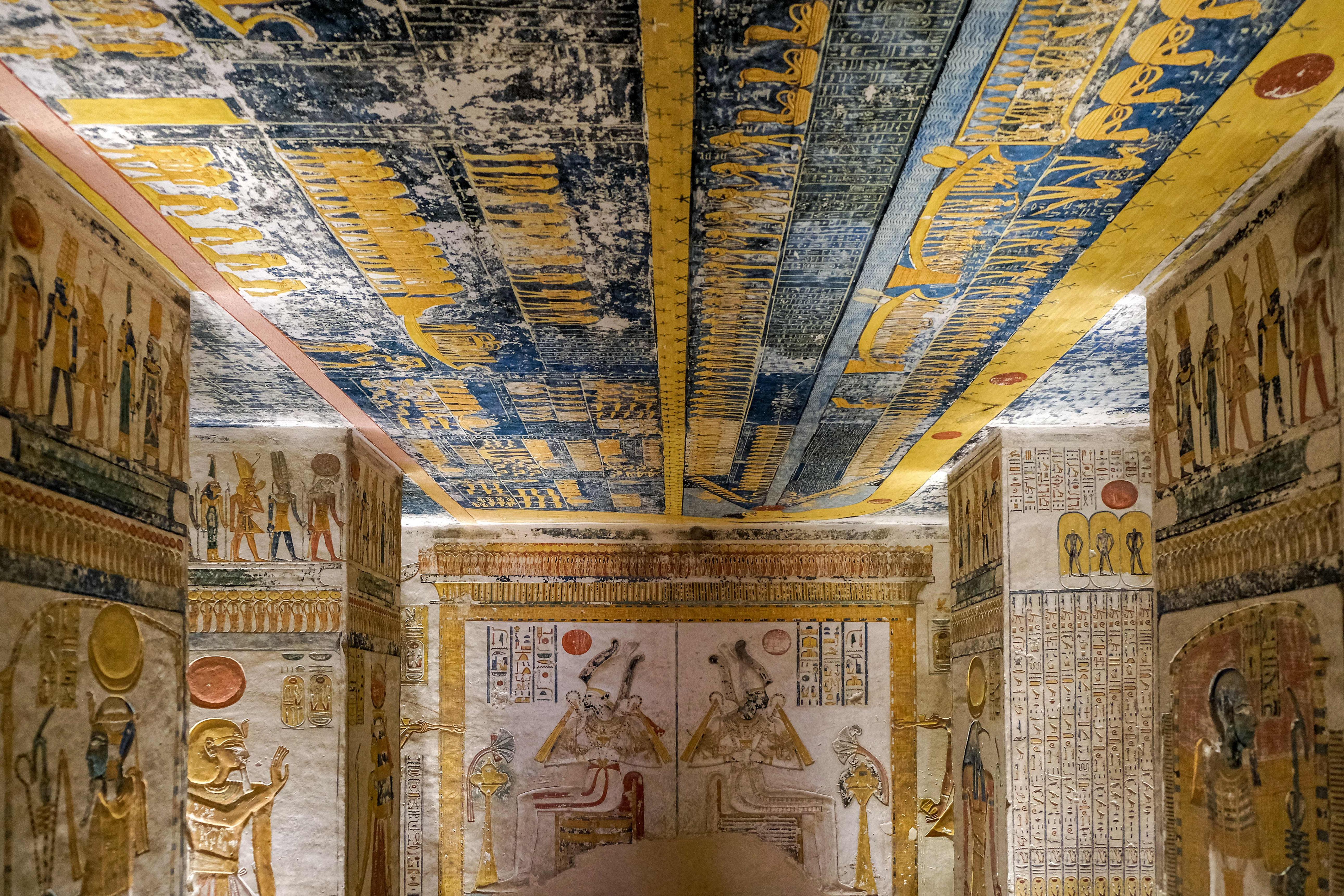
The identification came from alabaster fragments naming Thutmose II as the deceased king, alongside Hatshepsut, his half-sister and principal wife. Fallen plaster carried blue inscriptions, yellow stars from a painted ceiling and passages of the Amduat, the guide to the sun's night journey that decorates later royal tombs. That matters: no funerary equipment of Thutmose II had been identified before, and the tomb's simple plan may be the prototype for the 18th Dynasty kings who followed.
Floods hit the tomb soon after the burial, and the contents seem to have been moved out in antiquity. It is not open to visitors. On the far side of the cliffs, though, Hatshepsut's terraced temple at Deir el-Bahari tells the other half of the story, that of the widow who took the throne, as our guide to Hatshepsut's temple explains.
Good to Know: Where Thutmose II Is Now
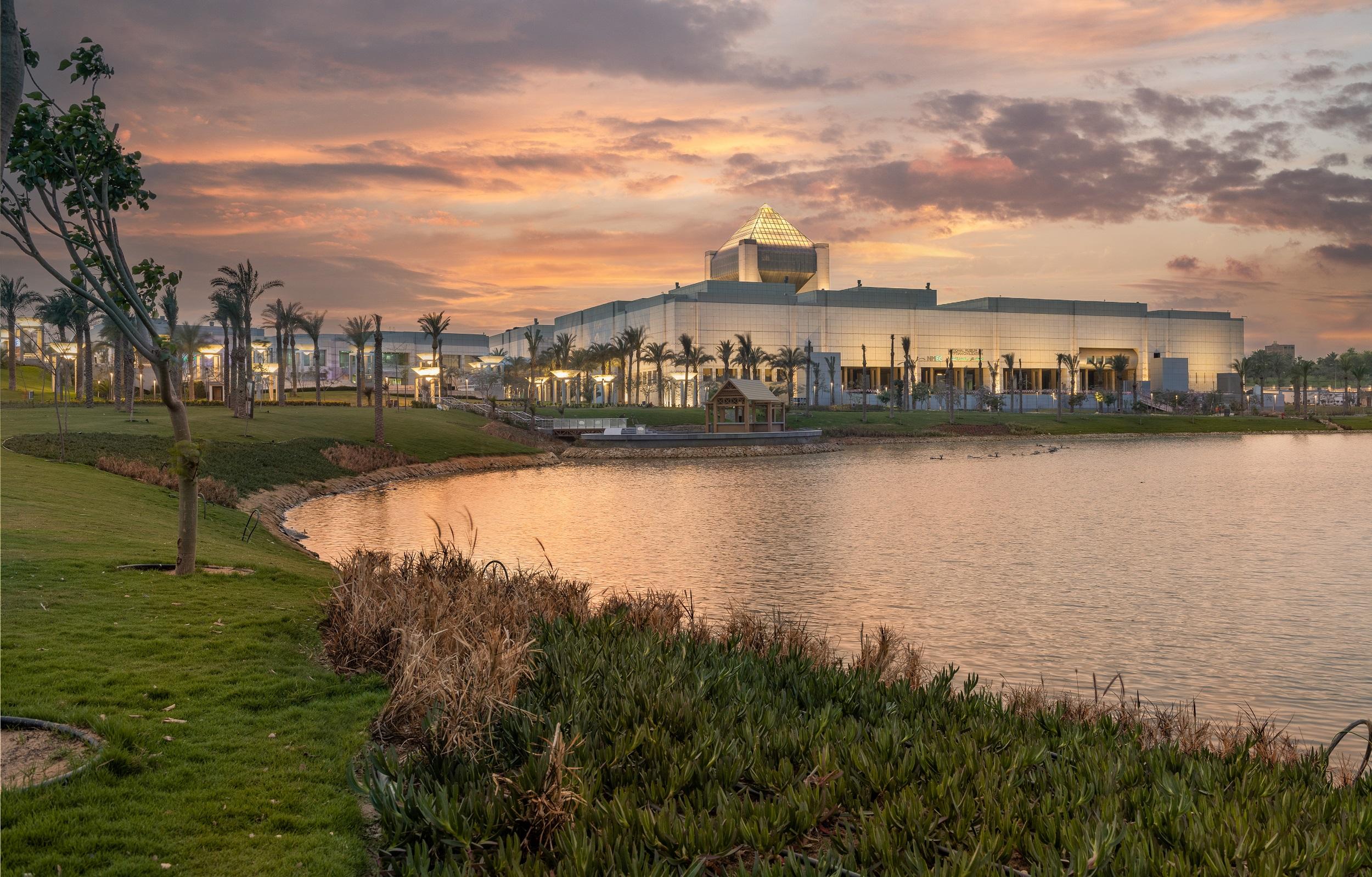
A mummy identified as Thutmose II was among those recovered from the Deir el-Bahari royal cache, TT320, in 1881, and it travelled in the Pharaohs' Golden Parade of April 2021 to the National Museum of Egyptian Civilization in Fustat, where it lies with the other royal mummies moved that night. Our guide to the NMEC Royal Mummies Hall covers the visit; entry is 550 EGP (about 10 USD) for foreign adults as of autumn 2026.
Two caveats. Litherland has called the identification shaky, since it rests on a label and several mummies in the cache were mislabelled. He also said in February 2025 that a second tomb, under some 23 m of man-made layers, might hold the king's burial; as of October 2026 we have seen no announcement that it has been found.
The Qurna Coffin Cache: 22 Singers of Amun
On 28 February 2026 the ministry announced that a joint mission of the Supreme Council of Antiquities and the Zahi Hawass Foundation for Archaeology and Heritage, directed by Zahi Hawass, had found 22 painted wooden coffins, each still holding a mummy. They lay in a rock-cut chamber in the courtyard of the tomb of Seneb at Qurna on Luxor's West Bank, stacked in ten rows with the lids stored separately to save space: a cache, not a family vault.
The coffins date to the Third Intermediate Period, the 21st to 25th Dynasties, roughly 1070 to 660 BC. Many carry titles instead of names, most often Singer or Chanter of Amun, so these were temple musicians in the service of the god whose great house was Karnak. A pottery jar held eight papyri, some still under their original clay seals, awaiting conservation and translation. The find fits a Theban pattern of priestly caches going back to Bab el-Gasus in 1891, and the team is still looking for the tombs the coffins came from.
After documentation the coffins went into storage, so there is nothing of them to see yet. The setting, though, is part of every good West Bank day: the painted chapels of Sheikh Abd el-Qurna are on the same hill, and our guide to the Tombs of the Nobles and Deir el-Medina explains which ticket groups to buy.
Qubbet el-Hawa: Old Kingdom Tombs Above Aswan
Across the river from the Aswan corniche, the hill of Qubbet el-Hawa is honeycombed with the tombs of the governors and expedition leaders who ran Egypt's southern frontier. On 23 February 2026 the ministry announced a new group of rock-cut tombs there, found by an Egyptian mission of the Supreme Council of Antiquities, with shafts and burial chambers of the Old Kingdom (about 2686 to 2181 BC), reused in the First Intermediate Period and the Middle Kingdom.
Two chambers held about 160 pottery vessels, many intact and several inscribed in hieratic, the cursive script of everyday writing; preliminary study suggests they held liquids and grain, provisions for eternity. The outer courtyard produced Middle Kingdom mirrors, alabaster kohl pots, bead necklaces and amulets, proof that this hill stayed a desirable address for centuries.
The new tombs are not open, but the old ones are. A short boat crossing and a steep stair bring you to tombs such as those of Sarenput II and of Sabni and Mekhu, with Harkhuf's autobiography carved beside his doorway, and a view over the islands of the First Cataract that explains why the officials of Aswan wanted to be buried up here. Which tombs are unlocked varies, so ask at the ticket office, and go early; the climb is fully exposed to the sun.
Al-Qalaya: A Monastic Guesthouse in the Western Delta
On 23 March 2026 the ministry announced a fifth-century building at Al-Qalaya, at Hosh Issa in Beheira governorate, excavated by an Egyptian mission working there since 2023. Its 13 rooms served as monks' cells, guest quarters and teaching space, with a reception hall of carved stone benches, an apse with a limestone cross, and kitchens and stores: a monastic guesthouse.
The walls kept paintings of monastic figures, plant motifs and a pair of gazelles, and a limestone slab names Abba Kyr, son of Shenouda. The Arabic name means the Cells, as does Kellia, the great hermit colony of this part of the western Delta, though the ministry's statement did not spell out the link. Officials called the site the second-largest monastic settlement in the history of Egyptian Christianity, a key place for understanding how solitary hermits became organised communities.
It is not open to visitors. The working monasteries of Wadi el-Natrun, on the Cairo to Alexandria desert road, are, and our guide to Egypt's Coptic desert monasteries explains how to visit them respectfully.
Heracleopolis and Heliopolis: The Finds of 31 May
On Sunday 31 May 2026 the ministry announced finds from two ancient cities, and the Associated Press carried the story worldwide the next day. At Ehnasiya in Beni Suef, about 130 km south of Cairo, the Heracleopolis Magna of the Romans and a royal capital long before them, archaeologists exposed a Roman basilica on stone blocks of up to 45 tonnes, a marble head of Aphrodite, inscriptions of the 12th Dynasty king Senusret III, and terracotta moulds probably used for striking coins.
At Matariya in north-east Cairo, over ancient Heliopolis, came a mudbrick burial with gilded remains thought to be a military officer's, a near-complete set of funerary furniture and five pairs of earrings believed to be gold. Neither excavation is open to visitors, though in Matariya the granite obelisk of Senusret I still stands at Al-Masalla, marking where the sun temple of Heliopolis once rose.
Marina el-Alamein: Sealed Tombs and Gold Tongues
The most photogenic announcement of the summer came on 4 July 2026 from Marina el-Alamein, the Graeco-Roman port about 100 km west of Alexandria that bulldozers uncovered in 1986 while building the Marina resort. An Egyptian mission found 18 new tombs, 11 rock-cut hypogea averaging about 8 m deep and seven built limestone tombs, several with entrances sealed since antiquity. That brings the number of tombs identified at the site since 1986 to 44.
One burial held a 2.5 m granite sarcophagus with its original lid still in place. The ministry counted 24 gold pieces placed in the mouths of some of the dead, the so-called gold tongues meant to give them speech in the next life, one shaped as the Eye of Horus, plus a limestone altar carved as a false door and an unfinished marble statue thought to show Aphrodite. The town, widely identified with Strabo's Leukaspis, flourished in the first three centuries AD, and its tombs, Egyptian in belief and Greek in dress, are why it matters.
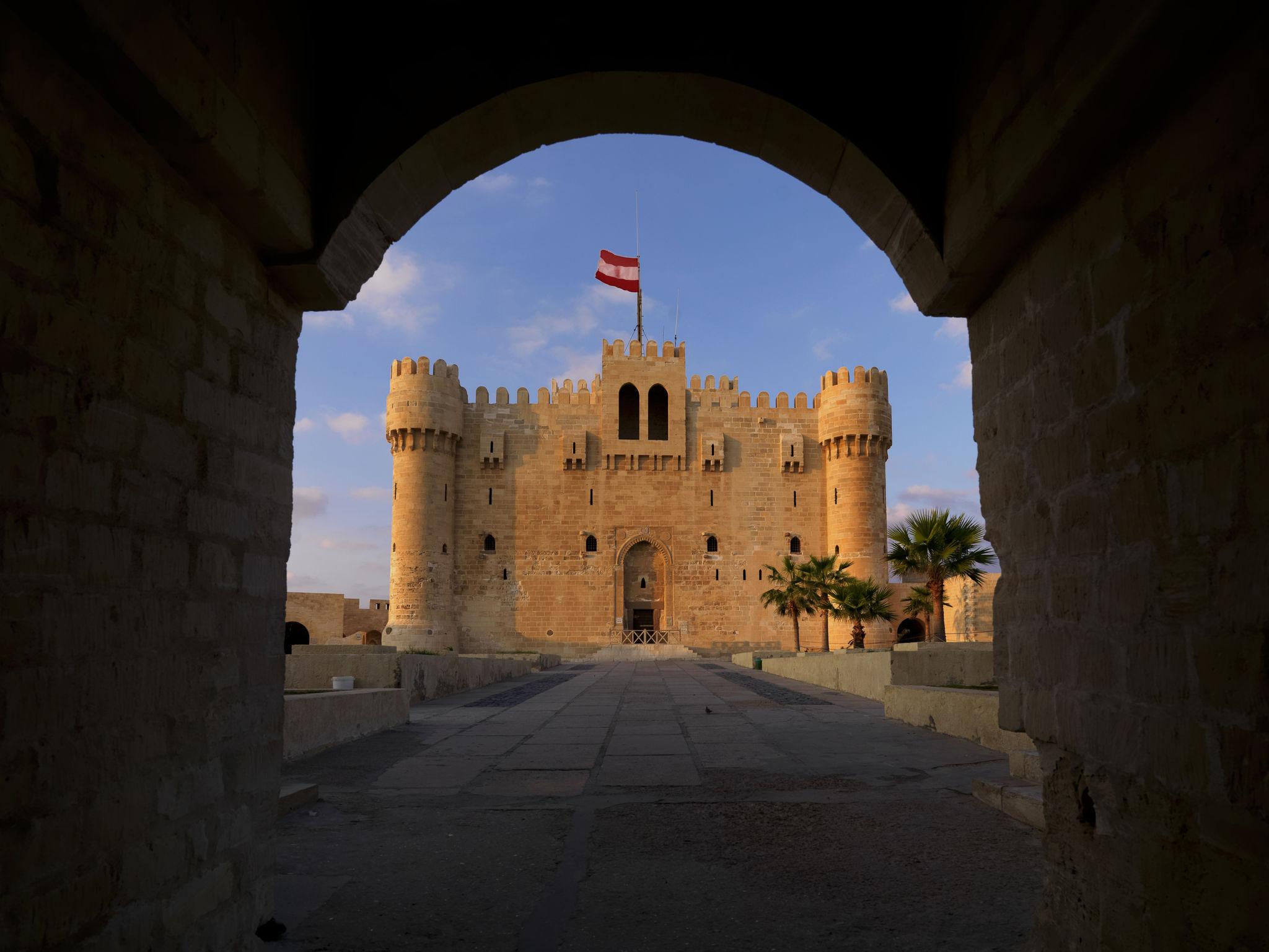
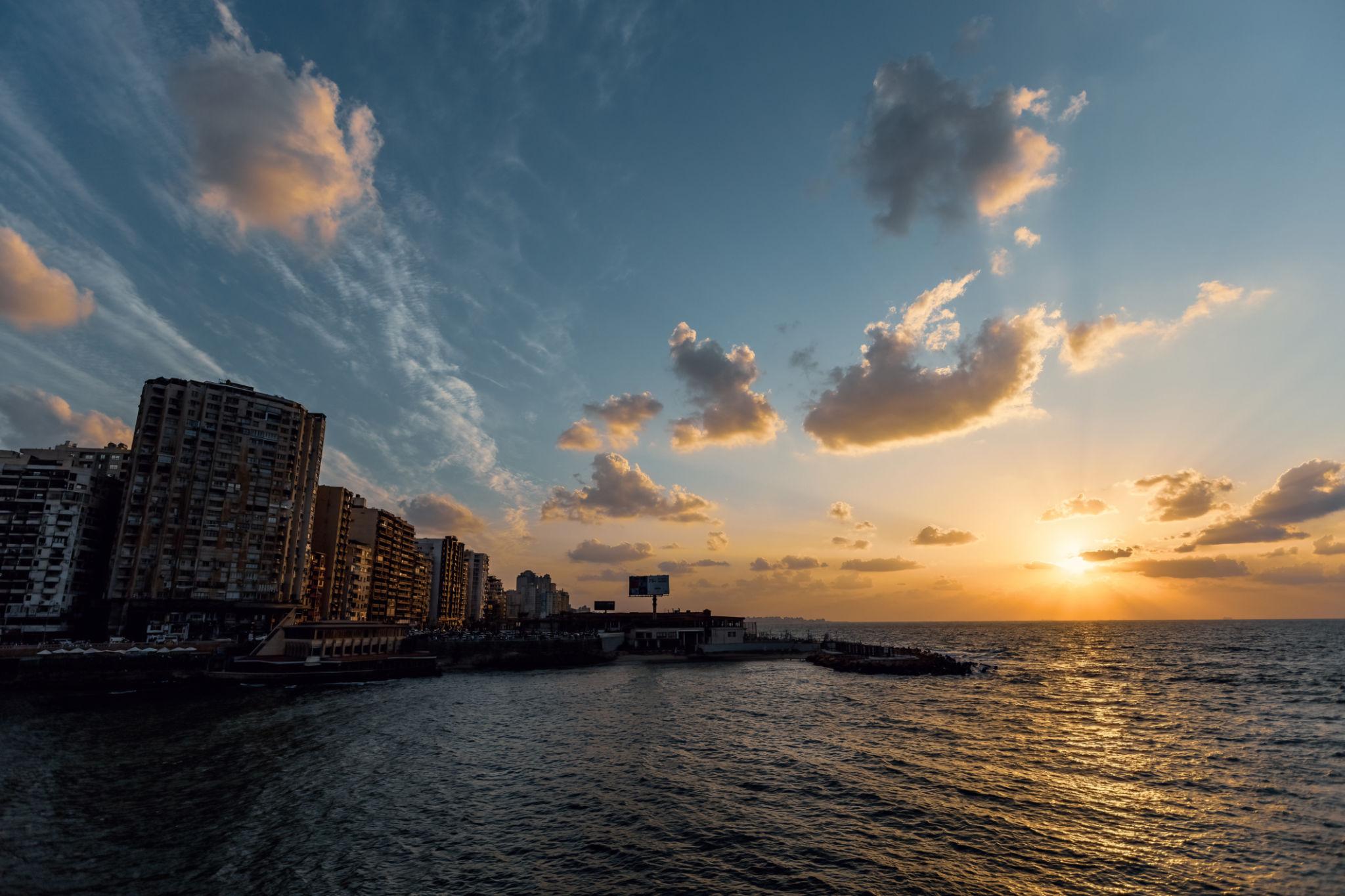
Al-Ahram Weekly reported on 25 August 2026 that the site is being prepared for a public opening in 2027, with a visitor centre, footpaths and electric-vehicle routes, new signage and an Arabic and English guidebook. Until then it remains a working excavation and is closed. The war cemeteries and military museum are close by, as our El Alamein guide explains, and in Alexandria the Catacombs of Kom el-Shoqafa show the same blend of Egyptian gods and Greek architecture underground, open today.
Ain el-Sabil: A Fourth-Century Town in Dakhla Oasis
Ain el-Sabil, announced on 3 July 2026, is described by the ministry as a complete Byzantine-period town in Dakhla Oasis, built entirely of mudbrick and excavated by an Egyptian mission. A grid of streets opens onto squares, a fourth-century basilica faces the main street, and two watchtowers and a thick-walled fort guard the edges; the houses have vaulted rooms, bread ovens and kitchens.
What lifts it above another ruined village is the writing and the names. The house of Tisous belonged to a church deacon in the second half of the fourth century; the earlier house of Tapibos may have served as a house church before the basilica was built, a rare glimpse of Christian worship moving from private rooms into a public building. Nearly 200 ostraca in Coptic and Greek record trade and letters, and gold coins of Constantius II (AD 337 to 361) anchor the dating. Many Egyptologists would call this late Roman rather than Byzantine, but the point stands: daily life here can be read in its own words.
The site is not open. Dakhla itself rewards a two-night stop, with the medieval mudbrick town of al-Qasr and the Roman temple of Deir el-Hagar, and our Dakhla Oasis guide covers how to get there and where to stay.
Kom el-Khelgan: Millennia in One Delta Mound
Ahram Online reported on 8 August 2026 that an Egyptian mission at Kom el-Khelgan, in Dakahlia governorate in the eastern Delta, had uncovered a cemetery and settlement used across an extraordinary span. The oldest graves are simple ovals cut into the sand, belonging to the Buto culture of Lower Egypt in the first half of the fourth millennium BC, with handmade pots and seashells as their only offerings.
Above them come a Second Intermediate Period settlement with grain silos and ovens; Hyksos-era graves with scarabs, bronze weapons and Tell el-Yahudiya juglets; an early 18th Dynasty tomb; and Ptolemaic pit burials, including a child laid in two reused amphorae. The excavators link the Hyksos-era growth to nearby Avaris, the Hyksos capital. One mound records the Delta before the pharaohs, under foreign kings and under the Greeks.
The site has no visitor facilities. The nearest way into this world is in Cairo, where the royal treasure of Tanis, the Delta capital whose tombs Pierre Montet opened in 1939 and 1940, fills an upstairs gallery of the old museum, described in our guide to the Egyptian Museum in Tahrir.
Saqqara: The Painted Mastaba of Yunmen
The latest major announcement, on 8 September 2026, came from north Saqqara, where a Spanish-Egyptian mission of the Autonomous University of Barcelona and the Supreme Council of Antiquities, directed by Josep Cervelló Autuori, excavated a mastaba in the Mariette necropolis, explored in the 19th century but never studied closely since. It belonged to Yunmen, a judge and chief scribe who handled petitions and complaints under King Djedkare Isesi late in the Fifth Dynasty, about 4,400 years ago, and to his father Iti, a lower-ranking official concerned with farmland and offerings.
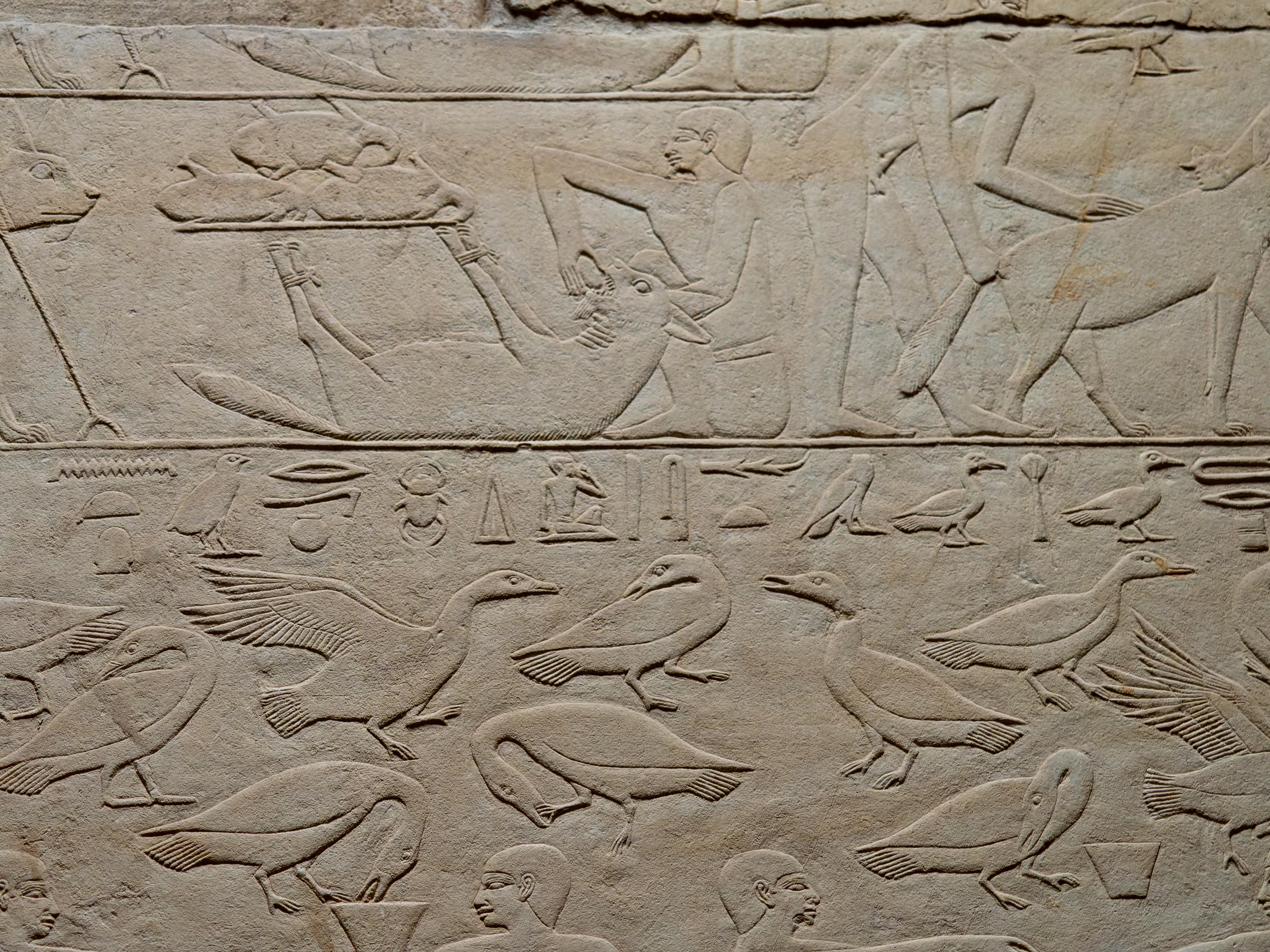
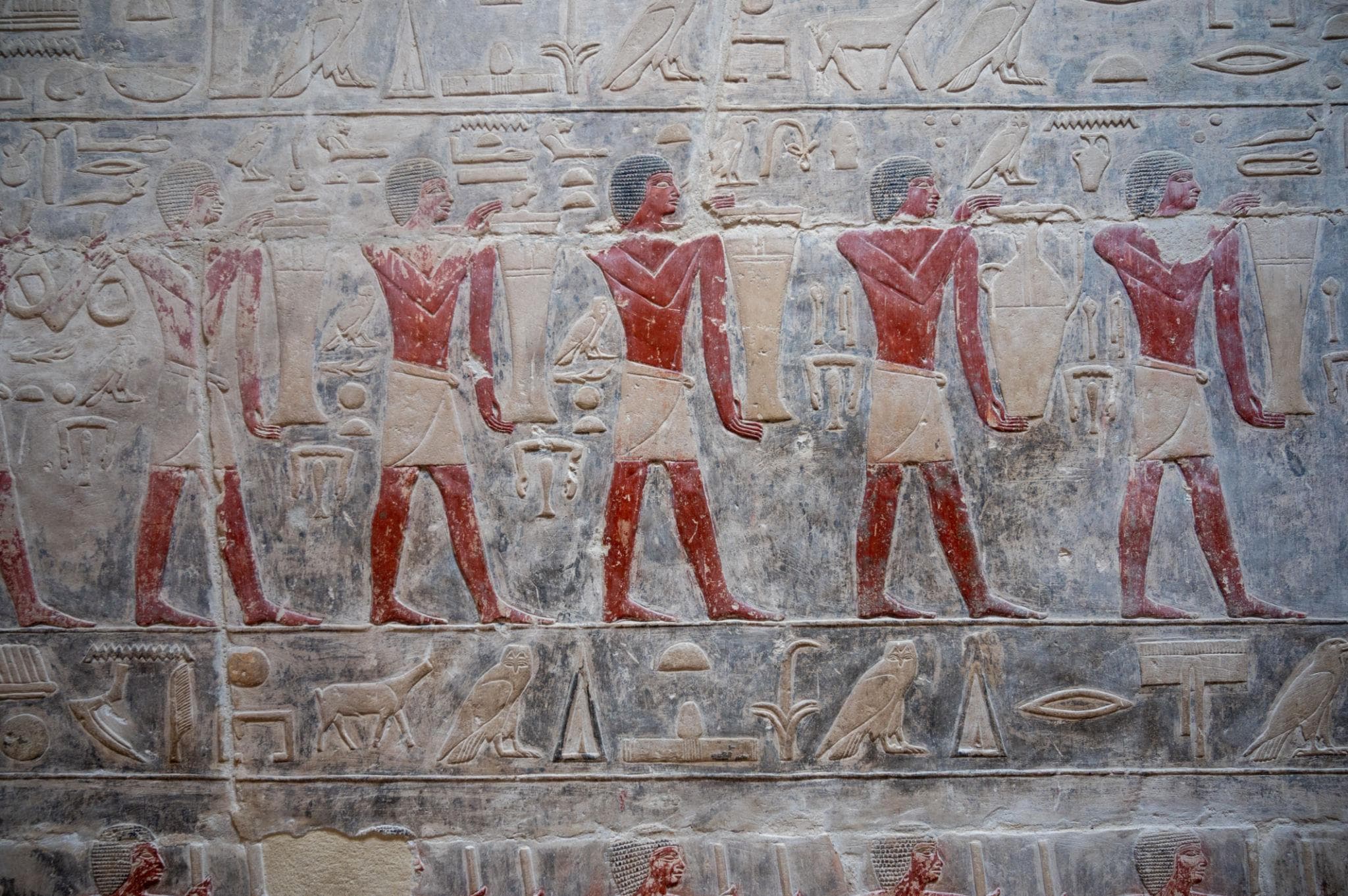
Each man had his own chapel. Iti's has lost much of its decoration; Yunmen's keeps painted reliefs of farming, offering bearers and donkeys in their original colours, a fine architrave and texts built around his offices. The team also spotted another unknown mastaba and traces of two more, so north Saqqara has more to give.
The tomb is not open. Saqqara itself is, and the late Old Kingdom chapels already on the visitor route, Mereruka's among them, show exactly this kind of daily-life relief. Combine them with the Step Pyramid of Djoser and the Serapeum, which Mariette found in the same northern sector in 1850.
Warning: Beware the Headline Version
Stories about new discoveries in Egypt travel fast and lose detail on the way. Keep a few patterns in mind, especially if someone at a site tells you a new tomb has just opened.
- Announced is not open. As far as we can establish, none of the finds above can be visited today, and the objects go into storage for study before any museum display is decided.
- Superlatives get revised. Thutmose II's tomb was hailed as the first royal tomb found since Tutankhamun's in 1922, a claim later qualified, since Montet's royal tombs at Tanis came later.
- Figures drift between outlets. Kom el-Khelgan was a 6,000-year-old cemetery in one headline and spanned 4,000 years in another; the evidence runs from the fourth millennium BC to the Ptolemaic period, so both are approximations.
- Opening dates slip. Treat Marina el-Alamein's 2027 opening as a target, not a promise.
Insider Tip: Seeing New Discoveries in Egypt on a Real Itinerary
New discoveries in Egypt work best as context rather than destinations, so pair each with the open site it explains. Our Egyptologist guides follow the ministry's announcements and can tell you on the day which new areas, if any, have opened.
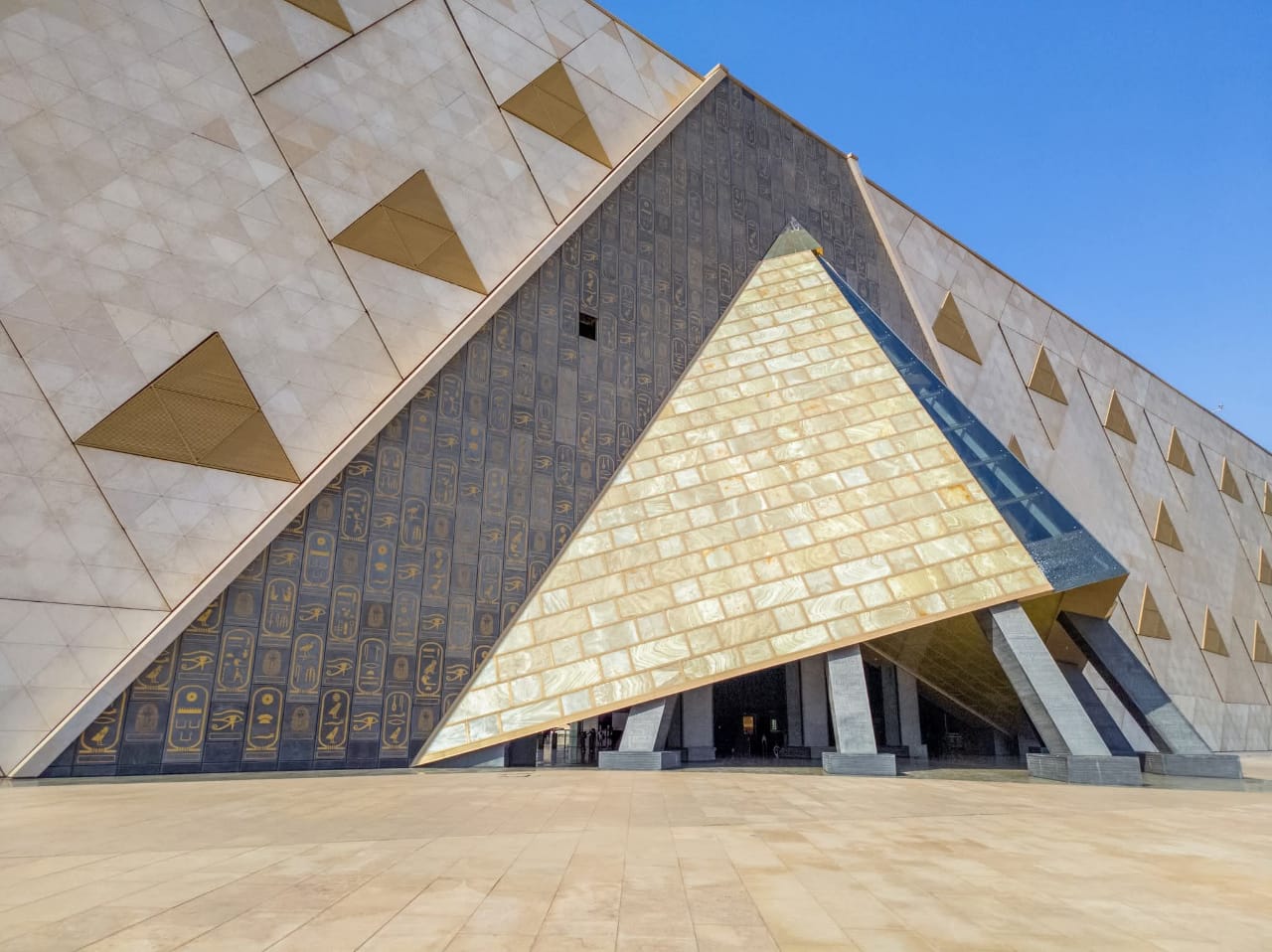
For objects, look to the big museums. The Grand Egyptian Museum, officially opened in November 2025, has the Tutankhamun galleries and Khufu's boat; the NMEC has the royal mummies; and the Tahrir museum's corridors of painted coffins give a fair idea of what the Qurna cache looks like. The GEM's foreign adult ticket rises to 1,830 EGP (about 33 USD) on 1 November 2026, so book online in advance.
Planning a Trip Around the New Finds
Most of the new discoveries in Egypt covered here cluster around places already on a classic route. Luxor gives you Thutmose II's story and the Qurna cache in one West Bank day, which is the shape of our complete West Bank tour. Cairo gives you Saqqara, the GEM and the mummies, and our Pyramids and GEM combination tour handles the Giza half of that. The North Coast is a longer game: Alexandria's Graeco-Roman sites now, Marina el-Alamein when it opens, best started with our four-day Cairo and Alexandria tour.
Qubbet el-Hawa slots into any Aswan stay or Nile cruise, and Dakhla into a desert circuit. If you would like a trip built around the archaeology rather than merely past it, talk to our team and we will shape the days around what is genuinely open.