Alexandria
Egypt's Mediterranean gem — ancient library, Roman ruins, and fresh seafood by the sea.
Overview
Founded by Alexander the Great in 331 BC, Alexandria was once the intellectual capital of the ancient world. Today it offers a unique blend of Greco-Roman history, Belle Epoque architecture, and Mediterranean charm. Visit the Bibliotheca Alexandrina, explore the Catacombs, and enjoy the freshest seafood on the corniche.
Gallery
Historical Background
Alexandria was founded in 331 BC by Alexander the Great, who chose this site for its natural harbor on the Mediterranean. Under the Ptolemaic dynasty, it became the greatest city of the Hellenistic world — home to the legendary Library of Alexandria (the ancient world's largest repository of knowledge) and the Pharos Lighthouse (one of the Seven Wonders of the Ancient World). Cleopatra VII, the last active ruler of the Ptolemaic Kingdom, held court here. The city was a melting pot of Greek, Egyptian, Jewish, and later Roman cultures. After the Arab conquest in 641 AD, Cairo replaced it as capital, but Alexandria remained an important Mediterranean port. In the 19th and early 20th centuries, it experienced a cosmopolitan renaissance with large Greek, Italian, French, and Jewish communities that left behind the Belle Epoque architecture visible today.
What to See & Do
Bibliotheca Alexandrina
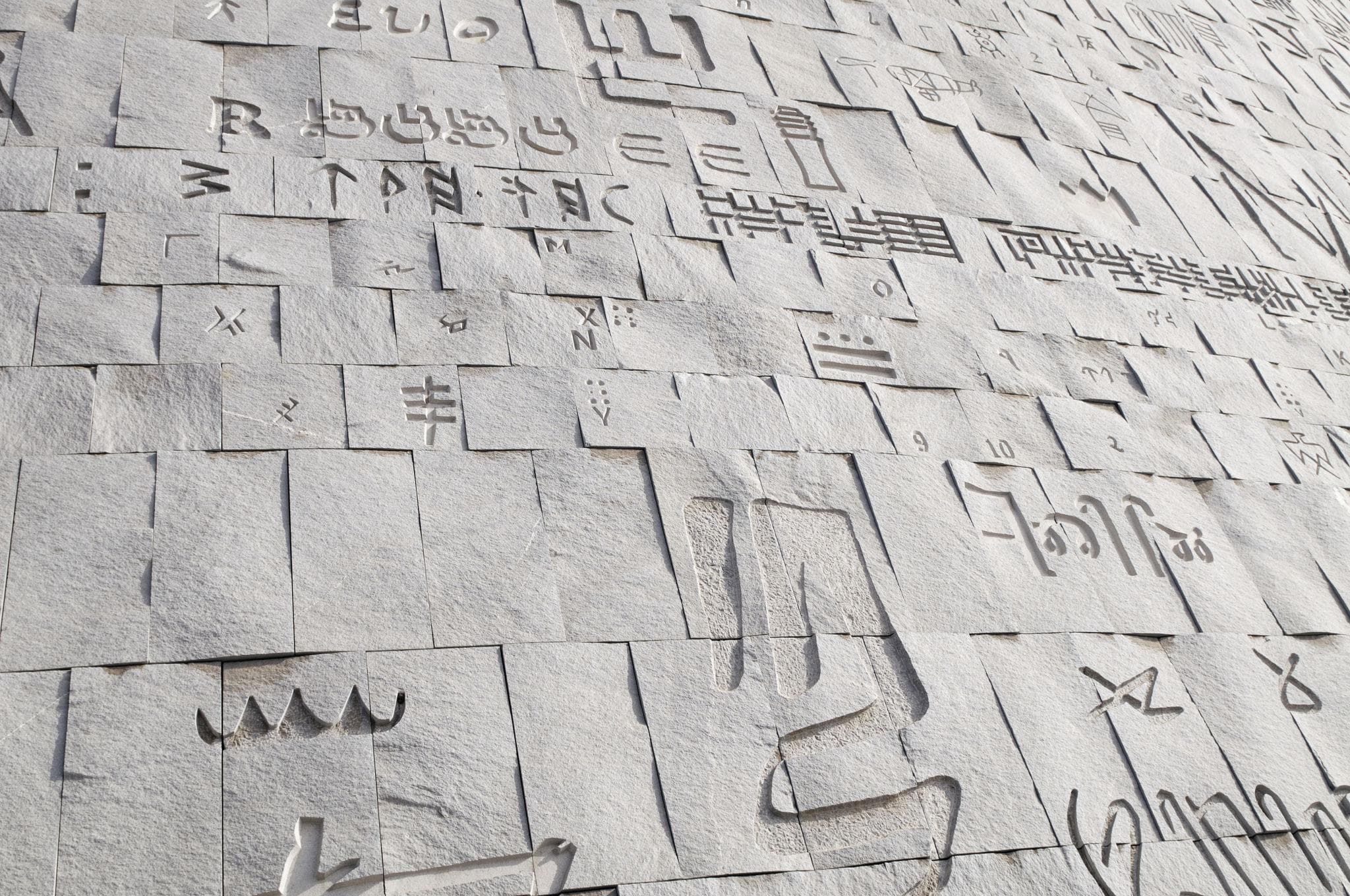
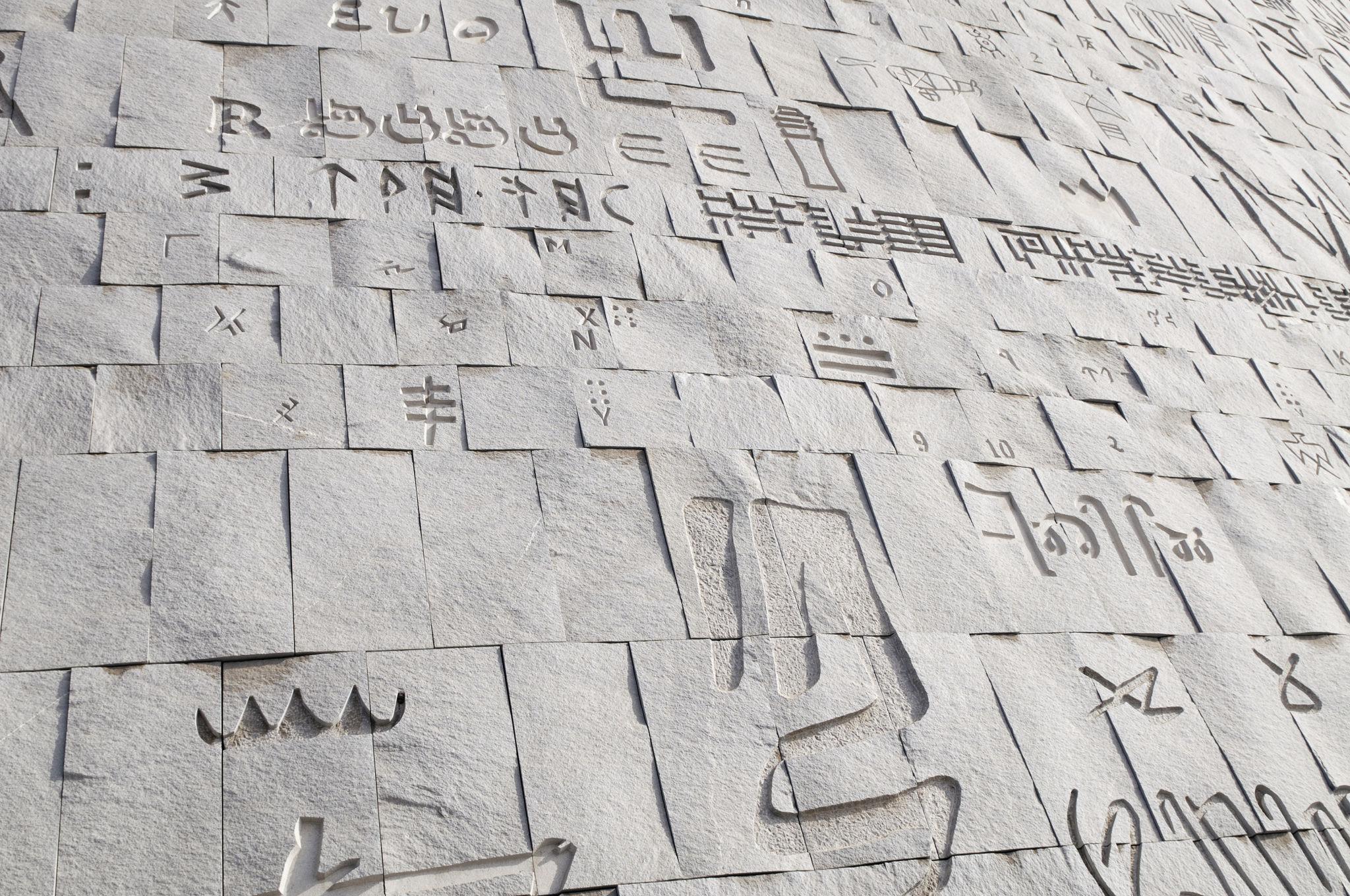
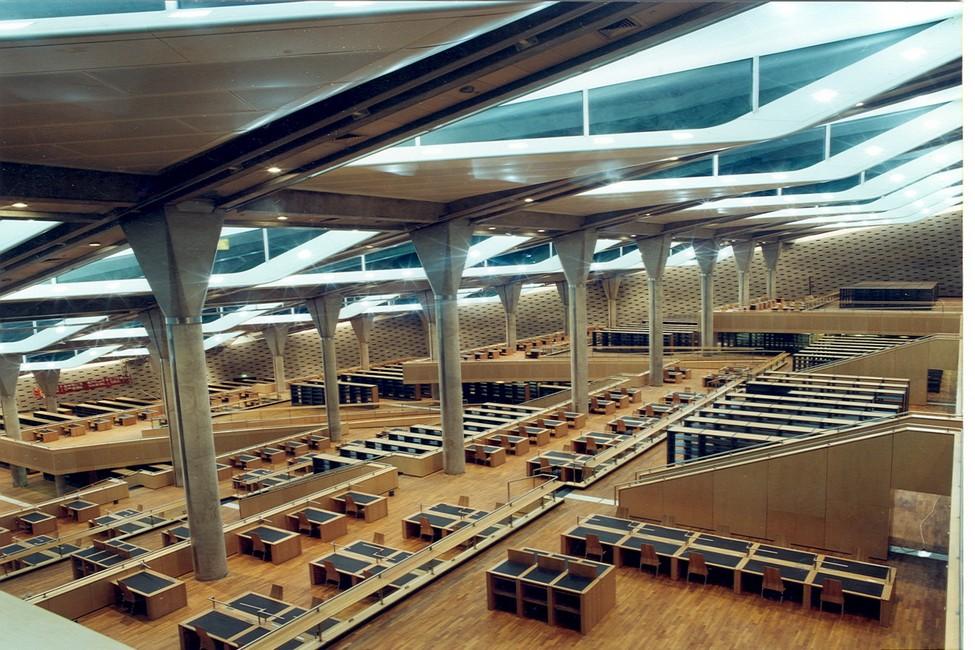
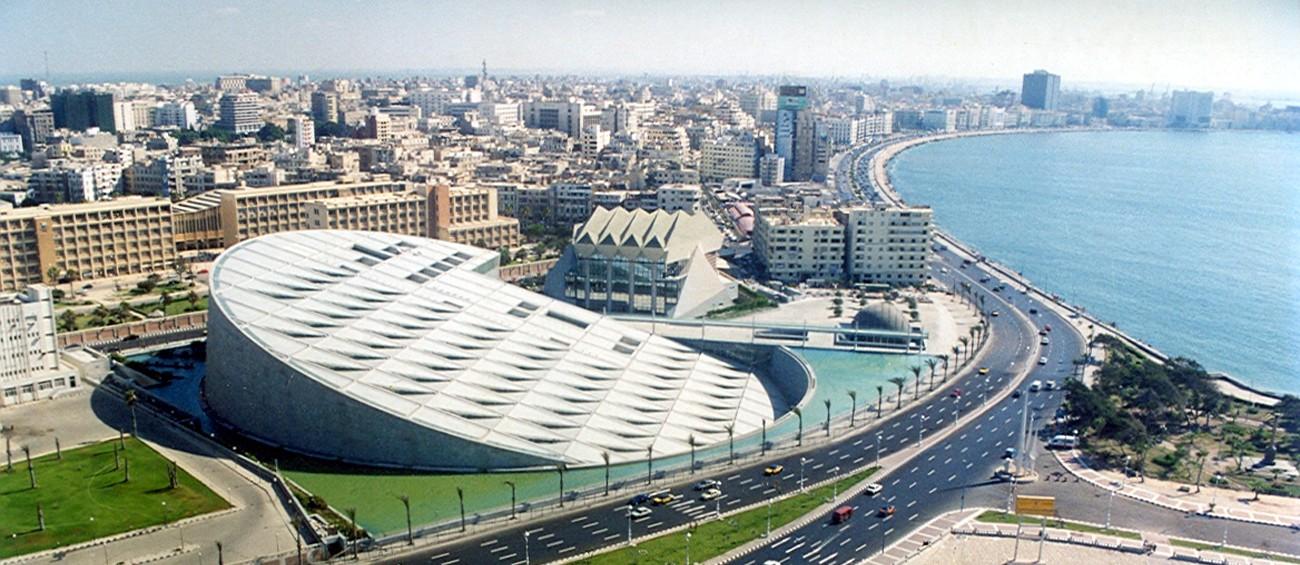
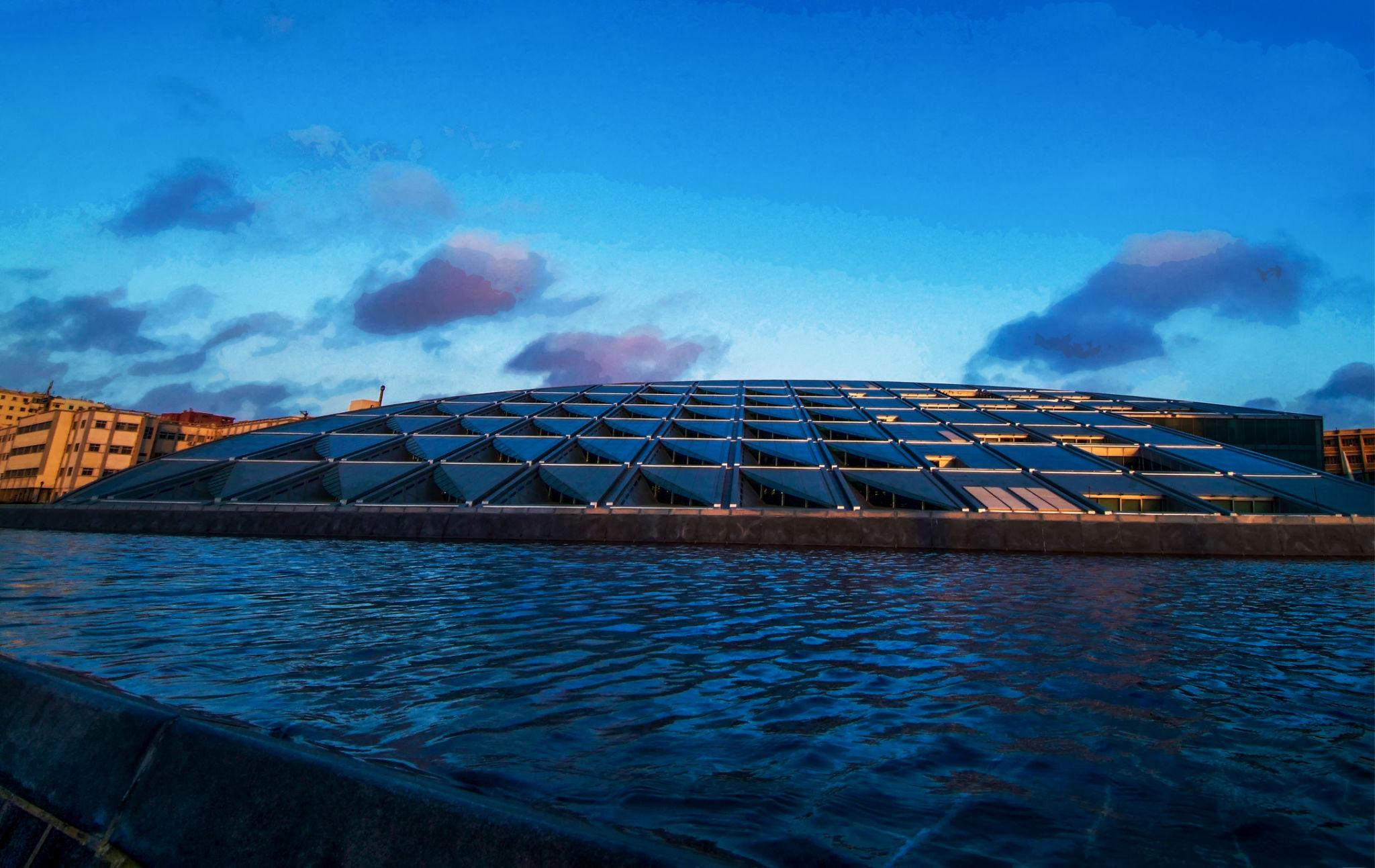
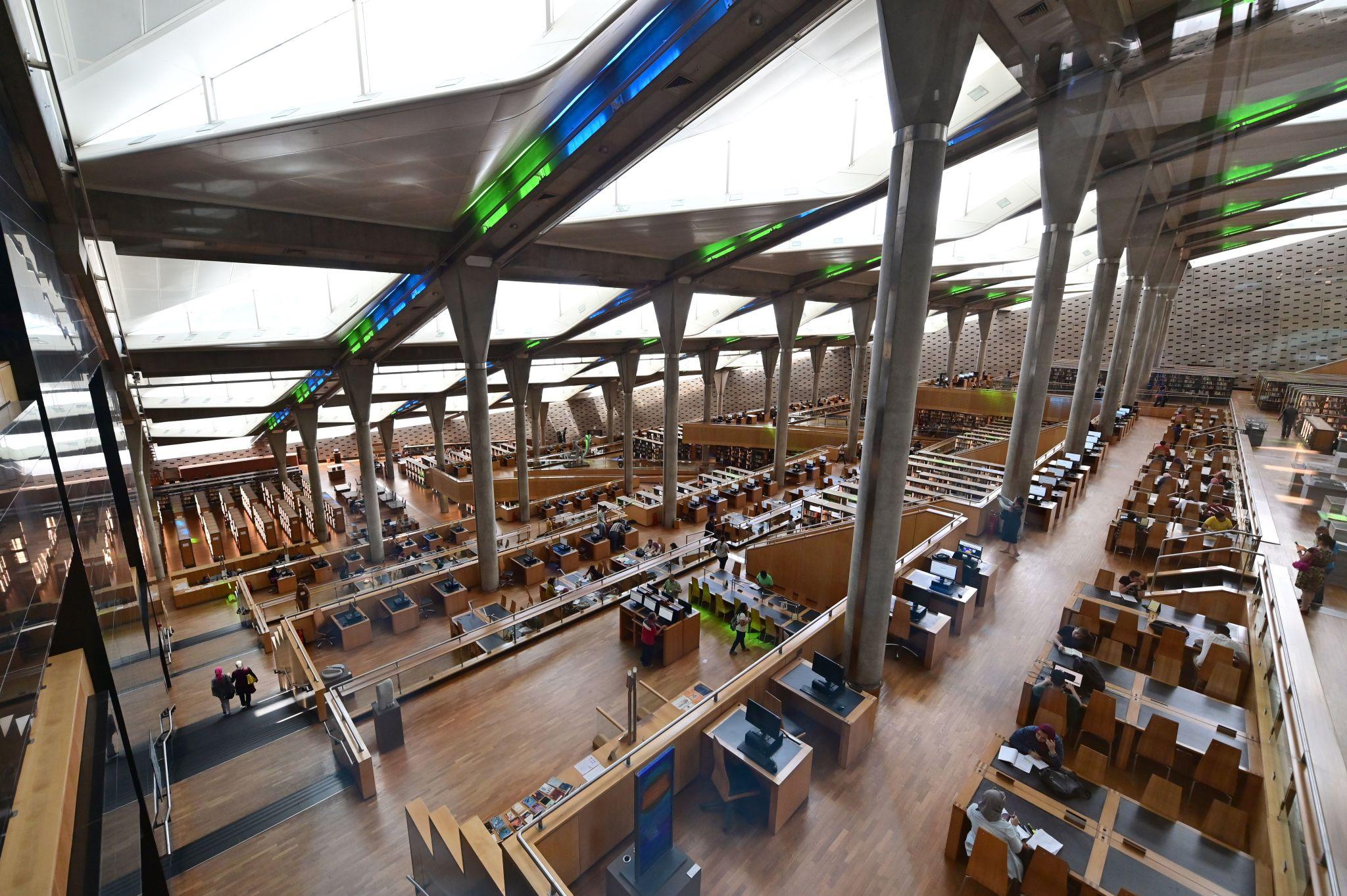
The modern Library of Alexandria, opened in 2002, is an architectural marvel — its tilted disc-shaped roof is covered in characters from 120 different human scripts. Inside, it houses millions of books, several museums, an antiquities gallery, a planetarium, and rotating art exhibitions. It's a fitting tribute to the ancient library that once held all the knowledge of the ancient world.
Citadel of Qaitbay
Built in 1477 by Sultan Qaitbay on the exact site of the ancient Pharos Lighthouse, this medieval fortress offers panoramic Mediterranean views. The fortification incorporates some of the lighthouse's original stones. The interior houses a small naval museum.
Catacombs of Kom El Shoqafa
These 2nd-century AD underground tombs are one of the Seven Wonders of the Middle Ages. The three-level burial site uniquely blends Egyptian, Greek, and Roman artistic traditions — you'll see pharaonic deities wearing Roman armor. A spiral staircase descends into the atmospheric underground chambers.
Pompey's Pillar & Roman Amphitheatre
Pompey's Pillar is the tallest ancient monolith outside Rome — a 26.85-meter red granite column erected in 297 AD. Nearby, the well-preserved Kom el-Dekka Roman amphitheatre has marble seats, mosaic floors, and galleries that once seated up to 800 spectators.
The Corniche & Waterfront
Alexandria's 20 km Corniche stretches along the harbor from the Citadel to Montazah Palace and its beautiful gardens. Stroll past grand Ottoman and Art Deco buildings, stop at Stanley Bridge for views, and end at Montazah — the former royal summer palace set in lush gardens overlooking the sea.
Food & Dining
Seafood Capital of Egypt
Alexandria is famous for its seafood. The traditional way is to choose your fish fresh from the display, have it weighed, and pick your cooking style (grilled, fried, or baked with tahini). The Fish Market area and Anfushi district are the best spots. Don't miss the local specialty — sayadeya (spiced fish with rice).
Pastries & Sweets
The city's cosmopolitan past lives on in legendary patisseries. Trianon, established in 1905, is a beloved Art Deco cafe. Delices serves pastries with a Levantine twist. Alexandrian basbousa (semolina cake) and balah el-sham (fried choux pastries with syrup) are local favorites.
Historic Cafes
The cafe culture here has a distinctly European feel. Sit at the venerable Cafe Trianon or the waterfront cafes along the Corniche. In summer, Alexandrians flock to the ice cream shops — try the stretchy booza (mastic ice cream), a local tradition.
Best Time to Visit
Spring (March–May) and autumn (September–November) offer the most pleasant weather: warm but not too hot, with clear skies and comfortable sea breezes. Summer (June–August) is peak Egyptian beach season — Alexandria fills with Cairo vacationers and can be very crowded and humid. Winter (December–February) brings cooler temperatures (12–18°C) and occasional rain, but also thinner crowds and a more atmospheric, local feel.
Getting Around
Alexandria's main sights stretch along the Corniche, making the city relatively easy to navigate. The yellow Alexandria tram — one of the oldest tram systems in Africa — is a charming and cheap way to travel along the waterfront. Taxis and ride-hailing apps work well. For longer distances, microbuses run fixed routes. The city center (around Raml Station) is walkable. Most major sites can be covered in a full day with efficient transport.
Pro Tips
- Alexandria is an easy day trip from Cairo (2.5 hours by train), but staying overnight lets you enjoy the seafood and sunset
- Visit the Catacombs early — they're underground and cool, which is a bonus on hot days
- The tram from Raml Station to the Citadel is a local experience worth trying
- Seafood restaurants in the Anfushi area offer better value than the tourist-facing Corniche spots
- The Bibliotheca Alexandrina is closed on Fridays — plan accordingly
- Try to catch a sunset from Stanley Bridge or the Citadel of Qaitbay
Key Locations
- Bibliotheca Alexandrina31.2089, 29.9092
- Qaitbay Citadel31.2139, 29.8855
- Greco-Roman Museum31.2005, 29.9114
- Pompey's Pillar31.1838, 29.8965
- Catacombs of Kom el-Shoqafa31.1792, 29.8961
Need help planning your trip?
Our Egypt travel experts can create a custom itinerary tailored to your interests.
Get in Touch