Luxor West Bank Complete Tour: Valley of Kings & Temples
Complete Luxor West Bank tour visiting Valley of Kings, Hatshepsut Temple, Medinet Habu, Deir el-Medina village, and Colossi of Memnon. Ultimate Thebes experience.
Free cancellation up to 14 days before
About this tour
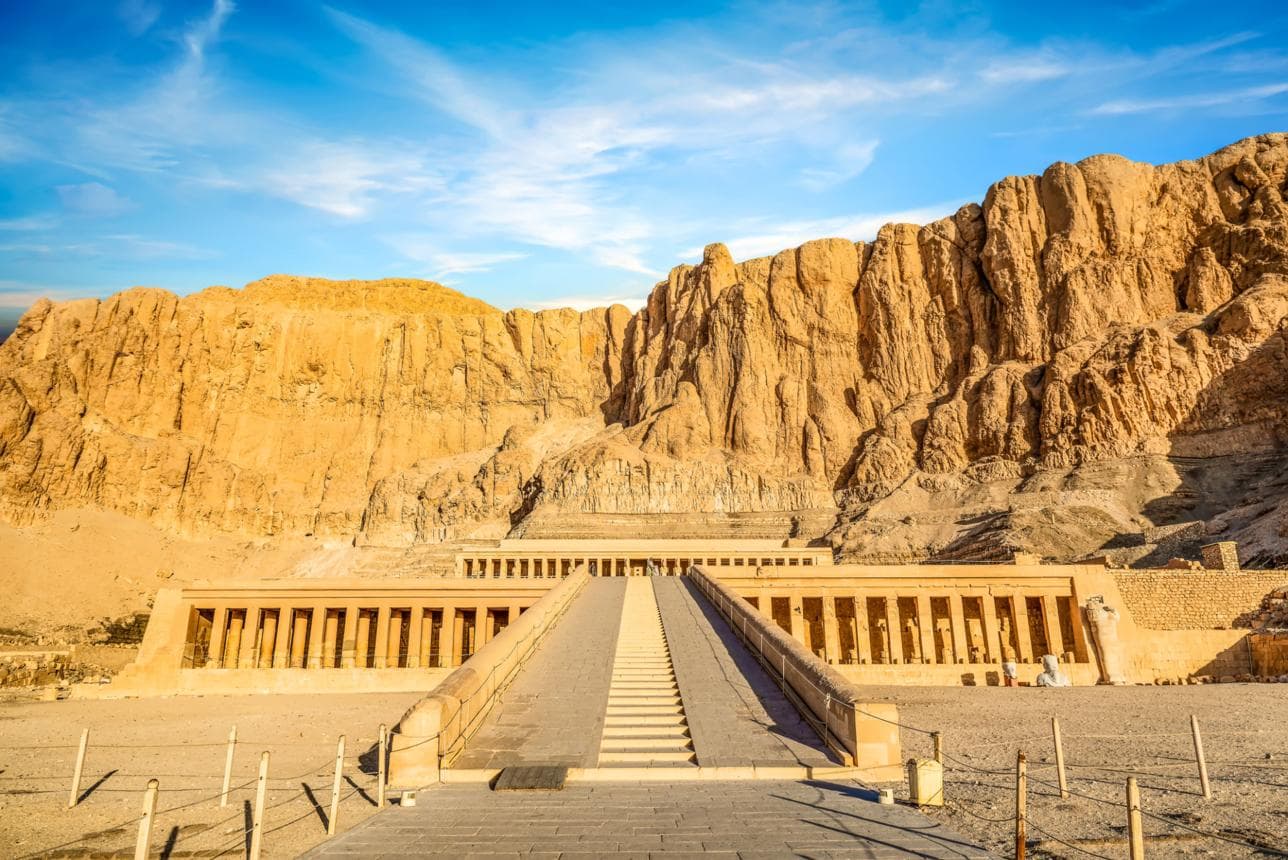
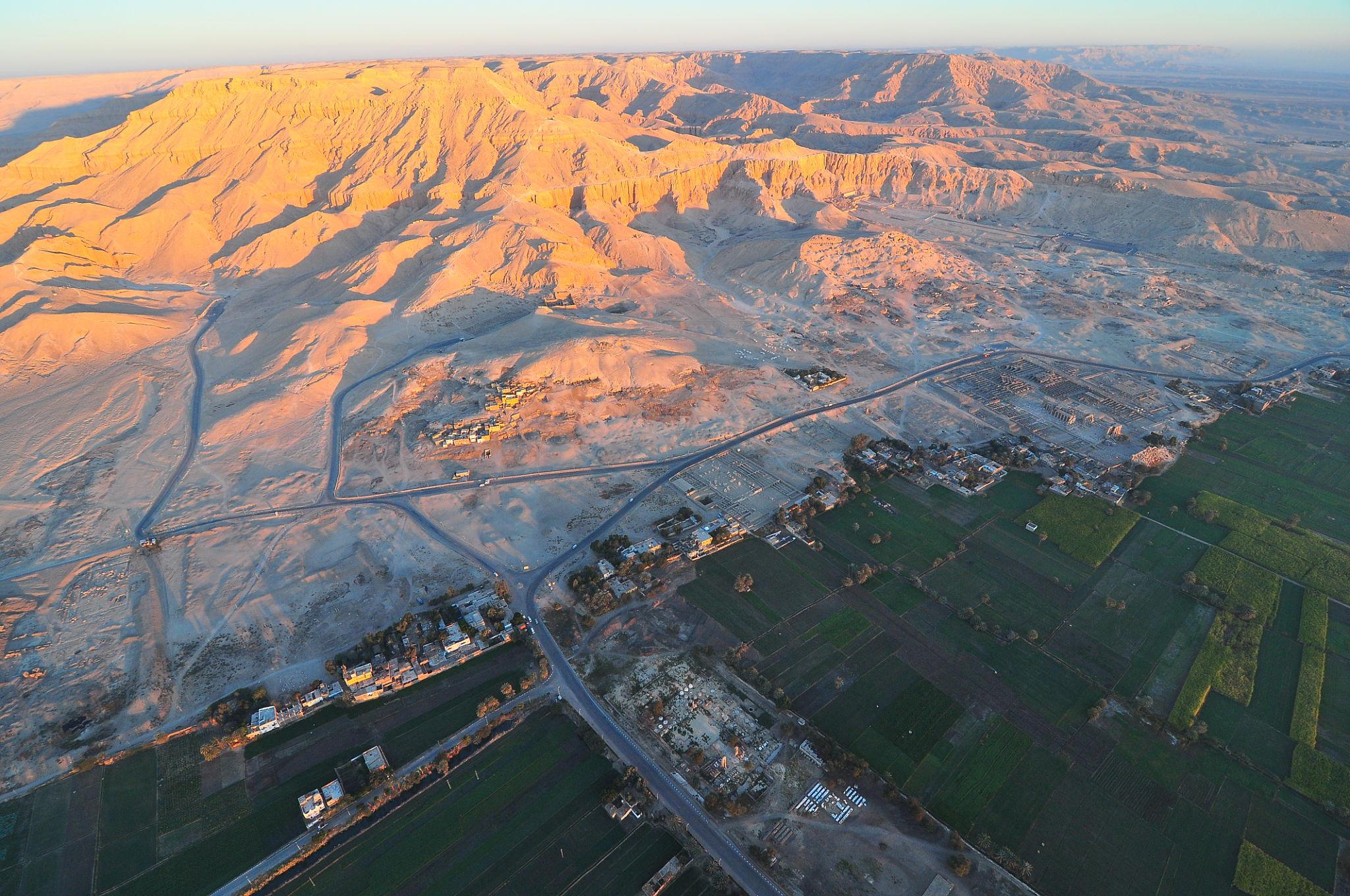
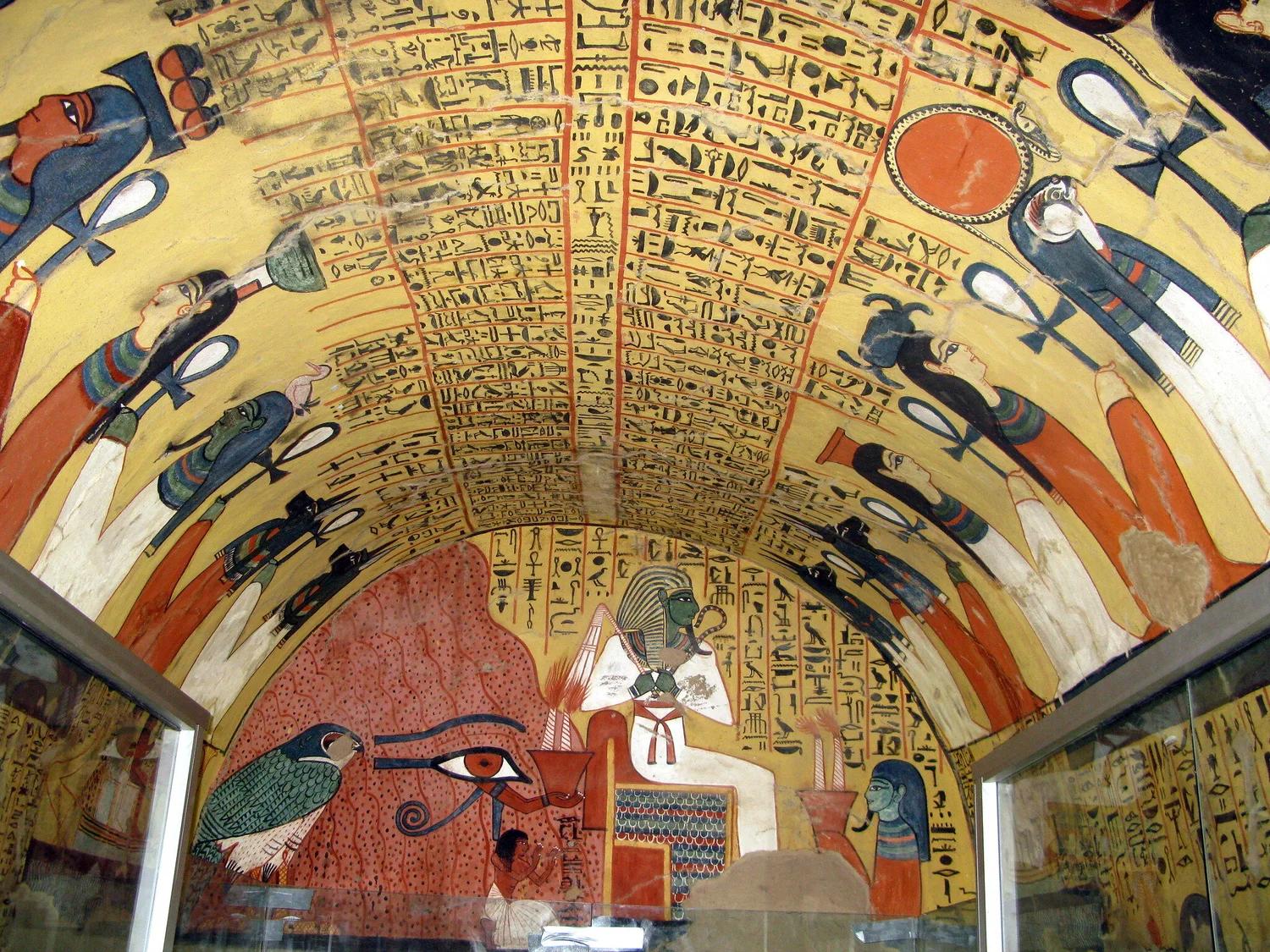
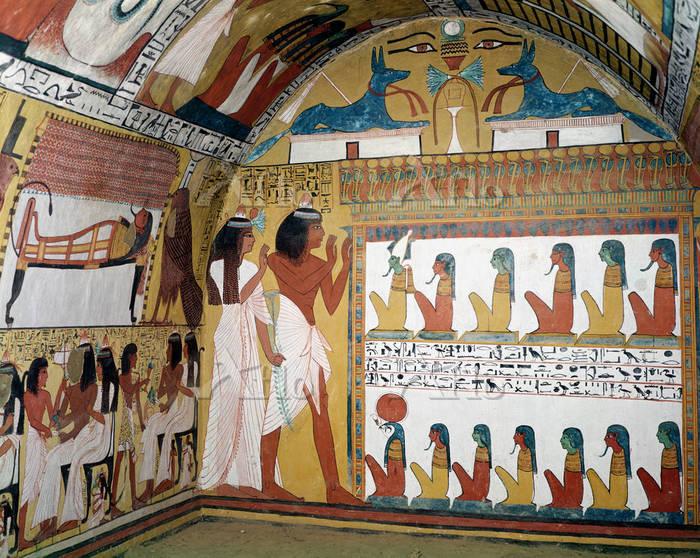
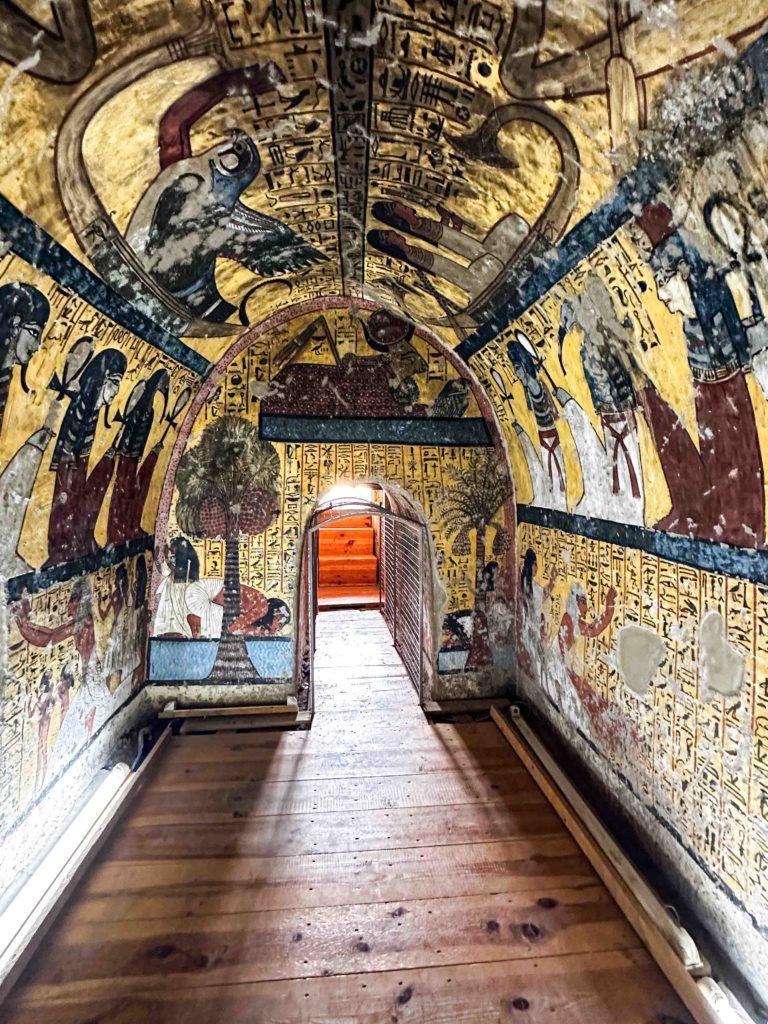
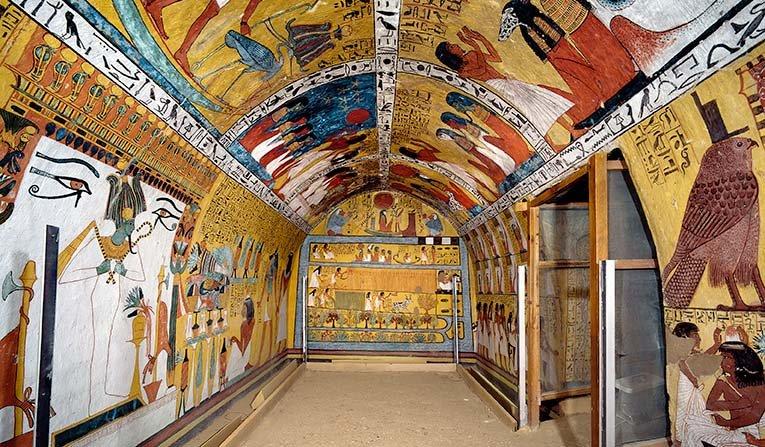
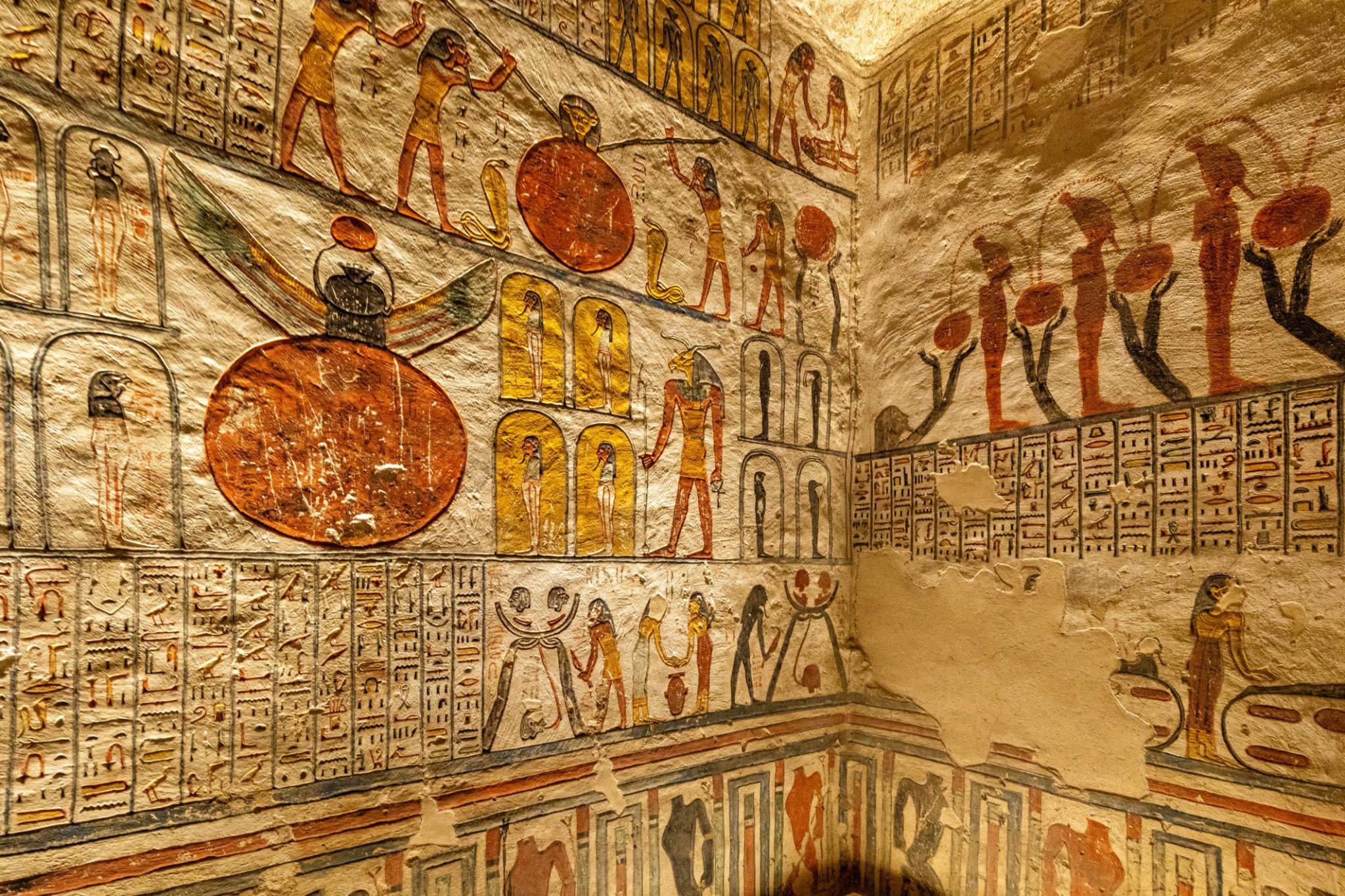
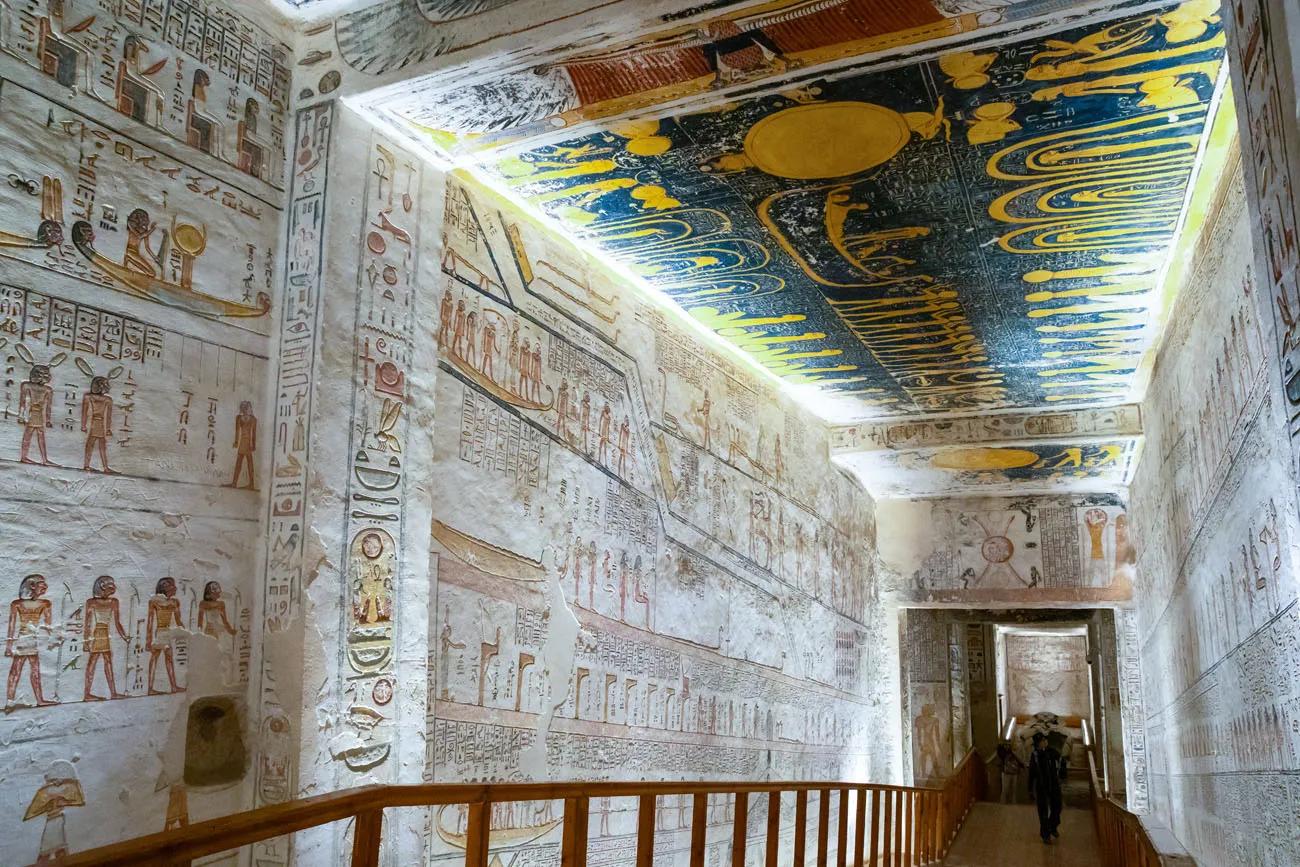
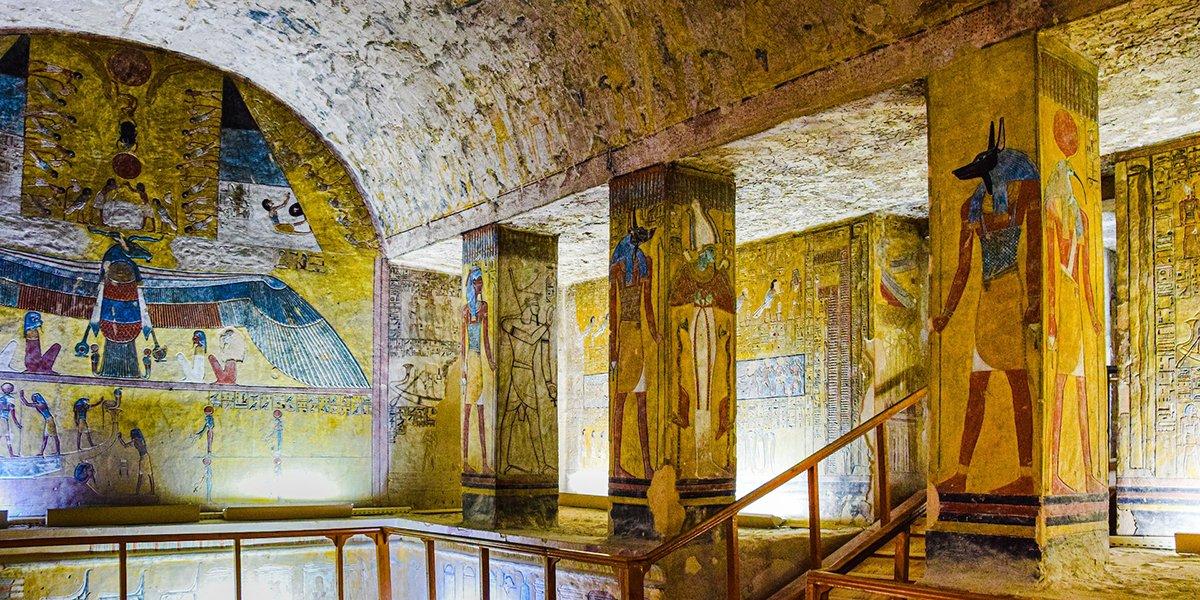
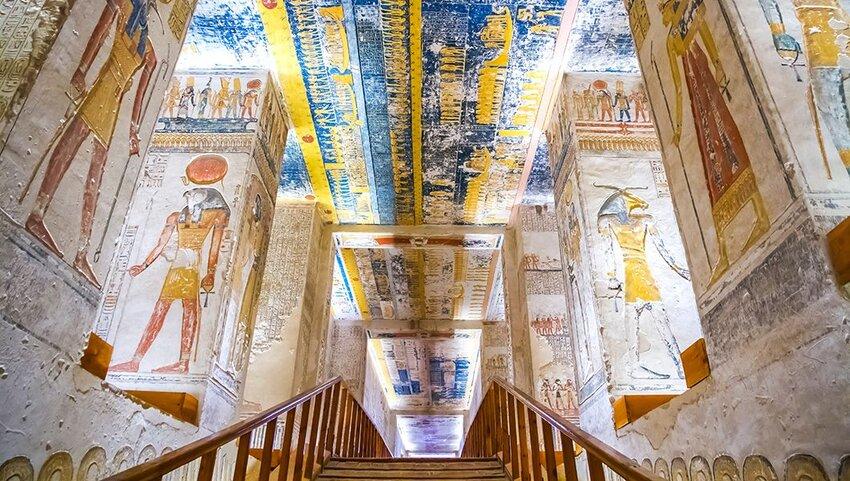
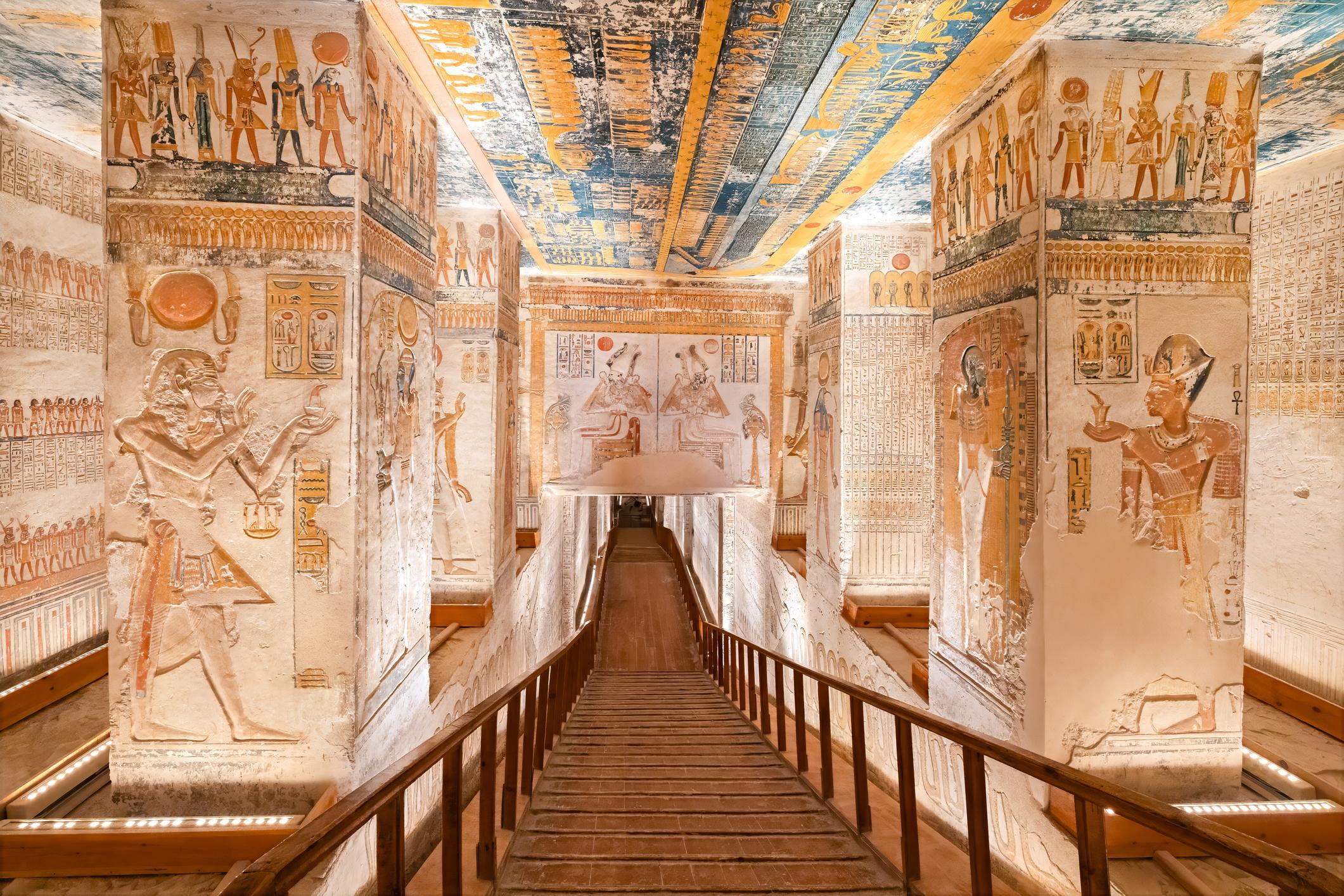
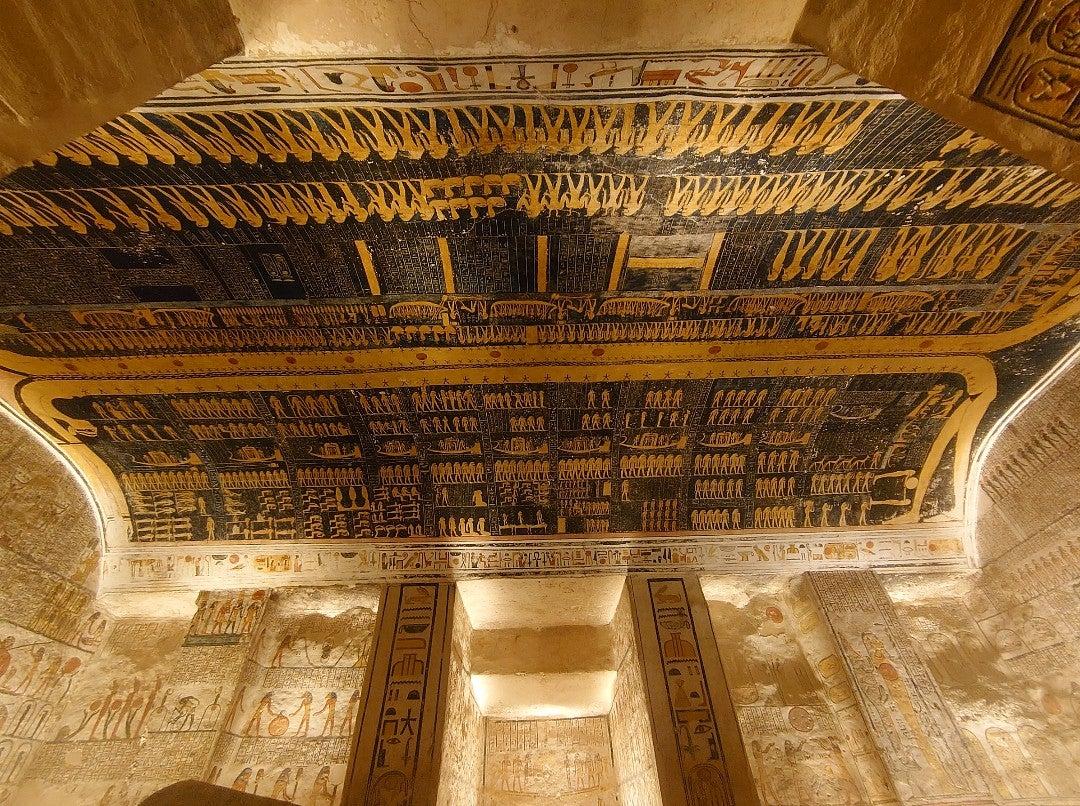
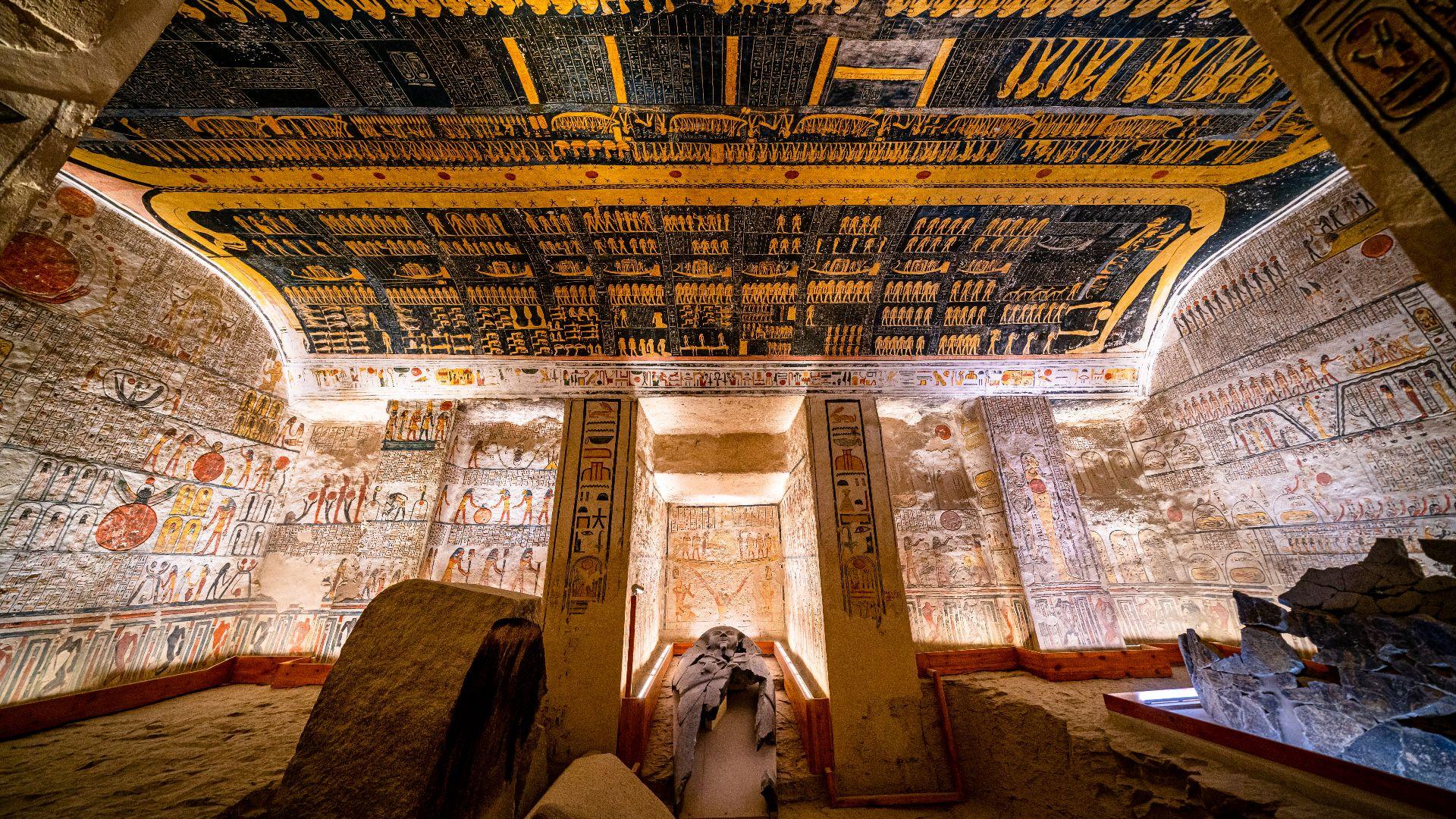
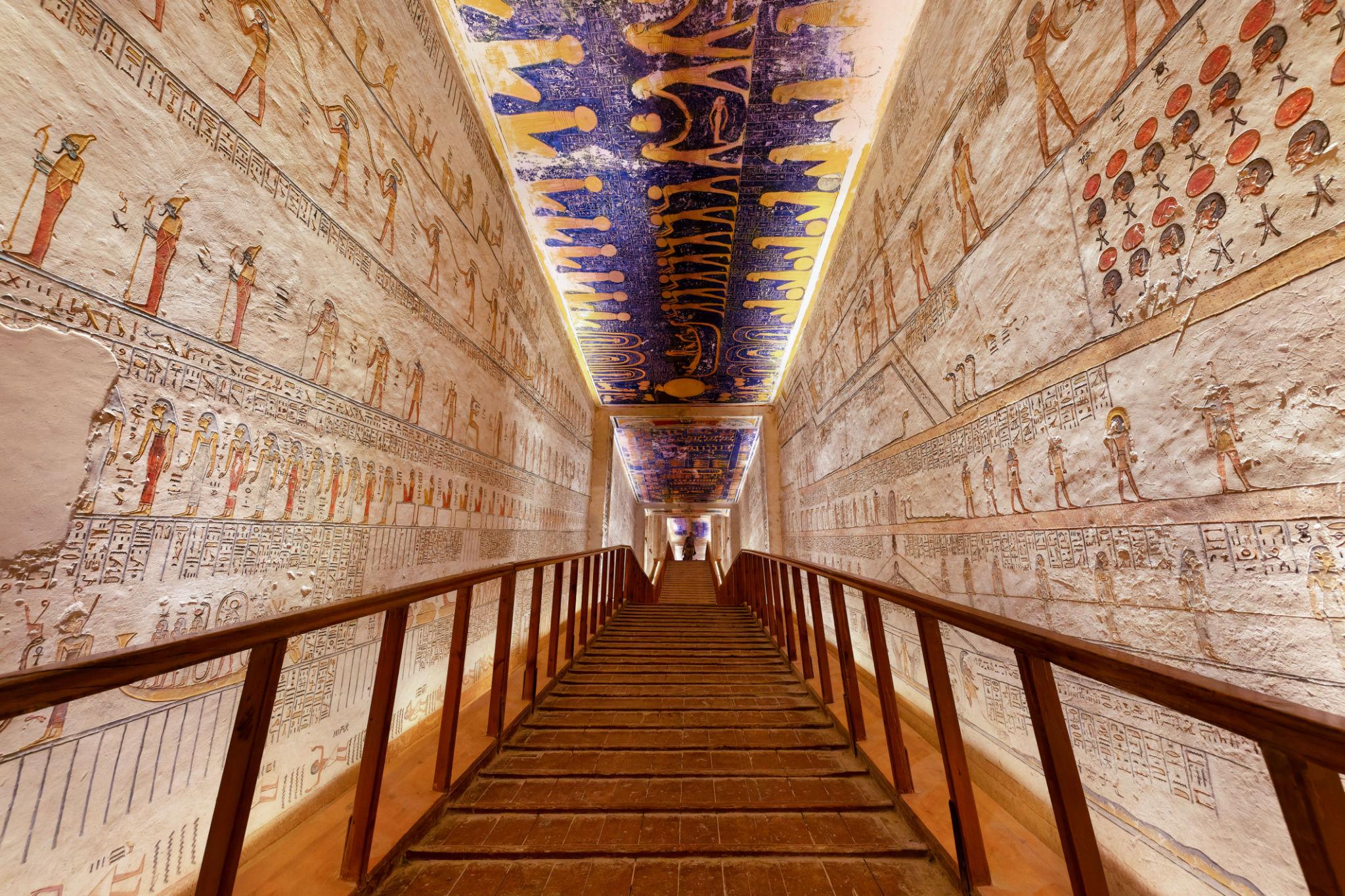
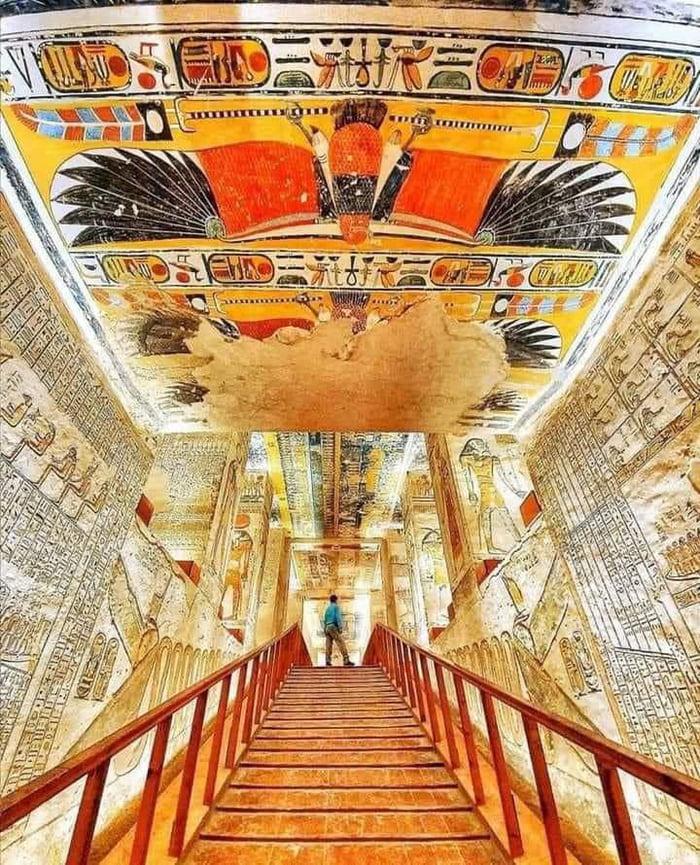
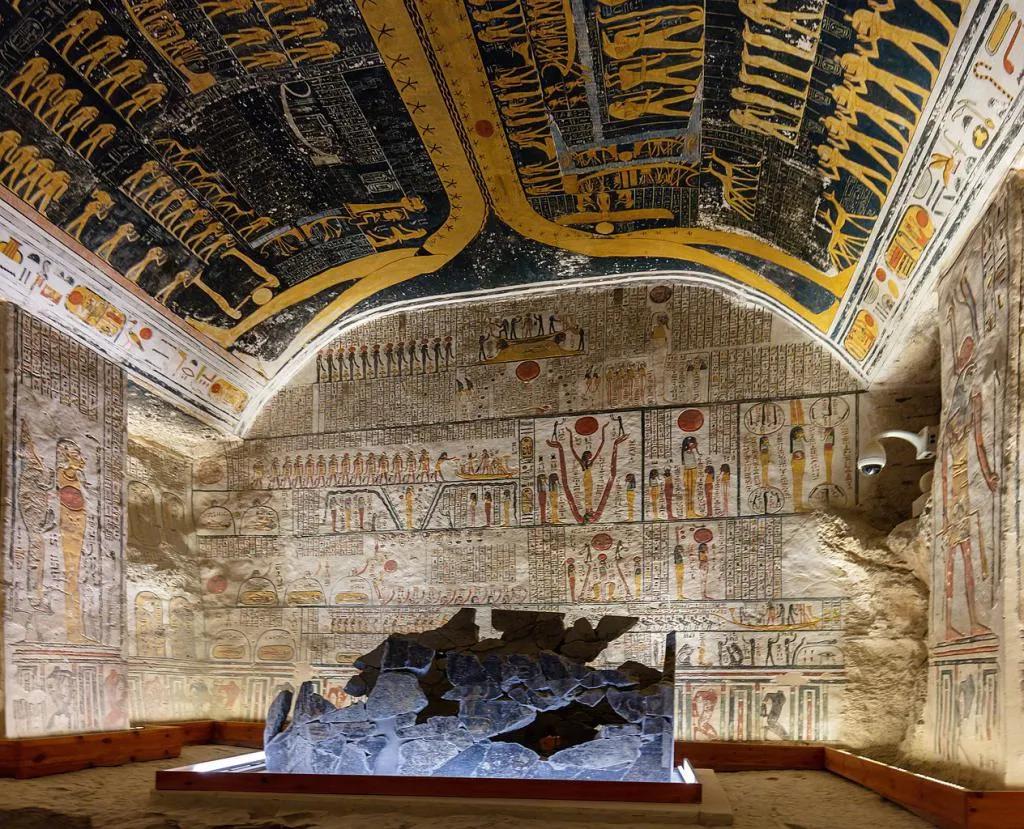
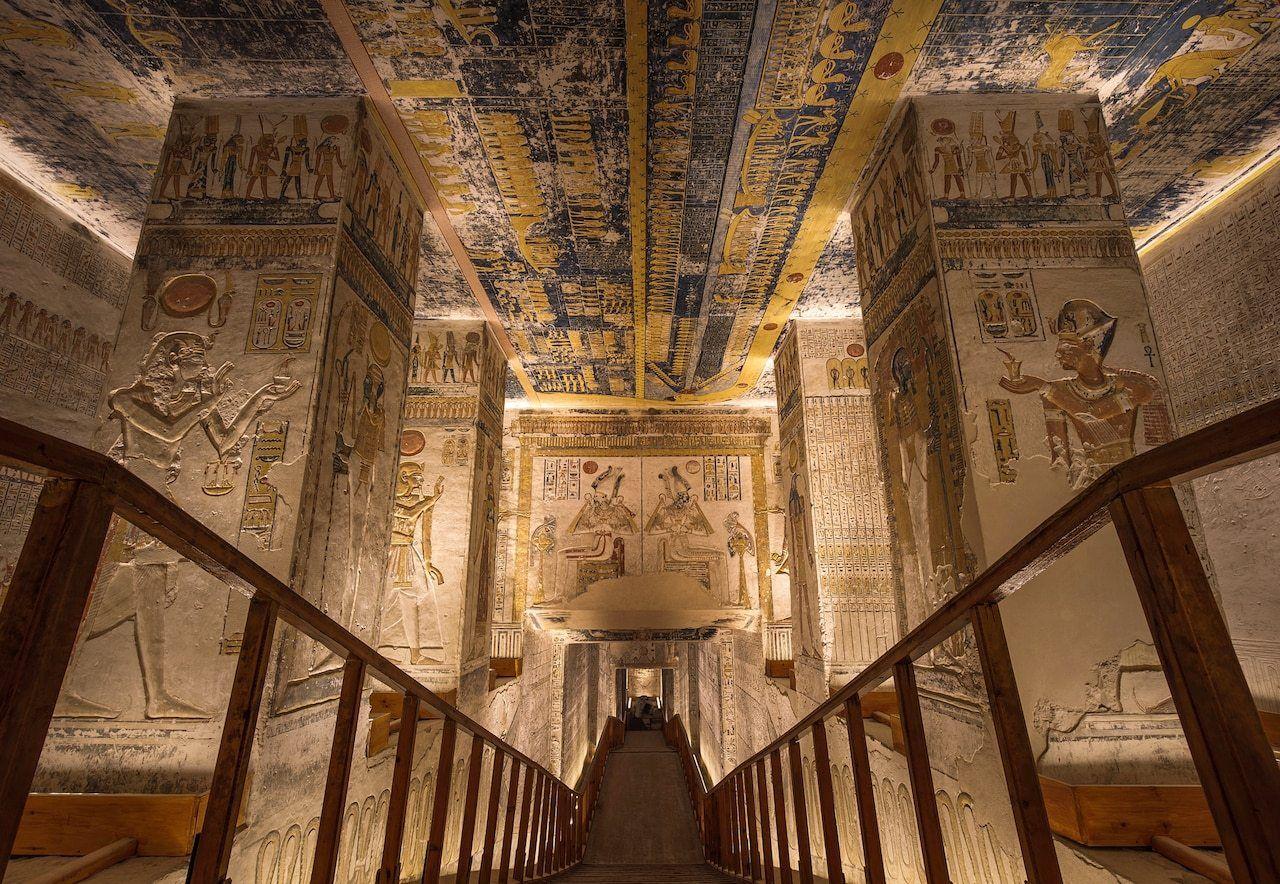
Discover the complete story of ancient Thebes on this comprehensive Luxor day trip exploring every major monument on the Nile's legendary west bank. Your Egyptian adventure begins before sunrise in the Valley of the Kings, where New Kingdom pharaohs chose eternal rest among the Theban hills starting around 1550 BC. Enter three magnificently decorated royal tombs where vivid wall paintings depict the pharaoh's journey through the afterlife, with colors so fresh they appear painted yesterday. The morning's cool temperatures and dramatic lighting create perfect conditions for photography and comfortable exploration. Continue to the architectural marvel of Hatshepsut Temple, rising in three dramatic terraces against towering limestone cliffs—a design so innovative it inspired classical Greek architecture centuries later. This powerful female pharaoh's mortuary complex showcases her 22-year reign's achievements through detailed relief carvings and hieroglyphic inscriptions. Your Luxor excursion includes the often-overlooked Medinet Habu, Ramesses III's massive mortuary temple boasting the best-preserved colors in all of Egypt. These vibrant scenes of military victories and religious ceremonies provide unparalleled insights into New Kingdom politics and spirituality. The fascinating village of Deir el-Medina reveals how skilled artisans lived while creating royal tombs—their personal burial chambers display artistic freedom impossible in royal commissions. This Egypt cultural tour concludes at the iconic Colossi of Memnon, where 18-meter twin statues once guarded Amenhotep III's now-vanished temple.
Highlights
Gallery
Itinerary
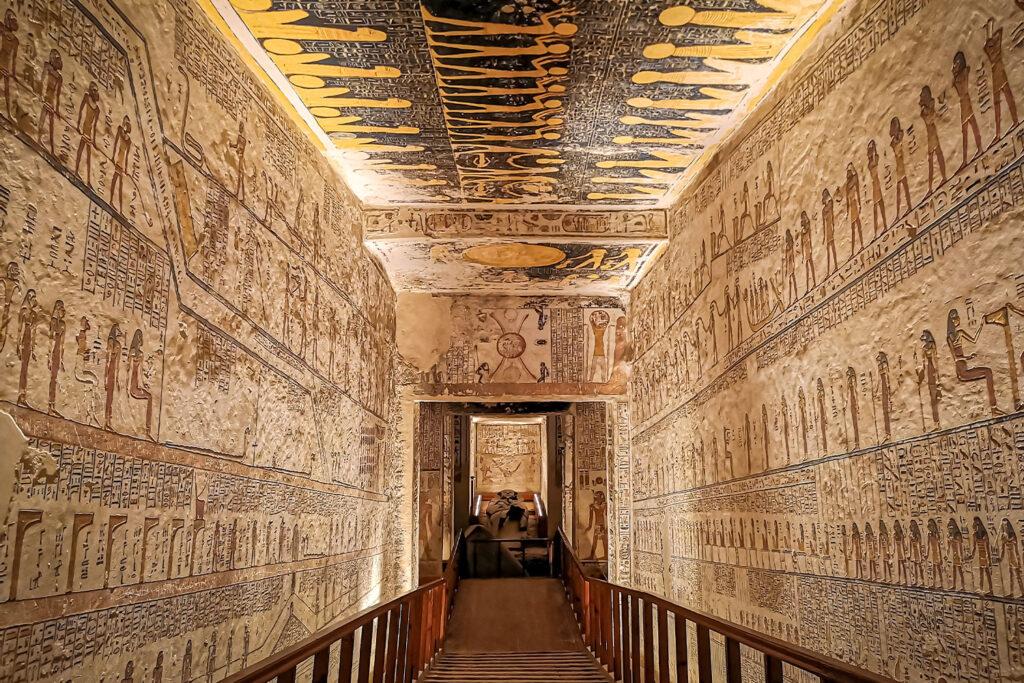
Valley of the Kings
Begin your journey into pharaonic eternity where 62 discovered tombs hide among desert hills, including the famous resting place of Tutankhamun discovered by Howard Carter in 1922. Enter three beautifully decorated burial chambers where ancient artists created masterpieces depicting the Book of the Dead's sacred texts and the pharaoh's transformation into divine beings. Your Egyptologist reveals burial practices, tomb construction techniques, and the religious beliefs that motivated such elaborate preparations for the afterlife.
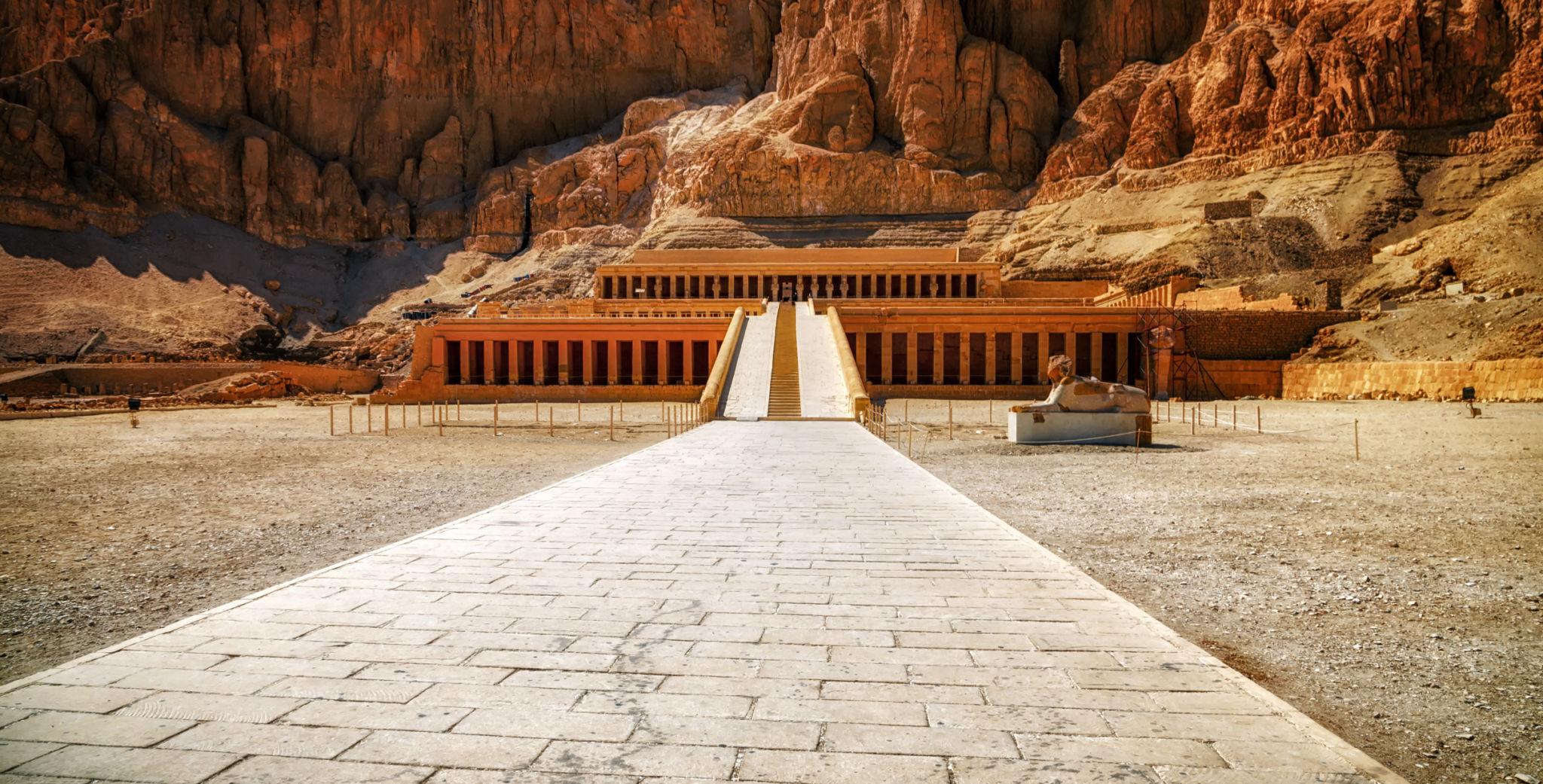
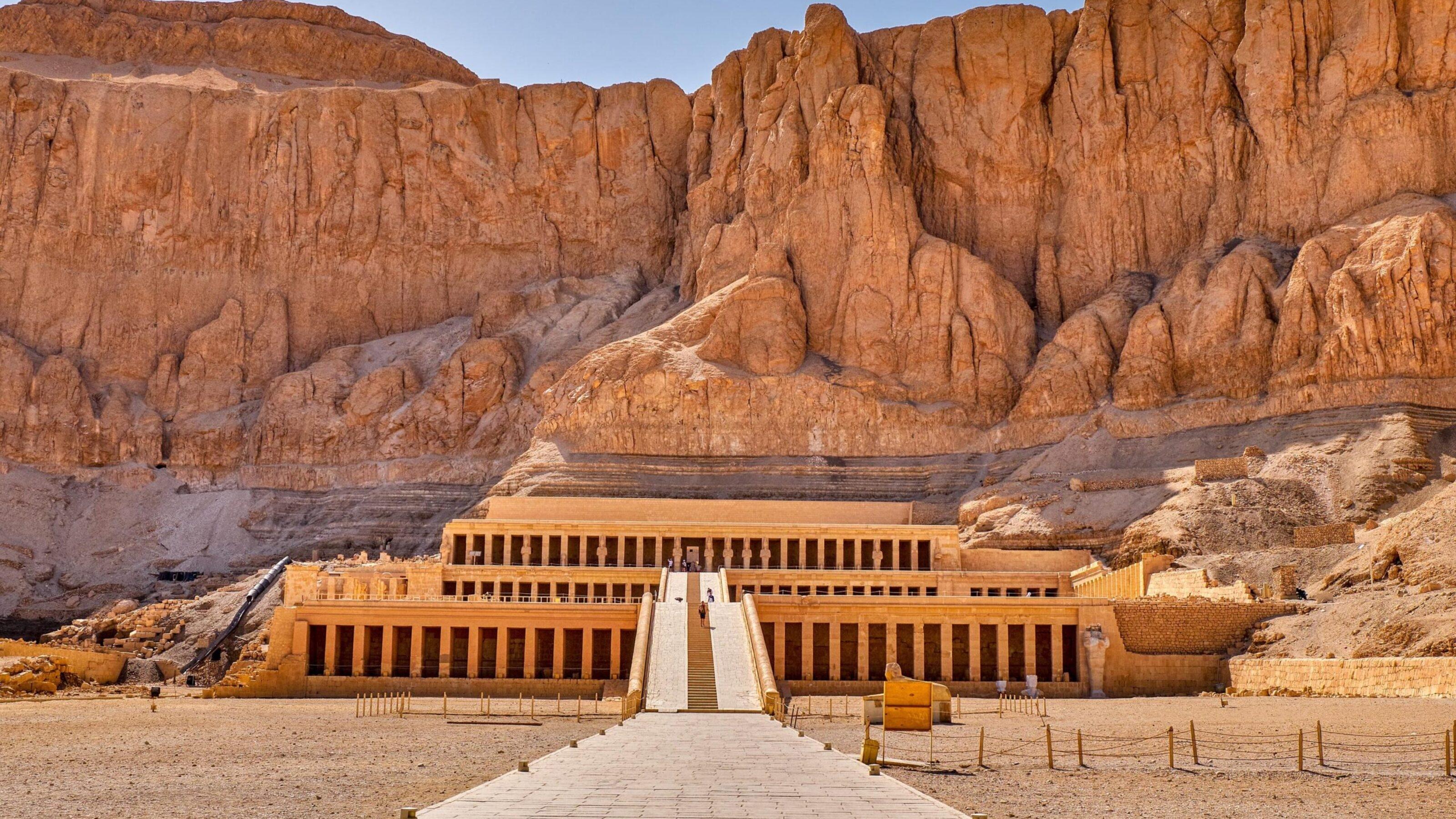
Temple of Queen Hatshepsut (Deir el-Bahari)
Marvel at ancient Egypt's most innovative architectural achievement, where Queen Hatshepsut's mortuary temple rises in three dramatic terraces harmonizing perfectly with the natural limestone cliffs behind. This powerful female pharaoh ruled for 22 years disguised as a male king, and her temple's relief carvings celebrate achievements including the famous expedition to the mysterious land of Punt. The temple's unique design influenced architectural styles for millennia and demonstrates sophisticated engineering skills.
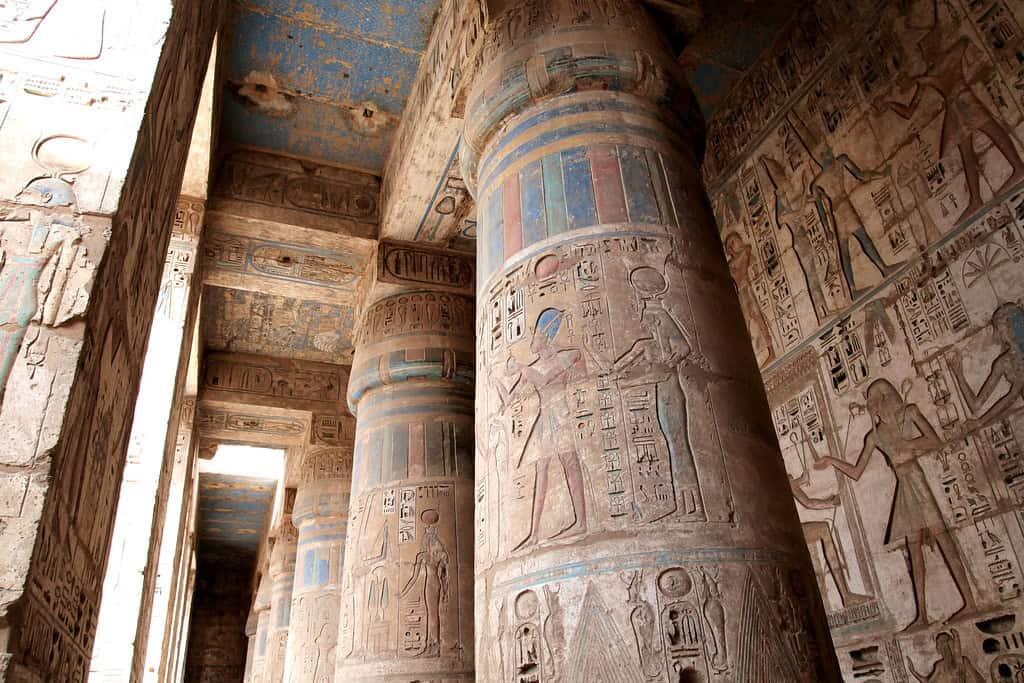
Medinet Habu Temple Complex
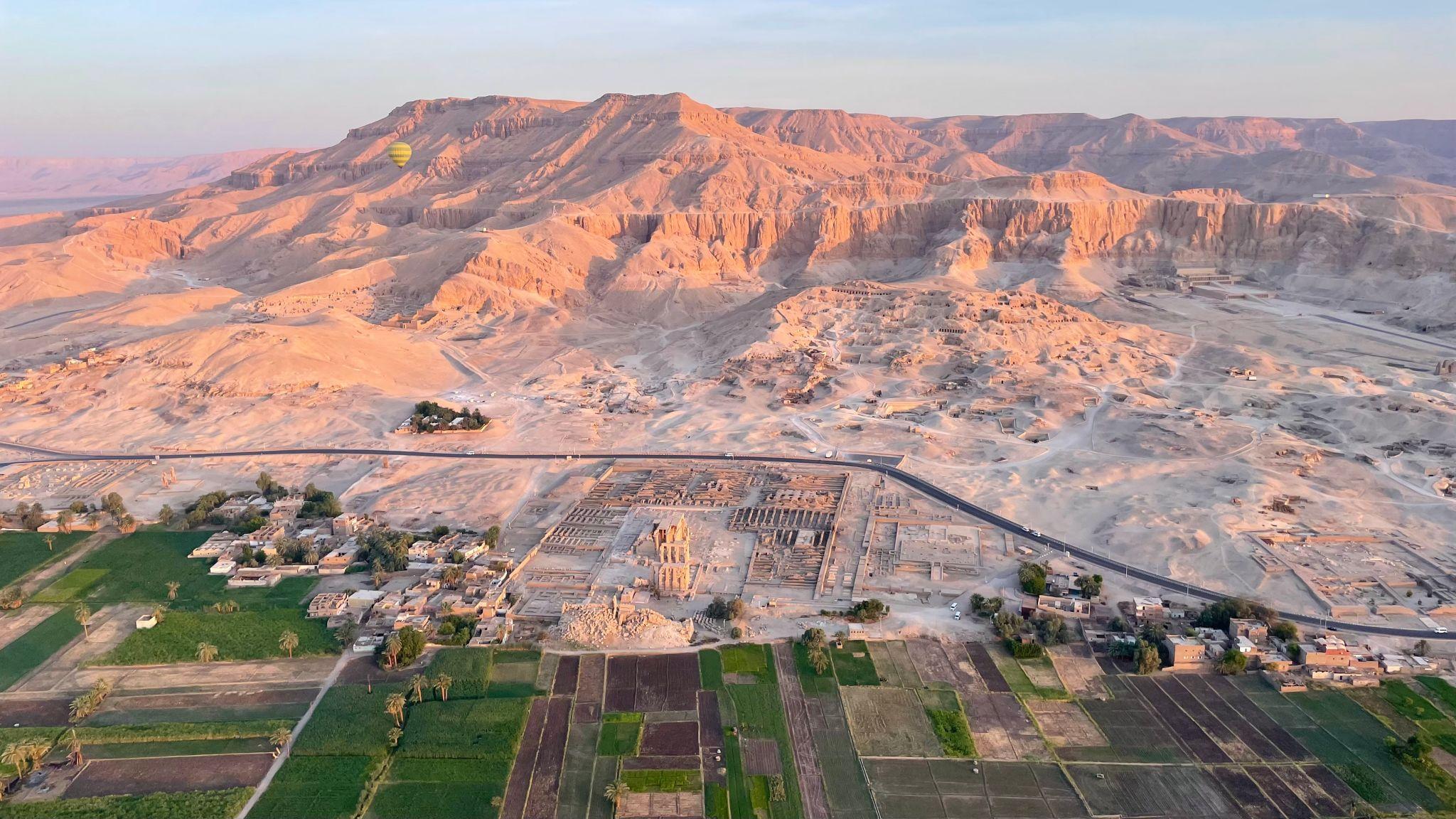
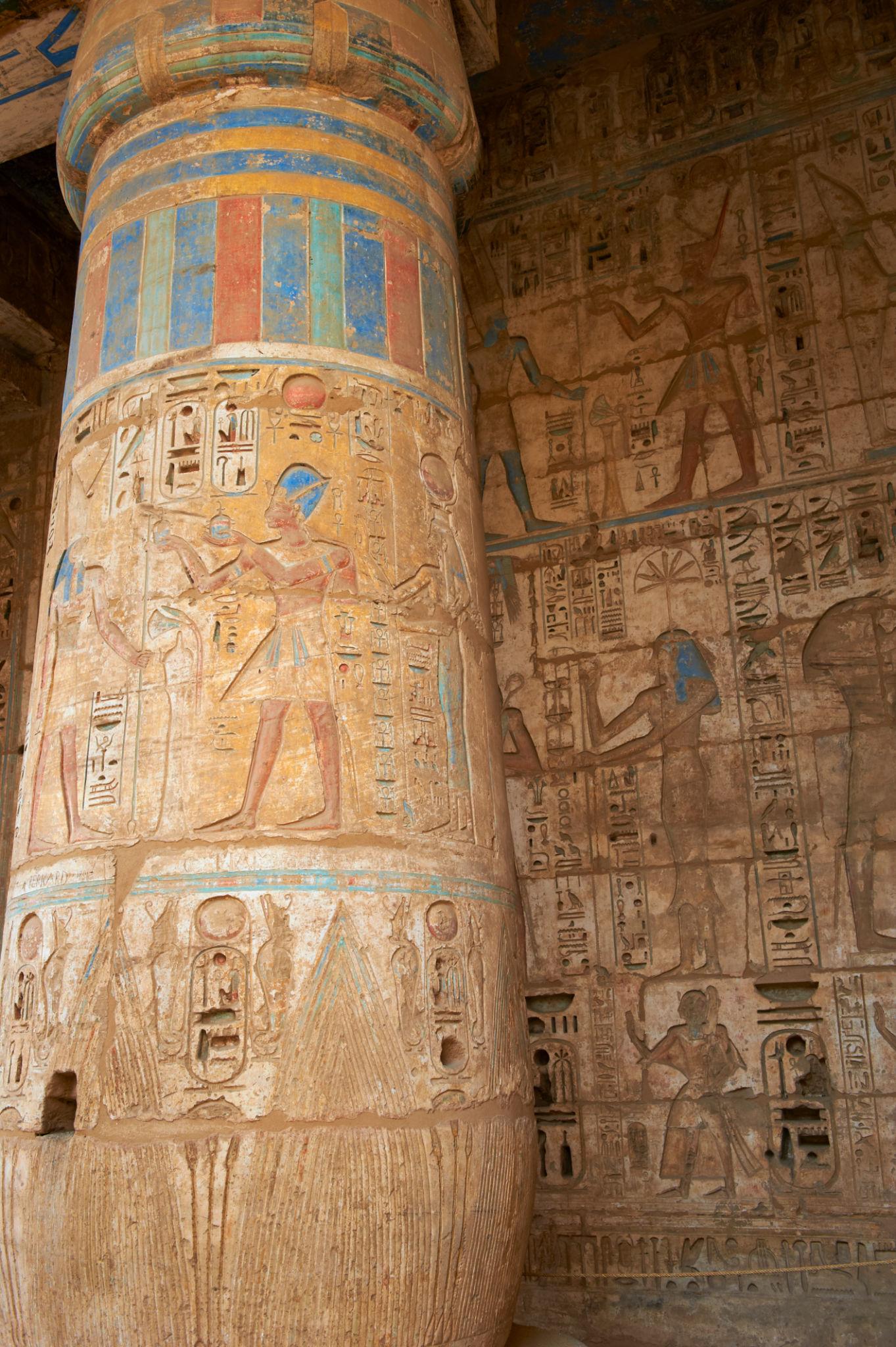
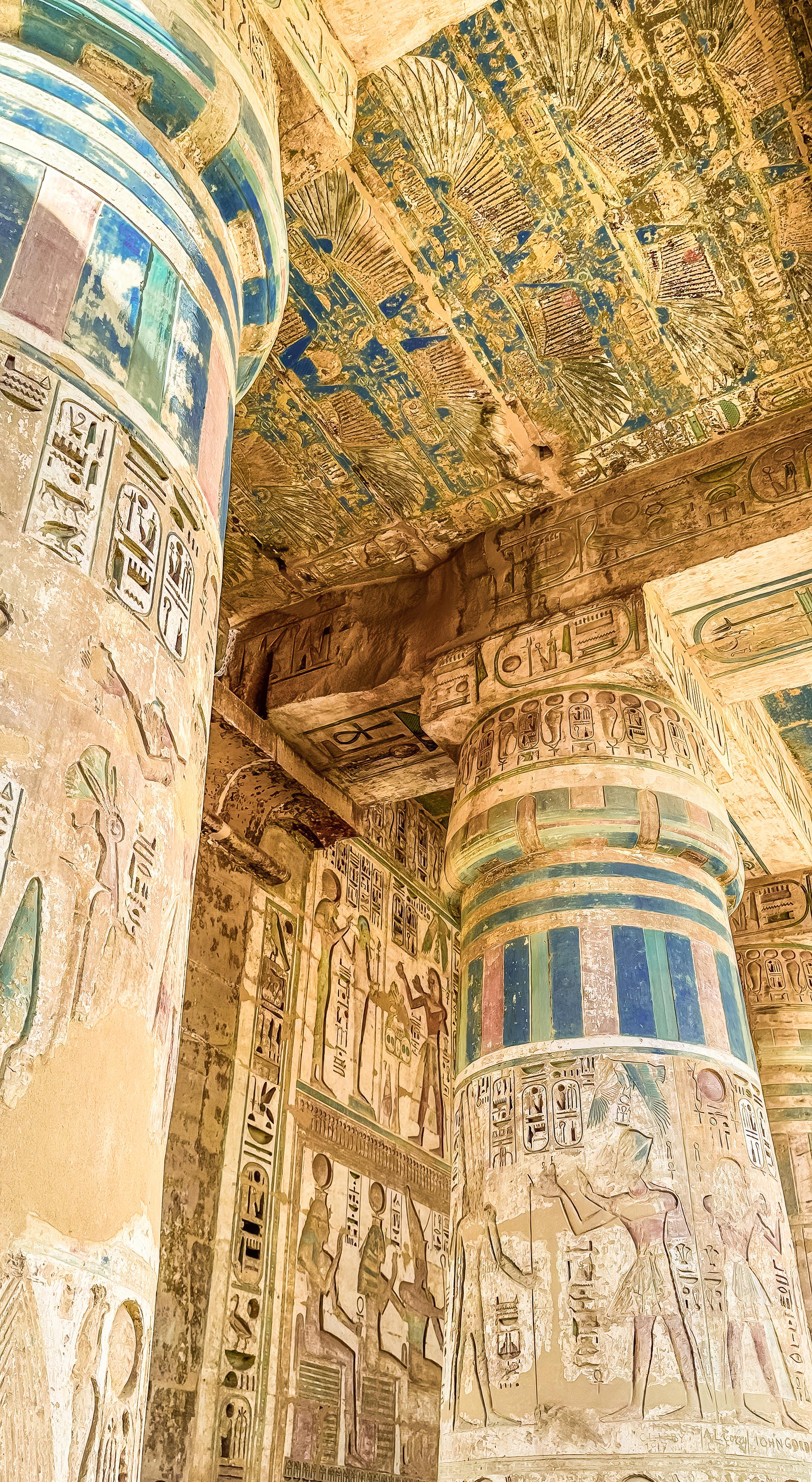
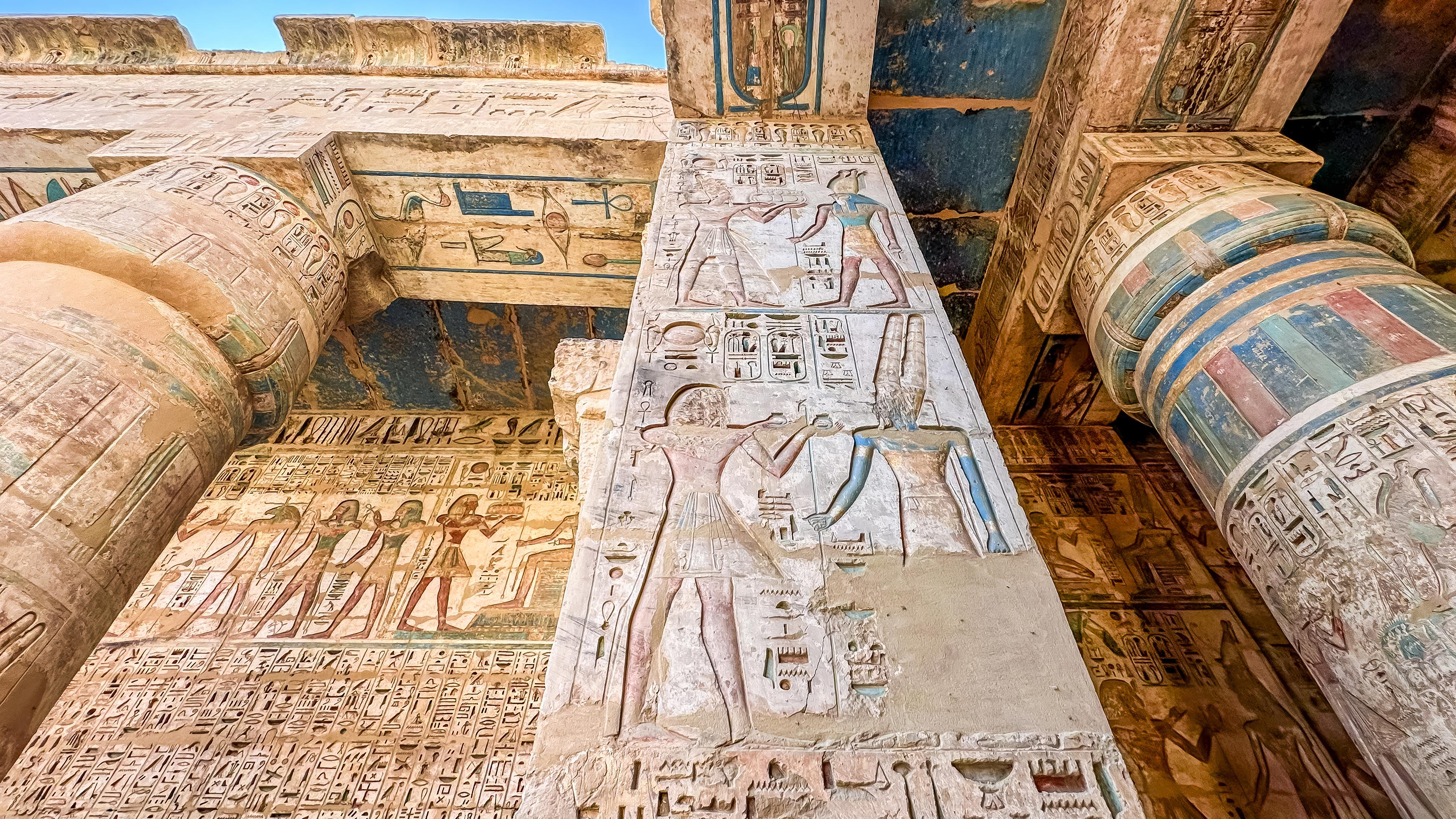
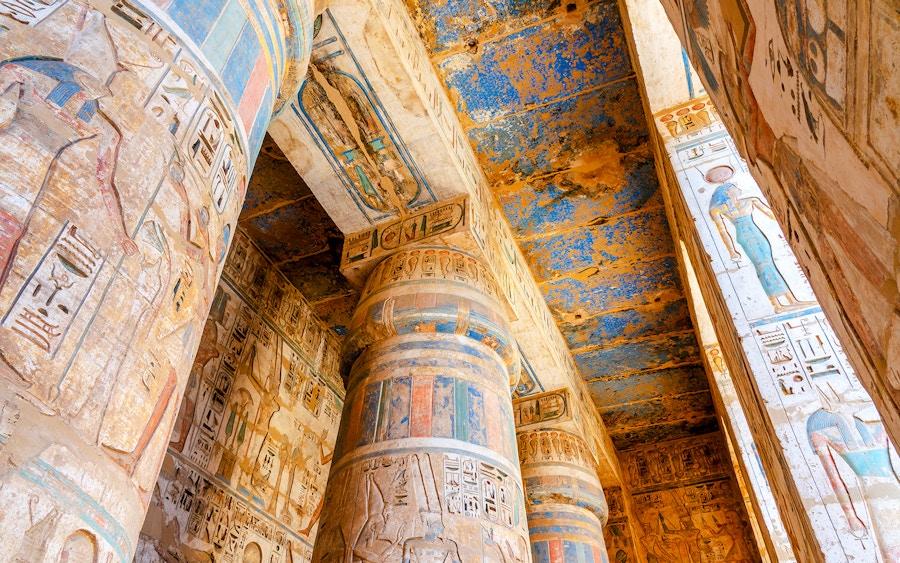
Explore Ramesses III's magnificent mortuary temple, often called Egypt's best-kept secret for its exceptional state of preservation and vivid original colors that have survived over 3,000 years. Massive pylons depict the pharaoh's military victories over Sea Peoples and Libyans, while interior chambers showcase religious ceremonies and daily temple life in unprecedented detail. This massive complex rivals Karnak in scope but offers a more intimate exploration experience with fewer crowds.
Deir el-Medina Workers' Village
Step into the daily lives of the skilled craftsmen who created the royal tombs, where archaeologists have uncovered intact houses, personal belongings, and even ancient grocery lists written on limestone flakes. The workers' own burial chambers display artistic freedom and personal religious beliefs impossible in official royal commissions, offering unique insights into ancient Egyptian society beyond the pharaohs. These intimate tombs often feature better-preserved paintings than their royal counterparts.
Colossi of Memnon
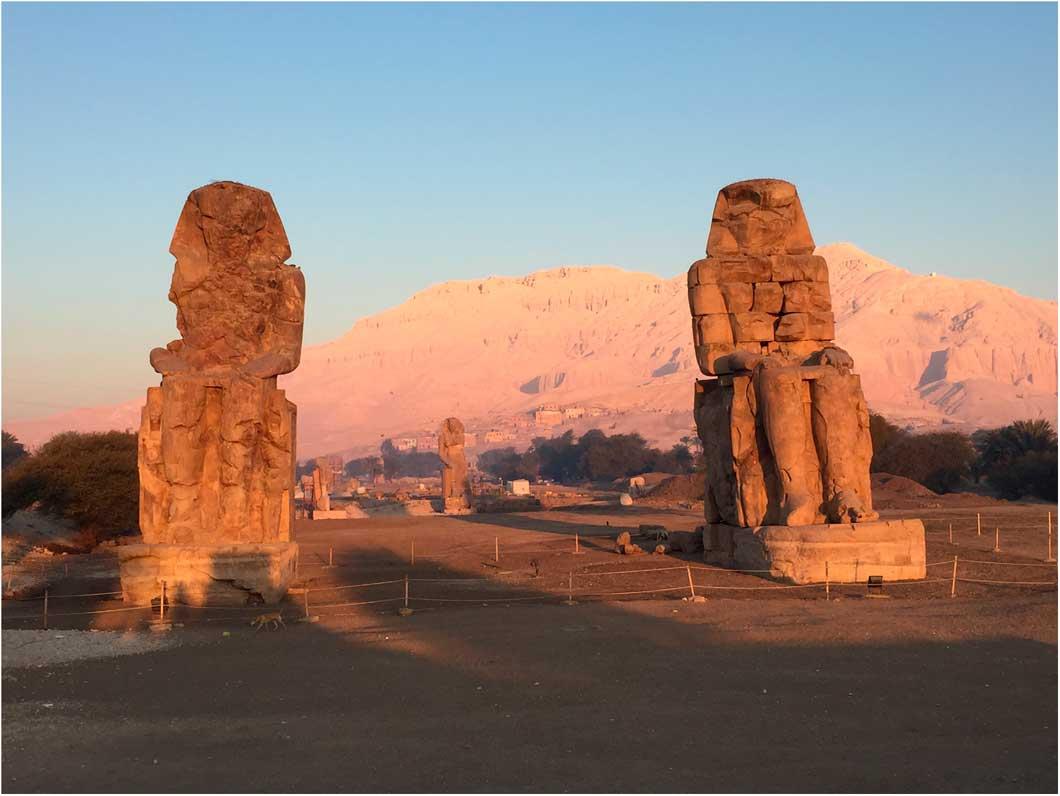
Stand before the 18-meter twin statues of Pharaoh Amenhotep III that once guarded his enormous mortuary temple, now vanished except for these weathered sentinels facing the rising sun. These quartzite giants became famous in Roman times when earthquake damage caused one statue to 'sing' at dawn, attracting tourists including Emperor Hadrian. Your guide explains the acoustic phenomenon and the ongoing restoration efforts revealing new details about this mysterious monument.
Pricing
Standard
| Season | Solo | 2-4 Pax | 5-8 Pax | 9-16 Pax |
|---|---|---|---|---|
| Peak (Oct-Apr) | $140 | $95 | $75 | $60 |
| Low (May-Sep) | $115 | $80 | $65 | $50 |
Includes
- Expert Egyptologist guide specializing in New Kingdom history
- Premium air-conditioned transportation with professional driver
- Convenient hotel pickup & drop-off throughout Luxor area
- Valley of Kings entrance including three decorated tombs
- Hatshepsut Temple admission with detailed guided tour
- Medinet Habu temple complex entrance and exploration
- Deir el-Medina workers' village and tomb access
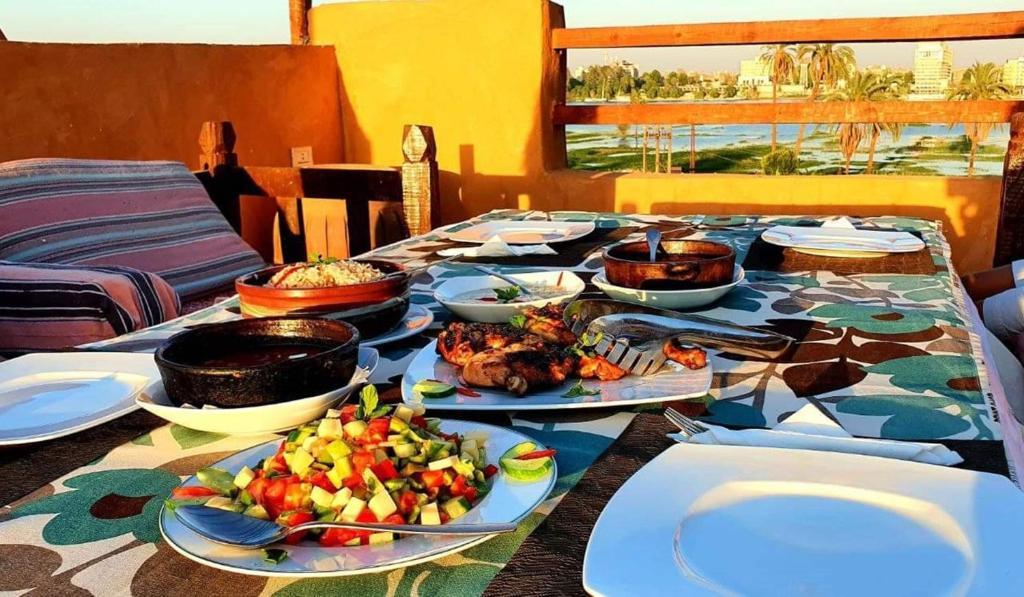
- Traditional Egyptian lunch with local specialties
- Complimentary bottled water and refreshments throughout day
Excludes
- Gratuities for guide and driver (customary 10-15%)
- Tutankhamun tomb special ticket (additional $20)
- Nefertari tomb access (seasonal, additional $25)
- Personal photography fees in certain tombs
- Travel insurance and personal expenses
Why book with us?
- Licensed tour operator
- 4.9/5 from 2,000+ reviews
- Free cancellation (14 days)
- Small group or private