Step Pyramid of Djoser

The world's oldest monumental stone structure — the revolutionary pyramid that started it all.

8 AM4 PM150 EGP (exterior), 300 EGP (interior)29.8713, 31.2164

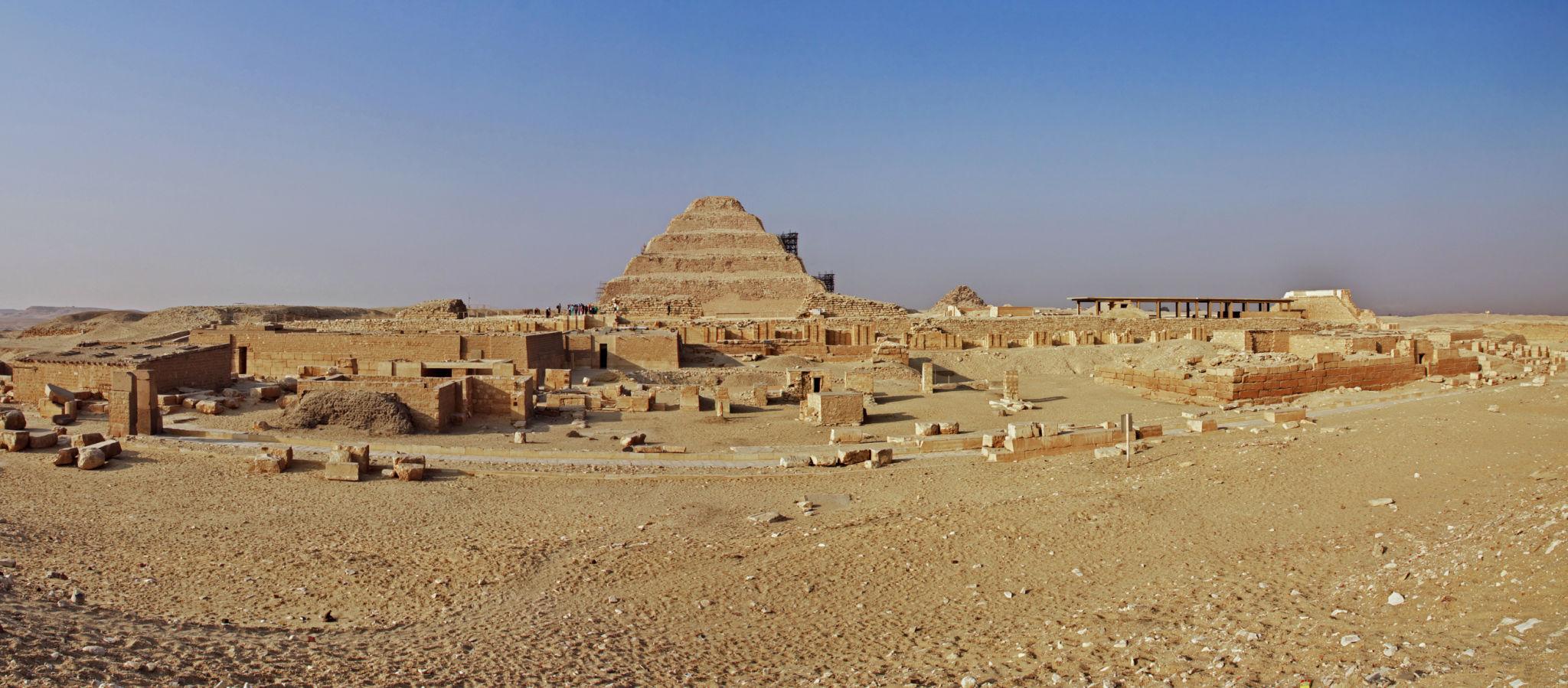
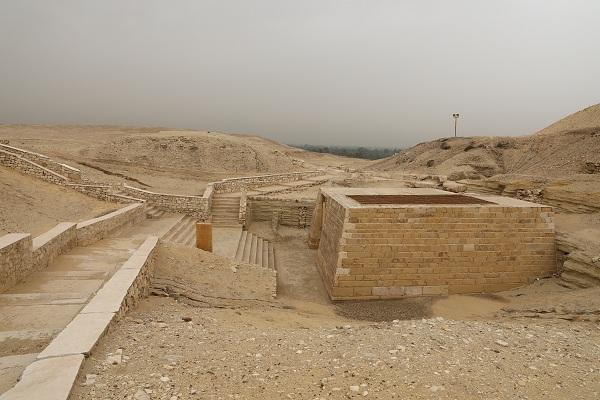
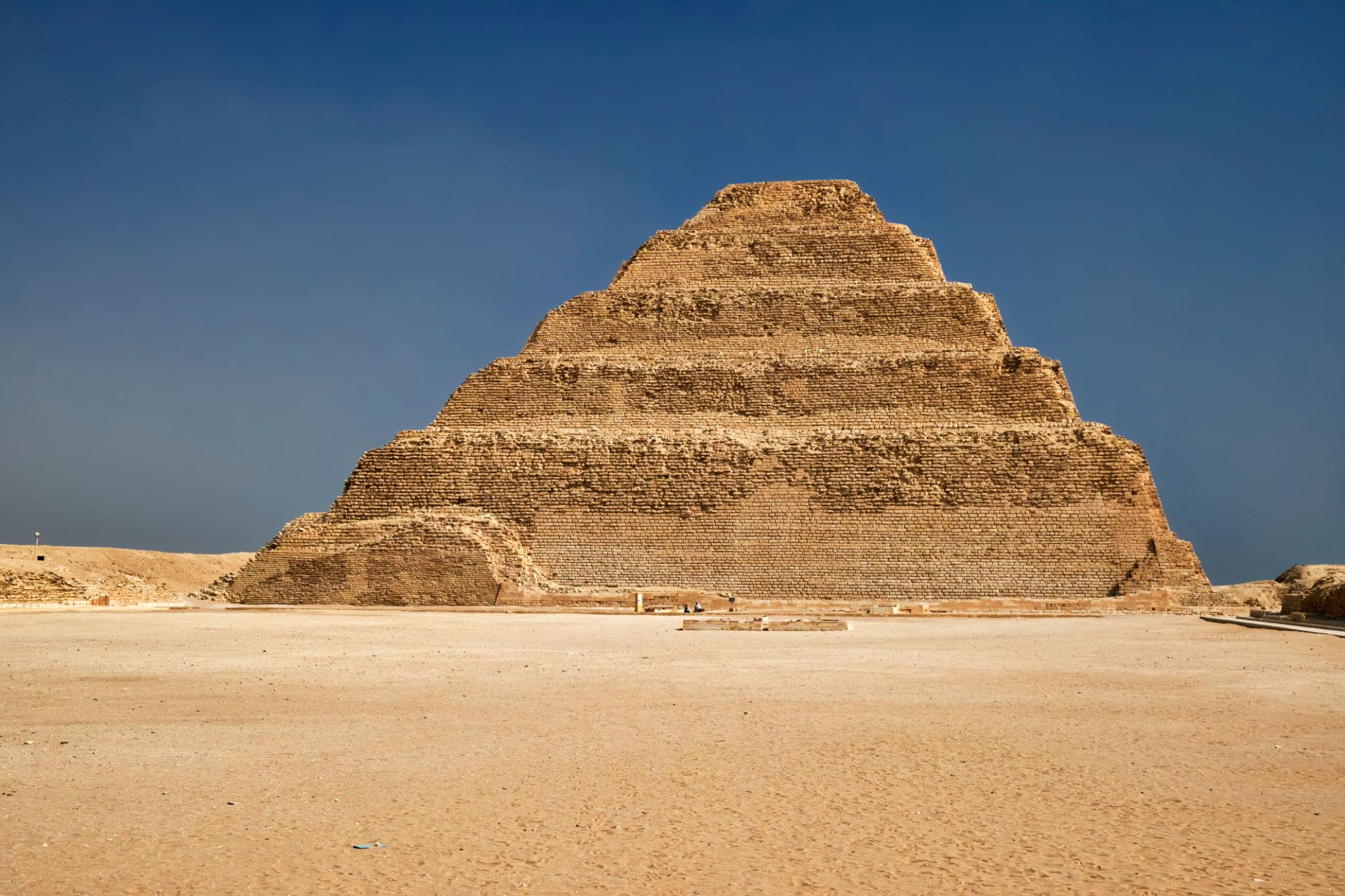
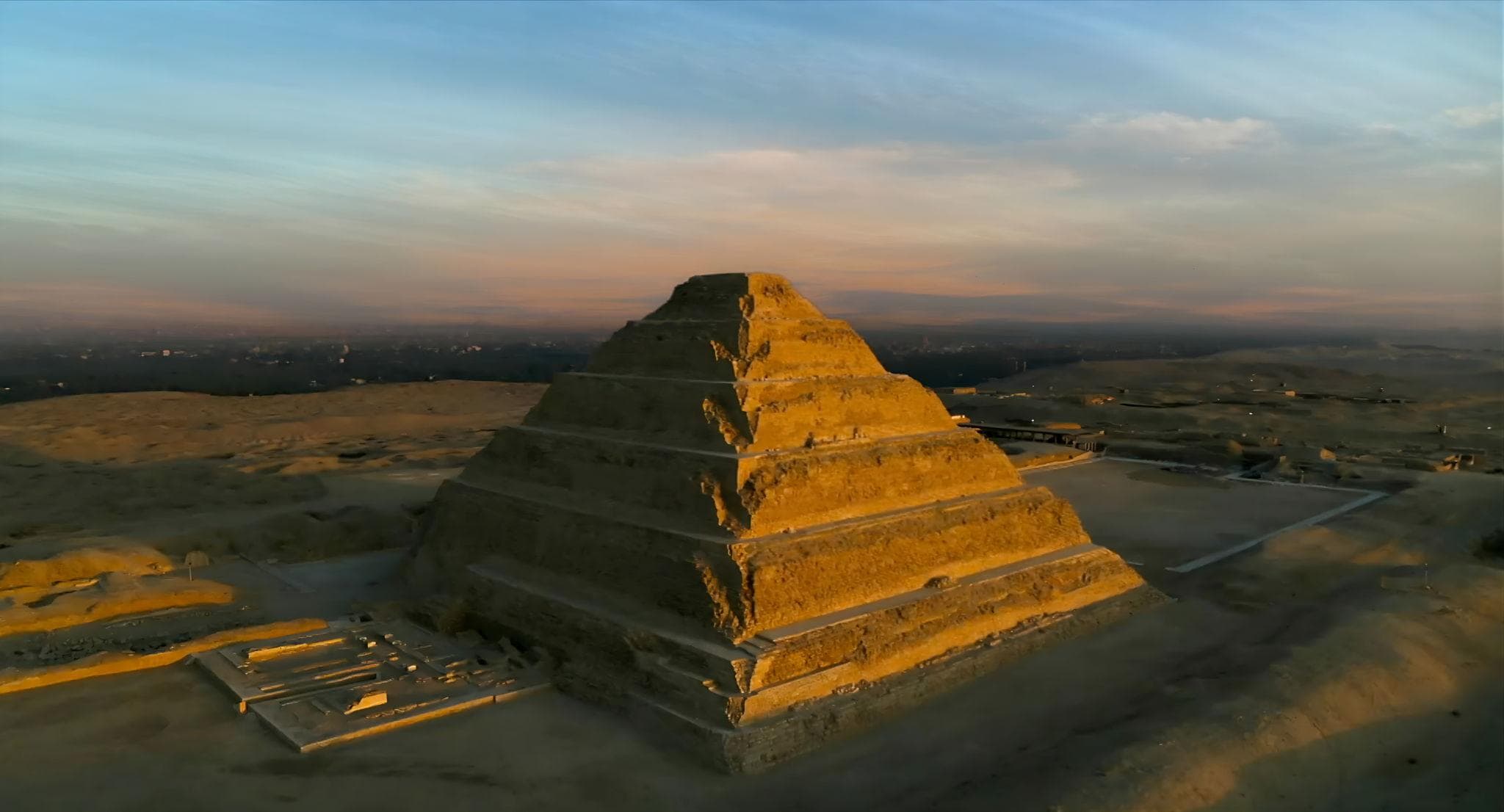
The Step Pyramid of Djoser at Saqqara is the earliest large-scale cut-stone construction in history. Built around 2670 BC by the legendary architect Imhotep for Pharaoh Djoser, it marked a revolutionary leap from flat-topped mastaba tombs to the towering pyramid form that would define ancient Egypt. The six-tiered structure rises 62 meters and sits within a vast funerary complex surrounded by a 10.5-meter-high limestone enclosure wall. After a 14-year restoration, the interior passages and burial chambers were reopened to visitors in 2020.

Why Visit

The world's first pyramid and oldest monumental stone structure
Designed by Imhotep — history's first named architect
Far fewer crowds than Giza with an equally profound sense of history

What to See

The Step Pyramid
Six stacked mastabas rising to 62 meters in a design that revolutionized Egyptian architecture — transforming the flat-roofed tomb into a towering monument reaching toward the heavens. Imhotep originally designed a traditional mastaba for Pharaoh Djoser, then expanded it five times, each time adding another layer until the iconic stepped profile emerged. After a painstaking 14-year restoration completed in 2020, visitors can now descend through the narrow underground passages to see the spectacular blue faience-tiled chambers deep beneath the pyramid — thousands of small glazed tiles arranged in patterns imitating reed-mat walls, their turquoise color still vivid after 4,700 years. The underground complex extends over 5.7 kilometers of tunnels and chambers, making it far more elaborate than the visible superstructure suggests.
Funerary Complex
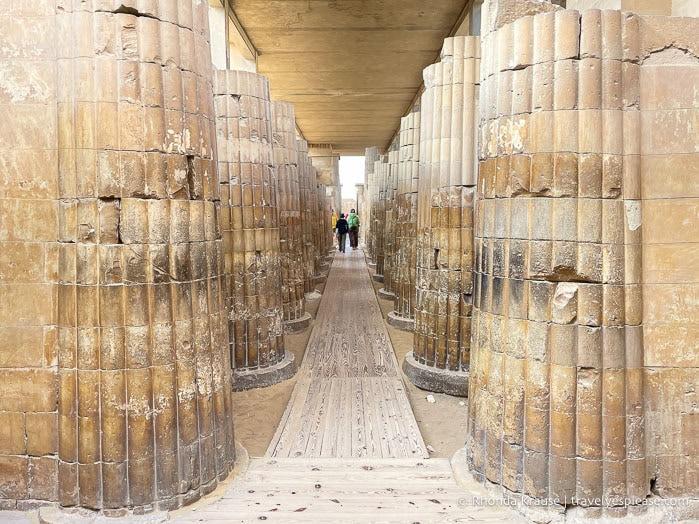
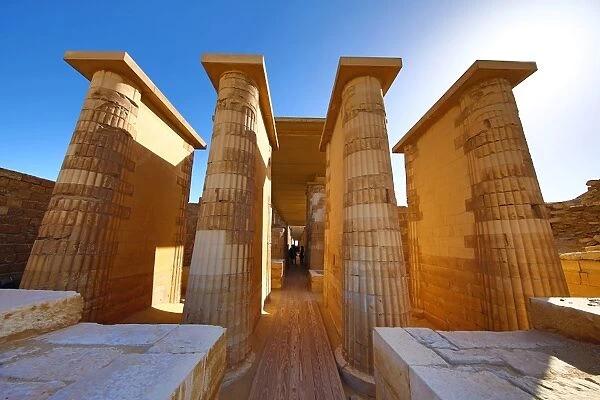
A vast limestone enclosure stretching over 15 hectares, surrounded by a 10.5-meter-high wall with elaborate niched facades imitating the palace of the living pharaoh. The Heb-Sed court — where the pharaoh's rejuvenation festival was symbolically re-enacted for eternity — features rows of elegant shrine facades with curved roofs carved in stone to imitate reed and timber originals. The ribbed columns flanking the entrance colonnade are the oldest stone columns in the world, their fluted design predating the Greek Doric order by over two thousand years. Many of the structures here are 'dummy' buildings — solid stone facades with no interior rooms, built purely for the pharaoh's spirit to use in the afterlife, a concept that gives the entire complex an otherworldly, stage-set quality.
Tomb of Mereruka
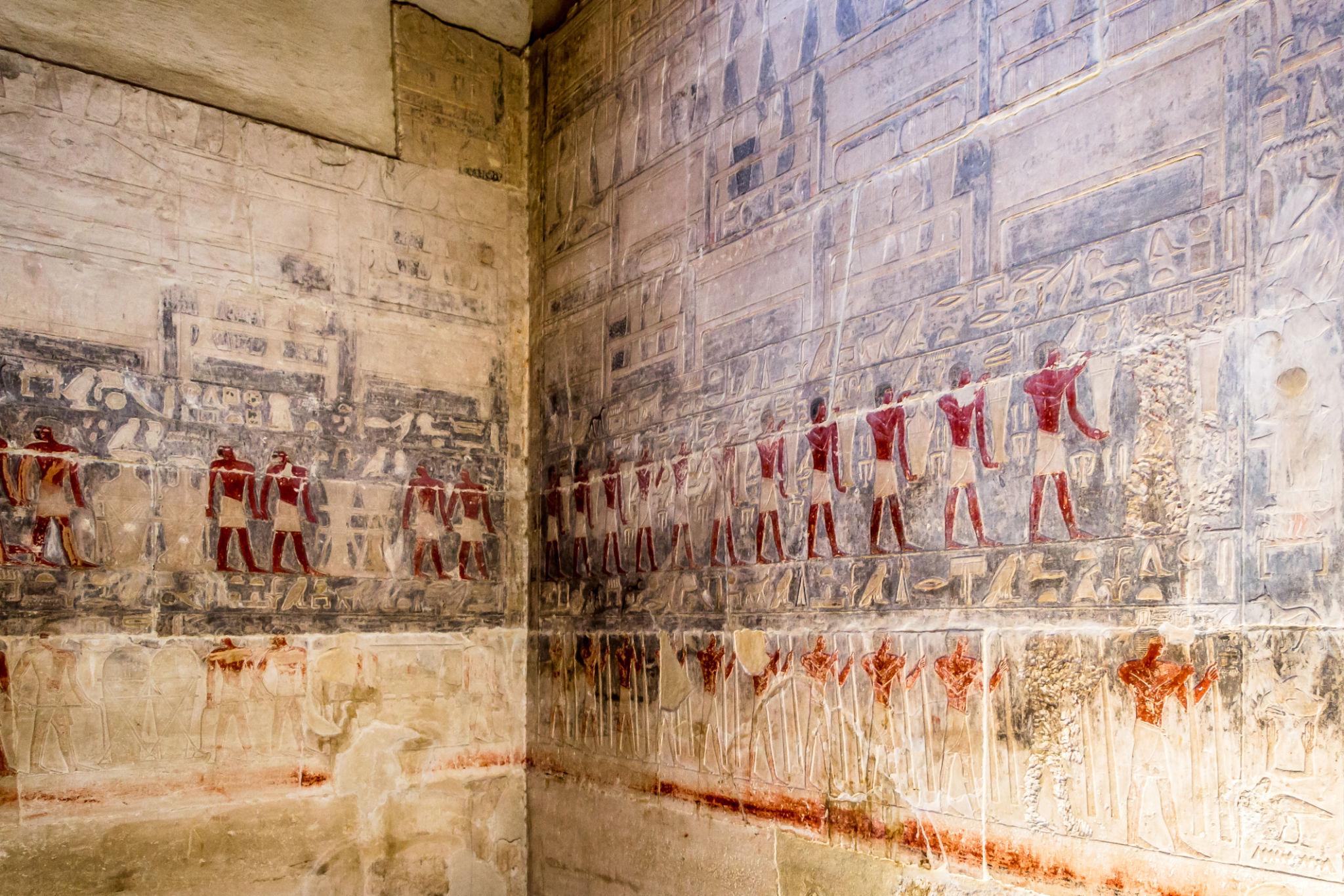
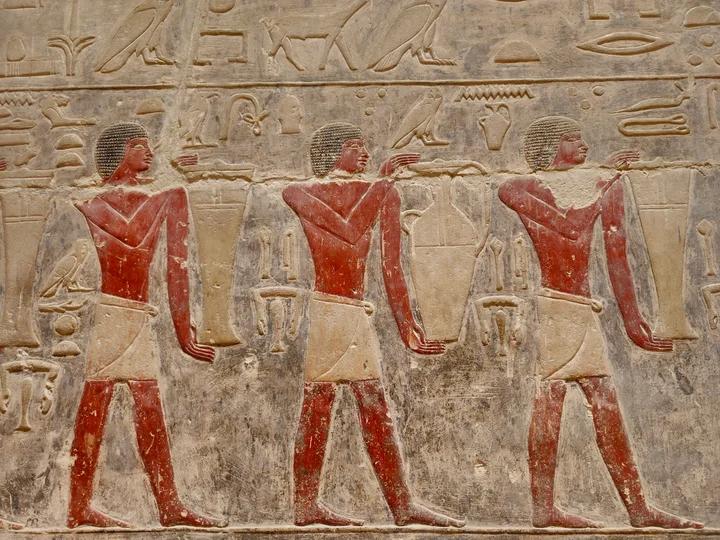
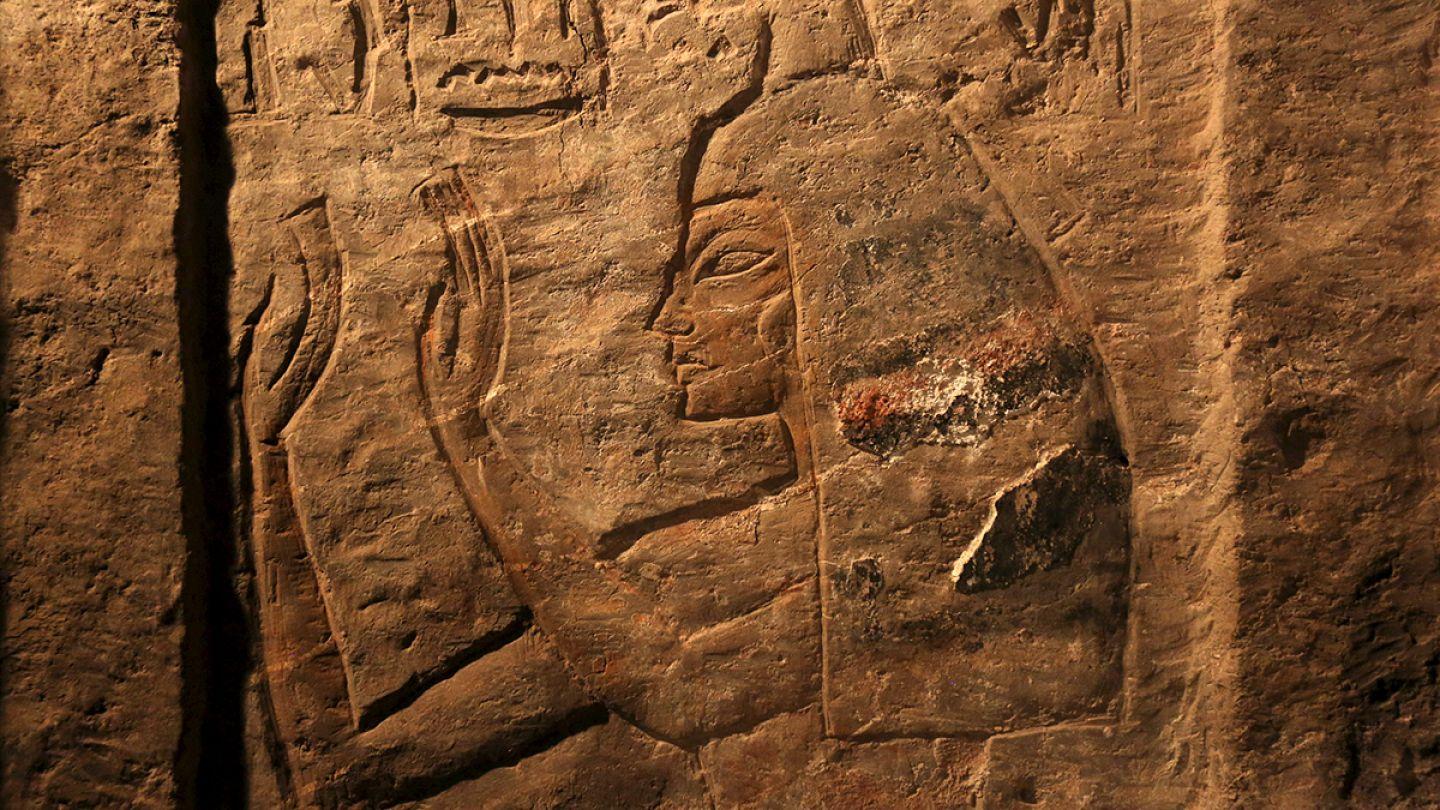
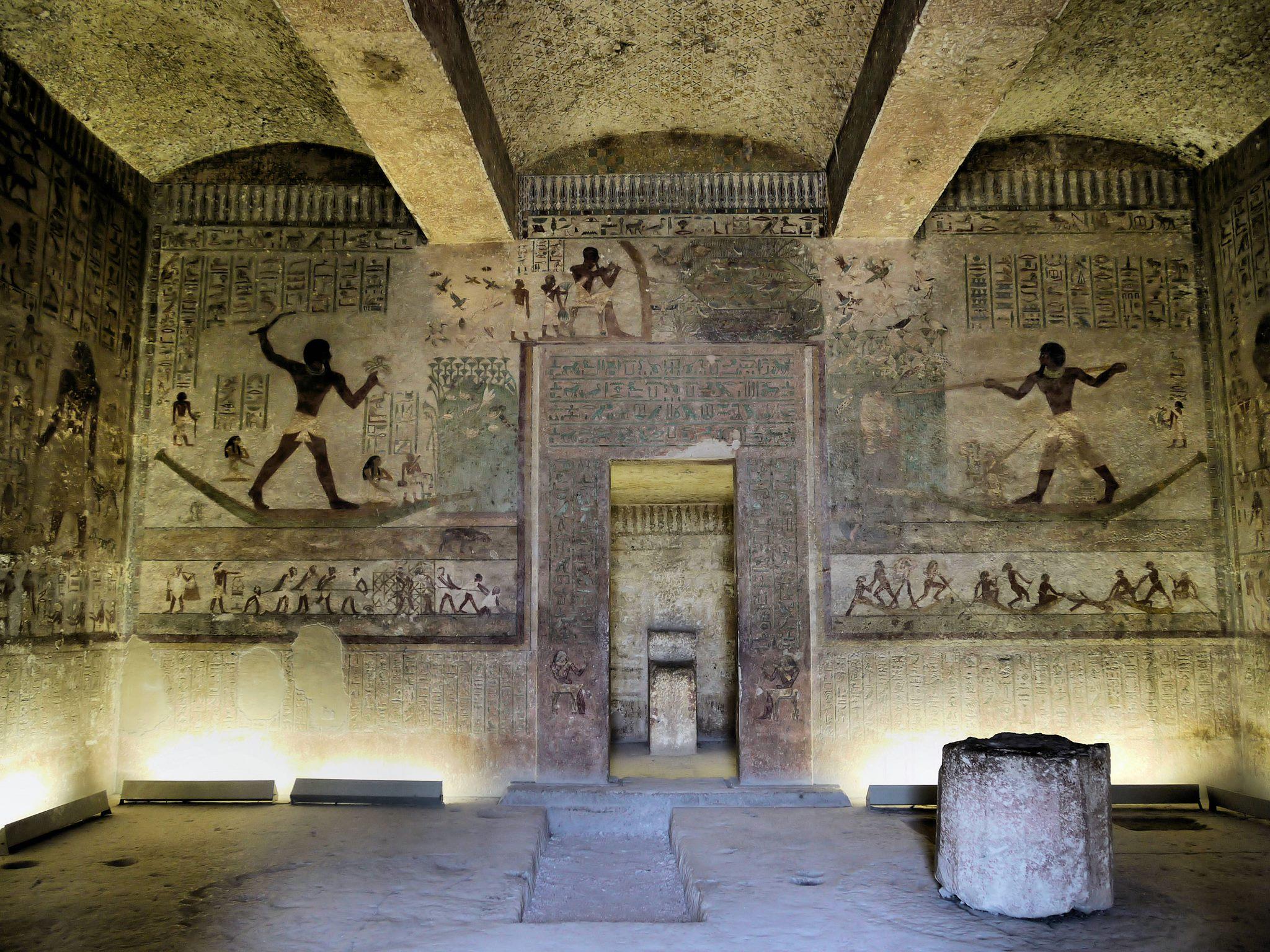
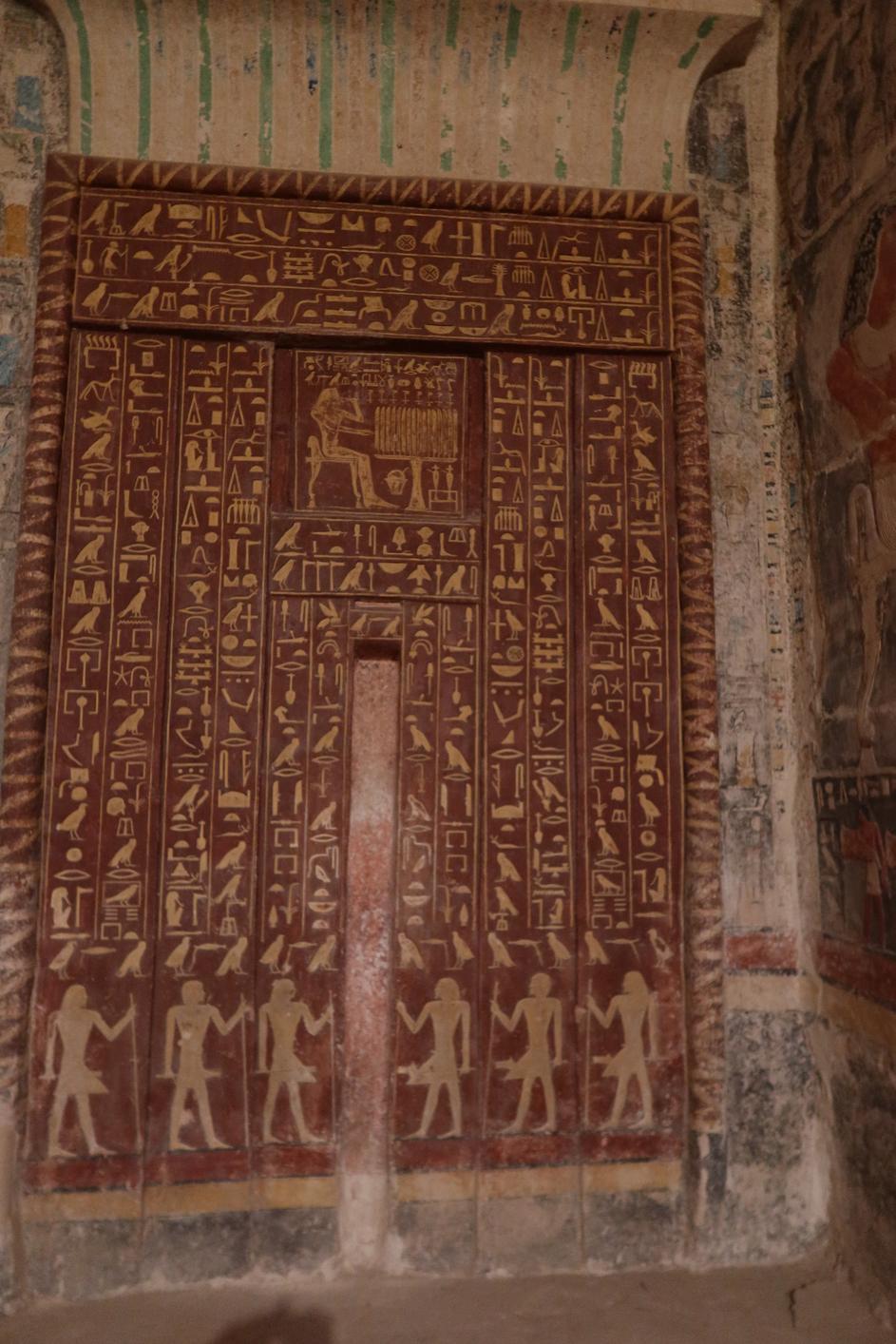
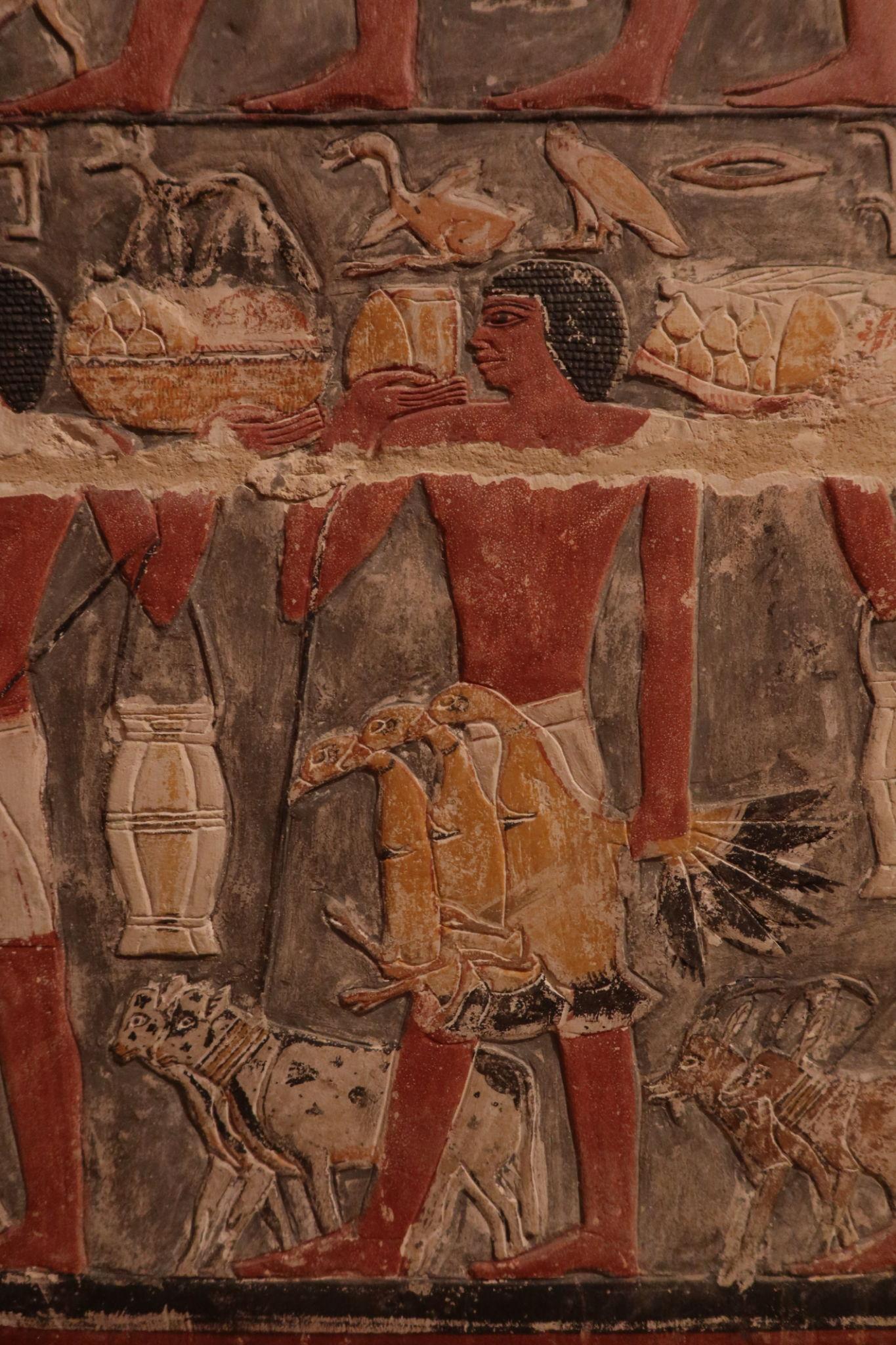
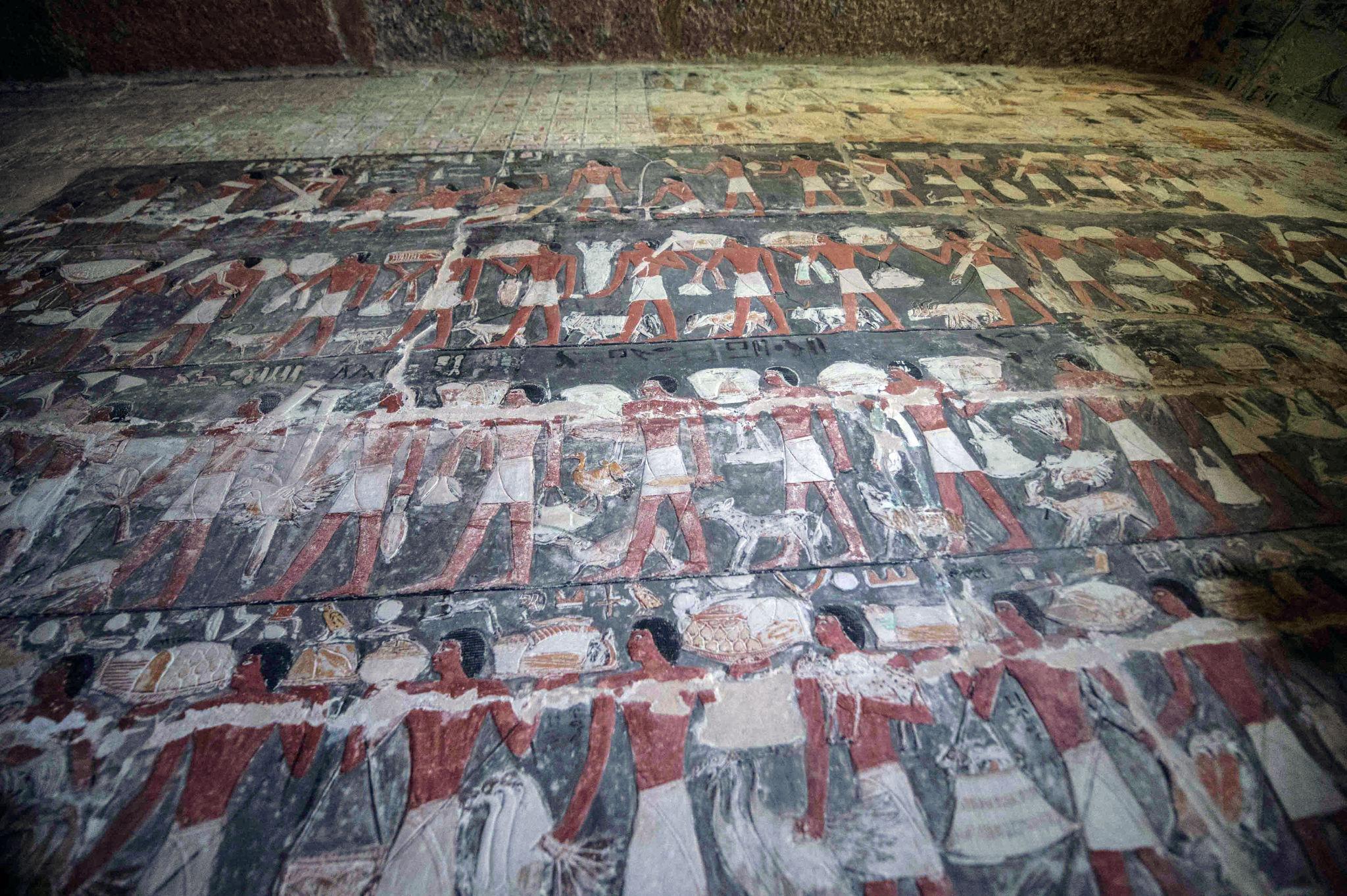
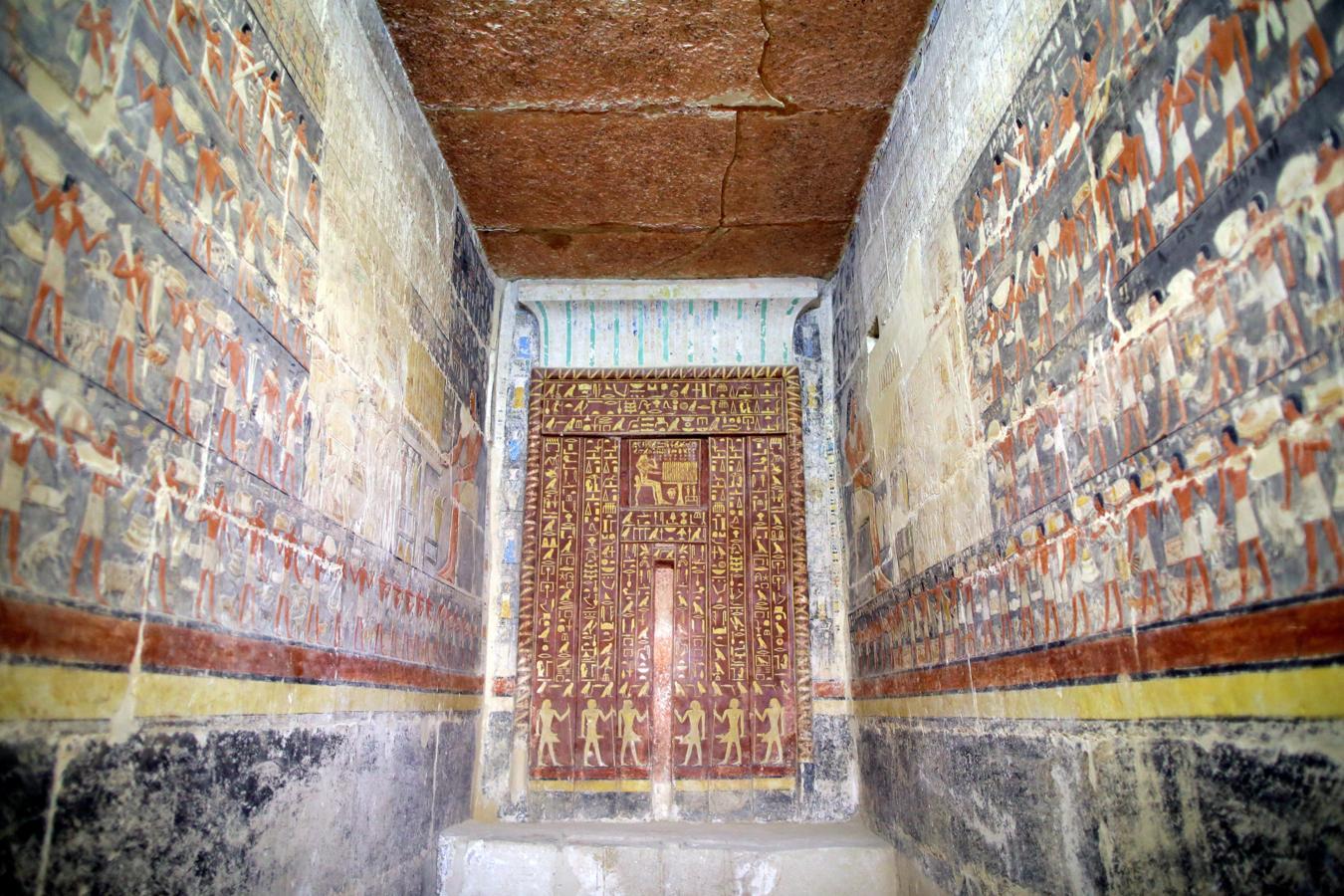
The largest Old Kingdom mastaba tomb at Saqqara, with 33 beautifully decorated chambers that form a sprawling underground mansion for the afterlife. The vivid painted reliefs depict an extraordinary panorama of daily life 4,300 years ago — hippopotamus hunts in papyrus marshes, fishermen hauling nets from the Nile, jewelers and metalworkers at their craft, and scribes tallying harvests. The main hall features a life-size painted statue of Mereruka himself stepping out of a false door, so realistic it can startle visitors rounding the corner. The tomb's sheer scale reflects Mereruka's importance — he was vizier to Pharaoh Teti and married to the king's daughter, making this one of the most privileged burial sites outside the royal pyramids.

Historical Details

Imhotep's Revolution
Before Imhotep, pharaohs were buried in flat-topped mud-brick mastabas that barely rose above the desert surface. Imhotep's genius was to stack six progressively smaller mastabas on top of each other, creating the first pyramid and establishing stone as the material of royal eternity. The innovation was not just architectural but philosophical — the stepped form was believed to serve as a stairway for the pharaoh's soul to ascend to the stars. Imhotep's brilliance extended far beyond architecture; he was also a physician, priest, and sage whose reputation grew for millennia after his death. By the Late Period, some 2,000 years after he lived, he was fully deified as a god of medicine and wisdom — one of the very few commoners in Egyptian history to achieve divine status, worshipped at temples across Egypt and identified by the Greeks with their own healing god Asclepius.
The Saqqara Necropolis
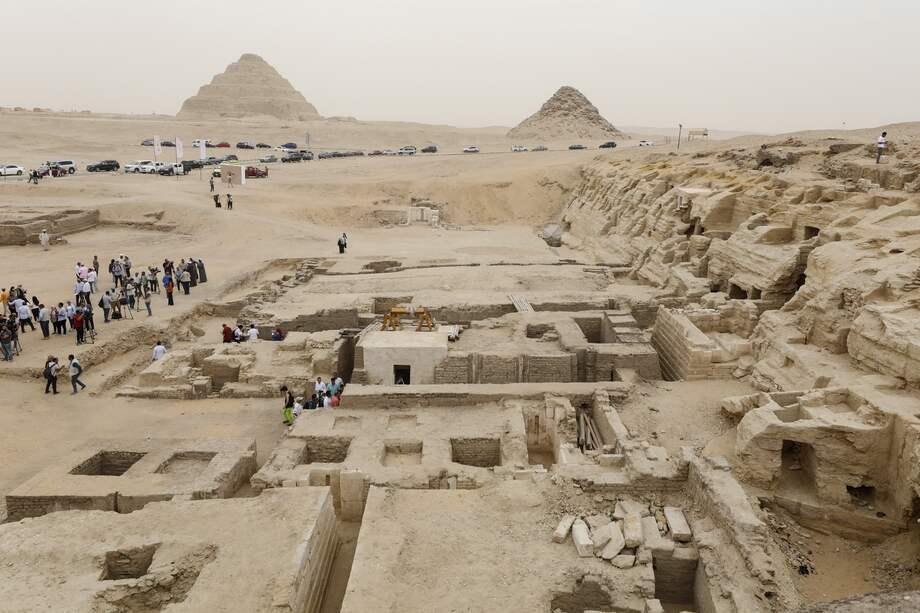
Saqqara served as the necropolis for Memphis, Egypt's first capital, for over 3,000 years — making it one of the longest continuously used burial grounds in human history. The site spans 7 km along the desert plateau overlooking the Nile Valley and contains at least 17 pyramids from the 3rd through 13th Dynasties, hundreds of decorated tombs, and the underground Serapeum where sacred Apis bulls were interred. The necropolis is layered like an archaeological palimpsest, with tombs from different eras stacked and interwoven across the plateau. New discoveries continue to be made at a remarkable pace — in 2020, over 100 sealed coffins were unearthed in perfect condition with their original vivid paint intact, and excavations in subsequent years have revealed previously unknown temples and workshops that rewrite our understanding of Old Kingdom funerary practices.

Visitor Tips

  • Combine Saqqara with a visit to Dahshur (20 minutes south) for a full day of pyramid exploration
  • Hire a guide — the site is vast and the historical context makes a huge difference
  • The Serapeum is a highlight that many visitors miss — don't skip it
  • Wear sturdy shoes — the terrain is sandy and uneven
  • Visit early morning to avoid the heat and have the site more to yourself

Related Monuments

Opening Hours

8 AM4 PM

Entry Fee

150 EGP (exterior), 300 EGP (interior)

Period

Old Kingdom, c. 2670 BC (3rd Dynasty)

Built By

Architect Imhotep for Pharaoh Djoser

Location

29.8713, 31.2164

Related Tours