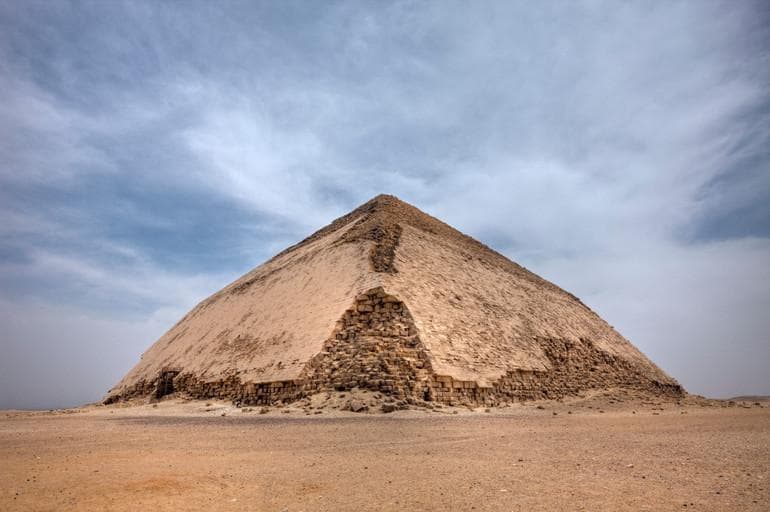
Bent Pyramid of Dahshur

A unique pyramid that changed angle midway through construction — a fascinating snapshot of ancient engineering.

8 AM4 PM100 EGP29.7903, 31.2094

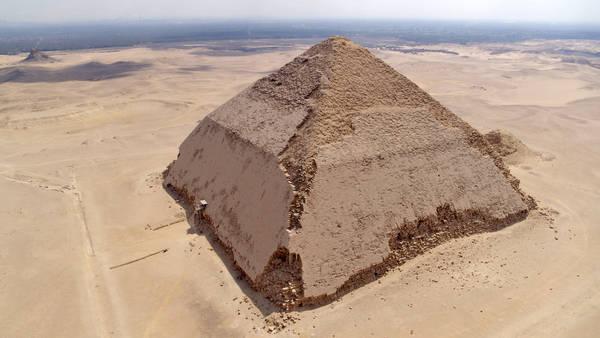
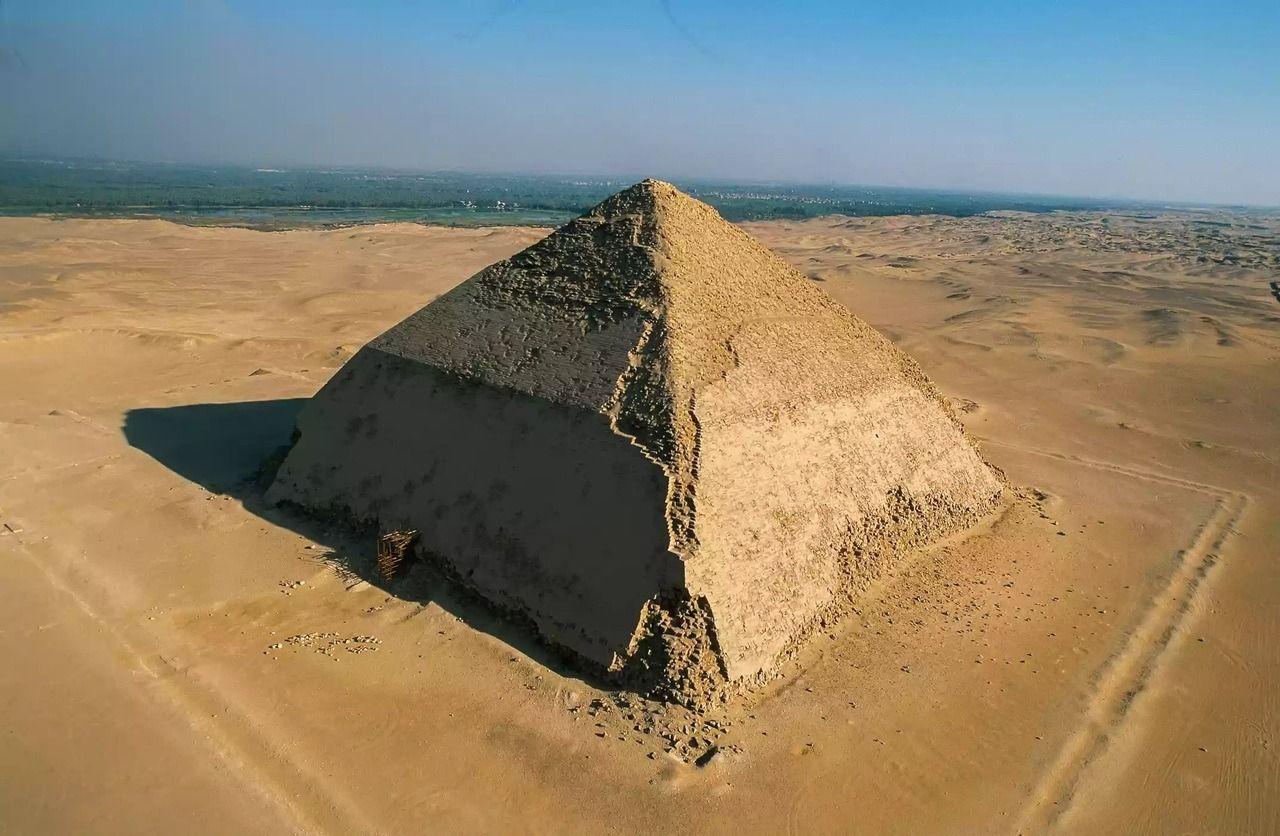
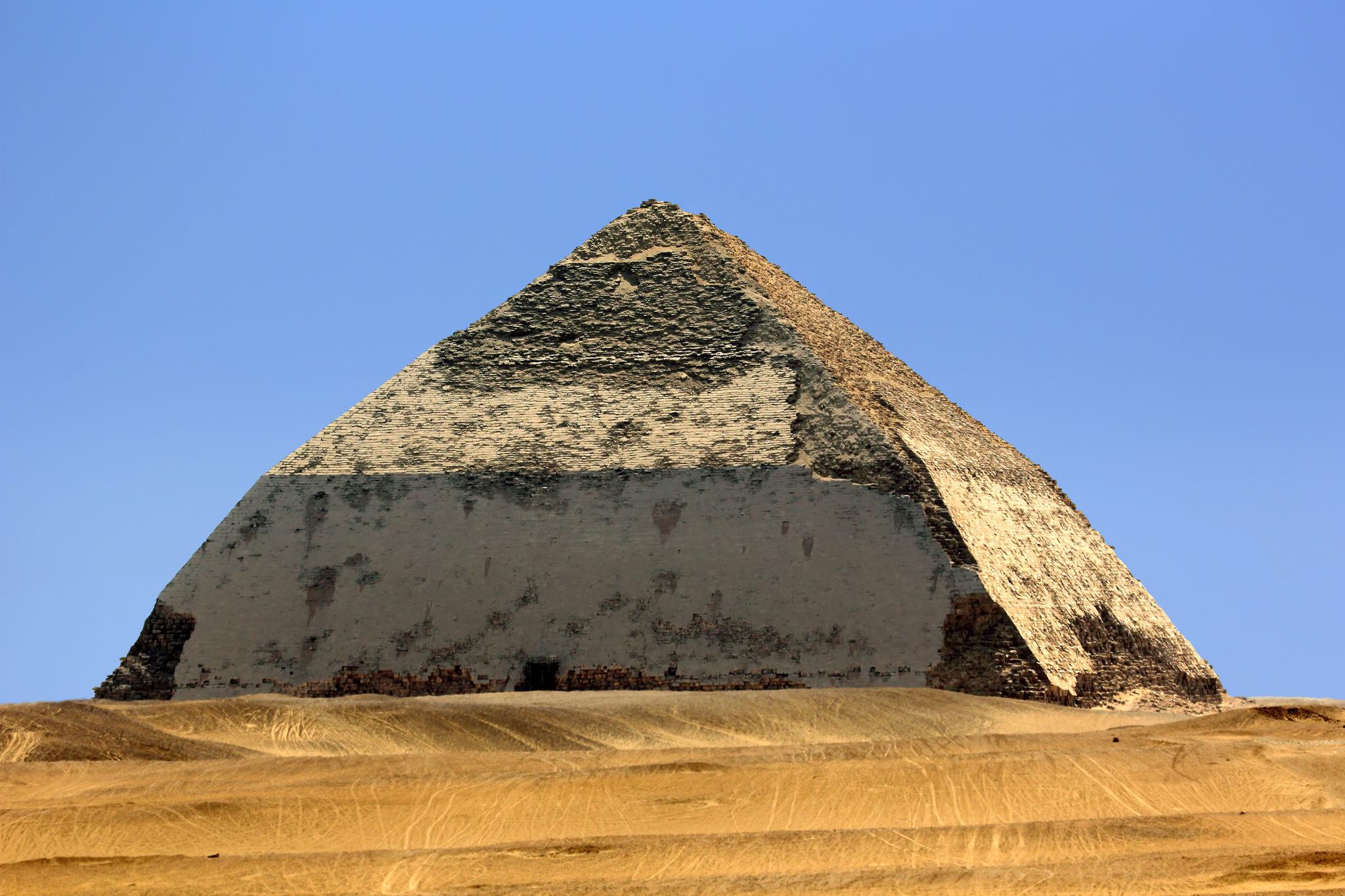
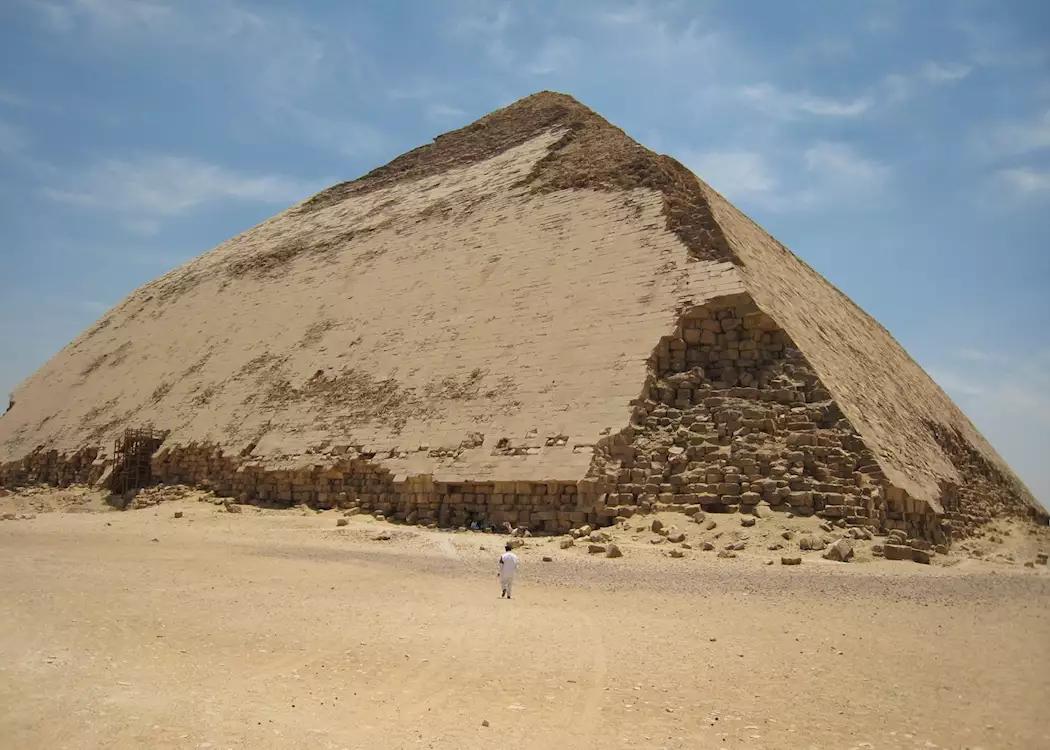
The Bent Pyramid at Dahshur is one of the most visually distinctive pyramids in Egypt. Built by Pharaoh Sneferu around 2600 BC, it uniquely changes angle partway up — starting at 54 degrees and shifting to 43 degrees about halfway, giving it its iconic bent profile. This change likely occurred when the builders realized the original angle was too steep and risked collapse. The pyramid retains much of its original Tura limestone casing, making it the best-preserved pyramid exterior in Egypt. The interior was opened to visitors in 2019 for the first time since 1965.

Why Visit

The most visually unique pyramid in Egypt with its dramatic change in angle
The best-preserved original limestone casing of any Egyptian pyramid
Almost no crowds — experience a pyramid in peaceful solitude

What to See

The Bent Profile
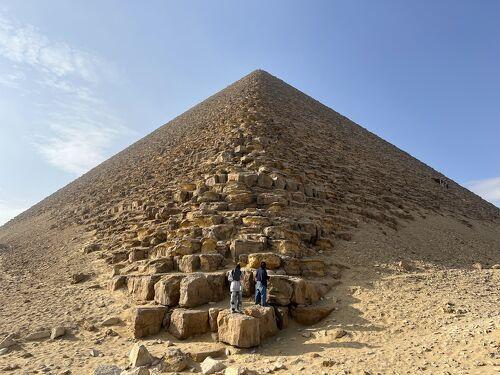
The pyramid's lower section rises at a bold 54 degrees before abruptly shifting to a gentler 43 degrees at the 49-meter mark, creating the distinctive 'bent' silhouette visible from kilometers across the desert. This dramatic change in angle is a frozen moment of ancient engineering crisis management — you can literally see where the builders realized their original design was failing and pivoted to save the structure. Standing at the base and looking up, the transition point is strikingly clear, and the effect is strangely beautiful — a geometric honesty that the later 'perfect' pyramids lack. The pyramid originally stood about 101 meters tall, making it one of the largest structures of its era, and its dual-angle profile has made it an enduring subject of architectural study and debate for over a century.
Original Casing Stones
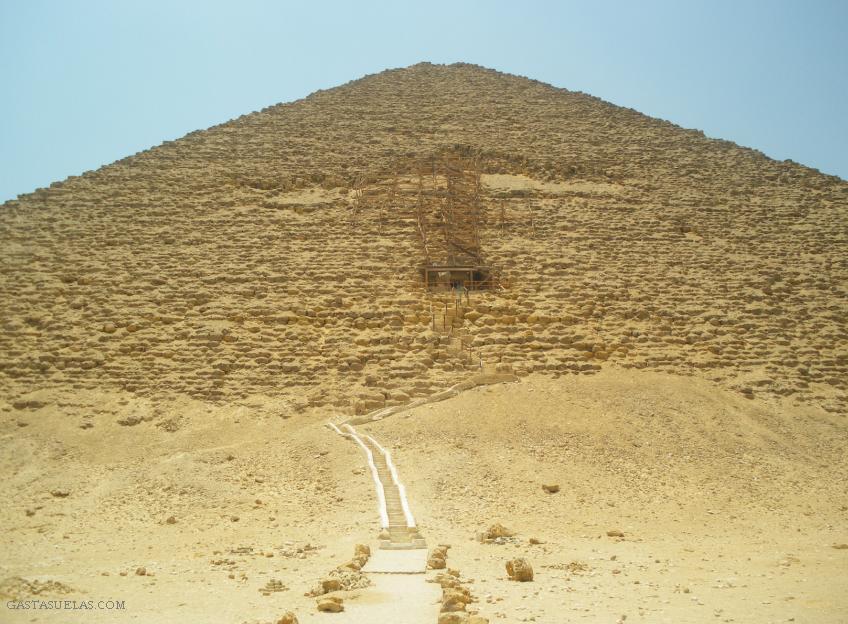
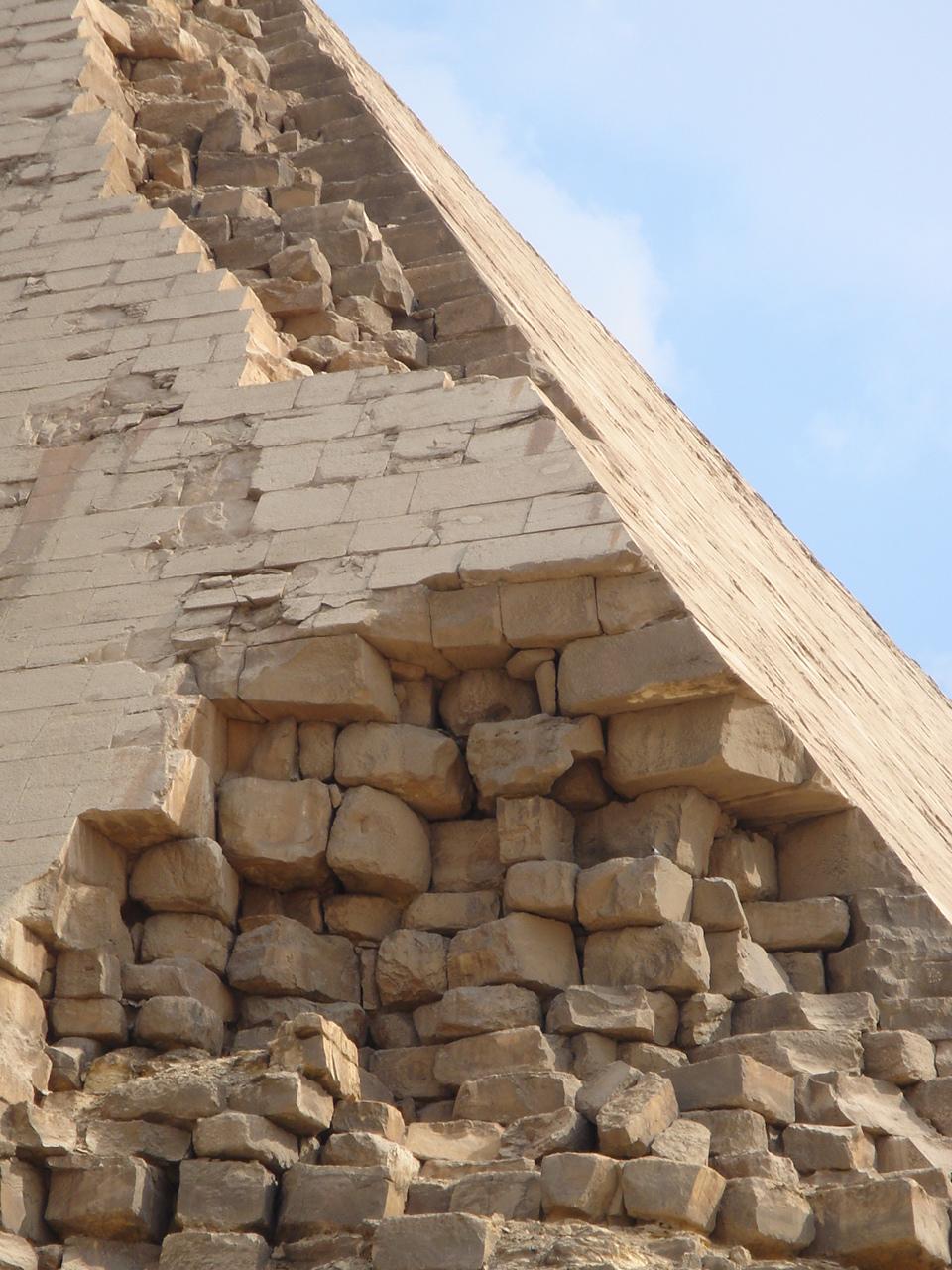
Unlike most pyramids that have been stripped of their fine outer casing over millennia — repurposed by medieval builders for mosques and fortifications — the Bent Pyramid retains much of its smooth Tura limestone surface, particularly on the upper section. This gives visitors an extraordinarily rare glimpse of how all Egyptian pyramids once appeared: gleaming white and almost luminous in the desert sun, their surfaces so polished they could be seen shimmering from across the Nile Valley. Up close, you can study the precise jointing of the casing blocks, fitted so tightly that a knife blade cannot be inserted between them. The preservation is so remarkable that from certain angles the Bent Pyramid looks almost newly built, making it the single best place in Egypt to understand the sheer visual impact these monuments had when they were new.
Interior Chambers
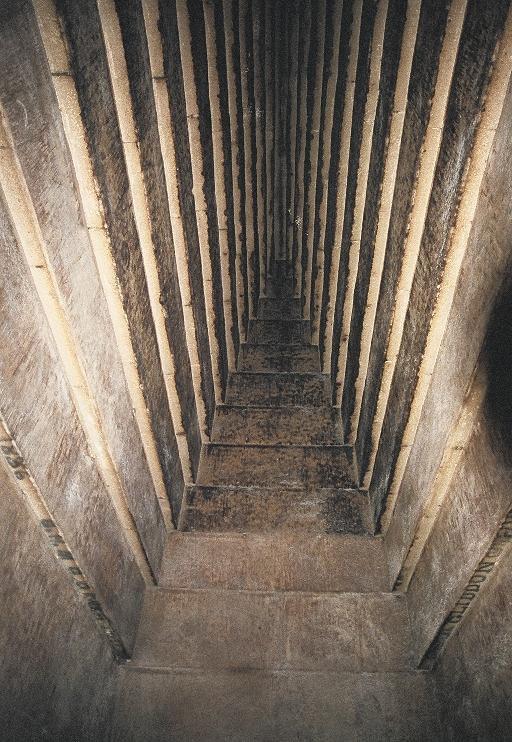
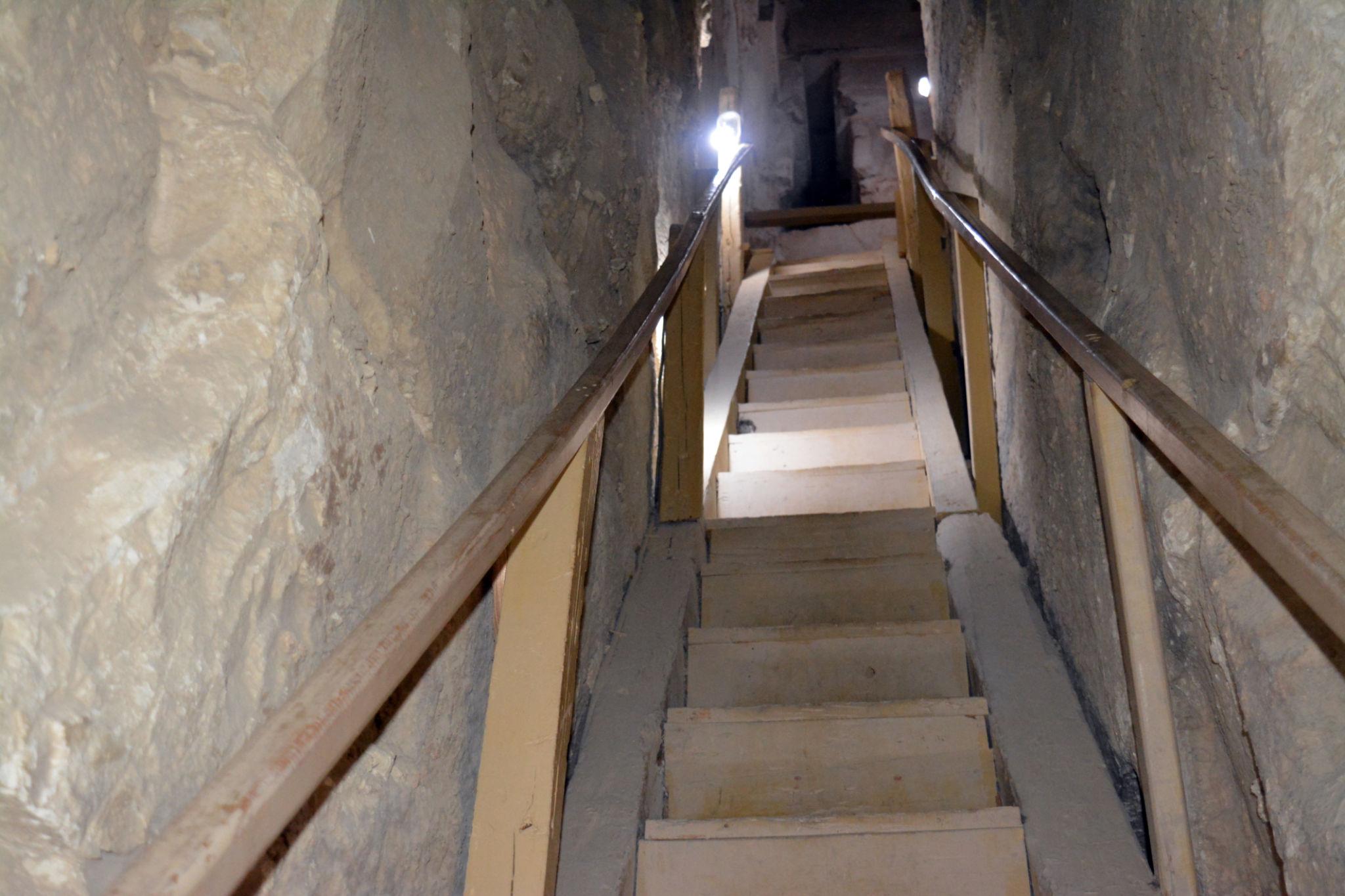
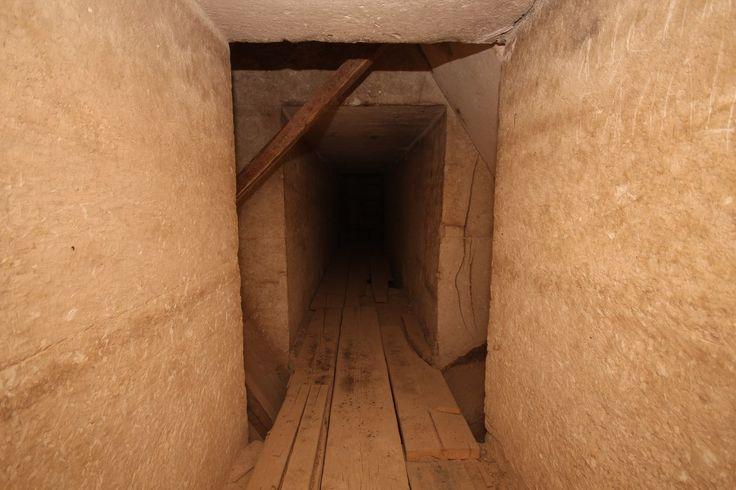
Two burial chambers are accessible via a narrow 79-meter descending passage that plunges steeply into the pyramid's core — the descent is physically demanding but thrilling, with the ancient stone pressing close on all sides. The lower chamber features an impressive corbelled ceiling rising 12 meters, its massive limestone blocks stepping inward in a technique the builders used to distribute the enormous weight above. A second, upper chamber is reached via a rough internal passage and offers a different corbelled ceiling design, showing how the engineers experimented with structural solutions. Opened to visitors in 2019 after being closed since 1965, the interior sees very few visitors, making it one of the most intimate pyramid experiences available in Egypt — you may well have the 4,600-year-old chambers entirely to yourself.
Satellite Pyramid
A smaller subsidiary pyramid stands about 55 meters to the south of the main structure, rising to roughly 26 meters and thought to be a ritual structure for the pharaoh's ka — the vital spiritual essence that the Egyptians believed needed its own dwelling place in the afterlife. This satellite pyramid also retains portions of its original Tura limestone casing, making it one of the best-preserved small pyramids in Egypt. Its interior contains a single descending passage leading to a modest chamber, though it was likely never intended for actual burial. The satellite pyramid provides a useful sense of scale — standing beside it, you appreciate just how enormous the main Bent Pyramid truly is, and photographing the two together with the desert stretching beyond makes for one of Dahshur's most compelling views.

Historical Details

Sneferu's Pyramid Program
Pharaoh Sneferu was history's most prolific pyramid builder, moving more stone than any other pharaoh — including his famous son Khufu, who built the Great Pyramid at Giza. Sneferu constructed at least three major pyramids: the Meidum Pyramid (which likely collapsed), the Bent Pyramid, and the Red Pyramid. The Bent Pyramid was his second attempt, and it represents a critical middle chapter in the story of pyramid evolution — the point where Egyptian engineers were pushing the limits of what stone construction could achieve and learning hard lessons from structural failure. The engineering insights gained here — particularly about the relationship between angle, foundation stability, and internal stress distribution — led directly to the triumphant Red Pyramid nearby, Egypt's first true smooth-sided pyramid, and ultimately to the Great Pyramid itself just one generation later.
Why the Bend?
The reason for the dramatic mid-construction angle change has been debated by scholars for over a century, and several compelling theories exist. The most widely accepted explanation is that cracks began appearing in the internal chambers and passages at the original steep 54-degree angle, forcing the builders to reduce the slope to prevent catastrophic collapse. Supporting this theory, visible repair work and cedar-beam reinforcements have been found inside the pyramid's chambers. An alternative hypothesis suggests that news of the partial or total collapse of the Meidum Pyramid — Sneferu's first attempt, located 60 km to the south — reached the Bent Pyramid's builders while construction was underway, prompting an urgent reassessment of the design. Some scholars have also proposed a more pragmatic explanation: that Sneferu's declining health meant the builders needed to finish quickly, and reducing the angle allowed them to complete the pyramid with significantly less stone and labor.

Visitor Tips

  • Dahshur is just 20 minutes south of Saqqara — combine both in a day trip from Cairo
  • The interior passage is narrow and steep — not recommended for those with claustrophobia
  • There are virtually no vendors or crowds here — bring your own water and snacks
  • The best photos are from the approach road where the full bent profile is visible

Related Monuments

Opening Hours

8 AM4 PM

Entry Fee

100 EGP

Period

Old Kingdom, c. 2600 BC (4th Dynasty)

Built By

Pharaoh Sneferu

Location

29.7903, 31.2094

Related Tours