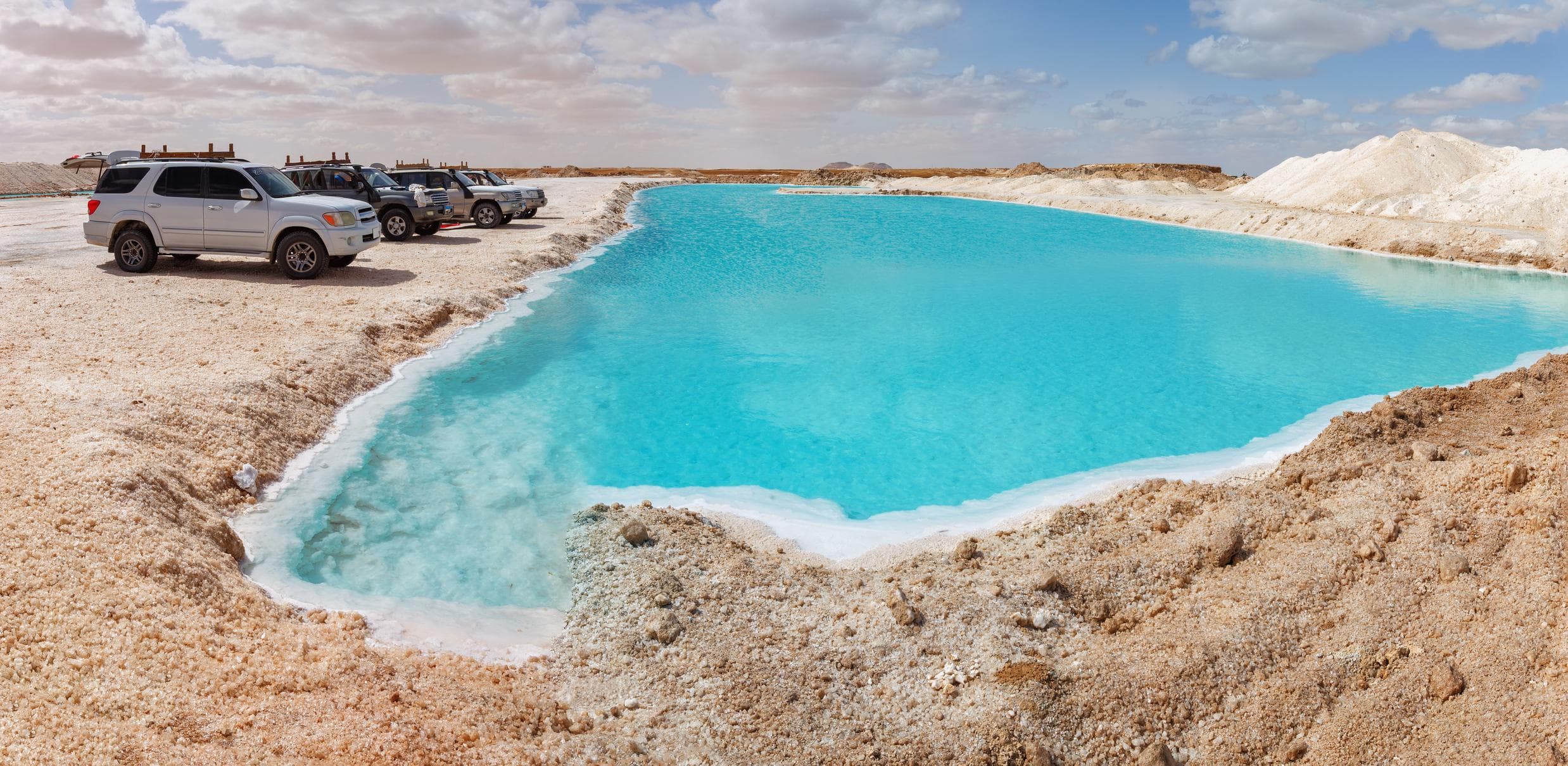
Float on your back in a salt pan west of Siwa town and the water pushes you up hard enough that tucking your legs under takes effort. The surface is a flat chemical turquoise, the rim a white crust that crunches underfoot and opens cuts on bare heels. Ten metres away the ground is dry sand.
The Western Desert gets almost no rain: Siwa averages around 9 mm a year, Bahariya around 4 mm. Every pool out here is either fossil groundwater forced up under its own pressure, or agricultural drainage with nowhere else to go. Knowing which is which tells you what a pool will feel like, what it will smell like, and whether it justifies the detour.
This guide covers the water you can actually swim in: the hypersaline pans around Siwa Oasis, the spring pools in its palm gardens, the sulphur wells of Bahariya and Farafra, and the engineered lakes of Fayoum.
At a Glance
Best months: October to April; November to March for the hot springs, when a 40°C (104°F) soak makes sense
Siwa from Cairo: roughly 750 to 800 km by road, 8 to 10 hours
Bahariya from Cairo: about 370 km, 4 to 5 hours
Fayoum from Cairo: about 80 to 110 km, 1.5 to 2 hours
Water source: the Nubian Sandstone Aquifer System, fossil water recharged tens of thousands of years ago
Temperatures: around 29 to 30°C (84 to 86°F) at Siwa's bathing pools; 40°C (104°F) and above at many Bahariya and Farafra wells
Costs: most springs are free or a small local charge; Wadi El Rayan protected area runs roughly 450 to 600 EGP (about 9 to 12 USD) as of 2026
Permits: required in advance for Bahariya, Farafra, the White Desert and Black Desert, and for the Great Sand Sea border zone
Bring: flip-flops, a towel you do not care about, and fresh water for rinsing
Where the Water Actually Comes From
Almost all of it comes from one place. The Nubian Sandstone Aquifer System underlies more than two million square kilometres of Egypt, Libya, Sudan and Chad and holds an estimated 150,000 cubic kilometres of groundwater, the largest known fossil water reserve on the planet. Isotope studies point to two main recharge episodes, one roughly 38,000 years ago and an older one around 361,000 years ago. The rain filling your bathing pool at Bir el-Ghaba fell when the Sahara was grassland, and present-day recharge is negligible.
Where a depression cuts close to the water table, the aquifer pushes water up unaided. Siwa lies roughly 18 to 20 metres below sea level, depending where you measure, and holds about 200 natural springs. The water surfaces fresh to slightly brackish, generally 240 to 1,300 parts per million dissolved solids, and turns salty only afterwards, evaporating for years in a basin with no outlet.
Siwa's Salt Lakes and Why You Float
Siwa's two large salt lakes are the visual signature of the oasis: pale sheets that turn pink and copper at sunset. Their salinity is not a natural constant. They are sustained partly by drainage off the palm and olive gardens, concentrating in a basin with no river to carry anything away.
The pools most visitors swim in are the smaller, startlingly blue basins on the western edge rather than the open lakes. Accounts of their origin differ: some are described as natural salt pans, others as basins left by the local salt-extraction industry and since filled with hypersaline groundwater. Guides will tell you both, sometimes about the same pool. The effect is not in doubt: floating is effortless in the way the Dead Sea is famous for, though nothing published puts Siwa's pools at the Dead Sea's 34 per cent salinity, so treat that comparison as impressionistic.
The pools are shallow and the bottom is hard salt crystal. Access is free or a small charge collected informally at the roadside; nothing here is ticketed the way a monument is, so any price you read online is rough guidance.
Warning: How to Bathe in Hypersaline Water Safely
Water this concentrated is not the sea, and a few people ruin an afternoon learning that.
- Do not put your face in and do not splash. Salt at this strength in the eyes is genuinely painful and takes minutes of flushing to settle.
- Shave the day before, not the morning of. Any nick, bite or blister will announce itself immediately.
- Do not swallow it. Hypersaline water is an emetic and, in quantity, a real physiological hazard.
- Wear flip-flops in and out. The salt crust forms sharp ridges that cut skin easily.
- Keep the soak to twenty minutes and rinse afterwards. Bring your own fresh water; there is rarely a shower.
Cleopatra's Spring, Fatnas Island and the Pools Around Siwa Town
Cleopatra's Spring, known locally as Ain Juba, is the one everybody photographs: a circular stone basin about 900 metres from the ruined Temple of Umm Ubayda, fed from below and fizzing gently with gas. It sits at around 29°C (84°F), pleasant rather than hot, and it is free, with a café beside it. The name is decoration; there is no evidence the queen came here.
Fatnas Island, 6 km west of town, is the sunset spot. It was a genuine island until the lake silted up around it, and the causeway now runs through reeds and palm to a spring and the classic view west across the water. The insects at dusk are persistent, and the spring is sulphurous enough that some people take one sniff and stay on the bank.
Beyond these two the oasis holds roughly two hundred springs, and the outlying ones, Abu Shuruf, Ain Qurayshat and Ez-Zeitun, see almost no visitors. Hiring a bicycle or a donkey cart and riding out to find them beats a second lap of the fortress, which is why our three-day Siwa itinerary leaves room for it.
Bir Wahed and the Springs of the Great Sand Sea
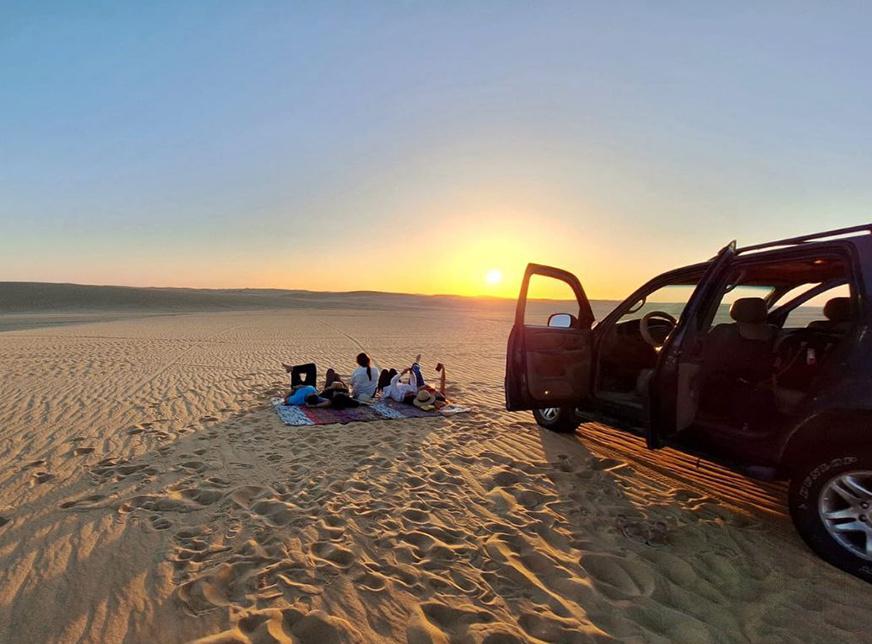
About 15 km southwest of Siwa town, past the last cultivation, sits Bir Wahed, Well Number One. A hot spring feeds a circular pool at roughly 30°C (86°F) at the foot of a dune, and a short walk away lies a cold freshwater lake ringed with reeds. Doing both within ten minutes, in one of the largest dune fields on earth, is the best sequence in Siwa.
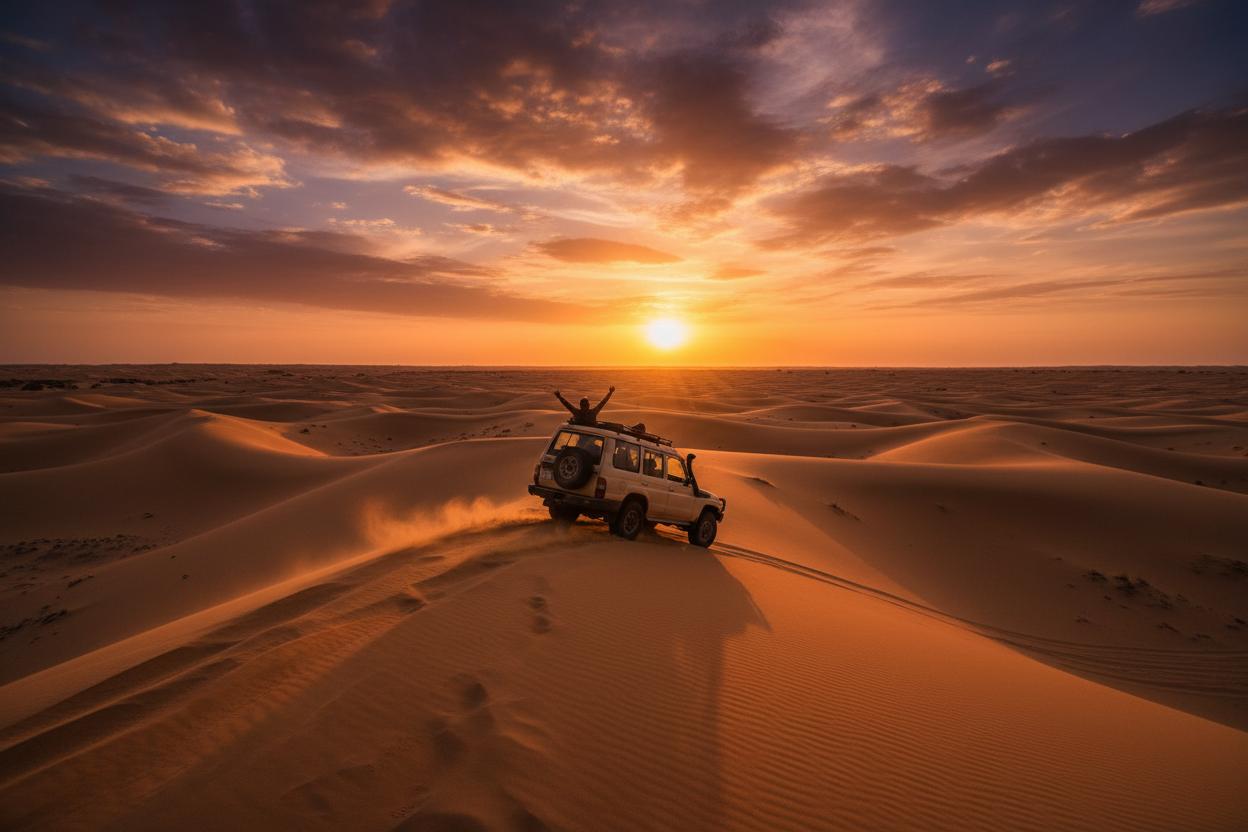
It is not somewhere you drive yourself: Bir Wahed sits inside the controlled border zone of the Great Sand Sea, and access requires an authorised local driver. The standard sunset safari including it runs roughly 700 to 1,200 EGP (about 15 to 25 USD) per person as of 2026. Our overnight Siwa desert safari covers this ground; for the expedition version, see our guide to travelling into the Great Sand Sea.
Gebel Dakrour, a reddish hill 4 km southeast of town, offers something else again: burial up to the neck in hot sand for twenty minutes, a folk treatment for rheumatic complaints practised through the hottest weeks of summer. It has a local season rather than opening hours, so ask before turning up.
Bahariya's Hot Wells
Bahariya is the practical choice if you want hot water rather than salt water. Springs surface across the 94 km by 42 km depression at 40°C (104°F) and above, heavily mineralised. Counting outward from El Bawiti: Bir Ramla at about 2 km, Bir en-Naqba at 3 km, the sulphurous Bir el-Mattar at around 7 km, and Bir el-Ghaba, the "forest spring", at roughly 11 km. Bir es-Siqam, often called the Roman spring, lies a kilometre east of Mandisha.
What surprises people is how little has been built around them. One of the most thermally active places in Egypt has essentially no spa industry: most springs are concrete tanks beside a wellhead, used by local families, with a palm grove for shade. Bir el-Ghaba is the usual visitor choice; Bir Ramla is within cycling distance but correspondingly public.
Winter is when these earn their reputation. January in Bahariya averages about 19.8°C (68°F) by day and 5.2°C (41°F) at night, so 40-degree water at dusk is transformative. In July, with a daytime average of 37.1°C (99°F), it is a strange experience at best. Most Bahariya day tours and White Desert overnight trips will fold in a spring stop if you ask in advance.
Bir Sitta and the Springs of Farafra
Farafra, a 980 square kilometre depression with roughly five thousand inhabitants, has the least visited springs of the lot. Bir Sitta, Well Six, is the one people mean: sulphurous water surfacing at about 40°C (104°F) a few kilometres out of Qasr el-Farafra, with nothing around it. It is a working agricultural well with a bathing pool attached, no changing room and no shade. Go at night, when the White Desert is 45 km up the road and the sky above the pool is as dark as anywhere you will ever bathe.
Fayoum: Lake Qarun, Wadi El Rayan and Egypt's Only Waterfalls
Fayoum works differently from the deep oases: it is fed by the Bahr Yussef, a canal about 24 km long branching from the Nile at El Lahun, rather than by artesian pressure. Lake Qarun sits 43 metres below sea level, covers roughly 202 square kilometres and is the shrunken remnant of Lake Moeris, which in prehistory covered up to 1,700 square kilometres. Cut off from the Nile from the Ptolemaic period onward, it is now saltier than the sea: the native freshwater fish are gone and the catch is mullet, sole and tilapia. Around 88 waterbird species winter here, with flamingos in some years and barely any in others.
Swimming in Lake Qarun is not the point, and the agricultural runoff feeding it is a fair argument against. Wadi El Rayan is the swimmable one. Two lakes, an upper of about 50.9 square kilometres and a lower of about 62, were created in the 1970s to take drainage water, and the channel between them produces the only waterfalls in Egypt. They are low, a few metres at most, but a cascade in the middle of the Sahara still lands as genuinely odd. The area was listed as a Ramsar wetland on 4 June 2012 and shelters slender-horned and dorcas gazelle and fennec foxes.
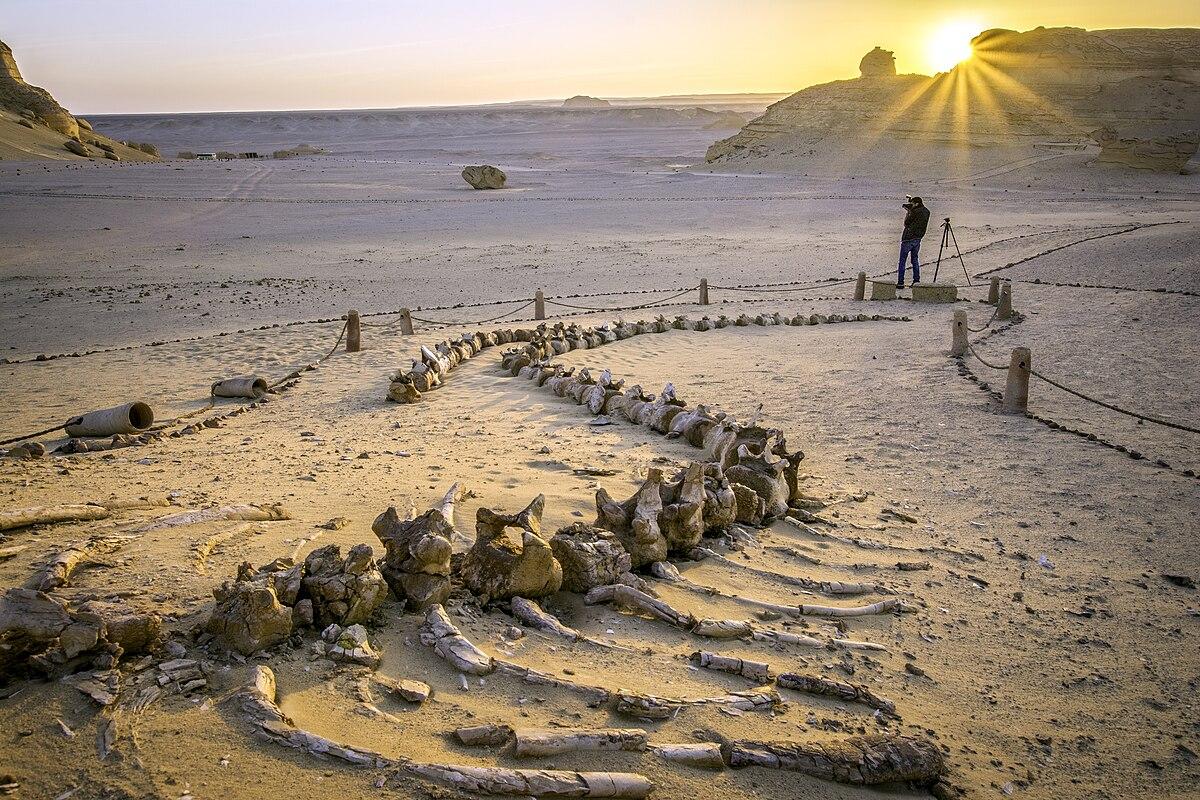
Entry runs roughly 450 to 600 EGP (about 9 to 12 USD) for foreign visitors as of 2026, with lower rates for Egyptians and students, and the same zone gives access toward Wadi Al-Hitan. A Fayoum and Wadi El-Hitan day trip covers the falls, the dunes above them and the whale fossils in one long day from Cairo.
Pro Tip: Go at Night
The best soak in the Western Desert is after dark in winter. Air temperature drops toward 5°C (41°F) in Bahariya in January while the wellhead keeps producing water at 40°C (104°F), and the contrast is the whole experience. There is no light pollution, so you lie in the steam looking straight up at the Milky Way.
Take a headtorch with a red mode, and tell your driver you want the spring stop after sunset rather than at lunchtime. Most itineraries default to the daylight version because it is simpler, not because it is better.
Bathing Etiquette, and What Women Should Expect
Siwa is among the most socially conservative places in Egypt, and the springs are community water rather than tourist facilities. Local men bathe in shorts; local women do not bathe at these pools at all, or do so in strict privacy.
For foreign women that means a swimsuit alone will draw real discomfort at any spring within reach of a village. The workable solution is leggings and a loose long-sleeved top over swimwear, which dries fast and reads as unremarkable. Early morning is the quietest window at Cleopatra's Spring, and the salt pools and Bir Wahed out in the dunes are far more relaxed than anything close to a village.
Photographing people bathing, particularly women and children, is not acceptable, and a camera pointed at a spring will be read that way. Our post on solo female travel in Egypt covers the wider context.
Good to Know: Permits, Guides and Access
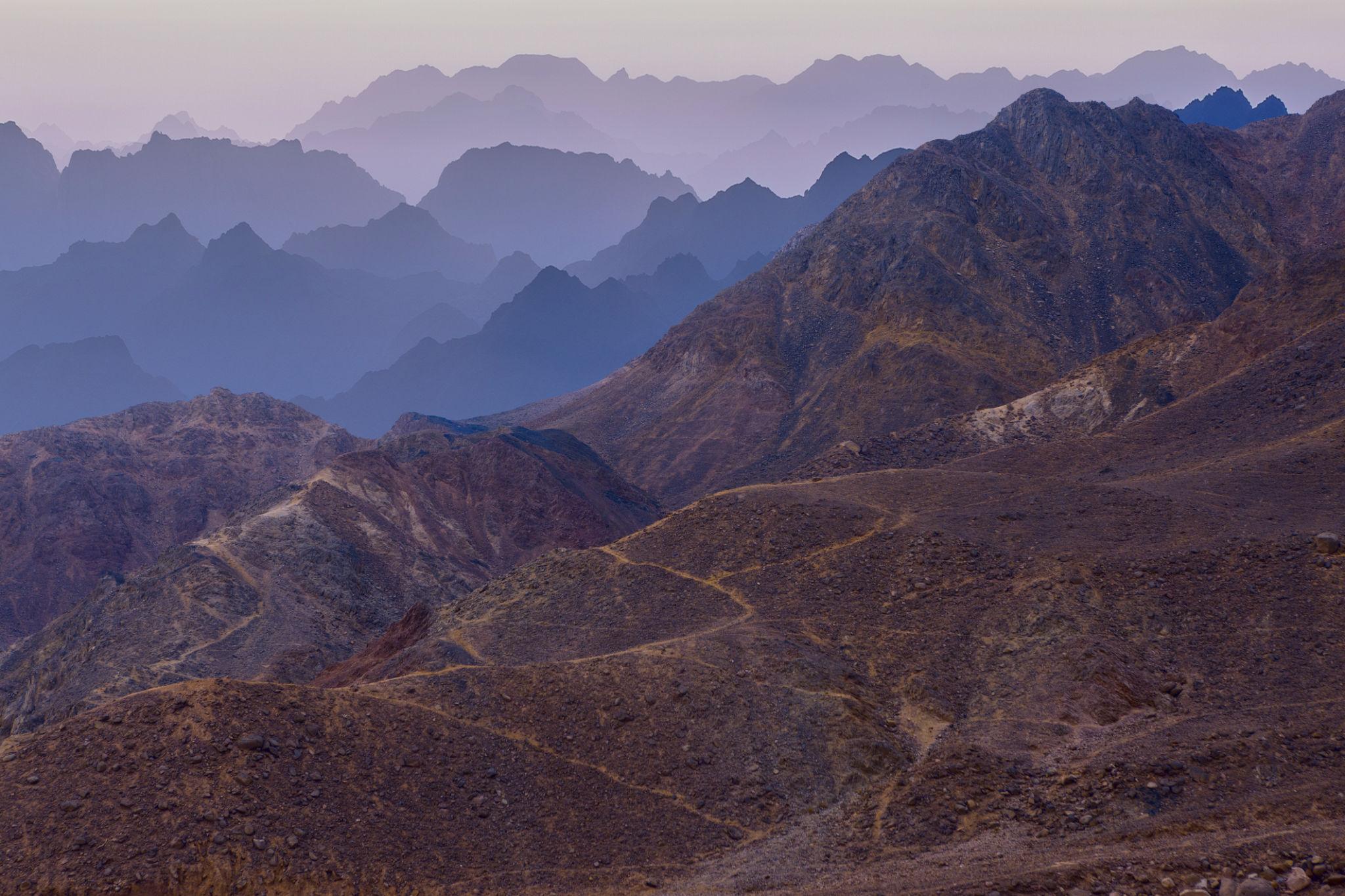
Access to the Western Desert is regulated. As of 2026 the UK Foreign Office states that tourists entering Bahariya Oasis, Farafra, the White Desert and the Black Desert must apply for permits in advance and use an official guide. It advises against all but essential travel west of the Nile Valley and Delta, with named exceptions including Siwa town, the Marsa Matruh to Siwa road, the Faiyum Governorate, and the oasis towns themselves.
All travel is advised against within 20 km of the Libyan border, and the far southwestern corner near Sudan requires a permit from the Ministry of Interior. A licensed operator handles the paperwork, but the lead time is real and same-day arrangements are often impossible. Our guide to desert permits and choosing an operator covers the process.
When to Go, and How to String It Together
October to April is the season for all of it. Siwa in January averages 19.3°C (67°F) by day and 5.6°C (42°F) at night, close to ideal for both the salt pools and the springs. June and July average 37.5°C (100°F), with a recorded high of 48.2°C (119°F); at those temperatures the salt pans stop being refreshing and the hot wells make no sense at all.
With a weekend, Fayoum gives you lakes and waterfalls inside two hours of Cairo. Four days covers Bahariya, its hot wells and a White Desert night. Siwa deserves five, counting the drive. Our full Siwa travel guide has the wider picture, and whoever plans your trip should know you want the water and not only the monuments.