Lake Qarun
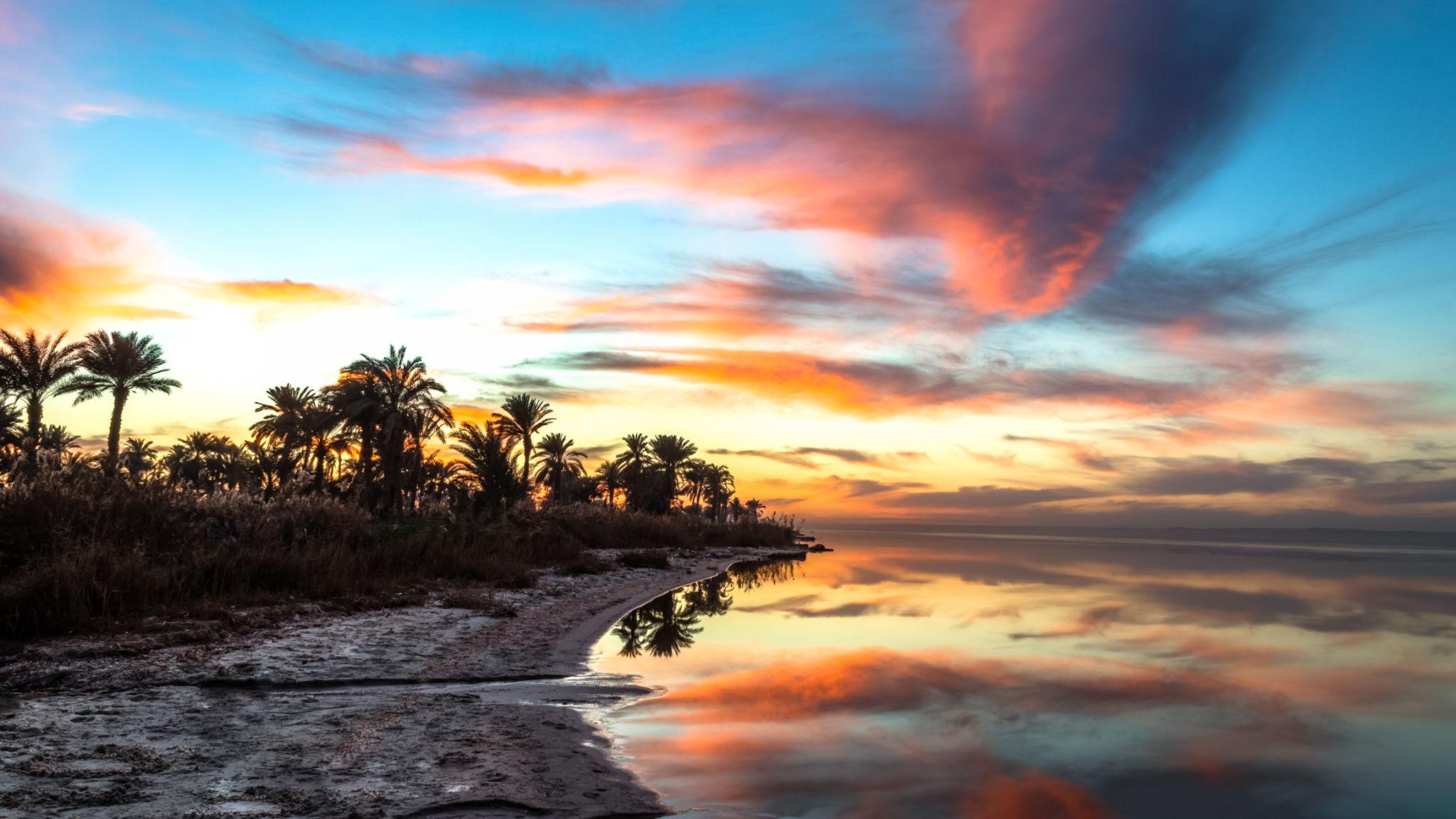
One of the world's oldest natural lakes — a serene remnant of ancient Lake Moeris with stunning sunsets.
Open access – Open accessFree (open lakeshore; boat rentals charged separately)29.4667, 30.6667
Lake Qarun is a saline lake in the northern part of the Fayoum depression, considered one of the oldest natural lakes in the world. It is the remnant of the much larger ancient Lake Moeris, which played a crucial role in Egyptian agriculture and water management during the Pharaonic era. Today, the lake offers peaceful waterfront dining, fishing, birdwatching, and some of Fayoum's most beautiful sunsets.
Gallery
Why Visit
One of the oldest natural lakes on Earth with a rich Pharaonic history
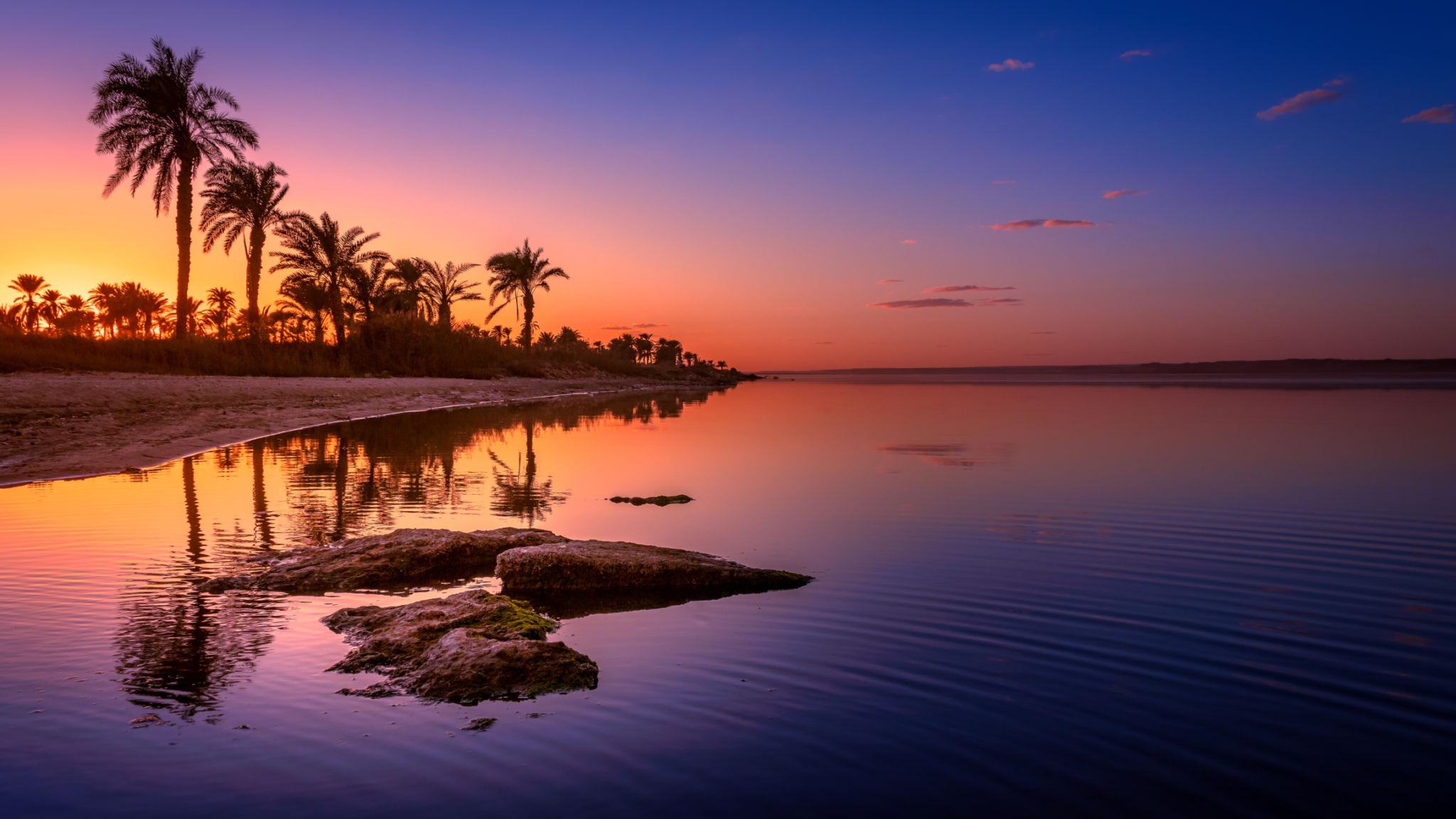
Spectacular sunsets over calm desert waters
Peaceful lakeside dining and birdwatching away from the crowds
What to See
The Lake & Shoreline
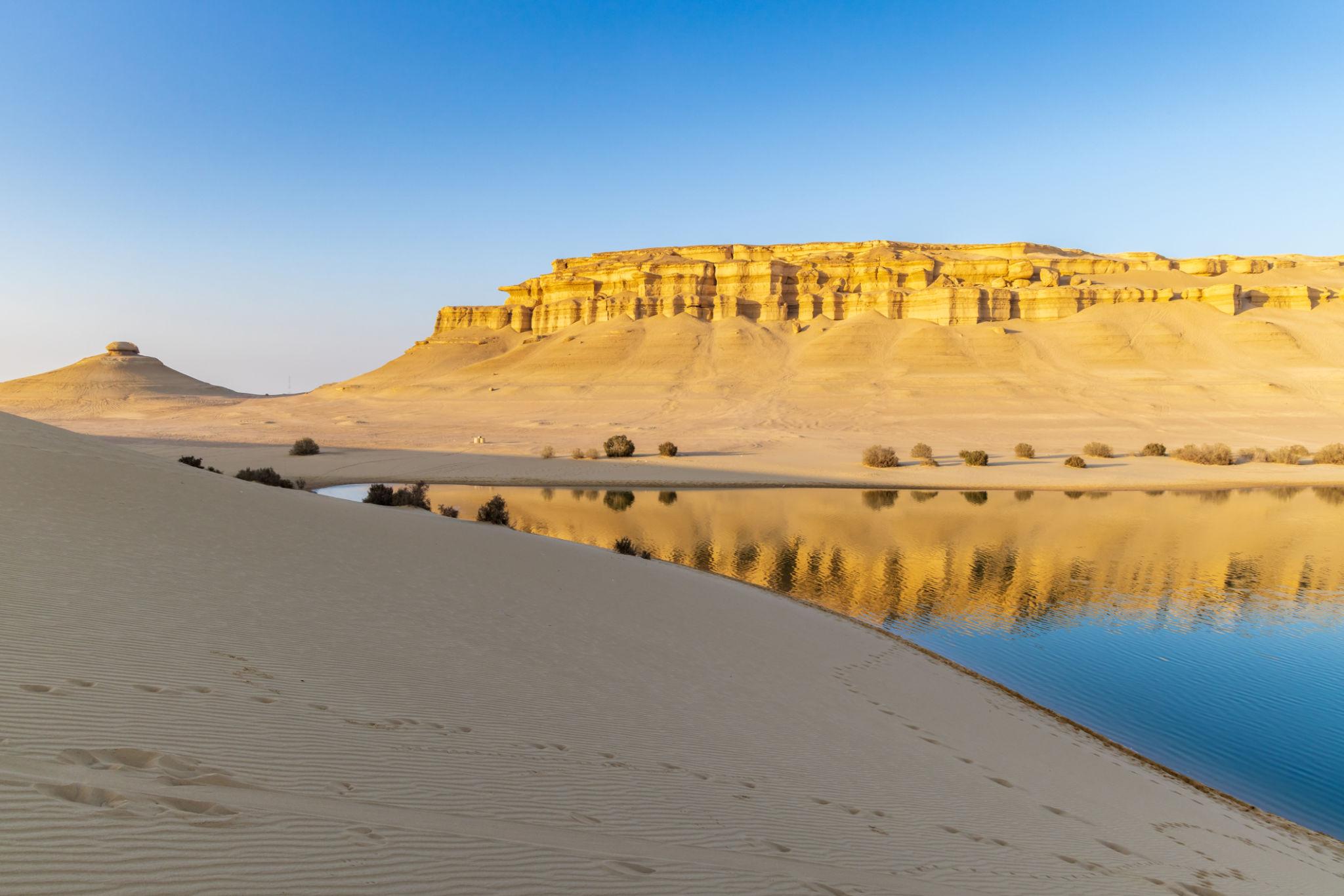
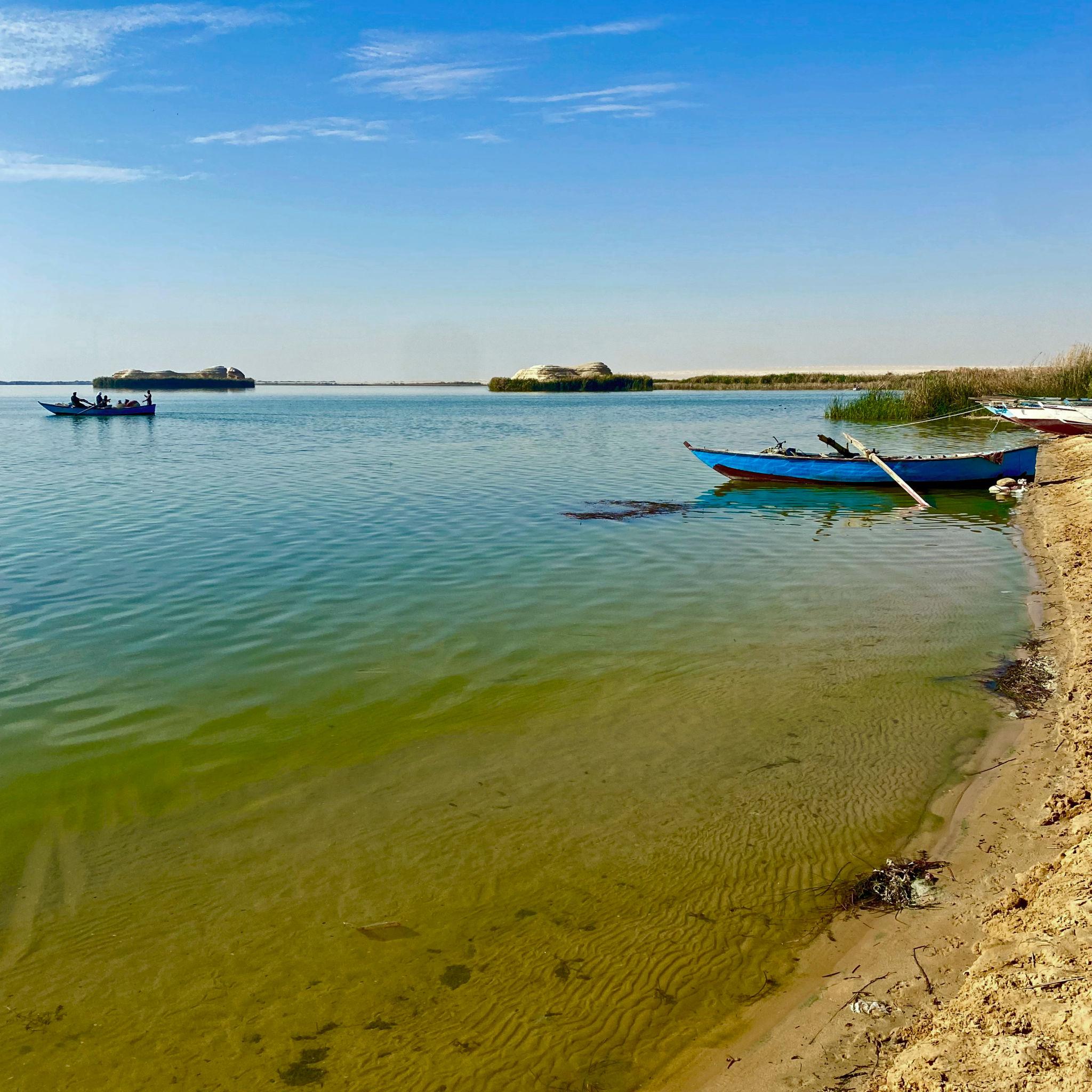
The lake stretches 42 km long and up to 9 km wide, its calm waters reflecting the desert hills and palm groves that surround it. The southern shore has several cafes and restaurants where you can enjoy fresh fish while watching the sunset. Fishing boats dot the water, and the overall atmosphere is one of timeless tranquility.
Birdwatching
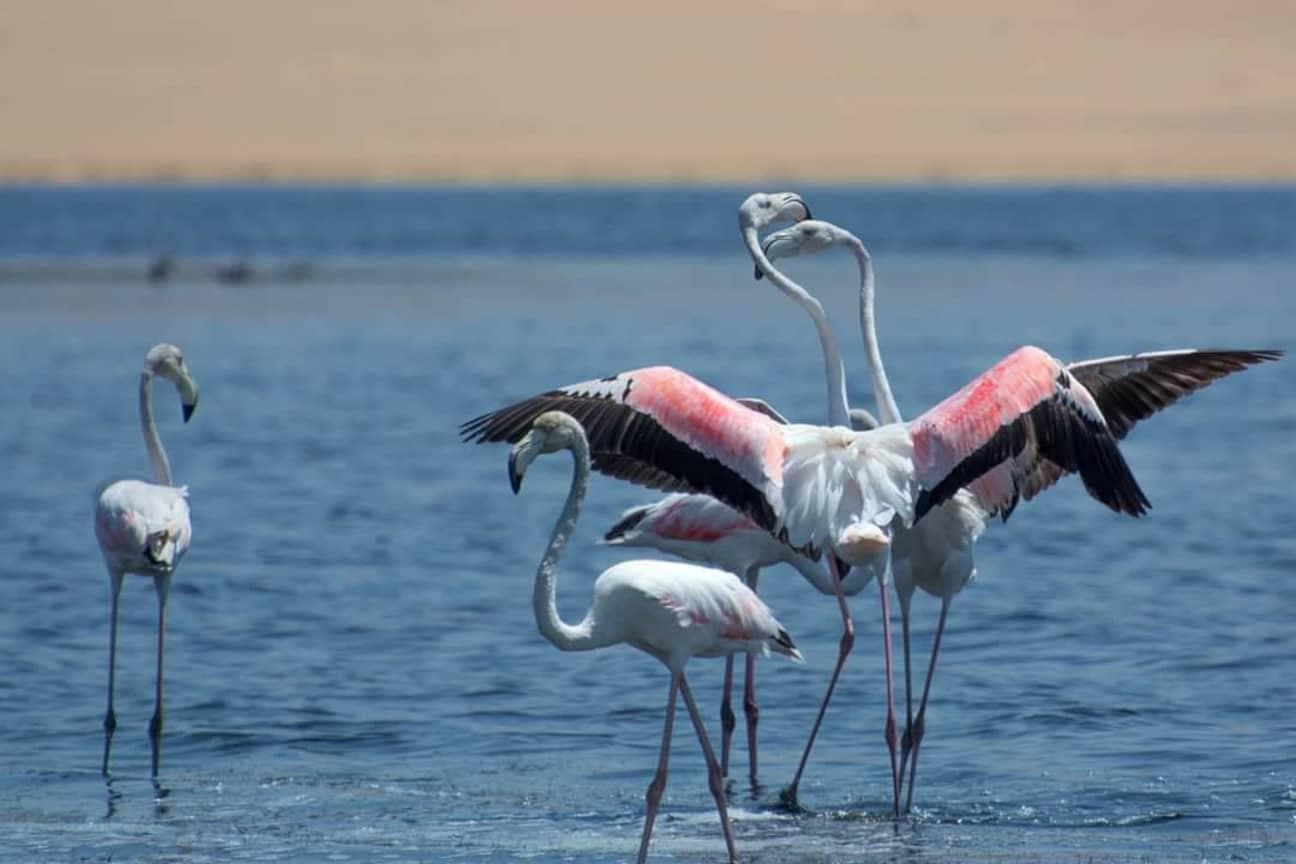
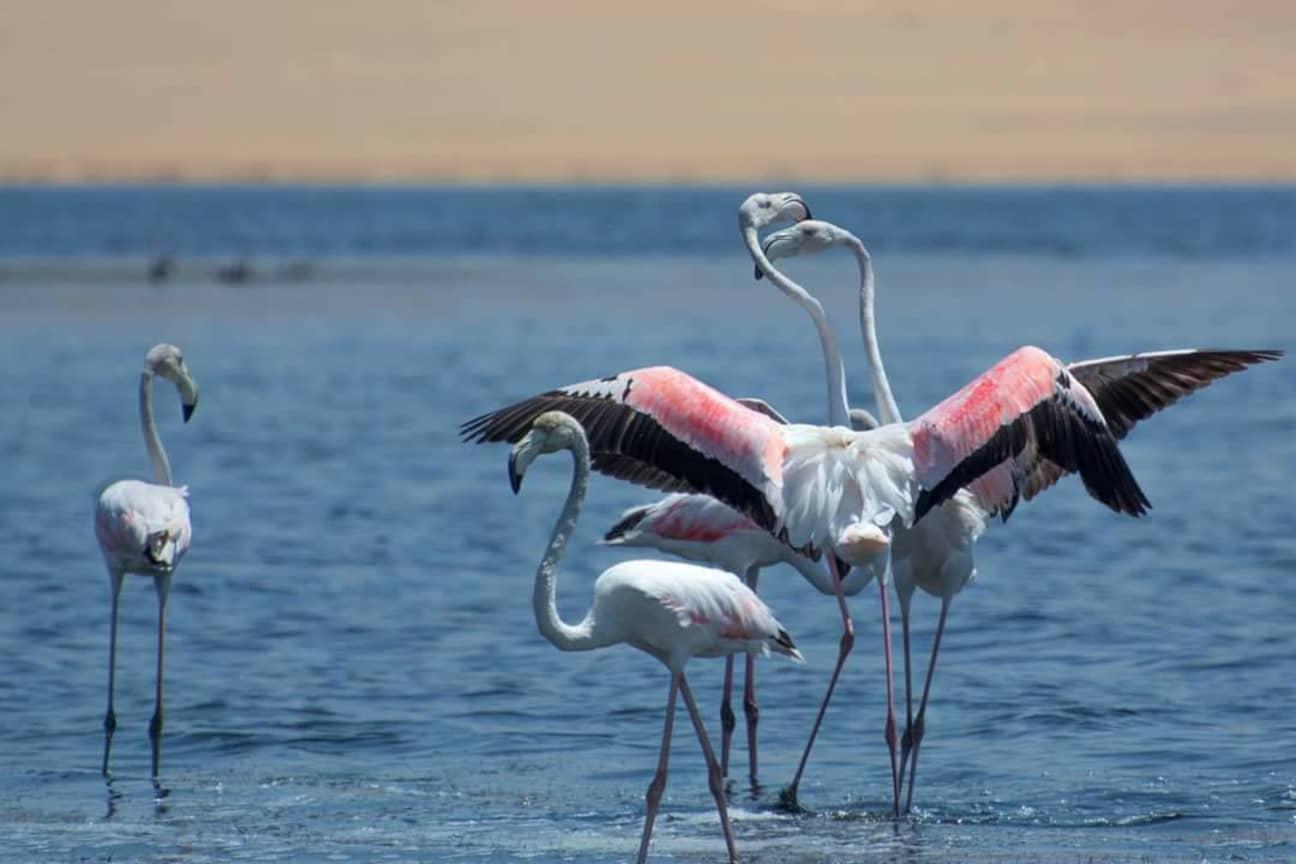
Lake Qarun is a Ramsar-designated wetland and an important stop for migratory birds on the Africa-Eurasia flyway. Species include flamingos, white pelicans, spoonbills, and various duck and wader species. The best birdwatching is during winter migration (November–February).
Visitor Tips
- The best sunset viewpoints are from the restaurants on the southern shore
- Combine with a visit to Qasr Qarun temple at the western end of the lake
- Bring binoculars for birdwatching — migratory species are best seen November–February
Opening Hours
Open access – Open access
Entry Fee
Free (open lakeshore; boat rentals charged separately)