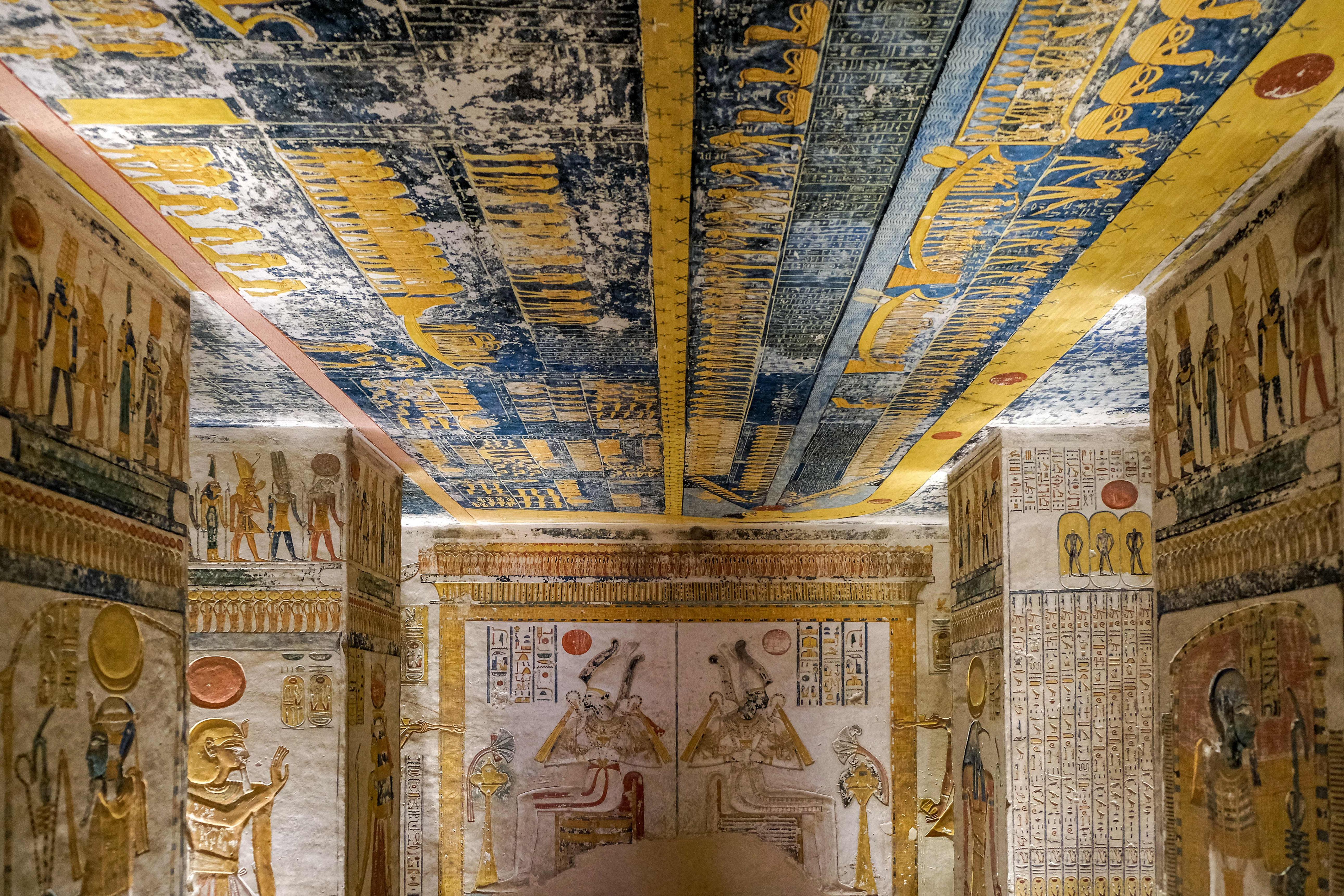
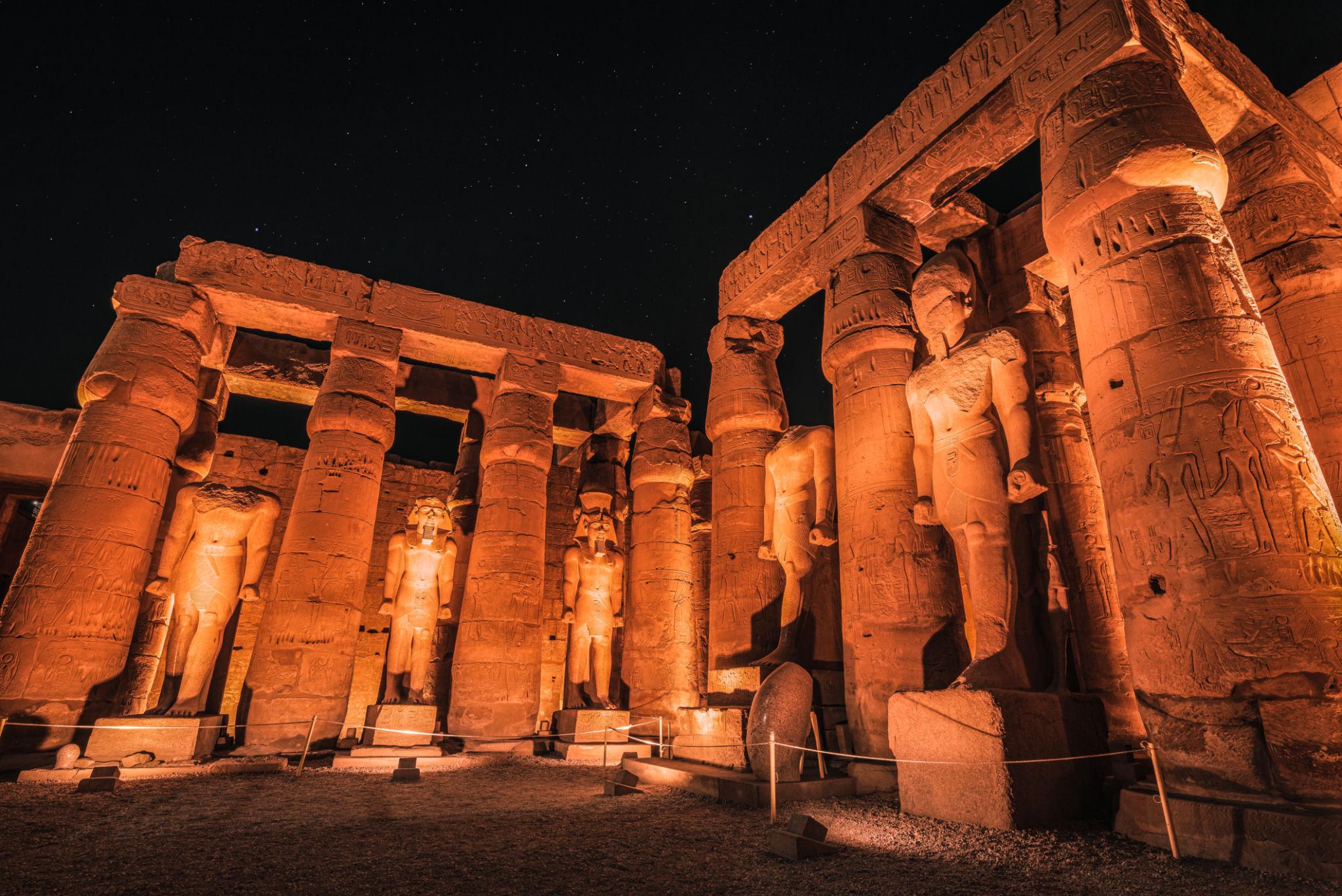
At seven on a January morning on Luxor's West Bank, the guides wear padded jackets, the balloon crews blow on their hands, and the first visitors into the Valley of the Kings can see their breath. By eleven the jackets are off and the sky has turned the hard, cloudless blue that the whole Egyptian travel calendar is built around. That swing, from around 6C (43F) at dawn to 22C (72F) by lunch, is the first thing to understand about Egypt in winter.
The second is that winter means different things in different parts of the country. Alexandria gets most of its year's rain between December and February, the mountains of South Sinai occasionally see snow, a night in the White Desert can drop close to freezing, and the Red Sea stays warm enough for a long snorkel through most of November. This guide goes month by month from November 2026 to February 2027, with real temperatures by region, where the crowds are and how to slip past them, what to pack, and how Christmas, New Year and the start of Ramadan 2027 change the arithmetic.
At a Glance
Best months: November and the second half of January or February, for warm days, thinner crowds and fairer prices
Cairo in January: average highs near 19C (66F), lows near 10C (50F), and under 5 mm of rain in the month
Luxor and Aswan in January: highs of 22 to 23C (72 to 73F), dawn lows of 6 to 9C (43 to 48F)
Red Sea water: about 25C (77F) at Hurghada in November, easing to around 21C (70F) by February
Coldest nights: St Catherine in Sinai, with a January mean low under 2C (36F), and the White Desert, close to freezing
Wettest city: Alexandria, around 61 mm of rain over eight days in an average January
Peak of the peak: roughly 23 December to 7 January, when prices and queues both top out
Ramadan 2027: expected to begin on or around 8 February, subject to the sighting of the new moon
Daylight: about ten and a half hours in Luxor at the winter solstice
Why Egypt in Winter Works, and Where It Does Not
The case for Egypt in winter rests mostly on the south. From May to September Luxor and Aswan regularly pass 40C (104F), and a day of temples becomes a dawn sprint followed by an afternoon hiding indoors. Between November and February the same day runs from breakfast to sunset without anyone wilting. That is why the Nile cruise boats sail full, the balloons over the West Bank fly most mornings, and a long day such as our full West Bank tour in Luxor feels easy rather than heroic.
The trade-offs are real, and most visitors only meet them on arrival. Days are short: barely ten and a half hours of light in Luxor around the solstice, so a day that began at 6am in the tombs is over by five. Mornings and evenings are properly cold, on the water and in the desert above all. And everyone has read the same advice, so the famous sites are at their busiest. None of this is a reason to stay away; it is a reason to plan each day around light, layers and timing. For the rest of the year, our Egypt weather month by month guide sets winter against the other seasons.
November: The Month We Would Choose
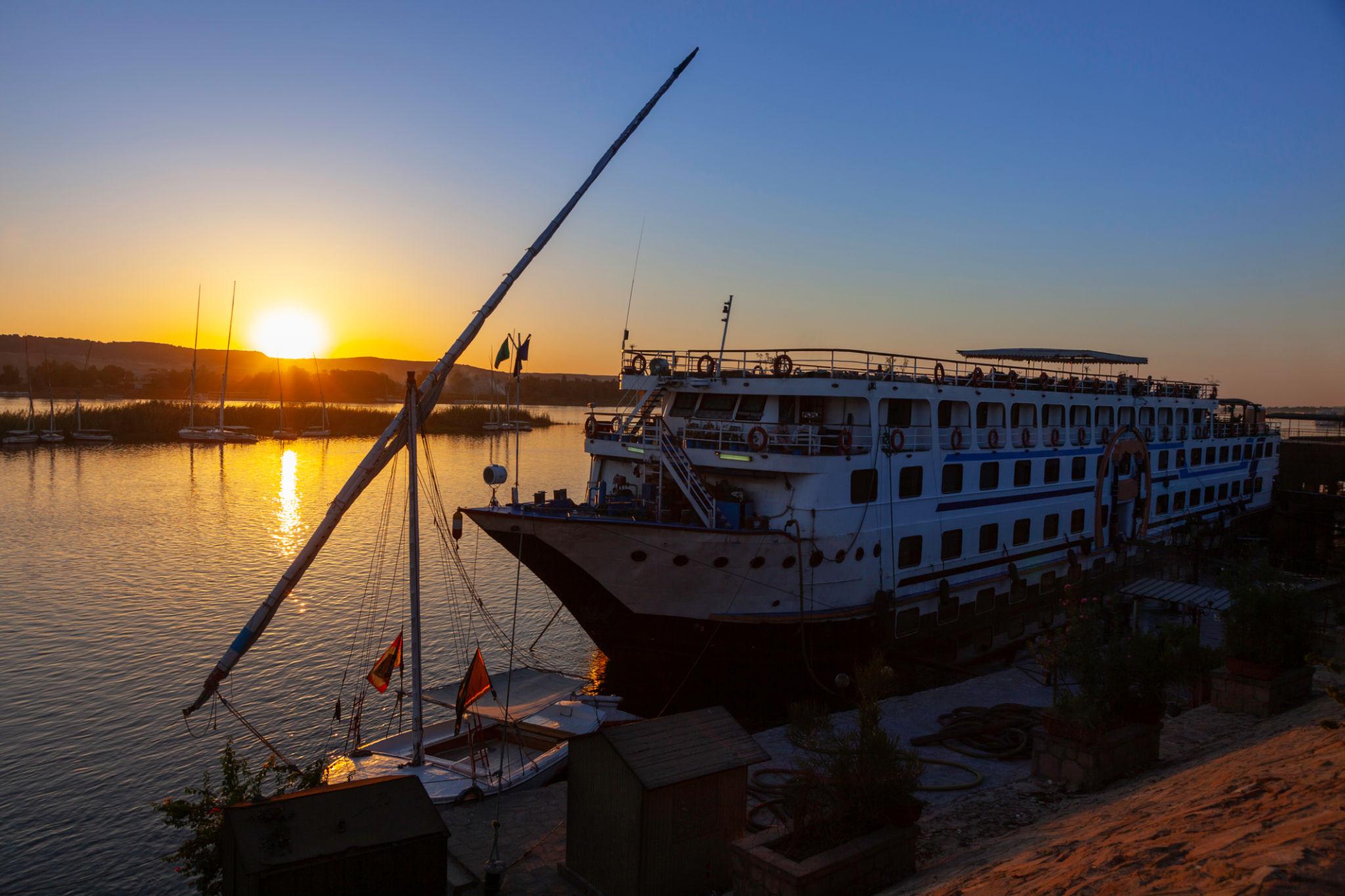
November is the quiet favourite of people who know the country well. Cairo averages highs around 25C (77F) and lows near 16C (61F); Luxor reaches about 28C (82F) by day and 11C (52F) at night, and Aswan is a degree or two warmer. The Red Sea is still around 25C (77F) off Hurghada, warm enough to snorkel for an hour in swimwear, and evenings on a cruise deck are pleasant rather than bracing.
Crowds build through the month but stay well below the Christmas surge, and hotel and cruise rates in early November usually sit beneath December's festive prices. The month has culture too: the 47th Cairo International Film Festival runs from 11 to 20 November 2026, based at the Cairo Opera House, and the cooler air makes Cairo's walking districts far more agreeable than in September.
One caution for budgeting. The Ministry of Tourism and Antiquities has a habit of revising foreign ticket prices around the start of the season, so work from the latest official list rather than from figures quoted last spring, and expect to pay by card at most major sites.
December: Short Days and the Festive Surge
December splits cleanly in two. The first three weeks are excellent: Cairo highs of 20 to 21C (68 to 70F), Luxor around 24C (75F) with nights falling to about 7C (45F), and queues that are still manageable. From roughly 20 December the country fills. European school holidays, Christmas and New Year land in the same fortnight, and the Valley of the Kings, Karnak, Abu Simbel and the Giza plateau have their heaviest days of the year.
Christmas Day itself is an ordinary day in Egypt. In 2026 it falls on a Friday, the start of the Egyptian weekend anyway, and the country's own Coptic Christmas comes on 7 January. Hotels and cruise boats lay on dinners for foreign guests on 24 and 31 December, and the Red Sea resorts are at their liveliest. Our guide to Christmas and New Year in Egypt covers the celebrations, the churches and the New Year's Eve options in detail.
Warning: The Festive Price Spike
From around 23 December to the first week of January, hotel and Nile cruise rates commonly run 30 to 50 per cent above autumn levels for the same room or cabin. Some hotels and boats also add a compulsory gala dinner on 24 or 31 December, sometimes left out of the headline price you are first shown. New Year supplements quoted for late 2026 run from roughly 60 to 220 GBP (about 80 to 290 USD) per person. Ask directly whether the gala is mandatory, whether drinks and children are included, and whether it is already in the quote.
Availability is a bigger problem than price. The better cruise cabins and the best-placed hotels in Luxor and Aswan for the festive fortnight are often gone by early autumn. For those dates we would book four to six months ahead; for November, January after the 10th, or February, two to three months is usually enough. Shifting a trip a week earlier, to roughly 13 to 20 December, buys the same weather at a noticeably lower cost.
January: The Coldest Month, Measured Honestly
January is Egypt's coldest month and still warmer than much of Europe in May. Cairo's 1991 to 2020 averages give highs near 19C (66F), lows around 10C (50F), and under 5 mm of rain. Luxor reaches about 22C (72F) by day but can drop to 6C (43F) before dawn, and Aswan sits around 23C (73F) and 9C (48F). Desert air holds no warmth, so the fall after sunset is fast, and a felucca at dusk can feel colder than the thermometer suggests.
The first week of January is still peak season, carried by New Year and then Coptic Christmas on Thursday 7 January 2027, a national holiday when many Egyptian families travel. On Friday 8 January the 34th Egyptian Marathon starts and finishes at the Temple of Hatshepsut on the West Bank, with races over 5, 12, 21 and 42.195 km, so expect road closures and a busy West Bank that morning. After about the 10th, January becomes one of the best-value stretches of the season: stable weather, clear light and thinner crowds until the European half-term holidays in mid-February.
February: Warming Up, and the Ramadan Question
February warms by the week. Luxor is back to about 24C (75F) by day, Aswan to around 26C (79F), and Cairo to 20 or 21C (68 to 70F). The Red Sea is at its coolest, around 21C (70F) off Hurghada, though the air at midday is warm. Half-term holidays push demand up for a week or so in the middle of the month.
Two dates in February 2027 change itineraries. The first is the Abu Simbel sun alignment on Monday 22 February, when the rising sun reaches the statues in the inner sanctuary for around 20 minutes. Festival-day tickets for foreign adults were reported at 1,200 EGP in 2026, against 750 EGP on a normal day (about 22 and 14 USD), and Aswan hotels fill early. Our guide to the Abu Simbel Sun Festival explains how to see it without the worst of the crush.
The second is Ramadan, expected to begin on or around Monday 8 February 2027 and to run until around 9 March, with the exact dates fixed by the sighting of the crescent moon. It is not a reason to cancel. Sites stay open, although museums commonly close in mid-afternoon and some large outdoor sites a little earlier than usual, and Cairo's evenings come alive after the sunset meal, iftar, at around 6pm. Plan sightseeing for the mornings, note that the February Abu Simbel alignment falls inside Ramadan this time, and read our guide to visiting Egypt during Ramadan before you book.
Good to Know: Alexandria Is the Exception
Almost everywhere in Egypt is dry in winter, but Alexandria is not. The Mediterranean city takes most of its annual rain between November and February: about 53 mm in December and 61 mm in January on 1991 to 2020 averages, spread across six to eight days a month. Storms off the sea bring wind, heavy showers and occasionally hail, and the Corniche can be wild for a day or two at a time.
It rarely ruins a visit. The rain arrives in bursts, the catacombs, museums and the Bibliotheca are indoors, and a grey sea has its own appeal. Keep an Alexandria day trip flexible, carry a waterproof layer, and do not count on a Mediterranean swim between December and March.
The Red Sea in Winter: Water and Wetsuits
The Red Sea is the warmest sea within easy reach of Europe in winter, but warm is relative. At Hurghada the water averages around 25C (77F) in November, 23C (73F) in December, 22C (72F) in January and 21C (70F) in February, and Sharm el-Sheikh is similar, at about 20 to 21C at its February low. Air temperatures on the coast average highs of 22 to 24C (72 to 75F) from December to February, with nights falling to 11 to 13C (52 to 55F).
Many snorkellers manage November and early December in swimwear and want a shorty or rash vest after that. Divers generally use a 3 mm or 5 mm suit from November to April, and most divers are glad of the thicker option from December, adding a hood or vest when doing several dives a day. Wind is the other factor: the prevailing northerlies can make an exposed beach chilly by mid-afternoon, which is why a sheltered bay matters when choosing a hotel. A boat trip out to the reefs of Giftun Island from Hurghada works throughout the winter on calm days, and the sheltered bays around Sharm el-Sheikh are the most forgiving when the wind gets up.
Sinai and the Desert After Dark
The two places that catch winter travellers out are the mountains of South Sinai and the Western Desert. St Catherine sits at about 1,586 metres (5,203 ft), with January averages of around 14C (57F) by day and under 2C (36F) at night; readings as low as minus 6C (21F) have been recorded in February. Snow falls there in some winters, and the summit of Mount Sinai, at 2,285 metres (7,497 ft), is colder still once the wind is factored in. Local authorities have suspended climbs during severe freezing spells, as they did in February 2017.
The pre-dawn ascent on a Mount Sinai sunrise trek in winter is magnificent, but it demands a down jacket, a warm hat, gloves and a head torch, and the blankets rented out near the top are no substitute. Start the descent promptly after sunrise, while you are still warm from the climb.
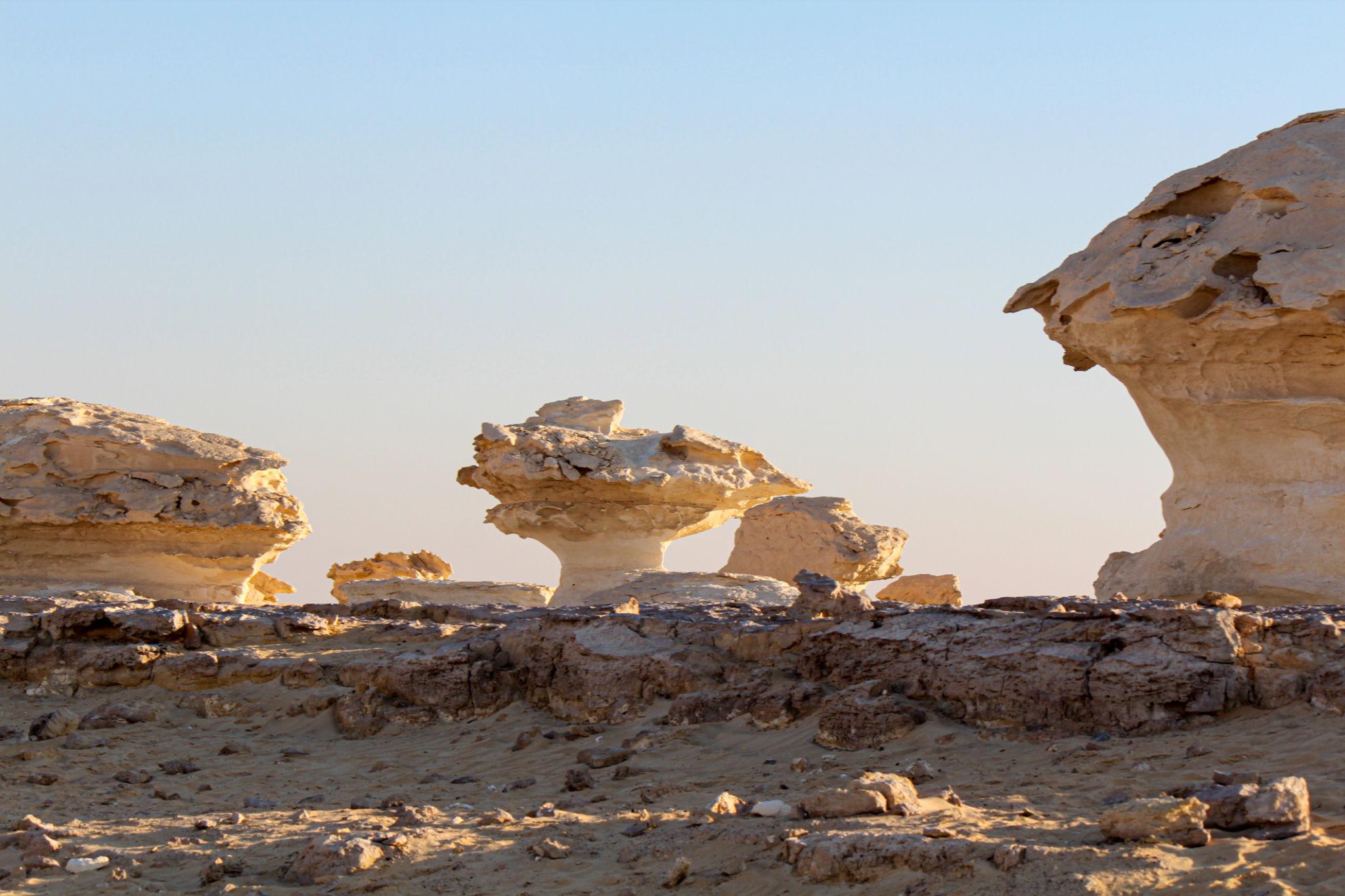
The Western Desert is warm by day and frankly cold by night. Bahariya's January mean is around 13C (55F), and nights in the White Desert from December to February fall close to freezing, with nothing between you and a cloudless sky. A night on our White Desert and Black Desert overnight safari is one of the finest winter experiences in the country precisely because the air is so clear, but bring a proper warm layer for sleeping. Siwa is gentler, with January highs around 19C (66F) and lows near 6C (43F), and you sleep indoors.
Pro Tip: Beat the Crowds by Changing the Clock
Winter crowds at Egypt's major sites are concentrated, not evenly spread. Coach groups from the cruise boats and hotels reach the Valley of the Kings, Hatshepsut and Karnak between about 8 and 11am, so arriving at opening time or in the last two hours before closing changes the experience entirely. Karnak in late-afternoon light, with the cruise passengers back on board for tea, is a different place from Karnak at ten in the morning.
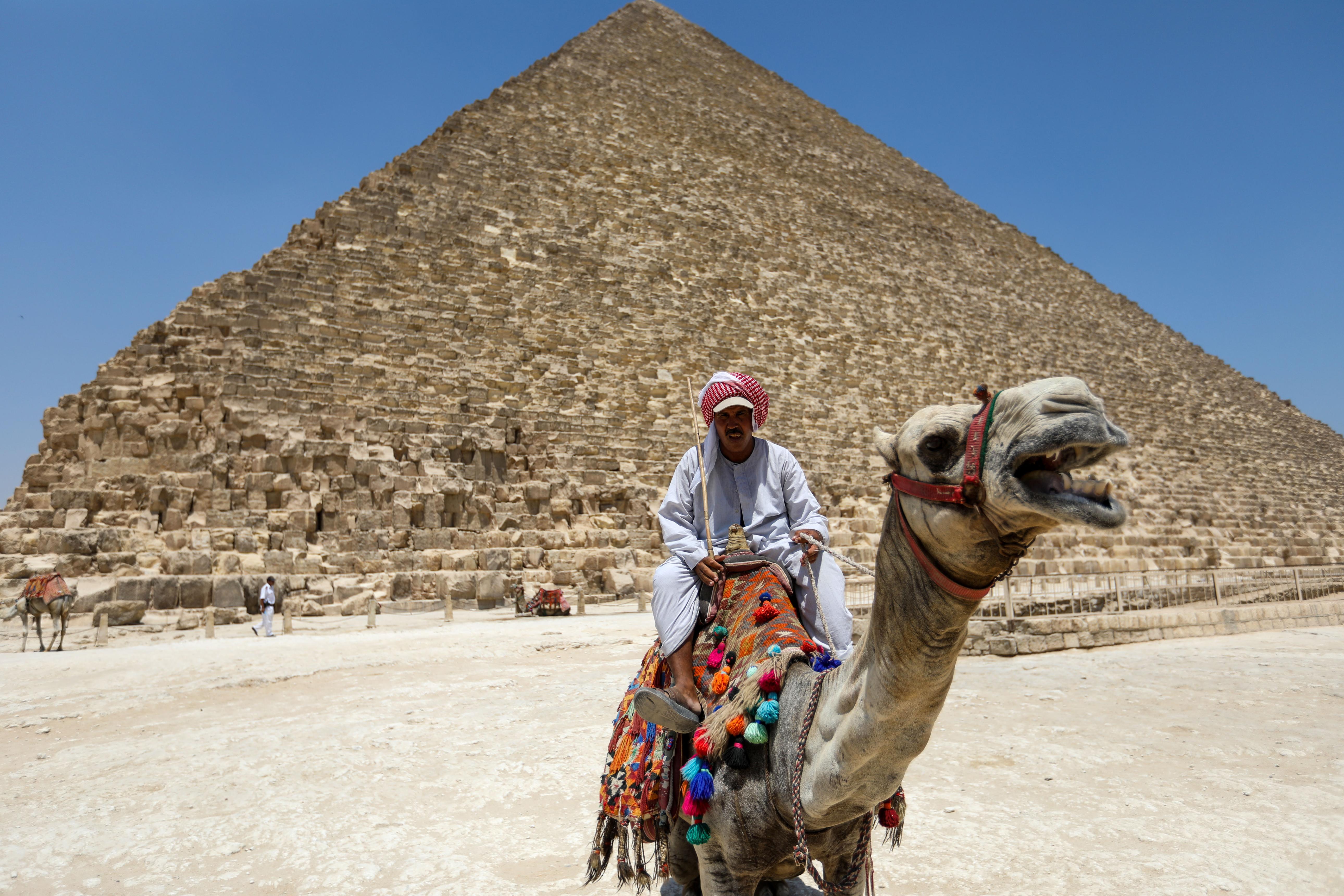
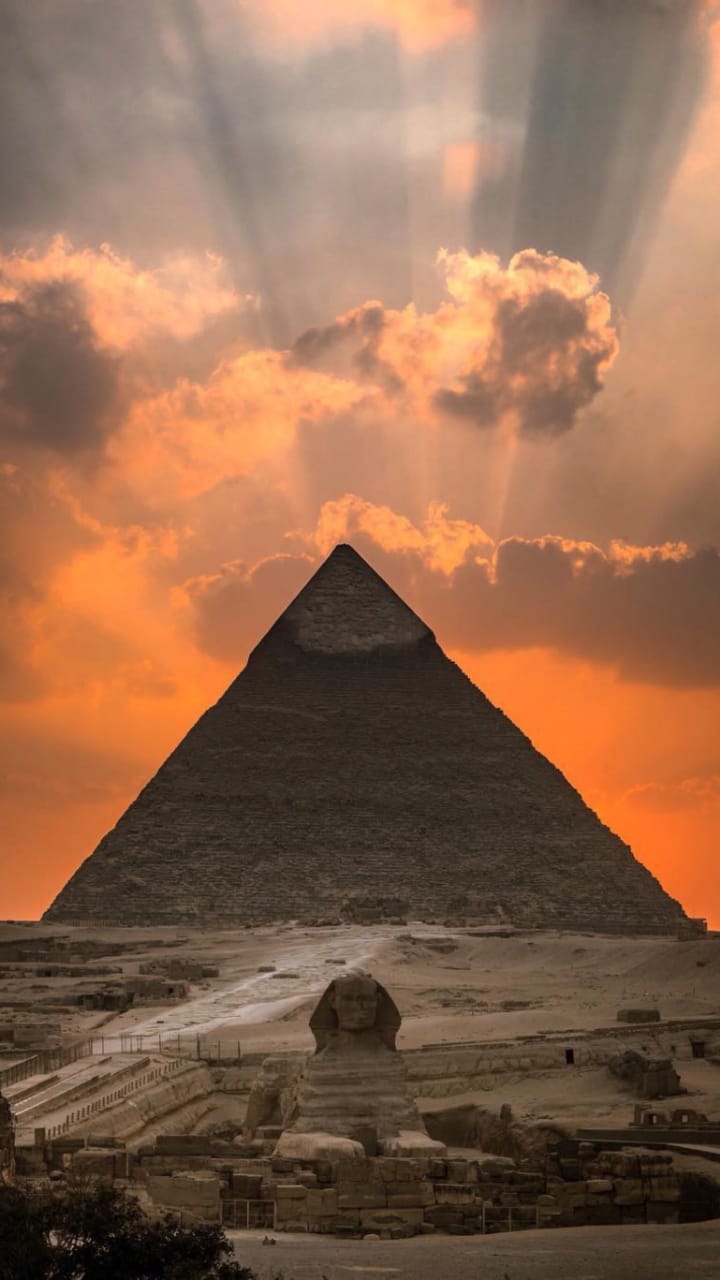
The same logic works in Cairo. The Grand Egyptian Museum, fully open since November 2025, has added a second magnet on the Giza side of the city, so pair it with the plateau on the same day: museum first thing on a weekday and the pyramids in the warmer afternoon light, or the reverse. For Abu Simbel, fly from Aswan or leave by road at around 4am for the 280 km drive, which puts you at the temples ahead of the main wave.
What to Pack for Egypt in Winter
Layers do almost all the work. A typical winter day in Upper Egypt calls for a warm jacket at 6am, a T-shirt at noon, and a fleece again on deck at sunset.
- A packable down jacket or warm fleece, essential for dawn starts, balloon flights, desert nights and Sinai
- Long trousers and light long-sleeved tops, which also meet the dress code at mosques and churches
- A warm hat and light gloves for the balloon basket, the felucca and any night in the desert or mountains
- Sunscreen, sunglasses and a brimmed hat, because the winter sun in the south is still strong at midday
- A light waterproof for Alexandria and the north coast, and a scarf against dust
- Comfortable walking shoes with some grip for temple floors and tomb ramps
- A shorty or 3 mm wetsuit if you plan to snorkel a lot after November, though most dive centres rent them
Our full Egypt packing checklist covers everything else.
Planning Your Winter Trip
If you have a free choice of dates, aim for the second half of November or the stretch from mid-January to early February. Both give you the full winter climate without the festive premium, and both leave room to add the Red Sea at the end. If school holidays fix you to Christmas, accept the crowds, book early, and build the days around the quiet hours rather than fighting the coach timetable.
A classic shape for Egypt in winter is three nights in Cairo, a three- or four-night Nile cruise between Luxor and Aswan, and a few days on the coast or in the desert to finish. If your dates touch Ramadan, a festival or a national holiday, our Egypt events calendar for 2027 shows what falls when.
When you know roughly when you can travel and what matters most, whether that is temples, warm water or a night under the desert sky, tell us your dates and we will suggest the version of the season that fits, honestly including the weeks we would steer you away from.