Ramadan is the holy month when most of Egypt's roughly 90 million Muslims fast from dawn to sunset, and it transforms the rhythm of the entire country. For travellers, this can be either a frustration or one of the most atmospheric, generous and memorable times to visit, depending almost entirely on how well you understand and adapt to it. This guide explains exactly what changes, what stays the same, and how to plan a trip that works around the fast rather than against it.
When Is Ramadan in 2026 and Beyond?
Ramadan follows the Islamic lunar calendar, so it shifts about 11 days earlier each year relative to the Gregorian calendar. In 2026 it runs roughly from mid-February to mid-March (the exact start depends on the sighting of the new moon). In 2027 expect early-to-mid February, and so on. Because the dates move, always confirm the current year's window before booking, and note that the festival of Eid al-Fitr, marking the end of the month, brings its own three-day public holiday with very different logistics.
The Daily Rhythm: Suhoor, Fasting, Iftar
Understanding the daily cycle is the key to everything else.
- **Suhoor** is the pre-dawn meal, eaten before the call to the Fajr prayer (often around 4:00–5:00 am). The fast then begins.
- **The fast** runs all day: no food, no water, no smoking, from dawn until sunset. In the cooler 2026 dates (February–March) this is gentler than the brutal summer fasts of recent years.
- **Iftar** is the sunset meal that breaks the fast, traditionally with dates and water, then a feast. The moment of iftar, announced by the Maghrib call to prayer and sometimes a cannon, empties the streets entirely for about 30–45 minutes, then fills them again with celebration.
Should You Even Go? The Honest Answer
Yes, with eyes open. The upside is real: cooler weather, fewer foreign tourists at the big sites, deeply atmospheric evenings, decorated streets strung with fanous (Ramadan lanterns), and a warmth of hospitality that peaks during this month. The downside is friction: reduced hours, midday sluggishness, some closures, and the need to be considerate about eating in public. If you want a fast-paced, eat-whenever, everything-open trip, choose another month. If you want atmosphere and don't mind adapting your pace, Ramadan can be magical.
What Stays Open (and What Doesn't)
Tourist infrastructure largely keeps running, but on a shifted schedule.
### Monuments and Museums
The Pyramids of Giza, the Egyptian Museum, the Grand Egyptian Museum, temples in Luxor and Aswan, and most major sites stay open, but often **close earlier**, frequently around 3:00–4:00 pm so staff can get home for iftar. Go early. The first two hours after opening are golden: cool, quiet and uncrowded. Always double-check the day's hours, as they can change without much notice.
### Restaurants and Cafés
Many local restaurants close during daylight and reopen spectacularly at iftar. However, hotel restaurants, tourist-zone cafés and establishments in resort areas (Hurghada, Sharm el-Sheikh) generally serve normally all day. In Cairo, you will always find somewhere to eat at lunchtime, but the choice narrows and service can be slow as fasting staff conserve energy.
### Shops, Banks and Offices
Expect shorter and shifted hours. Banks and government offices often work reduced mornings (roughly 9:30 am–1:30 pm). Shops may close in the late afternoon before iftar, then reopen and stay lively until well past midnight. Khan el-Khalili and the souks come alive after dark.
### Transport and Domestic Travel
Domestic flights, intercity trains and tourist coaches keep running, but staff energy dips in the afternoon and the pre-iftar hour clogs the roads. Cairo airport transfers are best scheduled for the morning or after about 9:00 pm. Ride-hailing apps (Uber, Careem) work throughout, though drivers thin out in the 45 minutes before sunset. If you have a Nile cruise or a Luxor–Aswan leg, confirm departure times in advance, as some schedules compress around iftar.
Eating and Drinking as a Visitor: The Etiquette
You are not expected to fast. But discretion matters out of respect.
- **Don't eat, drink or smoke conspicuously in public** during daylight, especially on the street or public transport. Step into a hotel, a tourist café, or your room.
- Many restaurants screen off a section or serve discreetly for non-fasters and travellers; this is normal and fine.
- Carry water and snacks for long site visits, and consume them out of sight.
- During Eid, the mood flips entirely: feasting, family visits and festivity everywhere.
The Magic of Iftar
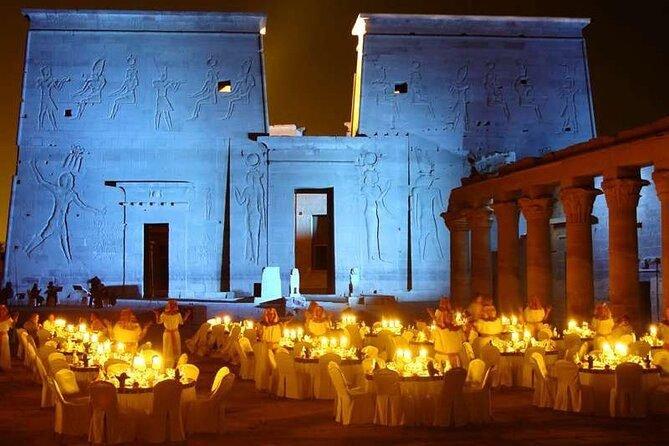
The single best thing you can do in Ramadan is share an iftar. As sunset nears, the energy is electric: tables are laid in the street, charity "tables of the Merciful" (mawa'id al-rahman) feed anyone for free, and strangers will genuinely invite you to join. Many hotels and restaurants put on lavish iftar buffets; booking ahead is wise, as they fill up. Breaking the fast alongside Egyptians, the relief, the generosity, the communal joy, is the kind of travel memory you cannot buy or schedule. After iftar, the city comes alive: families stroll, cafés overflow, and special Ramadan sweets like konafa and qatayef appear everywhere.
A Cultural Primer: What Ramadan Actually Means
Understanding why Egyptians fast deepens the whole experience. Ramadan commemorates the month in which the Quran is believed to have first been revealed to the Prophet Muhammad. Fasting (sawm) is one of the Five Pillars of Islam, intended as an act of self-discipline, spiritual reflection, empathy with the poor and gratitude. It is not merely abstaining from food; it is also a month of heightened charity (zakat and sadaqa), extra night prayers (taraweeh, held after the evening Isha prayer in packed, brightly lit mosques) and family togetherness. The communal generosity you will witness, the free street tables, the gifts of food to neighbours, the open invitations, flows directly from these values. Knowing this, you will read the month not as inconvenient closures but as a society turning, together, toward its deepest commitments.
Practical Planning Tips
### Adjust Your Daily Schedule
Flip your day to match the locals. Sightsee early, rest or relax through the sluggish mid-afternoon, then go out in the evening when the city reawakens. Plan your most demanding visits, the Pyramids, long temple complexes, for the cool morning hours.
### Book a Driver and Guide
A private driver is especially valuable in Ramadan: they will know which sites are closing early, where to find a discreet lunch, and where the best iftar is. Be aware that just before iftar, traffic surges as everyone races home; avoid scheduling transfers in that 45-minute window before sunset, when driving can be hectic.
### Evening Tours Come Into Their Own
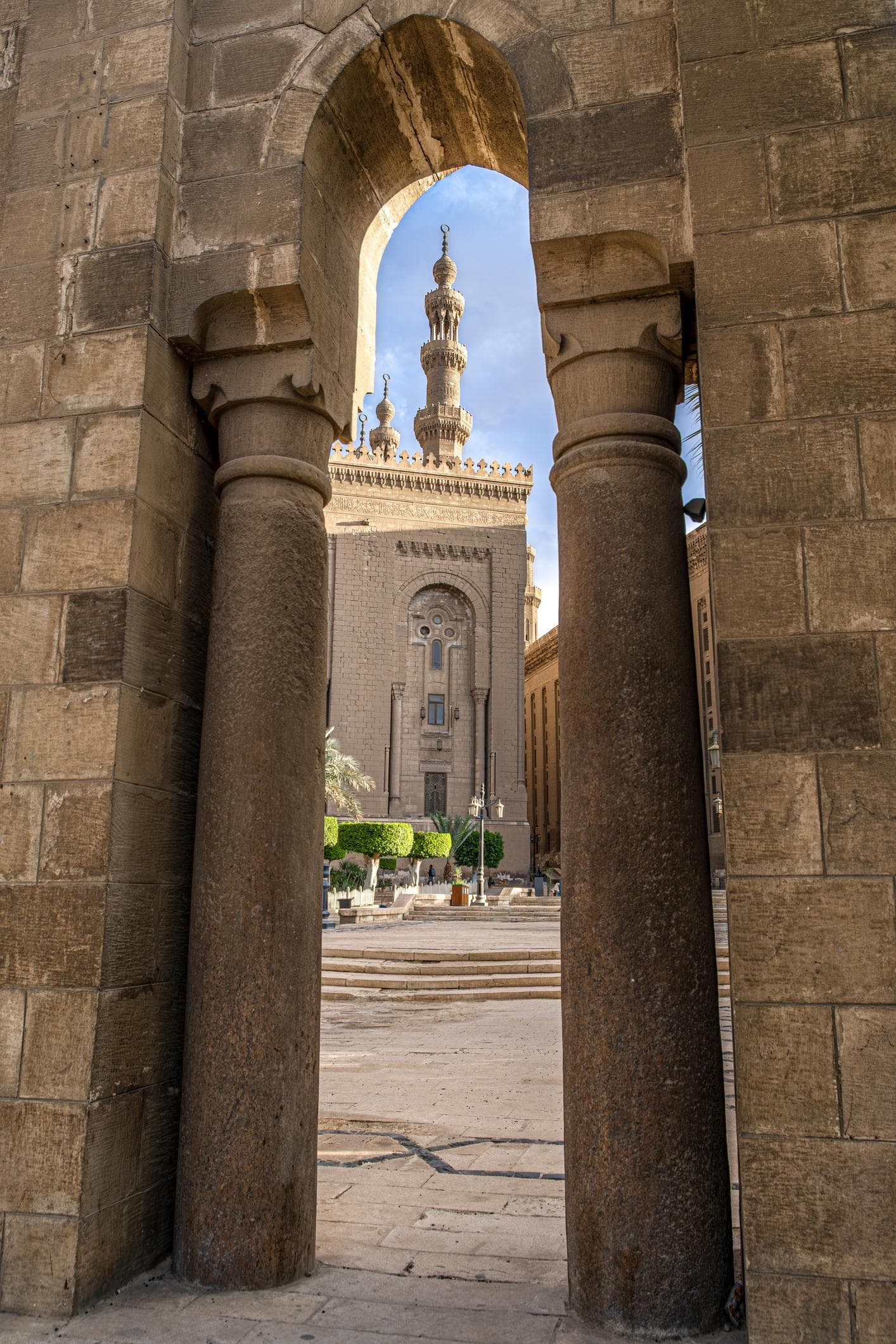
Because life shifts to the night, after-dark experiences shine. A Cairo night city tour is ideal in Ramadan, taking in the illuminated mosques and the festive post-iftar streets at exactly the hour the city is at its most alive.
Health, Comfort and Considerations
Even though you are not fasting, the heat and reduced daytime services can wear you down. Stay hydrated discreetly, plan toilet and rest stops around what is actually open, and keep some patience in reserve, fasting staff are working hard on empty stomachs and a little grace goes a long way. If you are travelling with children or have medical needs, build in flexibility and stock up on essentials in the morning.
Special Foods and Flavours of the Month
Ramadan has its own culinary calendar, and tasting it is part of the joy. Iftar typically opens with dates and a glass of juice or water, then soups (a lentil shorba is classic) and small dishes before the main course. Look out for seasonal drinks sold from huge urns on the street: qamar al-din (a thick apricot nectar), tamr hindi (tamarind), sobia (a sweet coconut-rice drink) and karkadeh (hibiscus). On the sweet side, qatayef (stuffed folded pancakes with nuts or cream) and konafa (shredded pastry over sweet cheese or cream, drenched in syrup) appear in every bakery and are made fresh nightly. Buying a box of mixed Ramadan sweets to share is a lovely, inexpensive way to join in; a generous box runs roughly 150–350 EGP depending on the shop. Don't fast all day to "earn" it, just enjoy it discreetly.
Eid al-Fitr: The Grand Finale
The month ends with Eid al-Fitr, a joyous three-day holiday. Expect new clothes, family feasts, packed parks and beaches, and a celebratory mood everywhere. Domestic travel spikes, so trains, intercity buses and popular resorts book out, plan transport and accommodation well ahead if your trip overlaps Eid. Many shops and offices close for the holiday, but tourist sites and restaurants generally reopen and welcome the festive crowds.
Is Ramadan Right for Your Trip?
Choose Ramadan if you value atmosphere, cultural depth and cooler weather over convenience and want to experience Egypt at its most communal and hospitable. Choose another month if your priority is a packed, anytime-anywhere itinerary. Either way, a little knowledge transforms the experience. To see the country at the season's most luminous hour, the evenings, consider our Cairo night city tour, and deepen your appreciation of Egypt's long story with our guides to the pharaohs of Egypt and to Cleopatra.