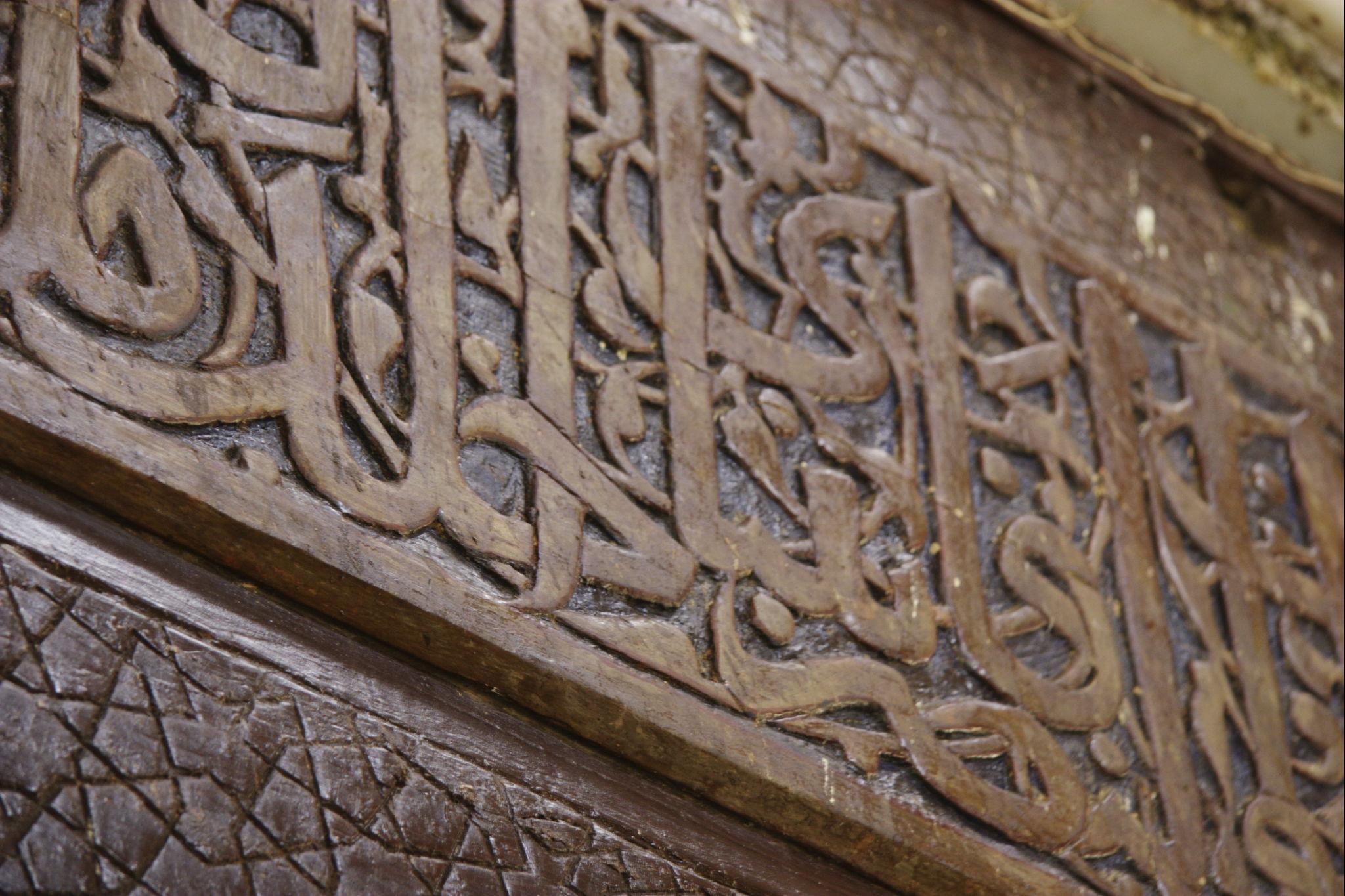
On the evening of 6 January, while most of the world has packed its decorations away, the churches of Old Cairo fill to the doors. Families arrive in new clothes, children carry candles, and inside the Hanging Church the Coptic hymns rise in a language descended from the one carved on the temple walls. Somewhere after midnight the liturgy ends, a 43-day fast is broken, and the smell of garlic, vinegar and slow-cooked meat drifts out of apartment windows across the city.
That is Christmas in Egypt, and it arrives almost two weeks after the one most visitors know. The country celebrates twice: 25 December in the hotels, cruise boats and foreign congregations, and 7 January among Egypt's Coptic Christians, when it is a national holiday. Add a New Year's Eve that ranges from a Nile dinner cruise to a desert campfire, and the fortnight from late December to early January is Egypt's busiest and most expensive of the year. This guide covers both Christmases, New Year's Eve options, what is open and closed, and how to plan the logistics for 2026 and early 2027.
At a Glance
Western Christmas: Friday 25 December 2026, a normal day in Egypt and not a public holiday
Coptic Christmas: Thursday 7 January 2027, a national public holiday
Coptic Christmas Eve: Wednesday 6 January, with liturgies running towards midnight
The fast: 43 days, from 25 November 2026, without meat, poultry or dairy for those who keep it
Papal liturgy: the Cathedral of the Nativity of Christ in the New Administrative Capital, about 45 km east of Cairo
New Year's Eve: Thursday 31 December 2026; 1 January falls on a Friday, the Egyptian weekend
Peak prices: roughly 23 December to 7 January, commonly 30 to 50 per cent above autumn rates
Weather: Cairo highs near 20C (68F), Luxor around 24C (75F), nights cold everywhere
Book: four to six months ahead for festive-week cruises and hotels
Two Christmases, One Country
The reason for two dates is a calendar, not a disagreement over the story. Egypt's Coptic Orthodox Church, by far the largest Christian community in the country, keeps its feasts by the ancient Coptic calendar, which moves in step with the old Julian calendar and currently runs 13 days behind the Gregorian one used for civil life. Christmas, 29 Kiahk in the Coptic year, therefore falls on 7 January. Christians are commonly estimated at around 10 per cent of Egypt's population, the great majority of them Copts, usually described as the largest Christian community in the Middle East.
For visitors, the practical result is a festive season that starts with the familiar version and ends with an Egyptian one. Christmas in Egypt in late December looks a lot like Christmas in a warm resort anywhere, with trees in hotel lobbies and carols at dinner. Coptic Christmas on 7 January is a family and church festival, less visible on the street but deeply felt, and arguably the more interesting of the two to witness.
25 December: Christmas in Egypt for Visitors
Christmas Day is an ordinary working day in Egypt, although in 2026 it falls on a Friday, the start of the weekend. Museums, archaeological sites, shops and restaurants keep their normal hours. Large hotels and the international chains in Cairo, Luxor and the Red Sea resorts put up trees, lay on special dinners on 24 and 25 December, and often organise something for children. Cairo's upscale malls and parts of Zamalek and Heliopolis decorate too, and in recent years seasonal trees and lights have become a familiar sight well beyond Christian homes.
Catholic, Anglican and other congregations, largely serving Cairo's foreign residents, hold services on 24 and 25 December. All Saints' Cathedral in Zamalek and St Joseph's Catholic Church in Downtown are among the best known; check service times directly with the church in the weeks before, as schedules change. On a Nile cruise, expect a festive dinner on board and perhaps a visit from a Father Christmas improvised by the crew.
The Coptic Fast and the Month of Kiahk
For devout Copts, Christmas begins with abstinence. The Nativity fast lasts 43 days, from 25 November to the evening of 6 January, and those who keep it give up meat, poultry, eggs and dairy, although fish is generally allowed. The 43 days are the traditional forty plus three more, added in memory of the miracle of the moving of the Muqattam hill in the 10th century. During the Coptic month of Kiahk, which runs through December into early January, churches hold long Saturday-night vigils of hymns in praise of the Virgin.
Travellers notice the fast mostly in food. Restaurants and bakeries advertise siyami, or fasting, dishes, and Egyptian staples such as koshari, ful medames and taameya are vegan already. If you are vegan or dairy-free, December is the easiest month of the year to eat well in Egypt. Our guide to Egyptian food covers the dishes worth seeking out.
6 and 7 January: Coptic Christmas Eve and Christmas Day
On 6 January many Copts fast completely from mid-afternoon until the liturgy ends. The main service is the papal liturgy led by Pope Tawadros II. For decades it was held at St Mark's Cathedral in Abbassia, consecrated in 1968 and still the seat of the Coptic Pope. In recent years it has been celebrated instead at the Cathedral of the Nativity of Christ in the New Administrative Capital, inaugurated on Coptic Christmas Eve in 2019, built to hold around 8,200 worshippers and promoted as the largest cathedral in the Middle East. President El-Sisi, the first Egyptian head of state to attend, has come to offer greetings every year since 2015, and the service is usually broadcast on Egyptian television.
That service is a state occasion with heavy security and controlled admission, not something to turn up to. A visitor who wants to experience Coptic Christmas is far better placed at a parish church, and the historic churches of Old Cairo, including the Hanging Church and Abu Serga, hold their own liturgies through the evening. Services are long and mostly in Arabic and Coptic. Dress modestly, with shoulders and knees covered, arrive early, and expect tight security around every church. Ask your guide or hotel which local church welcomes visitors that night; our Old Cairo and Coptic quarter tour can be arranged around the dates.
Christmas Day itself, 7 January, is about family. People wear new clothes, visit relatives, give children small gifts of money and greet one another with "eid milad magid". Government offices, banks and many Christian-owned shops close; archaeological sites, museums, restaurants and hotels stay open.
Fatta, Kahk and the Christmas Table
The first meal after the fast is built around everything that was forbidden. The signature dish is fatta: layers of toasted or fried bread and rice, soaked in broth, dressed in a sharp garlic and vinegar tomato sauce, and topped with chunks of boiled then browned beef or lamb. It is rich, filling and best eaten in large company.
Around it go the other things given up for six weeks: eggs, poultry, cheese, butter. Kahk, the buttery shortbread biscuits dusted in icing sugar and often filled with dates, honey or nuts, appear on every table and in every bakery window, the same biscuits Muslim Egyptians bake for Eid. If you are in Cairo in the first week of January, a box of kahk from a good bakery is the easiest way to taste the season.
Did You Know: The Holy Family Trail
Coptic tradition holds that Mary, Joseph and the infant Jesus fled to Egypt and travelled through it for more than three years, and the Church marks roughly 25 stopping points along a route of about 3,500 km through 11 governorates, from North Sinai to Asyut. The Ministry of Tourism and Antiquities has spent years restoring and promoting the sites as a pilgrimage trail.
Several are easy to reach from Cairo. In Old Cairo, Abu Serga stands over a crypt where the family is said to have sheltered, and the Hanging Church sits above the gatehouse of the Roman fortress of Babylon. The Church of the Virgin in Maadi marks where tradition says they took a boat south, and the Virgin's Tree at Matariya is said to have shaded them. Further out, the monasteries of Wadi Natrun lie on the road to Alexandria, and Gebel al-Tayr in Minya and Deir al-Muharraq near Asyut are major pilgrimage sites. Our guides to Coptic Cairo and the Coptic desert monasteries cover them in depth.
New Year's Eve: Five Ways to See In 2027
New Year's Eve in Egypt is a hotel and resort occasion rather than a street festival, and how you spend it depends on where you are.
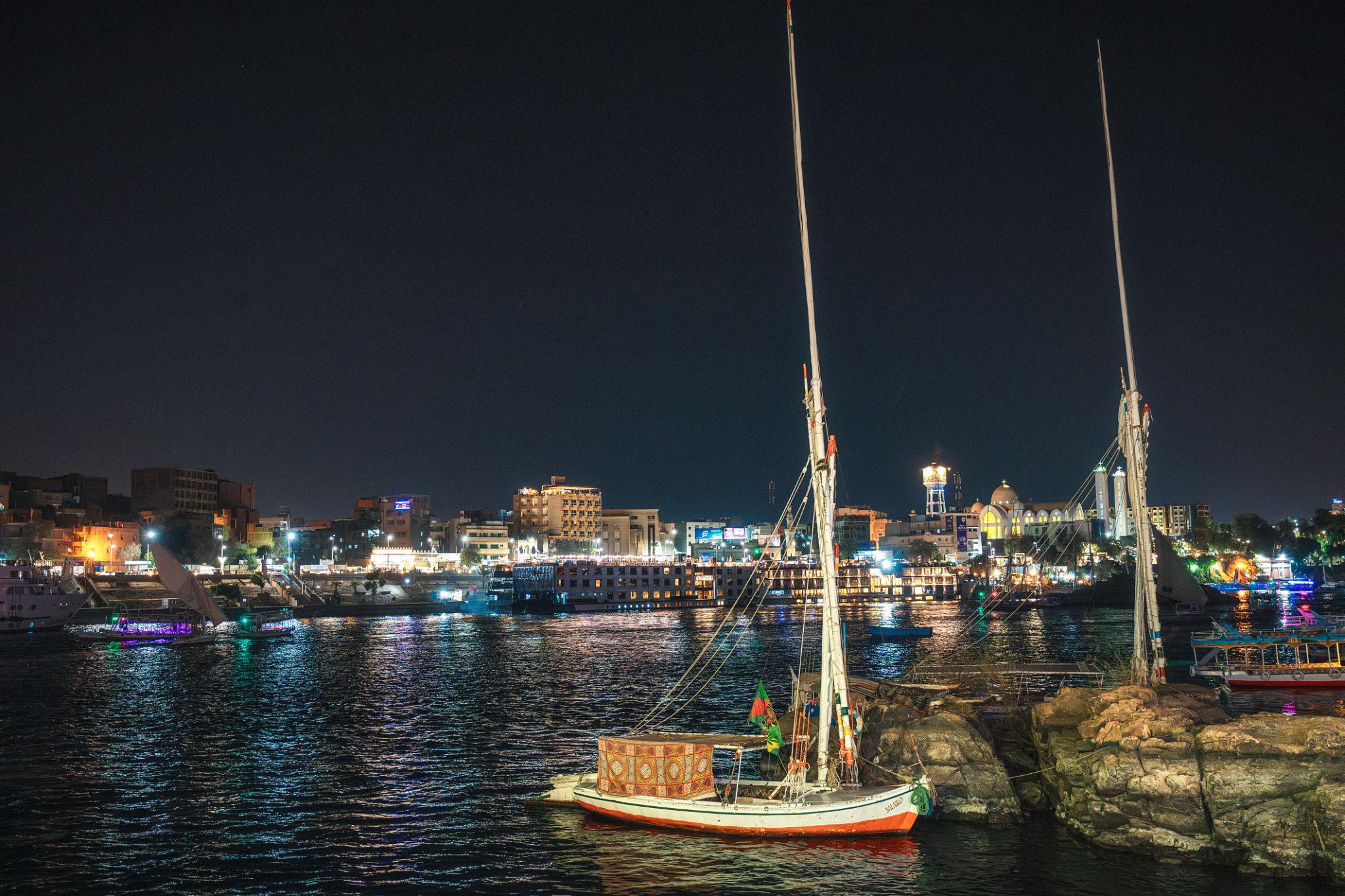
- Cairo on the Nile: dinner cruises with music and a tanoura dancer are the classic choice. Confirm the boat is actually sailing at midnight on 31 December, since a standard evening cruise may be back at the dock long before. Our Cairo Nile dinner cruise can be timed for the night.
- Cairo's hotels: the riverside five-star hotels hold gala dinners with bands and countdowns, and fireworks have been visible over the Nile in past years, though no display is guaranteed.
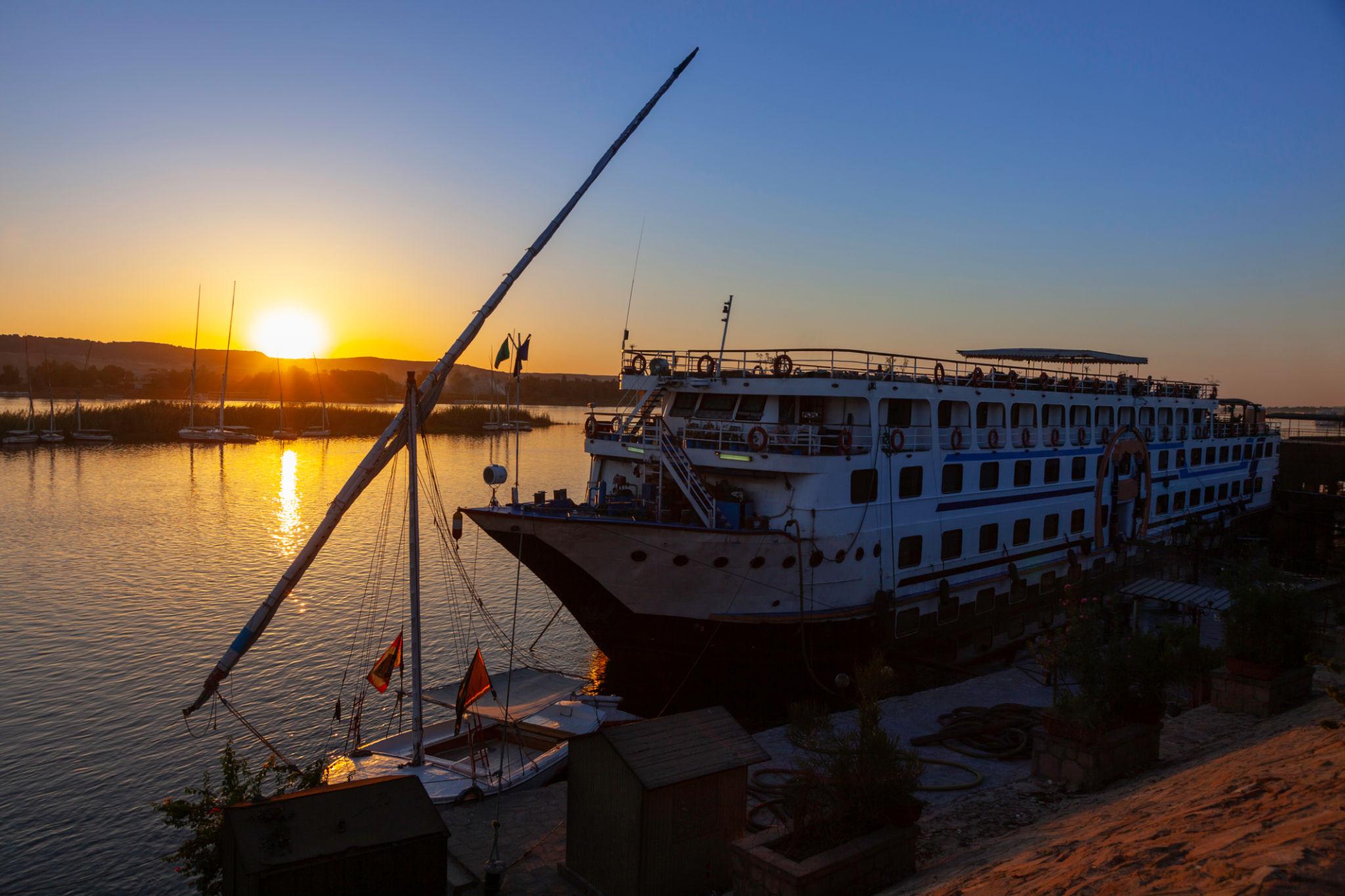
- On a Nile cruise: boats sailing between Luxor and Aswan over 31 December typically hold a gala dinner on board, often moored for the night at Edfu, Kom Ombo or Aswan.
- The Red Sea: Sharm el-Sheikh is the liveliest, with Naama Bay and the entertainment complexes around Sharks Bay, while Hurghada and El Gouna mix resort parties with bars and restaurants. Our Red Sea pages compare the resorts.
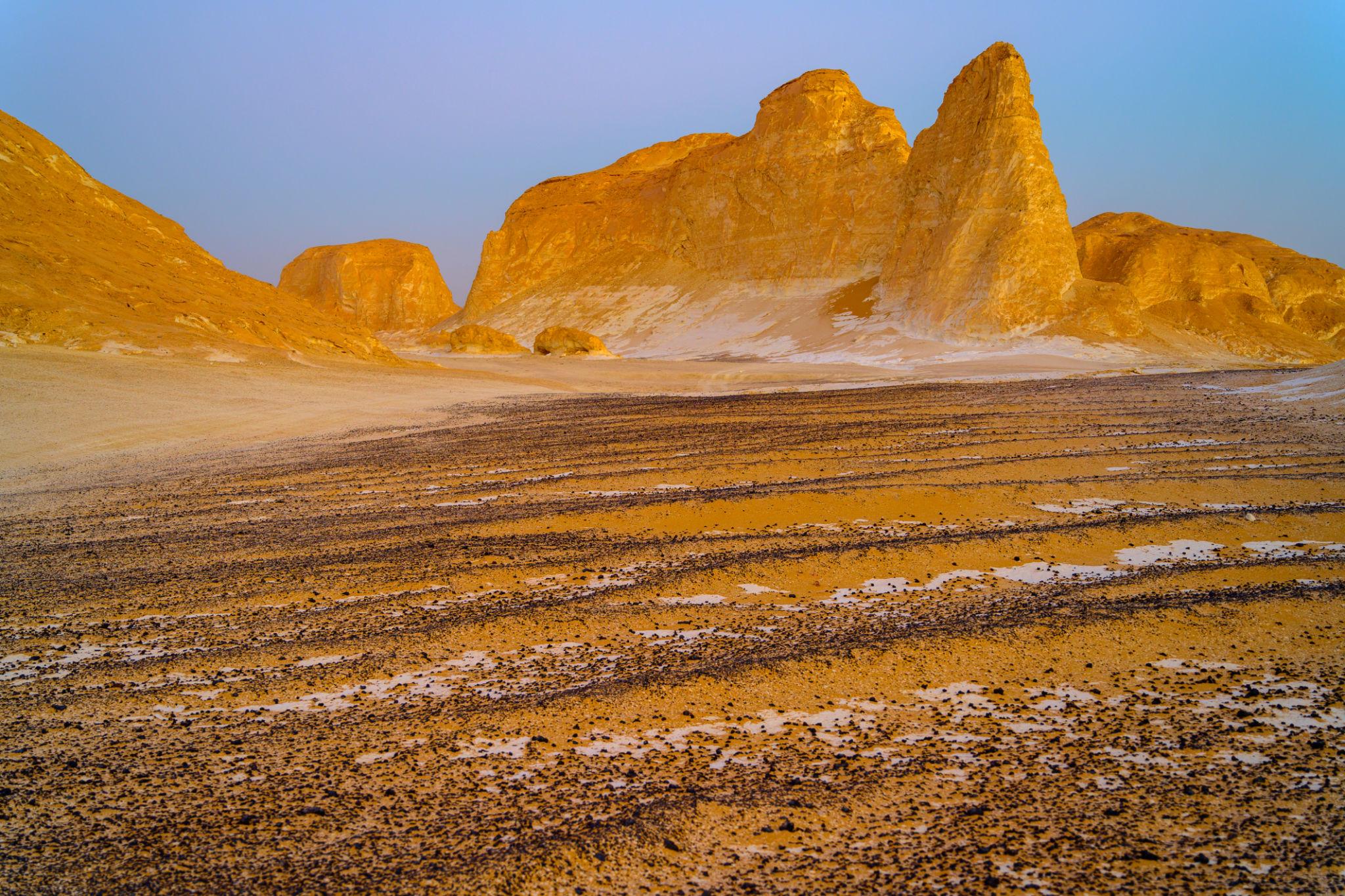
- In the desert: a campfire, dinner cooked over the coals and a sky full of stars in the White Desert or at a Bedouin camp in Sinai. Romantic and memorable, but nights fall close to freezing, so take it seriously.
Do not plan around a public event at the pyramids. The Giza plateau is a daytime visit, and nothing at midnight on 31 December should be assumed unless officially announced.
Warning: Gala Supplements and Minimum Stays
The most common unpleasant surprise of an Egyptian Christmas or New Year is a bill for a dinner you did not choose. Some hotels and Nile cruise boats make the 24 or 31 December gala dinner compulsory for anyone staying that night, and the charge is not always included in the package price first shown. New Year supplements quoted for late 2026 range from about 60 to 220 GBP (roughly 80 to 290 USD) per person, before drinks.
Before booking, ask three questions: is the gala mandatory, what does it include, and is it already in the price? Ask too about children's rates and minimum-stay rules, which some hotels apply over the festive nights. A cheaper room with a compulsory 150 GBP dinner attached can easily cost more than a dearer one without.
Logistics for the Festive Fortnight
This is the one period in the Egyptian calendar when everything sells out. Cruise cabins over Christmas and New Year, sleeper trains between Cairo and Luxor, domestic flights to Aswan and Abu Simbel, and the better-placed hotels in Luxor are often fully booked by November. For travel between about 20 December and 7 January we would book four to six months ahead and treat anything later as a matter of luck.
Expect the queues to match. Karnak, the Valley of the Kings, Abu Simbel, the Giza plateau and the Grand Egyptian Museum have their busiest days of the year, and the GEM's popular morning entry slots can sell out well ahead. Start early, use the last two hours before closing, and keep one day loose. Carry small notes, because staff on boats and in hotels expect a little extra at this time of year, and our money and tipping guide explains the going rates. The weather is reliably good, with the cold mornings and early sunsets our guide to Egypt in winter describes.
Insider Tip: Stay On for 7 January
The best-value trick of the season is to start your trip just after New Year rather than before it. From about 2 or 3 January rates begin to ease and the European crowds thin, yet you are still in Egypt for Coptic Christmas, with the fasting food, the kahk and the church services of 6 January. A trip that runs from roughly 2 to 12 January catches an authentic Christmas in Egypt, avoids the steepest supplements, and finishes just as the temples quieten down.
Our Pick: Where to Spend the Festive Season
For families with young children, the Red Sea wins: warm days, a pool, an easy Christmas lunch and none of the long sightseeing days that bore under-tens. Combine it with three days in Cairo for the pyramids and you have a balanced trip. For couples, a Nile cruise over Christmas or New Year is hard to beat, with a gala dinner on deck, Karnak and Edfu by day, and the river doing the work. For travellers interested in faith, history or simply a Christmas in Egypt unlike any at home, base yourself in Cairo for the first week of January and build the days around Old Cairo, the museums and Coptic Christmas Eve.
Planning Your Festive Trip
Start with the dates you can travel and work backwards. If you are fixed to school holidays, book the core of the trip, cruise cabins and hotels in Luxor and Aswan, as early as you can, and accept that the festive surcharge is part of the cost. If you have some flexibility, the weeks either side, roughly 10 to 20 December and 2 to 15 January, offer the same weather for noticeably less.
A Nile cruise from Luxor to Aswan across New Year, a few days in Cairo for Coptic Christmas, and perhaps a short Red Sea stay to finish is the shape most of our festive guests choose. Tell us your dates and who is travelling, and we will tell you honestly what is still available and where the season will treat you best.