Nothing trips up first-time visitors to Egypt quite like money. Between a fast-moving currency, a cash-first economy, and the constant low hum of baksheesh, even seasoned travelers can feel off-balance for the first day or two. This guide walks you through exactly how money works on the ground in 2026 so you can pay fairly, tip confidently, and stop second-guessing every transaction.
Understanding the Egyptian Pound
The local currency is the Egyptian pound, written EGP or LE (from the French "livre égyptienne") and spoken as "gineh." One pound divides into 100 piastres, but piastre coins are essentially extinct in daily life. You will deal in notes: 5, 10, 20, 50, 100, 200 EGP, plus newer polymer 10 and 20 notes that circulate alongside the old paper versions.
The pound has weakened sharply in recent years. As a rough guide for 2026, expect somewhere in the region of 48 to 52 EGP to the US dollar, but treat any quoted rate as approximate because it moves. The practical takeaway: prices in pounds look enormous, and a 1,000 EGP note is worth only around 20 USD. Mentally dividing by 50 gets you close enough.
### Why small notes are gold
The single most useful money habit in Egypt is hoarding small bills. Taxi drivers, kiosk owners, and tip recipients almost never have change, and "no change" is sometimes genuine and sometimes a soft attempt to keep the difference. Break your big notes at hotels, supermarkets, and busy restaurants, and keep a thick stack of 5, 10, and 20 EGP notes in a separate pocket for tips and small purchases.
Cash vs. Cards: What Actually Works
Egypt is still overwhelmingly a cash economy, especially outside five-star hotels and modern malls. Upscale restaurants, international hotels, larger shops, and most tour operators accept Visa and Mastercard; American Express is patchy. Bazaars, local cafes, taxis, small eateries, tipping, and most monument extras are cash only.
My rule of thumb: carry enough cash for a full day plus a buffer, and never assume a card will work even where stickers suggest it does. Card machines "break" with suspicious frequency when a vendor would rather have cash, and rural connectivity can be genuinely unreliable.
### A note on dynamic currency conversion
When you pay by card or use an ATM, you may be offered the choice to be charged in your home currency rather than EGP. Always decline and choose to pay in Egyptian pounds. The "convenience" conversion bakes in a poor exchange rate and an extra margin, typically costing you several percent for nothing.
Getting Cash: ATMs and Exchange
ATMs are widespread in cities and tourist areas, attached to banks like CIB, Banque Misr, and NBE. They are the most reliable way to get pounds at a fair rate. Expect withdrawal limits of roughly 4,000 to 6,000 EGP per transaction and a machine fee of around 50 to 100 EGP on top of whatever your home bank charges, so pull larger amounts less often.
For changing physical cash, use official exchange offices or bank counters; bring crisp, recent US dollars, euros, or British pounds, as torn or pre-2013 notes are often refused. Avoid changing money with strangers or in the street. Airport exchange counters work in a pinch but usually give slightly worse rates than in-town offices.
### How much cash to bring
A reasonable approach is to arrive with 100 to 200 USD in clean foreign notes as a backup, then rely mainly on ATMs once you are settled. This covers your airport transfer, first tips, and a meal even if your card has a hiccup on day one.
What Is Baksheesh, Really?
Baksheesh is the word you will hear constantly. It loosely covers three distinct things that English lumps together: tipping for service rendered, small charitable giving, and a small payment to grease a favor or access. It is woven deep into the culture and is not, by itself, a scam; many service workers earn very low base wages and genuinely rely on it.
The mindset that works best is generous but firm. You tip because someone helped you, not because you were pressured, and a confident smile plus a polite "la, shukran" (no, thank you) handles the rest when an ask feels unearned.
Tipping at Hotels and Restaurants
### Hotels
For porters, plan on roughly 20 to 50 EGP per bag depending on the hotel tier. Housekeeping appreciates around 30 to 50 EGP per day, left daily rather than at the end since staff rotate. A helpful concierge who books something for you might get 50 to 100 EGP.
### Restaurants
Mid-range and upscale restaurants usually add a 12 percent service charge plus taxes, but that service charge often does not reach the waiter. Leaving an extra 5 to 10 percent in cash is normal and welcome. At a casual local spot, simply rounding up or leaving 10 to 20 EGP is fine. For a quick coffee or street snack, a few pounds in the tip jar is plenty.
Tipping Guides, Drivers, and at Monuments
Your Egyptologist guide and driver are usually the people who most shape your trip, and tips here are larger and discretionary.
### Guides and drivers
As a 2026 ballpark, a private full-day guide merits something like 300 to 500 EGP (roughly 6 to 10 USD) per day from the group, and a driver around 150 to 300 EGP per day. On a multi-day private tour, many travelers prefer to tip a lump sum at the end. If you booked through a reputable operator, ask them what is customary; a good company will give you honest ranges rather than inflated ones.
### Inside the sites
At temples and tombs, expect a steady stream of small baksheesh requests: a guard who unlocks a gate, points out a relief, or offers to take your photo will expect 10 to 50 EGP. Be aware that being beckoned past a barrier or invited to take a forbidden photo can lead to an awkward demand afterward, so know the rules before you accept any "help." Bathroom attendants expect 5 to 10 EGP, and it is worth carrying tissues since paper is not guaranteed.
Bargaining in the Bazaars
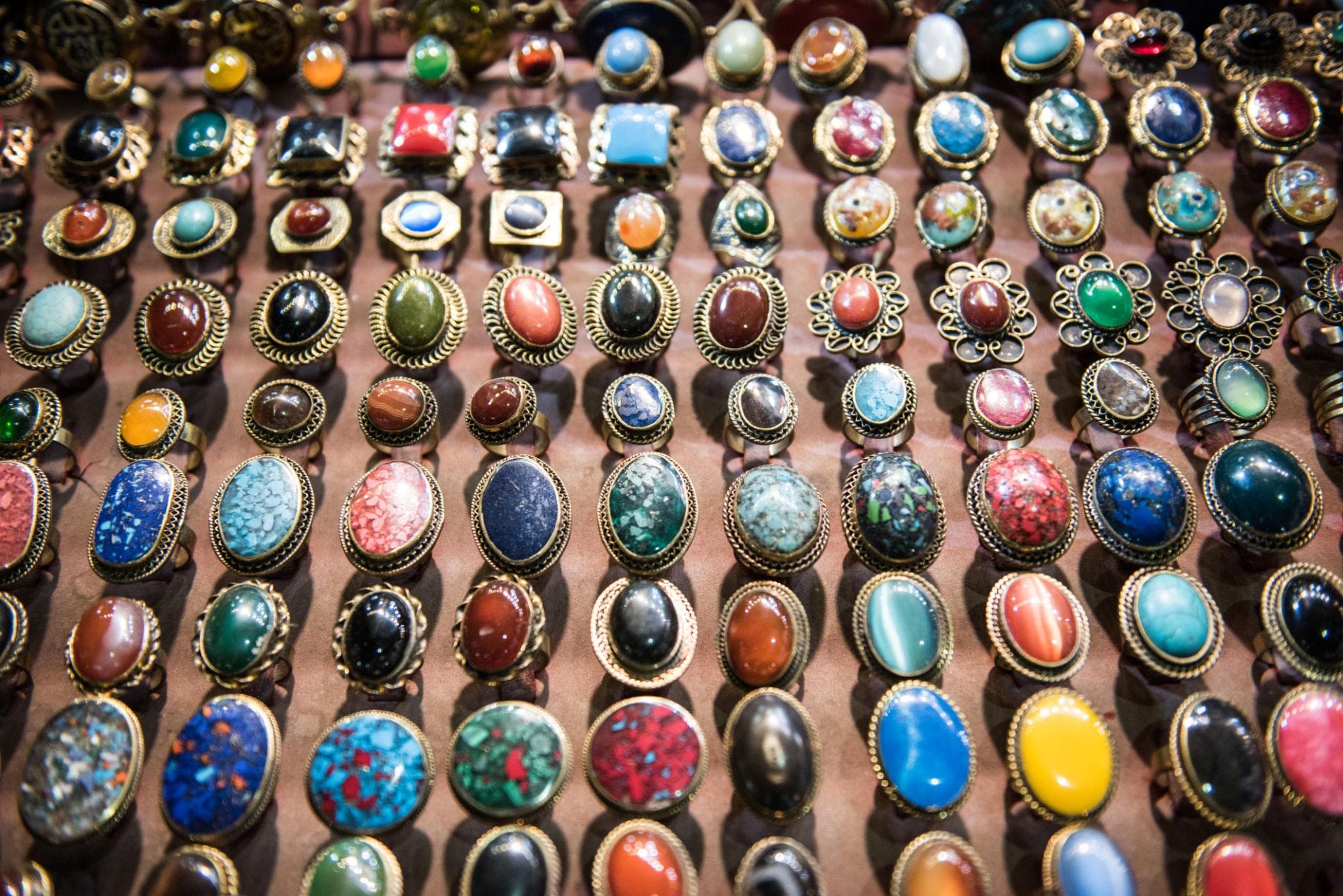
In markets like the famous Khan el-Khalili in Cairo, prices are a starting point, not a fact. Haggling is expected and, done with humor, genuinely enjoyable. A common approach is to counter at roughly 40 to 50 percent of the first asking price and settle somewhere in the middle, though margins on souvenirs are huge and the "right" price is simply what both sides accept.
### Practical bargaining tips
Decide what an item is worth to you before you start, and be ready to walk away; walking often produces the real price. Shop with the cash you intend to spend already in hand and your larger notes stowed elsewhere. And never start negotiating, or let a vendor wrap something, unless you genuinely intend to buy.
Common Money Scams to Sidestep
Most interactions are honest, but a handful of money tricks recur. The "papyrus" and "essence oil" shops pay drivers commissions to deliver you; you are free to decline. Watch for short-changing on big notes, especially at night or in a rush, by counting your change before you move on. Be skeptical of anyone offering to change money at a "special" rate, and ignore the classic line that an attraction is "closed" but a friend can show you somewhere better.
### The airport arrival squeeze
The moment of arrival is when you are most tired and least oriented, which is exactly why pre-arranging your transport matters. Settling the price and the currency in advance removes the curbside negotiation entirely and sets a calm tone for the trip. A reliable Cairo Airport Transfer means a named driver, a fixed fare, and no haggling at midnight after a long flight.
Quick Reference: Sensible 2026 Amounts
- Porter: 20 to 50 EGP per bag
- Housekeeping: 30 to 50 EGP per day
- Restaurant extra (above service charge): 5 to 10 percent
- Cafe or snack: a few pounds to 20 EGP
- Site guard or helper: 10 to 50 EGP
- Bathroom attendant: 5 to 10 EGP
- Private guide: 300 to 500 EGP per day, per group
- Private driver: 150 to 300 EGP per day
- Taxi rounding: round up to the nearest 10 or 20
These are guidelines, not rules. Tip more for warmth and genuine help, less or nothing for pressure, and always with a smile.
Planning Your Cairo Arrival
Getting the money side right starts before you even reach your hotel. Arriving with a little clean foreign cash, a plan for ATMs, and a pre-booked driver removes the most stressful financial decisions from your first hours in the country. Pair this guide with a smooth Cairo Airport Transfer and you will walk into Egypt relaxed, with small notes ready and your bearings intact, free to enjoy the bazaars and baksheesh as the lively part of the culture they are.