A bowl of koshari in Cairo costs less than a cup of coffee in London, and a single ticket into the Great Pyramid costs about the same as a night in a simple Luxor guesthouse. Egypt is full of contradictions like that, which is why no honest Egypt trip cost comes as a single number. A frugal traveller can see the pyramids, Karnak and Abu Simbel for well under a thousand dollars plus flights; a couple on a dahabiya with private guiding can spend ten times that and feel they had value for money.
This guide sets out a realistic Egypt trip cost for autumn 2026 and the 2026/27 season, item by item and in three tiers: budget, mid-range and luxury. It covers the visa, hotels, Nile cruises, domestic flights and trains, guides, entrance fees, food, tips and SIM cards, then adds them up into sample totals for seven and ten days. Every figure is per person, assumes two people sharing a room, and excludes international flights unless we say otherwise. Where we could not pin a price down precisely, we give a range and say so.
At a Glance
Exchange rate: about 55 EGP to the US dollar in late October 2026; we quote in dollars because cruises and hotels usually do
Budget tier: roughly 60 to 100 USD per person per day, sightseeing included
Mid-range tier: roughly 170 to 280 USD per person per day
Luxury tier: roughly 350 to 800 USD per person per day, more on the most exclusive cruise ships or a chartered dahabiya
Seven days, mid-range: about 1,200 to 2,000 USD per person before international flights
Visa: about 30 USD for a single-entry tourist visa, online or on arrival, as of 2026
Entrance fees: around 9,000 EGP (165 USD) for a classic route; about 13,200 EGP (240 USD) with the big tomb and pyramid add-ons
Cheapest months: May to September for cruises and hotels, if you can take the heat
Most expensive weeks: Christmas to New Year, and Easter
Why the Exchange Rate Matters Less Than You Think
The Egyptian pound has lost most of its value against the dollar over the past few years. Since the Central Bank let it float in March 2024 it has mostly traded between the high 40s and the mid 50s to the dollar, and in late October 2026 it stood at about 55. To a visitor, prices in pounds look enormous and feel trivial: 1,000 EGP, five of the largest 200-pound notes, is worth less than 20 USD.
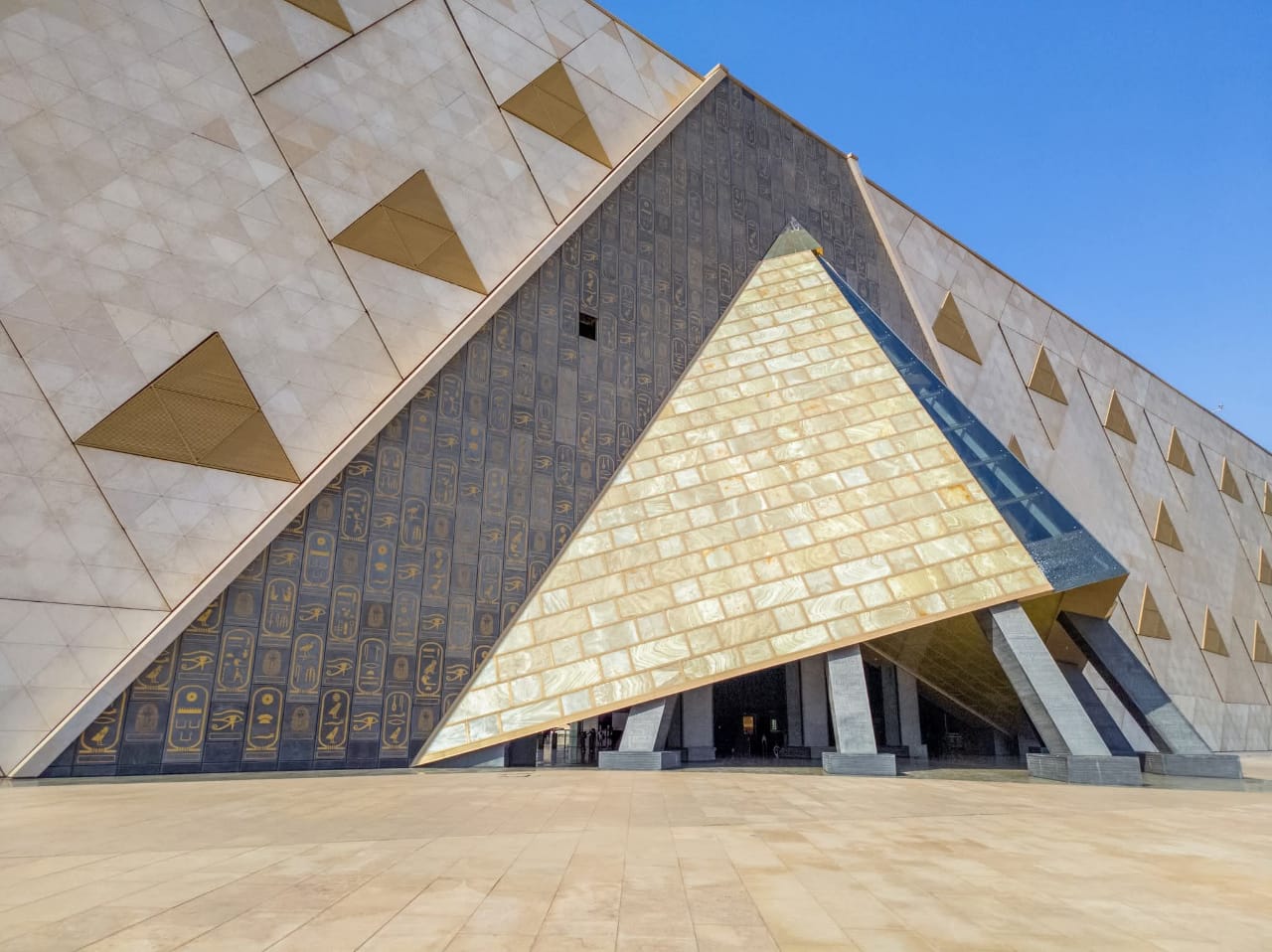
The catch is that much of what a visitor buys is not priced in pounds. International hotels, Nile cruises, dahabiyas, the sleeper train, the Luxor and Cairo passes and most tour packages are quoted in dollars or euros, so a weaker pound does not make them cheaper. What a weak pound does make cheap is everything local: taxis and Uber, street food, café tea, pharmacy kit, souvenirs, and most entrance tickets, which are set in pounds. The Grand Egyptian Museum is a partial exception: its board set the 1 November 2026 rise as an extra 5 USD for foreign visitors, converted into pounds, which puts the foreign ticket at 1,830 EGP.
The practical upshot for an Egypt trip cost is that budget travellers, who spend mostly in pounds, feel the currency slide most. Travellers on cruises and packages feel it least, because the big-ticket items are already in hard currency. Our money and tipping guide covers ATMs, cards and how much cash to carry.
Three Daily Budgets for 2026 and 2027
These are our working figures per person per day, sharing a double room, as of autumn 2026. They include an average day's sightseeing but not international flights.
Budget, 60 to 100 USD: simple hotels or guesthouses, street food and local restaurants, trains and Uber, sites visited independently
Mid-range, 170 to 280 USD: four-star or good boutique hotels, a standard five-star Nile cruise, domestic flights, a private guide on the big days
Luxury, 350 to 800 USD: landmark hotels, a top-tier cruise or dahabiya, private Egyptologist and car throughout, business-class domestic seats where offered
The budget tier has risen more than people expect. Older guides quote 25 to 40 USD a day for backpackers, but tickets alone now average 20 to 30 USD per sightseeing day, because the most popular sites cost 500 to 1,830 EGP each. Our Egypt on a budget guide has the money-saving habits, but the floor is higher than old blogs suggest.
Flights and the Visa
International fares vary too much by origin and season for a single figure. As a loose guide, return economy fares from Western Europe often land in the low to mid hundreds of pounds or euros, and from North America more often around 700 to 1,400 USD, with Christmas, New Year and Easter at the top of the range. Fly into Cairo for most itineraries; Luxor and Hurghada also take international flights, and Sphinx International Airport west of Giza is a newer option.
Most Western nationalities need a visa. As of 2026 a single-entry tourist visa costs about 30 USD, either as an e-visa on the official government portal or as a sticker bought from the bank counters in the arrivals hall, payable in cash. A multiple-entry visa costs more and only makes sense if you are leaving and coming back, for instance via Jordan. Our Egypt visa guide explains both routes and the copycat websites to ignore.
Hotels by City and Tier
Cairo is the most expensive city to sleep in and the most varied. As of autumn 2026, a clean, simple double in a Downtown or Giza guesthouse runs roughly 20 to 50 USD a night, a good four-star or boutique hotel roughly 70 to 150 USD, and the landmark five-stars on the Nile or facing the pyramids roughly 200 to 600 USD, with suites far beyond. Luxor and Aswan are cheaper at the bottom and middle, especially on Luxor's West Bank and in Aswan's Nubian guesthouses, while their grand historic hotels charge Cairo prices for the best rooms.
Watch for rates quoted "plus plus" at larger hotels, which add a service charge and 14 percent VAT to the headline figure. And check what is included: breakfast is standard at most mid-range hotels, while airport pick-ups, which matter more in Cairo than anywhere else, usually cost extra.
Nile Cruises and Dahabiyas
For most travellers the cruise is the largest single line in the budget, and the best value. A three or four-night sailing between Luxor and Aswan on a standard five-star ship generally costs somewhere around 450 to 1,000 USD per person sharing, as of autumn 2026, full board. Deluxe and top-tier ships with larger cabins and balconies run roughly 1,400 to 3,500 USD per person for three or four nights, and the most exclusive boats can cost more. Cheaper cruise-only fares are advertised, but they frequently exclude guiding and entrance fees, which can add 100 USD or more per person across the trip.
A dahabiya, the small sailing boat carrying around 8 to 20 guests, is a different product and a different price: from a few hundred dollars per person per night up to 900 USD or more on the most polished boats, usually with guiding and excursions included. Our dahabiya guide sets out who it suits and how it compares with the big ships. Our own four-day Luxor to Aswan cruise includes the entrance fees and an Egyptologist, which makes like-for-like comparison easier.
Getting Around: Domestic Flights, Trains and Cars
The Cairo to Luxor or Aswan flight takes about an hour, and as of 2026 one-way fares typically run from about 50 to 180 USD depending on the airline, how early you book and the season, with Aswan and last-minute fares at the upper end. Most itineraries use two: Cairo to Luxor at the start, Aswan back to Cairo at the end, often with Abu Simbel as a separate hop or a road trip.
The overnight sleeper between Cairo and Luxor or Aswan is priced in dollars for foreigners, typically about 95 to 125 USD per person in a shared two-berth cabin, or roughly 135 to 170 USD for a cabin to yourself, with dinner and breakfast included, and it saves a hotel night. Day trains are far cheaper and slower. In the cities, Uber and Careem make getting around inexpensive: a cross-town ride in Cairo is commonly 60 to 150 EGP, and Downtown to the Grand Egyptian Museum about 150 to 300 EGP depending on traffic. A private car and driver for a full day in Cairo and Giza, or a pre-booked Cairo airport transfer, costs more but removes the haggling and the guesswork.
A licensed private Egyptologist is the item that varies most. Booked through an operator, expect roughly 80 to 200 USD a day depending on language, season and experience, with the car on top. Shared between two or more people, that is one of the best-value lines in the whole budget.
Entrance Fees: The Line People Underestimate
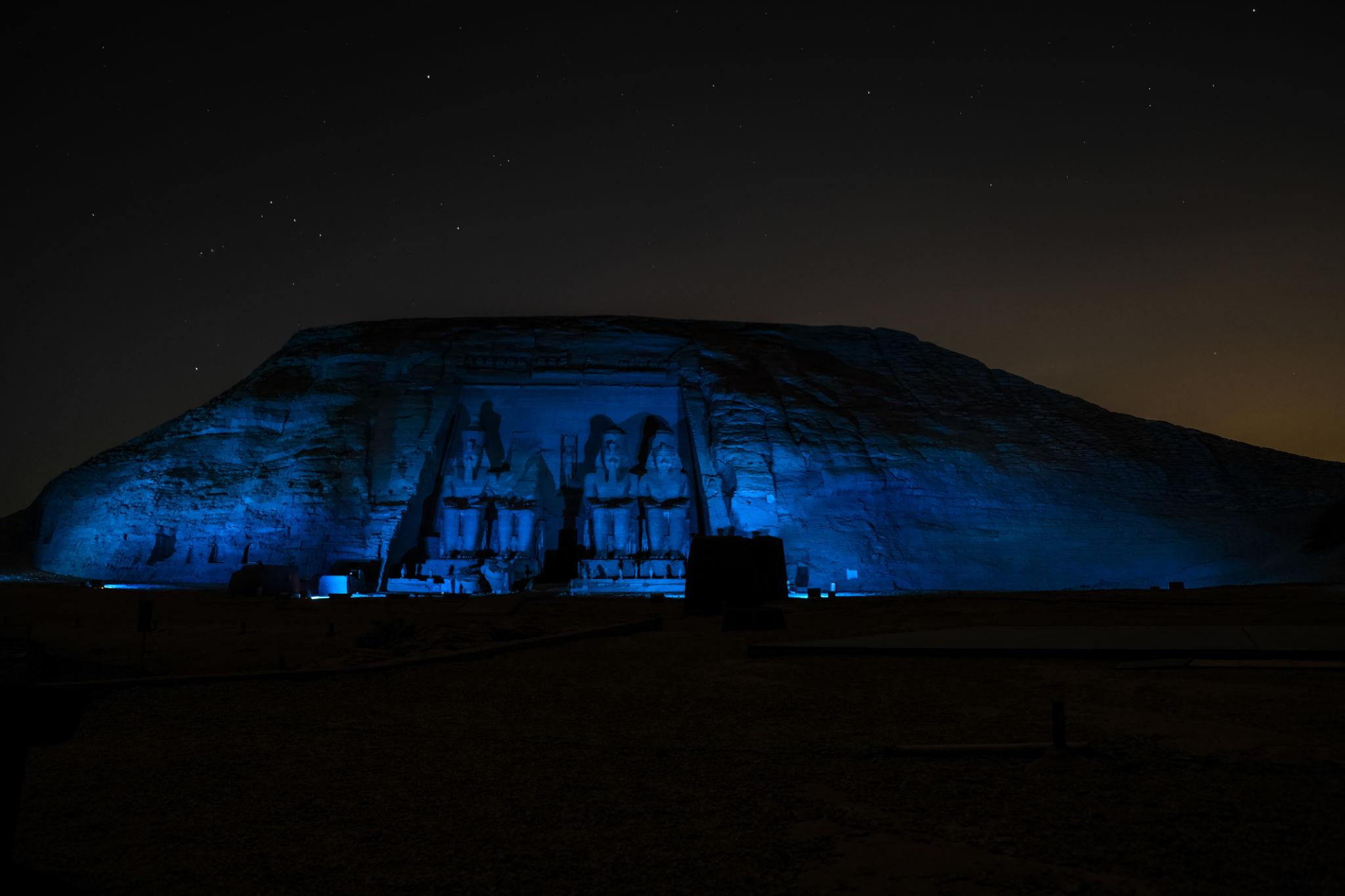
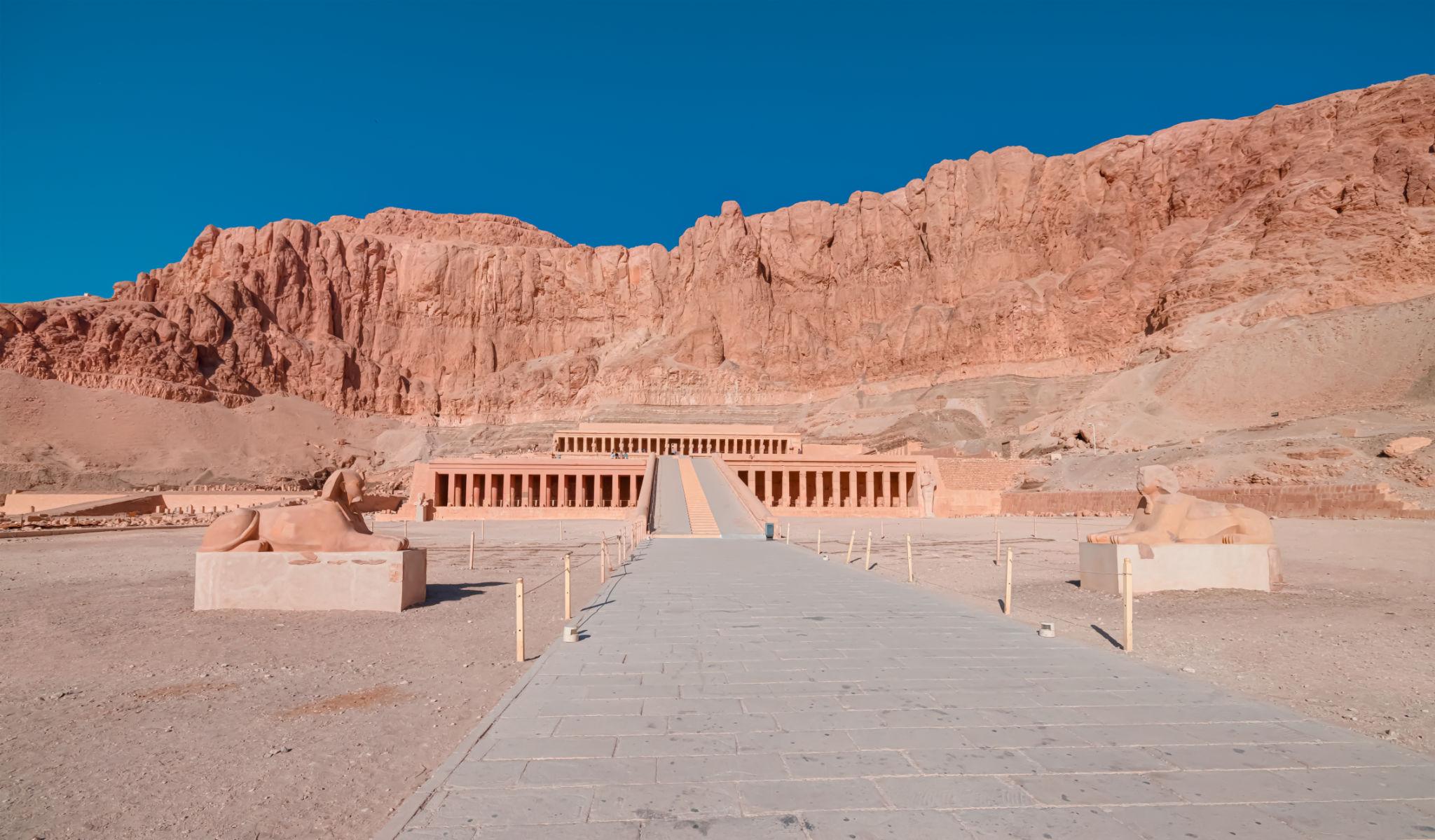
Entrance fees are now a serious part of any Egypt trip cost. As of autumn 2026 the Giza plateau is 700 EGP, the Great Pyramid interior 1,500 EGP extra, the Grand Egyptian Museum 1,830 EGP from 1 November, Karnak 600 EGP, the Valley of the Kings 750 EGP for three tombs, and Abu Simbel 750 EGP. A classic route taking in Giza, the GEM, Saqqara, the Egyptian Museum, the Citadel, Karnak, Luxor Temple, the Valley of the Kings, Hatshepsut, Medinet Habu, Edfu, Kom Ombo, Philae and Abu Simbel comes to about 9,000 EGP, around 165 USD.
The add-ons are what move the total. Tutankhamun's tomb is 700 EGP, Seti I is 2,000 EGP, and the Great Pyramid interior adds 1,500 EGP; take all three and the total reaches about 13,200 EGP, around 240 USD. Students with a valid card pay roughly half at most sites. Our Egypt ticket prices guide lists every site, explains card-only payment, and works through whether the Luxor and Cairo passes still pay off. Most private tours, ours included, bundle entrance fees into the price.
Food, Baksheesh, SIM Cards and the Small Stuff
Eating well in Egypt is still cheap if you eat where Egyptians eat. Koshari, ful and ta'ameya sandwiches cost a dollar or two; a full meal at a busy local restaurant is commonly 150 to 300 EGP; smarter restaurants in Zamalek or on the Corniche cost several times that, usually with a 12 percent service charge and tax added; and hotel or rooftop dining in Cairo and Luxor costs much what it would in Europe. On a cruise, meals are included and drinks are not.
Tips are part of how wages work here, and they add up. On a guided trip, set aside roughly 10 to 25 USD per person per day for everything: guide, driver, cruise crew, porters, and the small 10 to 50 EGP coins of baksheesh for toilet attendants and tomb guardians. Travelling independently, the figure is lower.
Connectivity is cheap. As of 2026, a tourist SIM bundle at Cairo airport runs roughly 500 to 800 EGP for 15 to 30 GB, cheaper in town, and a tourist eSIM roughly 15 to 30 USD. Add travel insurance, which no one should skip, and any optional extras: a sunrise balloon over Luxor's West Bank runs roughly 75 to 150 USD per person.
Sample Egypt Trip Cost for Seven and Ten Days
Seven days is the classic short loop: three nights in Cairo with Giza, the GEM and Saqqara, a flight to Luxor, a three-night cruise to Aswan, and a flight back. Ten days adds Abu Simbel, an extra night in Luxor or Aswan, and a slower pace.
Budget, seven days: about 500 to 800 USD, using guesthouses, a sleeper or day train instead of the cruise, and independent sightseeing
Budget, ten days: about 700 to 1,100 USD
Mid-range, seven days: about 1,200 to 2,000 USD, with four-star Cairo hotels, a standard five-star cruise, two domestic flights and guides on the big days
Mid-range, ten days: about 1,700 to 2,800 USD
Luxury, seven days: about 2,500 to 5,500 USD
Luxury, ten days: about 3,500 to 8,000 USD, with a top-tier cruise or dahabiya and private guiding throughout
All are per person sharing, as of autumn 2026, and exclude international flights. For the routes themselves, see our seven-day itinerary, which extends naturally to ten days.
Warning: Where Travellers Overpay
Most overspending in Egypt is not dramatic. It is a series of small premiums paid for convenience or out of uncertainty.
- Visa websites that look official but charge 60 to 100 USD for the same 30 USD visa
- GEM tickets bought through resellers rather than the museum's own official website
- Cruise-only fares that look cheap until guiding and entrance fees are added on the boat
- Card terminals and ATMs that offer to charge in your home currency; always choose Egyptian pounds
- Taxi touts at Cairo airport after a night flight, when a fixed-price transfer costs little more
- Commission-driven stops at papyrus, perfume and alabaster shops, which you are free to decline
- The Luxor Pass, which no longer pays for itself for most visitors at current exchange rates
None of these is a reason for anxiety. They are simply the places where a small amount of planning pays for itself several times over.
Good to Know: When Private Beats Do-It-Yourself
A private tour is not automatically the expensive option. For one person travelling alone, independent travel is almost always cheaper. For two, the gap narrows. For three or four, a private car and Egyptologist shared between you often costs little more per head than doing it yourself, especially once you price in airport transfers, taxis between sites and the occasional overpayment.
The cases where private wins most clearly are short trips, where every hour counts; families, where flexibility matters more than a few dollars; and logistically awkward days such as Abu Simbel from Aswan, Saqqara and Dahshur in one go, or the West Bank in summer, where a car waiting in the shade is worth paying for. Where DIY wins is long, slow trips on a tight budget, when time is cheap and the learning is part of the pleasure.
Pro Tip: Shoulder Weeks Cut the Cruise Bill
Cruise and hotel prices follow the weather and the European holidays. Summer rates from May to September are commonly 15 to 30 percent lower than winter, but Luxor and Aswan in July and August are fiercely hot. The sweet spot is the edges of the season: early October, the first half of December, and late April into May, when prices soften but days remain manageable. Avoid the fortnight from Christmas to New Year if cost matters, since the same cabin can cost markedly more and sells out early.
Planning Your Egypt Trip Cost
Start with the fixed points: how many days, which month, and whether a cruise is in the plan. Those three answers set most of the budget, and everything else can flex. Then decide where you want to spend: a dahabiya instead of a big ship, a private guide for the Valley of the Kings, or simply more time.
If you would like a costed plan rather than a range, our ten-day grand tour of Egypt shows how a complete trip fits together, and our pyramids and GEM day is a sensible first-day building block. Or tell us your dates and budget, and we will give you a straight figure with everything included, and tell you honestly where it is worth spending more and where it is not.