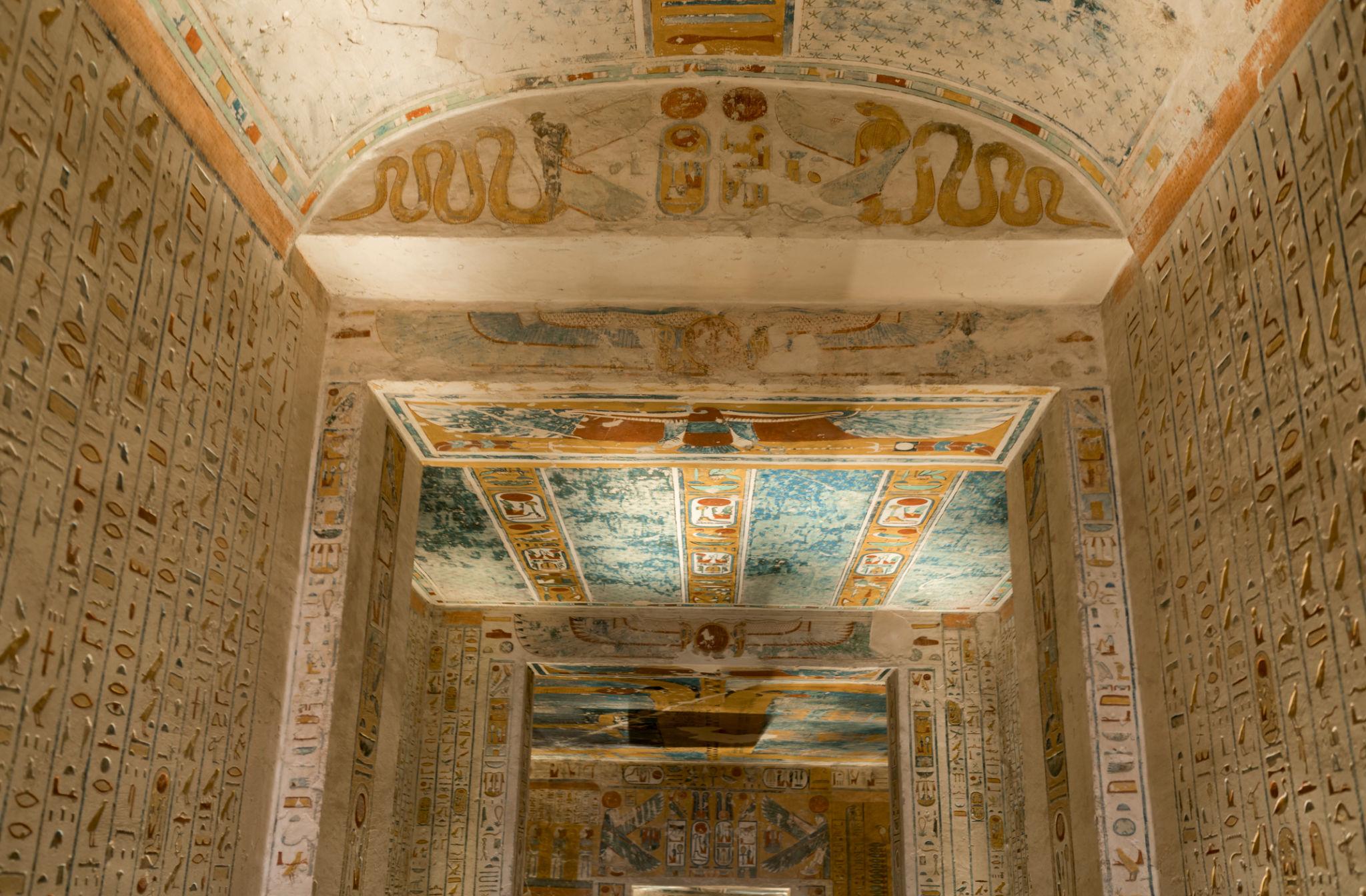
The most expensive ticket in Egypt is not for the pyramids. It is a 2,000 EGP slip of paper for the tomb of Seti I in the Valley of the Kings, about 36 USD for a descent into the most lavishly decorated tomb in the valley, and it is one of the few tickets in the country where a student pays exactly the same as everyone else. The standard Valley ticket that covers three royal tombs costs 750 EGP. The gap between those two numbers is a fair introduction to how Egypt ticket prices work: a modest area fee, then a menu of add-ons that can double or triple the bill.
This guide lists the foreign-visitor prices for every major site from Giza to Abu Simbel as of autumn 2026, drawn from the Ministry of Tourism and Antiquities' own site pages and recent Egyptian press reporting. Where the official figures and current reporting disagree, we say so rather than quietly pick one. We also run the arithmetic on the Luxor Pass and Cairo Pass, explain how to pay now that most windows want a card, and flag the one famous tomb you cannot currently enter at any price.
At a Glance
Prices quoted: foreign adult rates in Egyptian pounds, as of autumn 2026
Exchange rate: about 55 EGP to the US dollar and 62 EGP to the euro in late October 2026, the rates used throughout
Giza plateau: 700 EGP, with the Great Pyramid interior 1,500 EGP on top
Grand Egyptian Museum: 1,570 EGP, rising to 1,830 EGP on 1 November 2026, booked online
Valley of the Kings: 750 EGP for three tombs; Tutankhamun 700 EGP and Seti I 2,000 EGP extra
Students: roughly half price with a valid student card, except at Seti I
Children: under six enter free at most sites
Payment: card at most ticket windows; the Luxor and Cairo passes in US dollars or euros, cash
Closed: the tomb of Nefertari, shut since March 2024
Next changes: the GEM rise on 1 November 2026 and a reported NMEC rise in April 2027; treat every figure here as a snapshot
How Egypt Ticket Prices Work
Egypt runs a two-tier system. Egyptian citizens pay a small fraction of the foreign rate, while foreign visitors pay prices set by the Supreme Council of Antiquities, with reduced rates for foreign residents at some sites. At the Grand Egyptian Museum, Arab and other foreign visitors now pay the same rate. Almost every site sells an area ticket, and many sell separate tickets for the finest tombs or interiors inside it. Those add-ons are where budgets go wrong.
Prices are quoted in Egyptian pounds, which means the dollar cost moves with the currency even when the pound price stands still. The Grand Egyptian Museum is a partial exception: its board framed the November 2026 rise as 5 USD extra for foreign visitors, converted into pounds. The two passes are sold in hard currency, so their cost in pounds rises whenever the pound falls, as it did in October 2026.
Revisions are frequent and often, though not always, arrive in October or November. The GEM rise takes effect on 1 November 2026, the antiquities sites of Bahariya Oasis went from 100 to 400 EGP on 1 October 2026, and the most recent Great Pyramid increase we can confirm took effect on 1 January 2025. As of late October 2026 we have found no general rise announced for the other state sites. One more caveat, and it is an honest one: the Ministry's website is not always consistent with itself or with announced decisions, so where figures differ we give both.
Giza and the Grand Egyptian Museum
The Pyramids of Giza area ticket is 700 EGP (about 13 USD), 350 EGP for students. It covers the plateau, the pyramid exteriors, the Sphinx enclosure and the panoramic viewpoint, but none of the interiors. The Great Pyramid interior costs 1,500 EGP (about 27 USD), 750 EGP for students: that is the price announced from 1 January 2025 and repeated in every 2026 list we checked, though one page of the Ministry's site still shows 1,000 EGP. The Pyramid of Menkaure is 280 EGP and the painted tomb of Queen Meresankh III 200 EGP, both on top of the area ticket. Khafre's pyramid is also 280 EGP on the Ministry's November 2024 price list, though third-party lists vary, and the smaller pyramids are not always open, so check at the window. A car or taxi pays a separate 25 EGP vehicle fee at the gate.
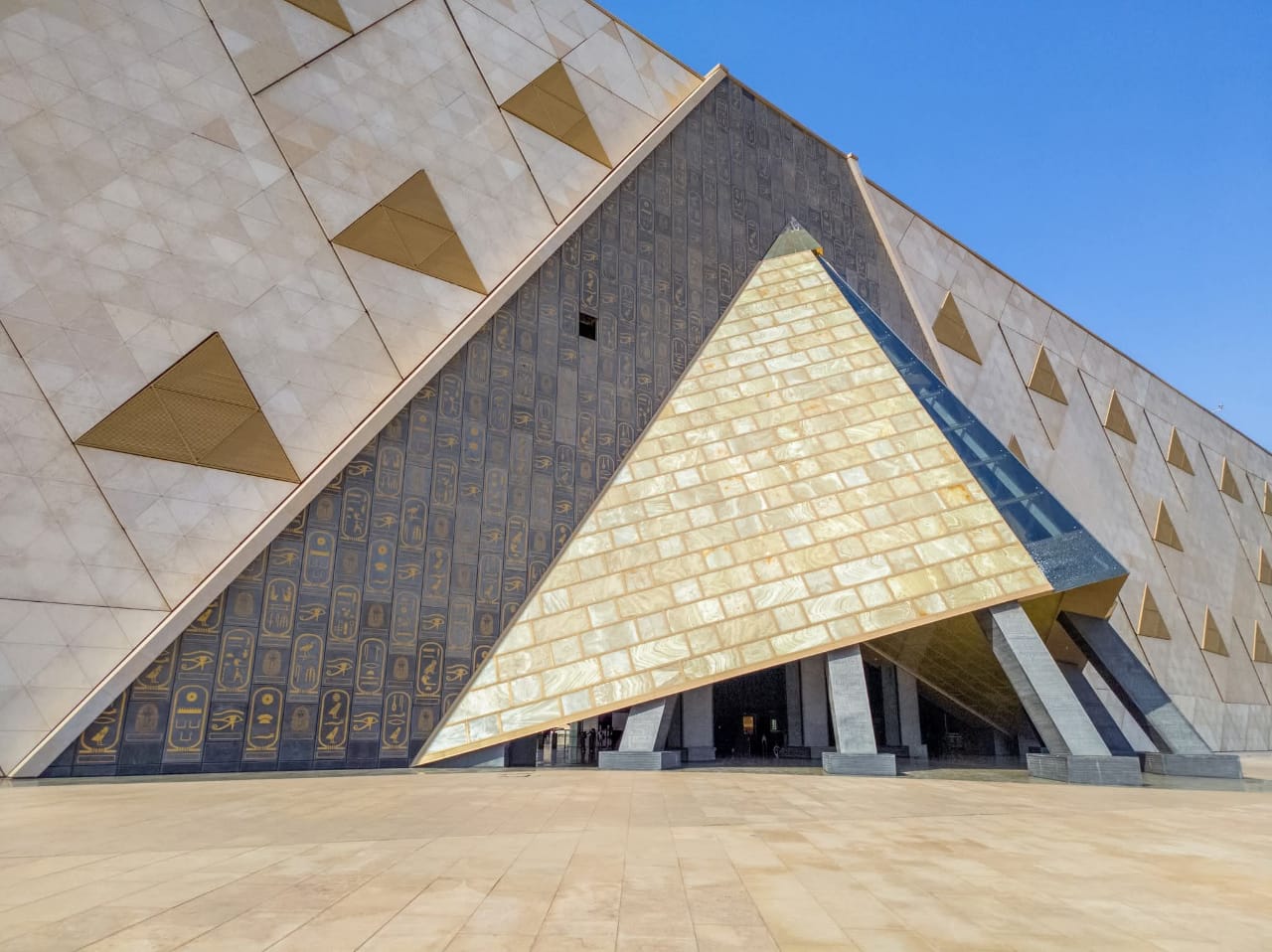
The Grand Egyptian Museum is a separate site about two kilometres away. Until 31 October 2026 a foreign adult pays 1,570 EGP and a foreign student or child 790 EGP; from 1 November those become 1,830 EGP (about 33 USD) and 920 EGP. Foreign residents of Egypt pay 920 EGP from the same date. Tutankhamun's galleries are included. Tickets are sold online through the museum's official website with a chosen entry time, they are non-refundable, and the museum describes that site as its only official seller. The galleries open from 9am to 6pm, and until 9pm on Wednesdays and Saturdays, which makes an evening visit the calmest way to see them. Our GEM visitor guide covers how to plan the day, and our pyramids and GEM combination tour handles both tickets for you.
Cairo's Museums, the Citadel and Saqqara
The rest of Cairo is priced in a tight band. The Egyptian Museum in Tahrir is 550 EGP, 275 EGP for students, with an audio guide at 75 EGP. The National Museum of Egyptian Civilization and its Royal Mummies Hall are 550 EGP, 300 EGP for students, with extra opening on Friday evenings; Egyptian press reported in October 2026 that the main ticket will rise to 700 EGP (350 EGP for students) in April 2027. Saladin's Citadel is 550 EGP, 275 EGP for students, plus a token 10 EGP if you use the cart. The Coptic Museum in Old Cairo is 280 EGP.
Saqqara is where the add-ons multiply. The area ticket is 600 EGP; the Step Pyramid of Djoser is 280 EGP more, the Serapeum 340 EGP, the tomb of Mereruka 200 EGP, the southern tomb in Djoser's complex 300 EGP, and the noble and New Kingdom tombs 400 EGP. An inclusive ticket at 1,400 EGP (700 EGP for students) bundles the site, the Imhotep Museum, the noble and New Kingdom tombs, Mereruka and Mehu, although the Ministry's listing does not mention the Step Pyramid or the Serapeum as part of it. Dahshur, with the Bent and Red Pyramids, is a bargain at 200 EGP, and the open-air museum at Memphis is around 200 EGP.
Luxor's East Bank
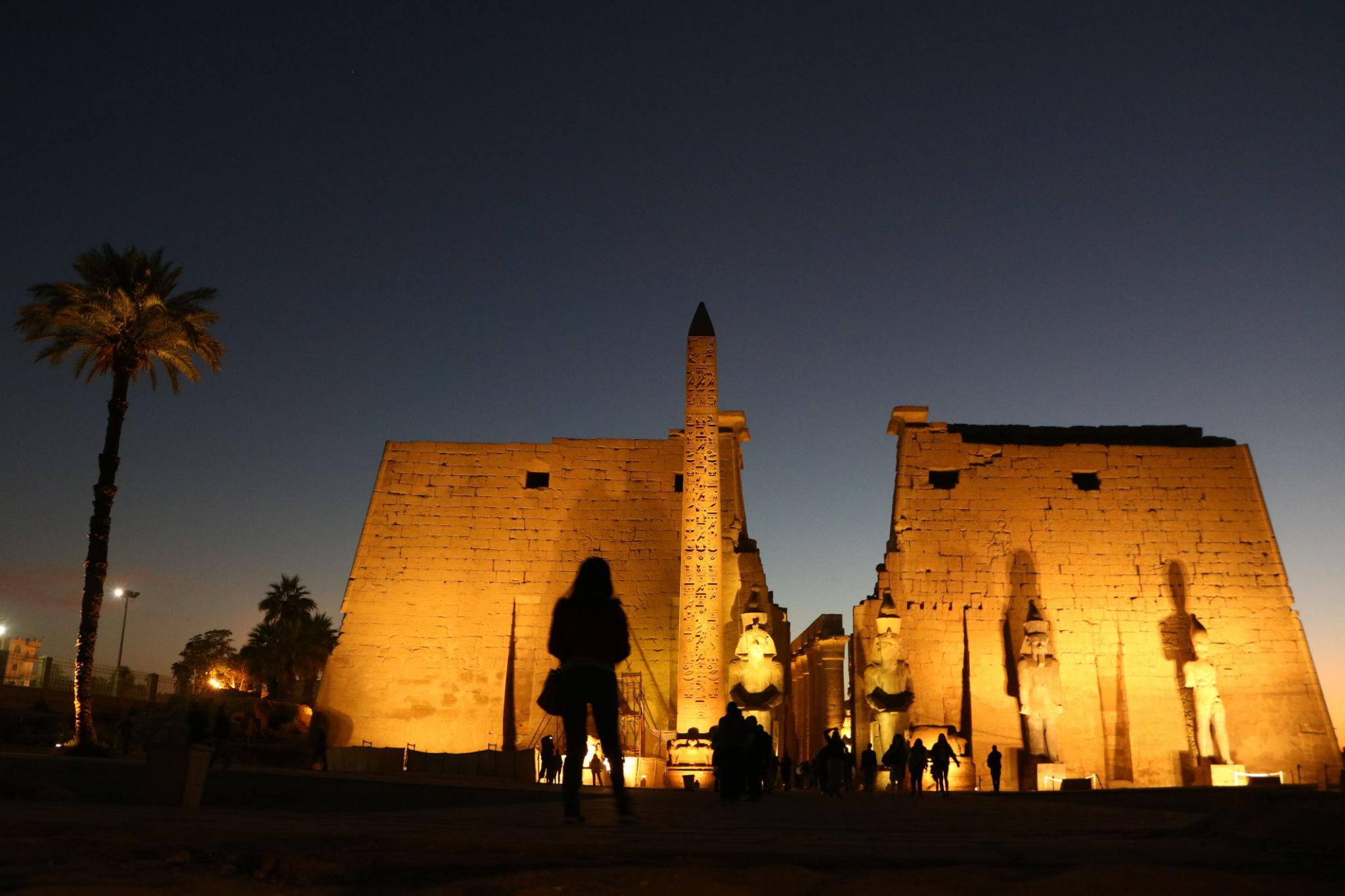
Karnak Temple is 600 EGP, 300 EGP for students, and that ticket includes Karnak's Open Air Museum, which most visitors walk straight past. The Temple of Mut, south of the main precinct, is a separate 200 EGP. Luxor Temple is 500 EGP and, by the Ministry's listing, stays open until 8pm, the hour when its colonnades look their best under floodlight. The Luxor Museum is 400 EGP and the small Mummification Museum on the Corniche 220 EGP.
Both Karnak and the West Bank sites open at 6am. That first hour is worth more than any discount: cooler air, low light on the pylons, and the coach groups still at breakfast.
The West Bank and the Royal Tombs
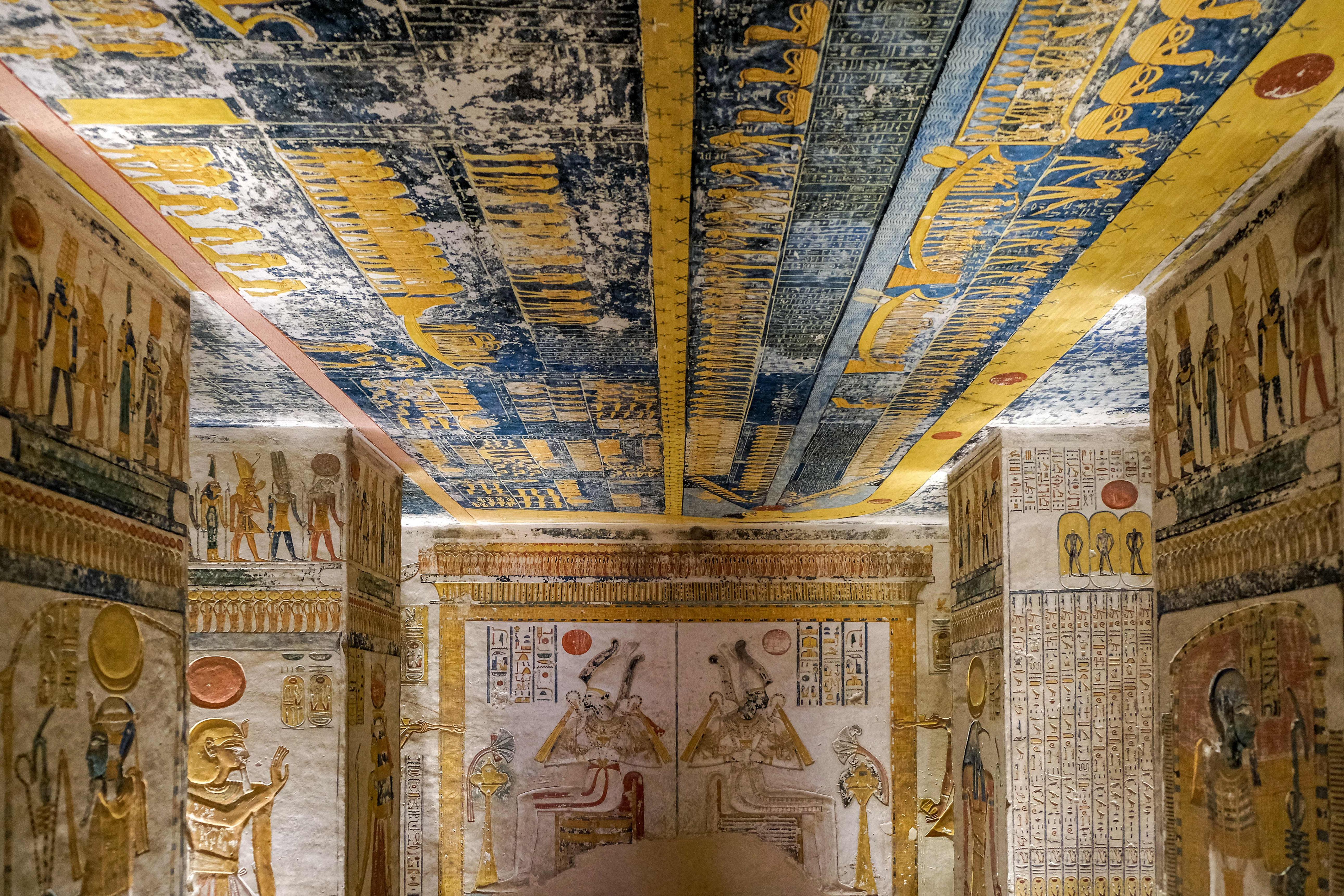
The general Valley of the Kings ticket is 750 EGP, 375 EGP for students, and admits you to three of the tombs open that day. The premium tombs cost extra: Tutankhamun 700 EGP (350 EGP for students), Ramesses V and VI 220 EGP, Ay in the western valley 200 EGP, and Seti I 2,000 EGP with no student reduction. Seti I is one of the longest tombs in the valley and decorated from end to end, and the fairest test of whether it is worth the price is whether you would otherwise give up something else to afford it. Our Valley of the Kings guide helps you choose which three to spend the general ticket on.
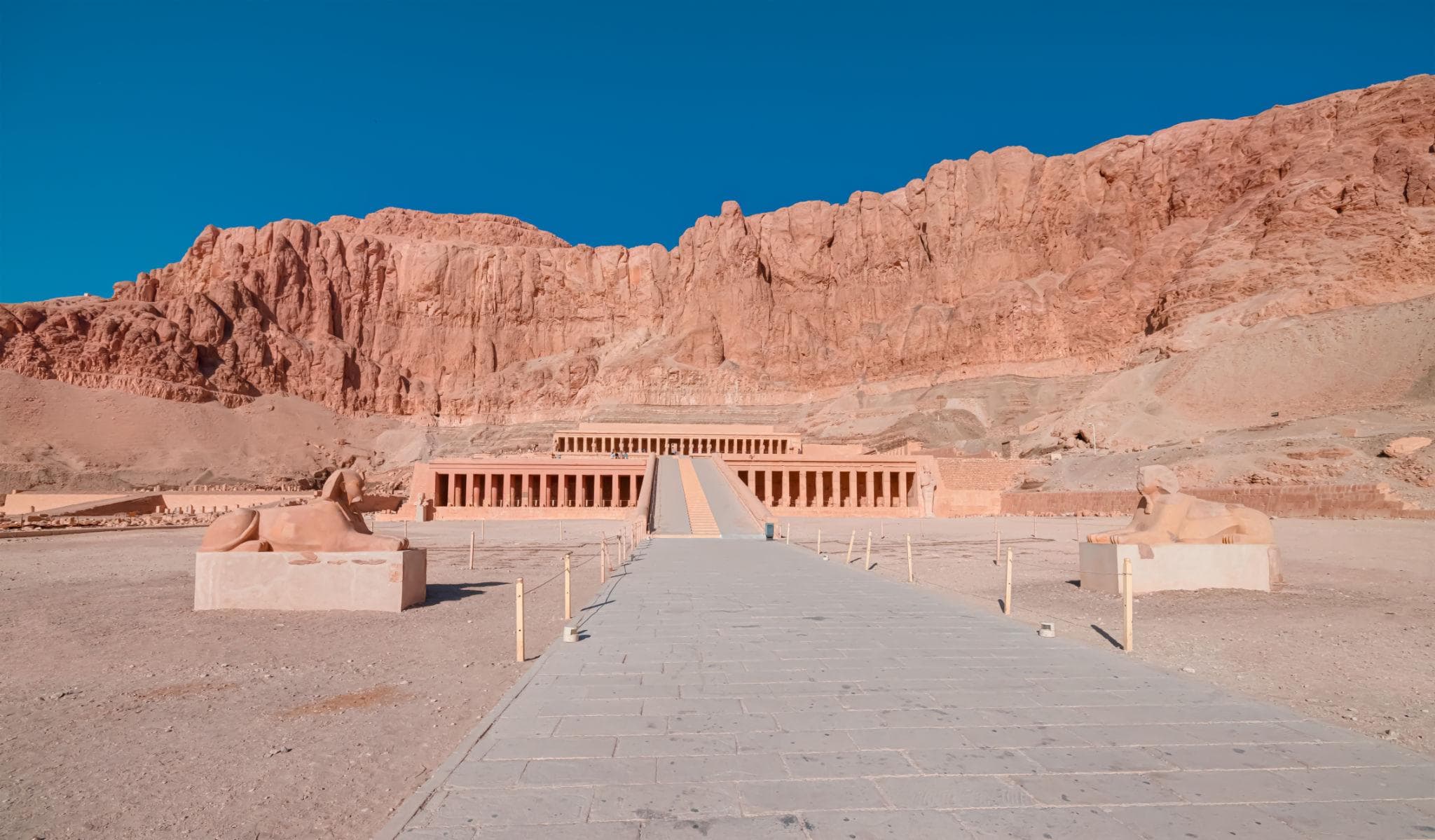
Elsewhere on the West Bank, most tickets sit between 100 and 450 EGP. Hatshepsut's temple at Deir el-Bahari is 440 EGP (220 EGP for students) on the Ministry's price list and its temple page, though its older Deir el-Bahari page still shows 360 EGP. Medinet Habu is 220 EGP on the price list, 230 EGP on one Ministry page, and the Ramesseum, Deir el-Medina, the Valley of the Queens and Howard Carter's house are each around 220 EGP. The Tombs of the Nobles are sold in clusters at 120 to 200 EGP each, with Rekhmire and Sennefer at the lower end and Nakht and Menna, or Ramose, at 200 EGP. The Colossi of Memnon are free. Our complete West Bank tour builds a day around those tickets so you buy the right combination once.
Warning: Nefertari's Tomb Is Closed
The tomb of Queen Nefertari, QV66 in the Valley of the Queens, has been closed to visitors since early March 2024, and as of autumn 2026 no reopening date has been announced. The concern is humidity from visitors' breath damaging some of the finest paintings to survive from ancient Egypt. Some older itineraries and booking sites still list the tomb, and the Premium Luxor Pass is still described as including it, so check before paying extra on the strength of it.
The Valley of the Queens itself remains open on its 220 EGP ticket, and recent visitors report the tombs of Khaemwaset, Amenherkhepshef and Tyti open. Their colours are bright and the crowds thin, and Amenherkhepshef's tomb, where Ramesses III leads his young son before the gods, is a moving visit in its own right. Our guide to Nefertari's tomb and the Valley of the Queens follows the story.
Aswan, Abu Simbel and the Nile Temples
Abu Simbel is 750 EGP, 375 EGP for students, the figure on both the Ministry's site page and its price list; the 800 to 820 EGP on a few travel blogs has no official source we could find. On the two Sun Festival days, 22 February and 22 October, the foreign ticket rises to 1,200 EGP (600 EGP for students), so budget for that if you are timing your visit to the sunrise. Philae is 550 EGP, plus the motorboat out to the island, which is paid separately. The High Dam, Elephantine and the Temple of Kalabsha are around 200 EGP each.
The cruise temples sit in the same range. Edfu is 550 EGP and Kom Ombo 450 EGP, the latter open until 9pm by the Ministry's listing, which suits boats that moor there in the evening. Esna's Temple of Khnum, with its newly cleaned ceiling, is 200 EGP. Most Nile cruise packages include these tickets, but not all do, so it is worth checking the small print when comparing prices.
Alexandria and the Oases
Alexandria is the cheapest major city for sightseeing. Qaitbay Citadel is 200 EGP and the Graeco-Roman Museum 400 EGP, both on the Ministry's pages. Current lists give 200 EGP each for the Catacombs of Kom el-Shoqafa, Pompey's Pillar and the Serapeum, the Roman Amphitheatre and the Alexandria National Museum, and 220 EGP for the Royal Jewellery Museum.
The Western Desert has moved the most. From 1 October 2026 the antiquities sites of Bahariya Oasis cost foreign visitors 400 EGP, 200 EGP for students, up from 100 and 50 EGP, according to Ahram Online. Desert national park fees are separate and are normally handled by your operator.
Are the Luxor Pass and Cairo Pass Worth It
Both passes are personal, valid for five days, and sold for US dollars or euros in cash at major ticket offices: Karnak and the Valley of the Kings visitor centre for Luxor, and Giza, the Citadel and the Egyptian Museum for Cairo. You need your passport, a photocopy of its photo page and a passport photo, and students must be under 30 with a valid card. Buy one pass at full price and the Ministry's leaflet gives half price on the other within the same calendar year.
As of autumn 2026 the Standard Luxor Pass is reported at 130 USD or 120 EUR (70 USD for students) and the Premium at 250 USD or 220 EUR (130 USD for students), the Premium adding Seti I and Nefertari. Those figures match the Ministry's 2024 leaflet; the 100 and 200 USD prices still seen online date from 2018. The Cairo Pass is reported at around 130 USD, but the leaflet's Cairo figures are illegible online, so confirm at the window. The leaflet excludes the National Museum of Egyptian Civilization, and visitors report that the Cairo Pass does not cover the Grand Egyptian Museum either.
Now the arithmetic. At about 55 EGP to the dollar, 130 USD is roughly 7,150 EGP. A thorough three-day Luxor visit, taking in Karnak, Luxor Temple, the Luxor Museum, the Valley with Tutankhamun, Hatshepsut, Medinet Habu, the Ramesseum, Deir el-Medina and two noble clusters, comes to about 4,500 EGP bought ticket by ticket, and nearer 5,000 EGP with the Valley of the Queens and the smaller museums added. Since the pound's slide, the Standard pass costs more than even that thorough visit and only comes close if you visit virtually every ticketed site on both banks, and with Nefertari closed the Premium, at around 13,750 EGP, costs about twice a thorough visit with Seti I added, and more than buying every ticket in Luxor individually. In Cairo, an energetic visitor doing Giza with the Great Pyramid, all of Saqqara, Dahshur, the Egyptian Museum and the Citadel spends roughly 5,500 to 6,500 EGP individually, still short of the reported pass price. The passes made sense when the pound was stronger. Of all the Egypt ticket prices in this guide, they are the ones most worth recalculating on the day you arrive.
Pro Tip: Pay by Card, Keep Small Notes for Everything Else
Most major ticket windows now take cards, and a growing number accept nothing else; the GEM wants you to book online in advance. Bring a Visa or Mastercard plus a backup, since American Express is less reliable, and when a terminal offers to charge you in your home currency, always choose Egyptian pounds instead. The irony is that the passes still want crisp, undamaged foreign banknotes.
Cash still runs everything around the ticket: toilets, tomb guardians, camel rides, water and tips. Our money and tipping guide has sensible 2026 amounts. Keep each ticket until you leave the site, because Valley of the Kings tickets are checked at each tomb door.
Students, Children and Photography
Foreign students pay roughly half price at Ministry sites on showing a valid student card. An ISIC is the most widely recognised, and for the passes you must be under 30. Seti I is the notable exception, priced at 2,000 EGP for everyone. Children under six enter free at most sites; at the GEM, check the age band when you book, since published figures have varied.
Photography with a phone is free at most sites, including the Egyptian Museum, where flash is banned. Some museums, the National Museum of Egyptian Civilization among them, list a photography fee for cameras, and tripods, monopods and professional kit generally need prior permission. At the GEM, personal photography is allowed without flash, tripods or selfie sticks. Inside tombs the rules vary by tomb and by season, so ask at the door before raising a camera, and never pay a guard to photograph somewhere forbidden.
Budgeting Your Tickets
Add up Egypt ticket prices for a classic eight to ten day route, with Giza, the GEM, Saqqara, the Egyptian Museum, the Citadel, Karnak, Luxor Temple, the Valley of the Kings, Hatshepsut, Medinet Habu, Edfu, Kom Ombo, Philae and Abu Simbel, and the core tickets come to about 9,000 EGP at November 2026 prices, roughly 165 USD per person. Add the Great Pyramid, Tutankhamun and Seti I and it passes 13,000 EGP, about 240 USD. That is real money, but the add-ons are a choice, and choosing them well matters more than buying all of them. Our Egypt trip cost guide puts entrance fees in context alongside hotels, cruises and transport.
On our private tours the entrance fees for the sites on the itinerary are normally included, and our Egyptologists advise on the day which add-ons are worth it for you; the Karnak and Luxor Temple tour is a good example of how that works. If you would like Egypt ticket prices worked out for a specific route, send us your dates and plans and we will cost it honestly, add-ons and all.