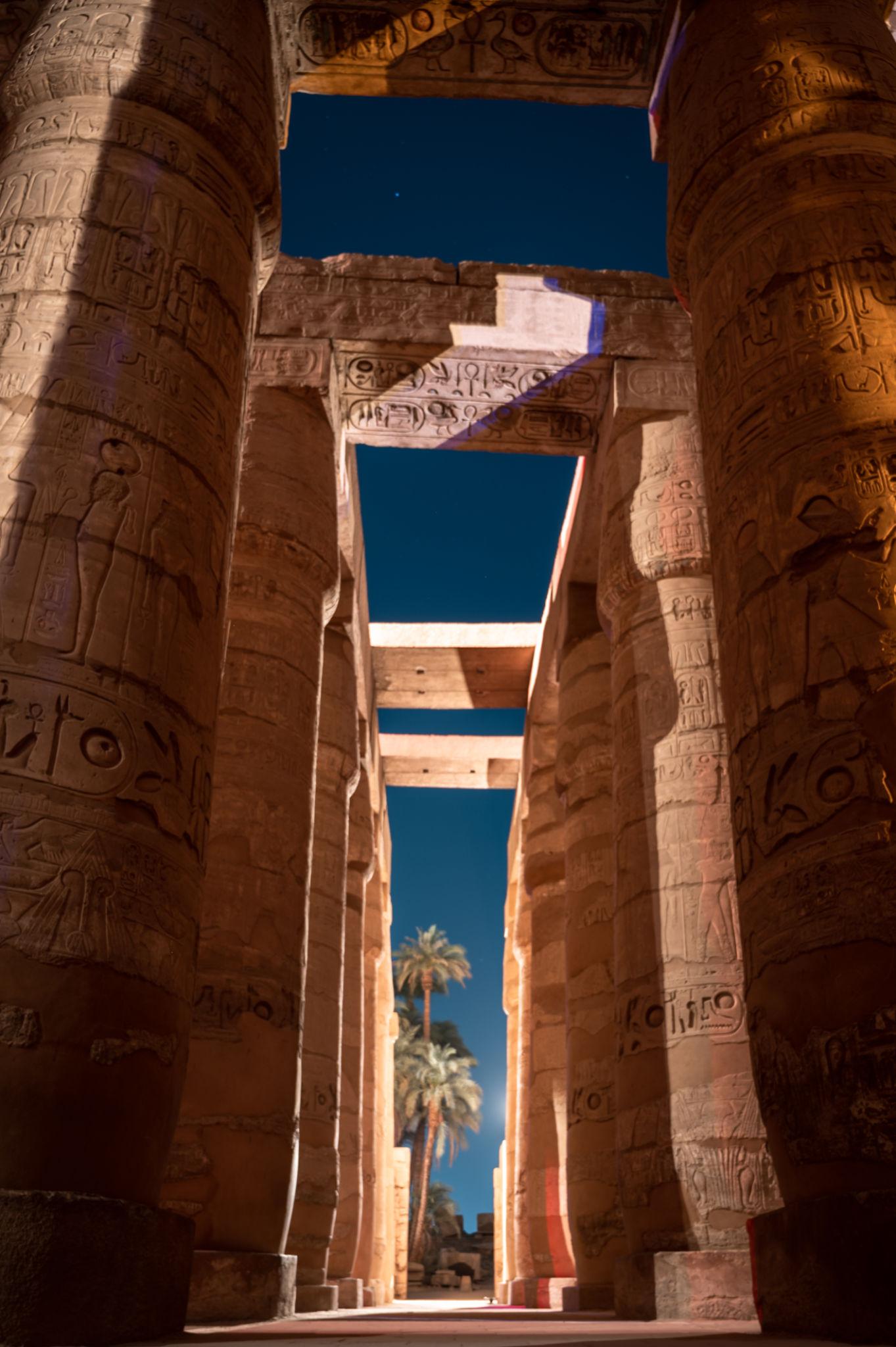
For more than a century the world's greatest collection of pharaonic treasure was crammed into a beautiful but overcrowded neoclassical building on Cairo's Tahrir Square. The Grand Egyptian Museum changes that completely. Rising from the desert edge two kilometers from the Pyramids of Giza, it is the largest archaeological museum on earth dedicated to a single civilization, and for the first time the entire treasure of Tutankhamun is displayed together. This guide covers everything a first-time visitor needs: how to get there, what tickets cost, how long to allow, and which galleries reward the time you give them.
Why the GEM Matters
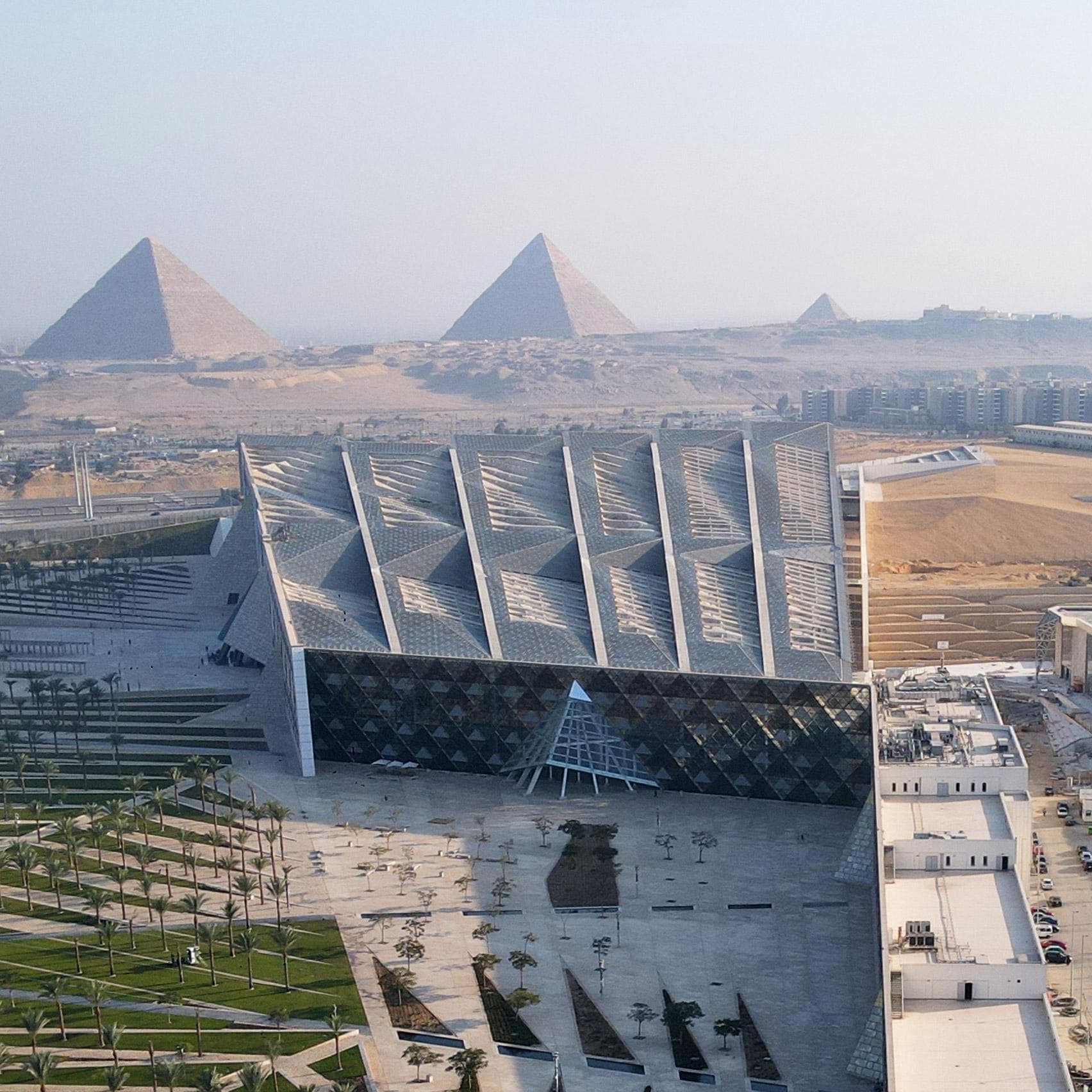
The old Egyptian Museum could display only a fraction of its holdings; the rest sat in storerooms unseen for generations. The Grand Egyptian Museum — universally shortened to the GEM — was conceived to solve that problem on a monumental scale, with more than 100,000 artifacts and around 50,000 on display across a complex of roughly 480,000 square meters. The building itself is part of the experience: a vast translucent stone facade aligned so that, on the approach, the galleries frame a direct line of sight to the Great Pyramid. After decades of planning and repeated delays — the project was first announced around the turn of the millennium — the museum reached its full opening, and it instantly became the centerpiece of any Cairo itinerary. The ambition shows in everything from the scale of the conservation labs behind the scenes to the careful sightlines engineered toward the pyramids.
The headline is Tutankhamun. The boy king's roughly 5,400 objects — discovered by Howard Carter in 1922 and never before shown in their entirety — are now united in two dedicated galleries. But the GEM is far more than one tomb, spanning prehistory through the Greco-Roman period, and it deserves to be approached as a full day rather than a quick stop.
Where It Is and How to Get There
The GEM sits on the Cairo–Alexandria desert road at the edge of the Giza Plateau, about 2 km from the pyramids and roughly 25 to 45 minutes from central Cairo depending on traffic — which in Cairo is the decisive variable. From downtown or Zamalek, allow up to an hour in the late morning. The most efficient plan pairs the museum with the pyramids in a single day, since they are practically neighbors; you can read more about the Great Pyramid before you go to make the most of the visit.
A private car with a driver is by far the easiest option, removing any guesswork about parking and letting you control your timing. Ride-hailing apps work well in Cairo and are cheaper than negotiating with a street taxi. If you are staying near the pyramids in Giza, the museum is a short hop; if you are based in central Cairo, factor the drive into your day and aim to arrive early.
Tickets, Prices and Hours
As of 2026, foreign-adult admission to the GEM runs roughly 1,200 to 1,500 EGP (about 25 to 30 USD), with reduced rates for students with valid ID and lower prices for Egyptians and residents. Children under six typically enter free. Entry to the Tutankhamun galleries may carry a separate supplementary ticket on top of general admission, so budget a little extra if the pharaoh is your priority. Photography for personal use is generally permitted in most galleries, though tripods and professional gear require a permit and some areas restrict cameras — always check signage.
The museum is open daily, generally from around 9:00 in the morning until early evening, with extended hours on some days; the last entry is typically an hour or more before closing. Buy tickets online in advance through the official channels when you can — it saves time at the entrance and locks in your visit on busy days. Bring your passport, as ID is sometimes checked against discounted tickets.
### What's Included and What Isn't
General admission covers the main galleries and the Grand Staircase. The Tutankhamun galleries may be a paid add-on, and special exhibitions or the solar-boat exhibit can carry their own fees. Audio guides and licensed human guides are available for hire; for a collection this large, a knowledgeable guide is the single best upgrade you can make, turning rows of objects into a coherent story.
The Grand Staircase and Atrium
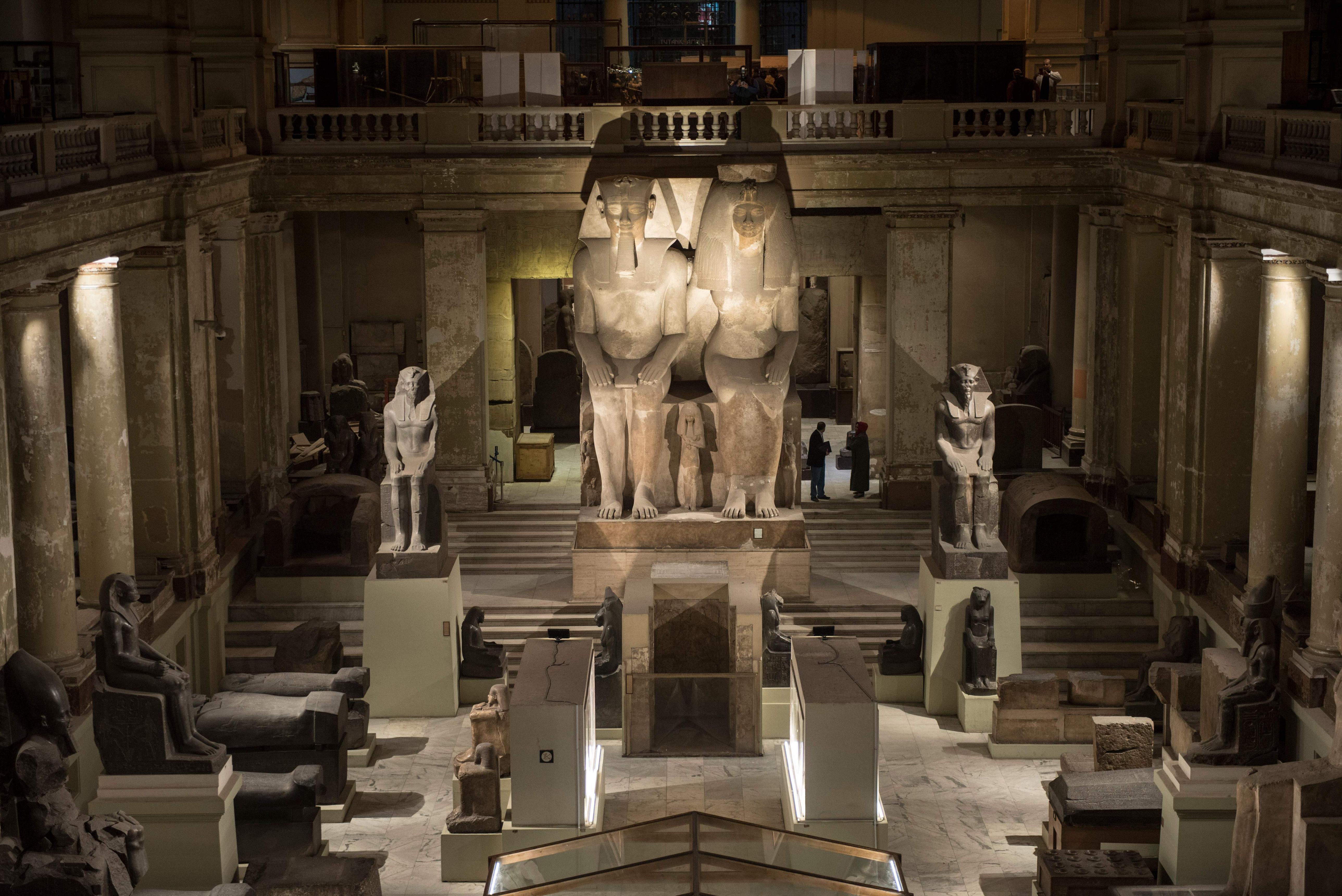
Your visit begins in the soaring atrium, dominated by the colossal red-granite statue of Ramses II — moved here from Cairo's old railway square — standing some 11 meters tall and weighing roughly 83 tons. From there the Grand Staircase ascends through six levels, lined with monumental statues, sarcophagi and architectural fragments arranged chronologically so that you literally climb through Egyptian history. At the top, floor-to-ceiling glass frames the Pyramids of Giza on the horizon. It is one of the most theatrical museum spaces anywhere, and it is worth pausing on the climb rather than rushing to the top.
The Main Galleries: 5,000 Years in Twelve Halls
The permanent collection is organized into twelve principal galleries spanning prehistory, the Old Kingdom, the Middle Kingdom, the New Kingdom and the Greco-Roman era, each cross-cut by themes of society, kingship and belief. Highlights are everywhere: Old Kingdom statuary of astonishing realism, New Kingdom royal monuments, and everyday objects that bring ordinary ancient lives into focus alongside the pharaohs. The chronological-plus-thematic layout means you can follow the timeline straight through or dip into the themes that interest you most — plan at least two to three hours here even before reaching Tutankhamun.
### What to Prioritize If You're Short on Time
If you have only half a day, do the Grand Staircase, the Tutankhamun galleries, and one or two main halls, and skip the rest without guilt. The museum is too large to absorb in a single rushed visit, and trying to see everything leads to the glazed exhaustion that ruins so many big-museum days.
The Complete Tutankhamun Collection
This is the reason many visitors come, and it does not disappoint. For the first time since the tomb's discovery, all of Tutankhamun's burial goods are displayed together in two purpose-built galleries: the gilded shrines, the throne, the chariots, the jewelry, the alabaster vessels and, of course, the iconic solid-gold funerary mask. The display recreates the sequence in which Carter found the objects, layer by layer, conveying the staggering density of treasure packed into a small tomb that had lain largely undisturbed for some 3,300 years. Look closely at the craftsmanship: the inlaid semiprecious stones, the lifelike gilded guardian figures, the chariots disassembled to fit through the tomb's narrow passages. Allow a full unhurried hour here at minimum, and longer if you can; this is the emotional climax of the whole museum and the part you will remember longest. For deeper context before you go, our guide to Tutankhamun's treasures is worth reading.
Beyond Tutankhamun: Other Must-Sees
Do not let the boy king monopolize your attention. The GEM also showcases the solar boats of Khufu — extraordinary cedar vessels buried beside the Great Pyramid to carry the king through the afterlife — alongside rotating special exhibitions and a children's museum. The architecture and gardens reward exploration too, and the views of the pyramids from the terraces are among the best in Giza. If your interest is the broader story of Egyptian sacred architecture, our piece on Egyptian temple design makes a fine companion read.
Practical Tips: Crowds, Food, Accessibility
Go early. The first hour after opening is markedly quieter, and the light through the atrium glass is at its best. Midday brings the largest tour-group crowds, especially around Tutankhamun. The museum is fully accessible with ramps, lifts and wheelchair availability, and the flat, modern layout is far easier to navigate than the cramped old museum. There are cafes and restaurants on site plus a large gift shop, so you need not leave to eat. Wear comfortable shoes — the distances inside are genuinely large — and carry water, though refreshments are available throughout.
### Avoiding the Common Mistakes
The two biggest mistakes are underestimating the time the museum needs and arriving in the crowded midday window. Treat the GEM as a half- to full-day commitment, arrive at opening, and pre-book your tickets. Skip the temptation to combine it with too much else in one afternoon; pairing it with the pyramids next door is ideal, but adding Saqqara or central Cairo on the same day usually means rushing both.
Recommended Tours
Because the GEM and the Pyramids of Giza are practically next door, the most rewarding way to see them is together in one well-paced day with a private driver who handles the logistics while you focus on the wonders. Our Cairo & Giza Full-Day Transfer does exactly that, combining the museum and the plateau without the stress of organizing transport and timing yourself. And if Cairo is the start of a longer journey, the GEM pairs naturally with our 5-Day Cairo, Luxor & Abu Simbel tour, which carries the story you begin at the museum south to the great temples and tombs where so many of its treasures were found.