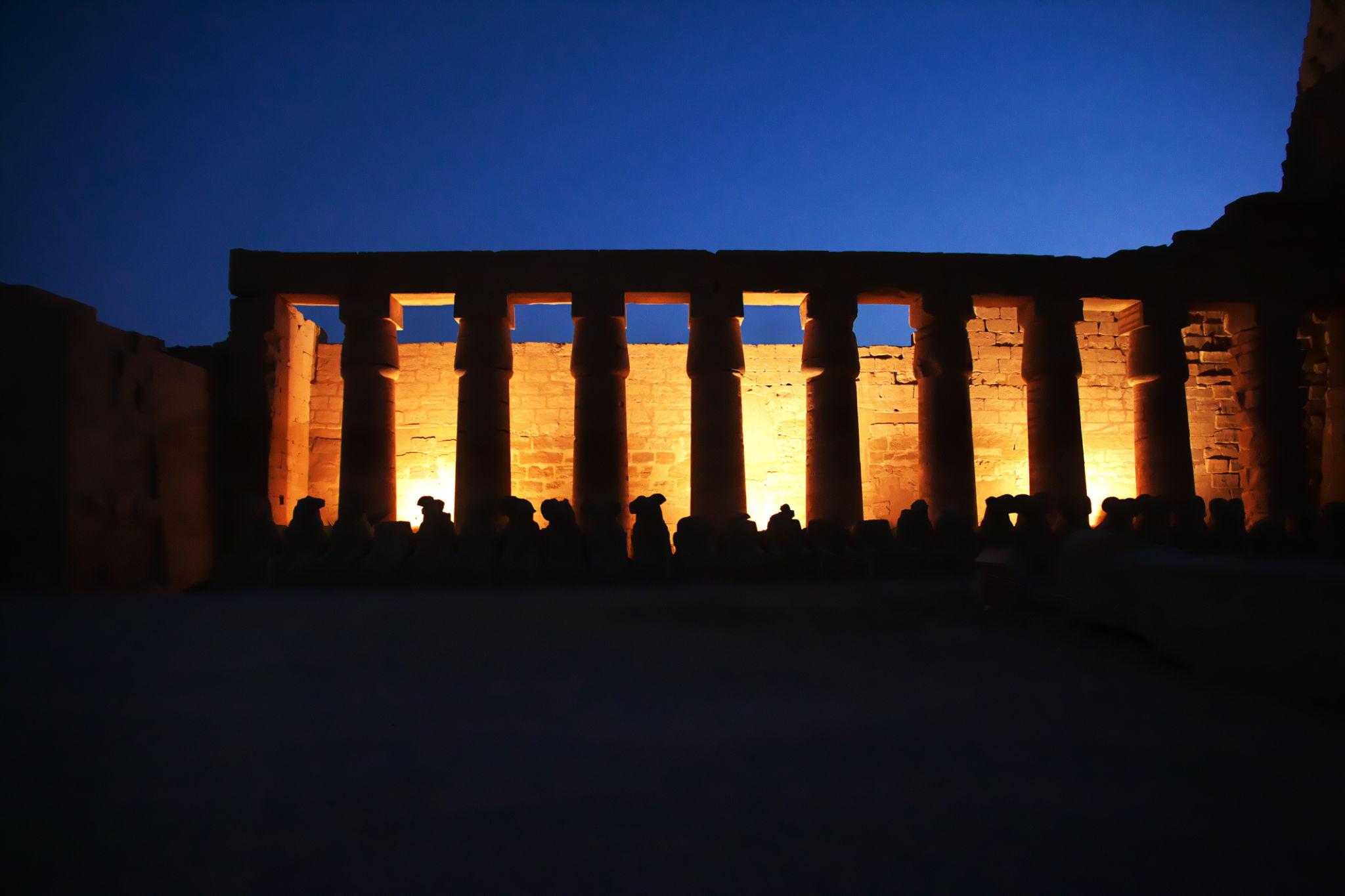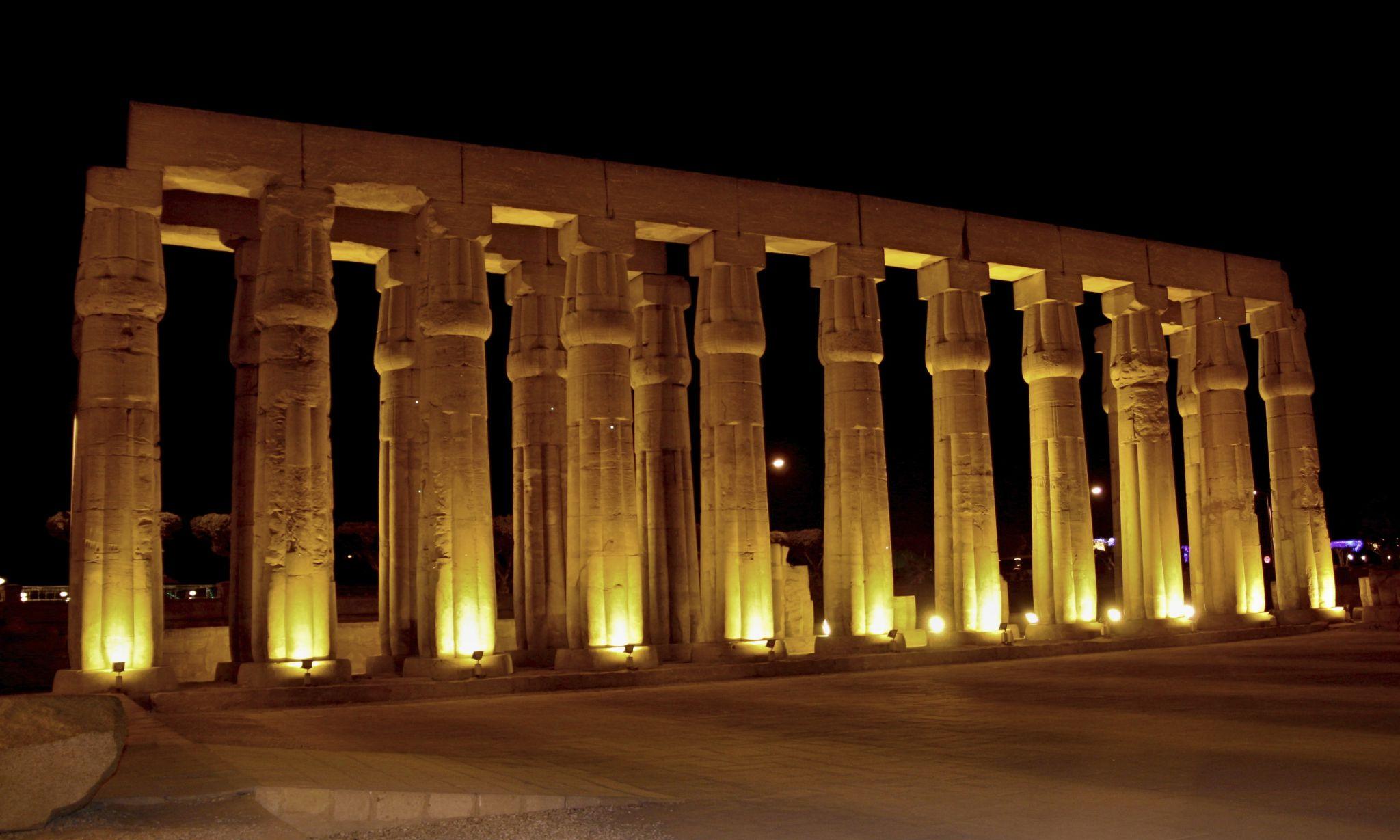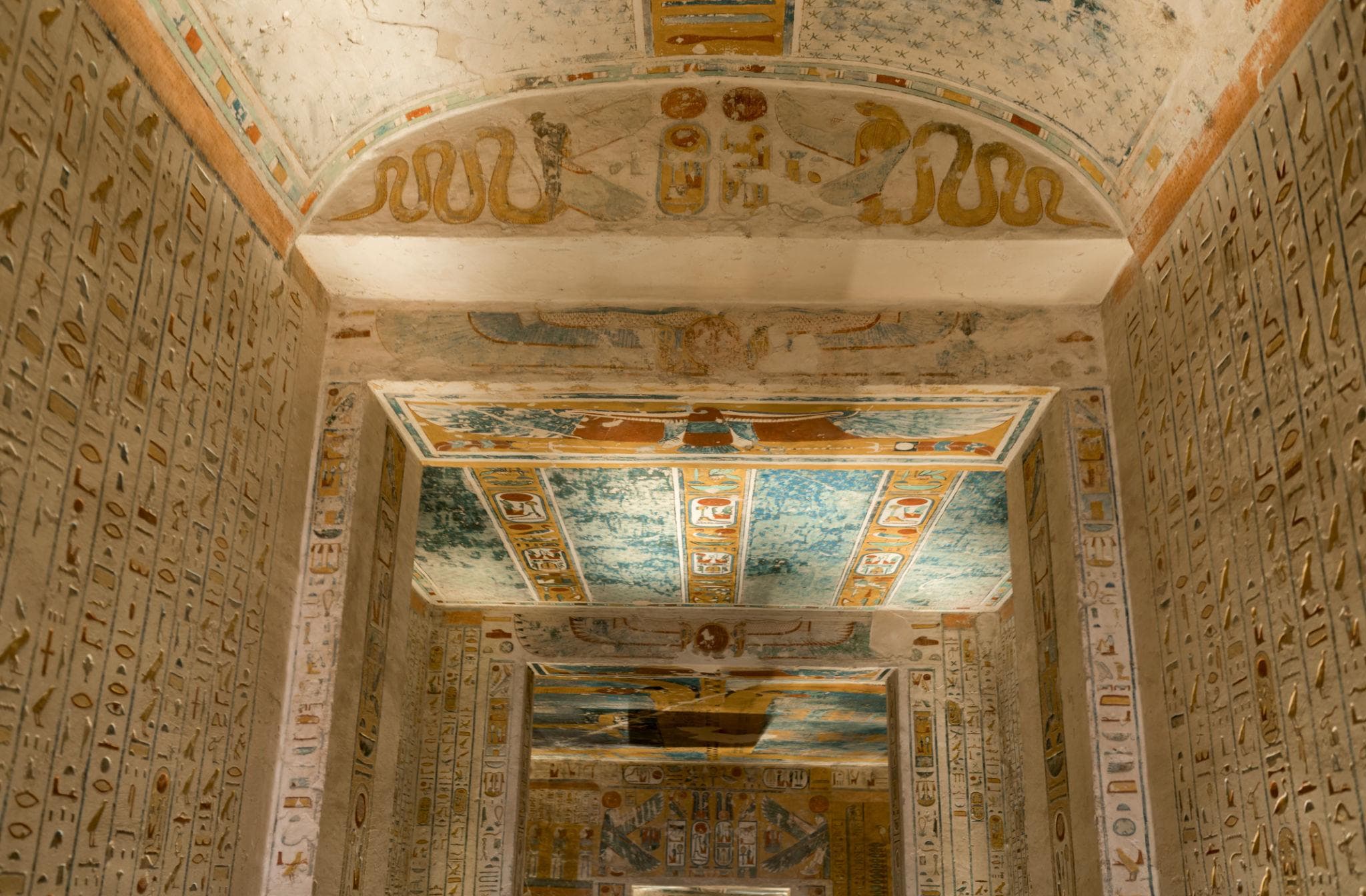
The Valley of the Kings on the west bank of Luxor is where ancient Egypt buried its pharaohs for nearly 500 years (16th-11th century BC). Over 60 tombs have been discovered here, ranging from simple single-chamber burials to vast underground complexes with dozens of decorated rooms. Walking into these tombs — some carved 100 meters deep into the limestone — is like stepping into the afterlife itself.
Why Here?
After the pyramid-building era, pharaohs sought more discreet burial locations to deter tomb robbers (the pyramids were obviously easy targets). The remote valley in the Theban Hills, hidden behind the peak of Al-Qurn (which naturally resembles a pyramid), offered security and symbolic significance.
Which Tombs to Visit
A standard ticket (300 EGP) grants access to three tombs, rotating on a schedule. Here are the standouts:
Tomb of Ramesses VI (KV9): The undisputed highlight. The astronomical ceiling in the burial chamber — depicting the journey of the sun through the 12 hours of night — is one of the finest works of art from the ancient world. Every wall surface is covered in vivid painted reliefs.
Tomb of Seti I (KV17): The longest and deepest tomb in the valley (137 meters). Rediscovered by Giovanni Belzoni in 1817, its reliefs are the most finely carved in the valley. Requires a separate 1,000 EGP ticket and has limited daily visitors.
Tomb of Ramesses III (KV11): Known for its unusual decorative program including scenes of daily life, foreign peoples, and the famous "harpists' tomb" chamber. Well-lit and accessible.
Tomb of Ramesses IV (KV2): One of the most accessible tombs with excellent preservation. The ceiling of the burial chamber features the goddess Nut stretching across the sky.
Tomb of Tutankhamun (KV62): The most famous tomb, yet one of the smallest royal tombs. Howard Carter's 1922 discovery made it legendary, but the tomb itself is modest compared to others. A separate 300 EGP ticket is required.
Practical Tips
- No photography is allowed inside any tomb (guards enforce this strictly)
- The electric tram from the entrance saves a long walk in the heat (small fee)
- Bring water — the valley is extremely hot and shadeless
- Allow 2-3 hours minimum
- Visit early morning or late afternoon to avoid peak heat and crowds
- A knowledgeable guide transforms the experience — the symbolism of the tomb paintings is complex and fascinating
The Workers' Village (Deir el-Medina)
Nearby, the artisan village of Deir el-Medina is where the craftsmen who built and decorated the royal tombs lived with their families. The workers' tombs here are smaller but often more beautifully decorated than some royal tombs — the artisans saved their best work for themselves. The Tomb of Sennedjem is a masterpiece.
Combining with Other West Bank Sites
The west bank of Luxor is packed with incredible sites. Combine the Valley of the Kings with the Temple of Hatshepsut (Deir el-Bahari), the Colossi of Memnon, and the Ramesseum. Our Luxor Day Trip from Cairo covers the key West Bank sites in a single day.