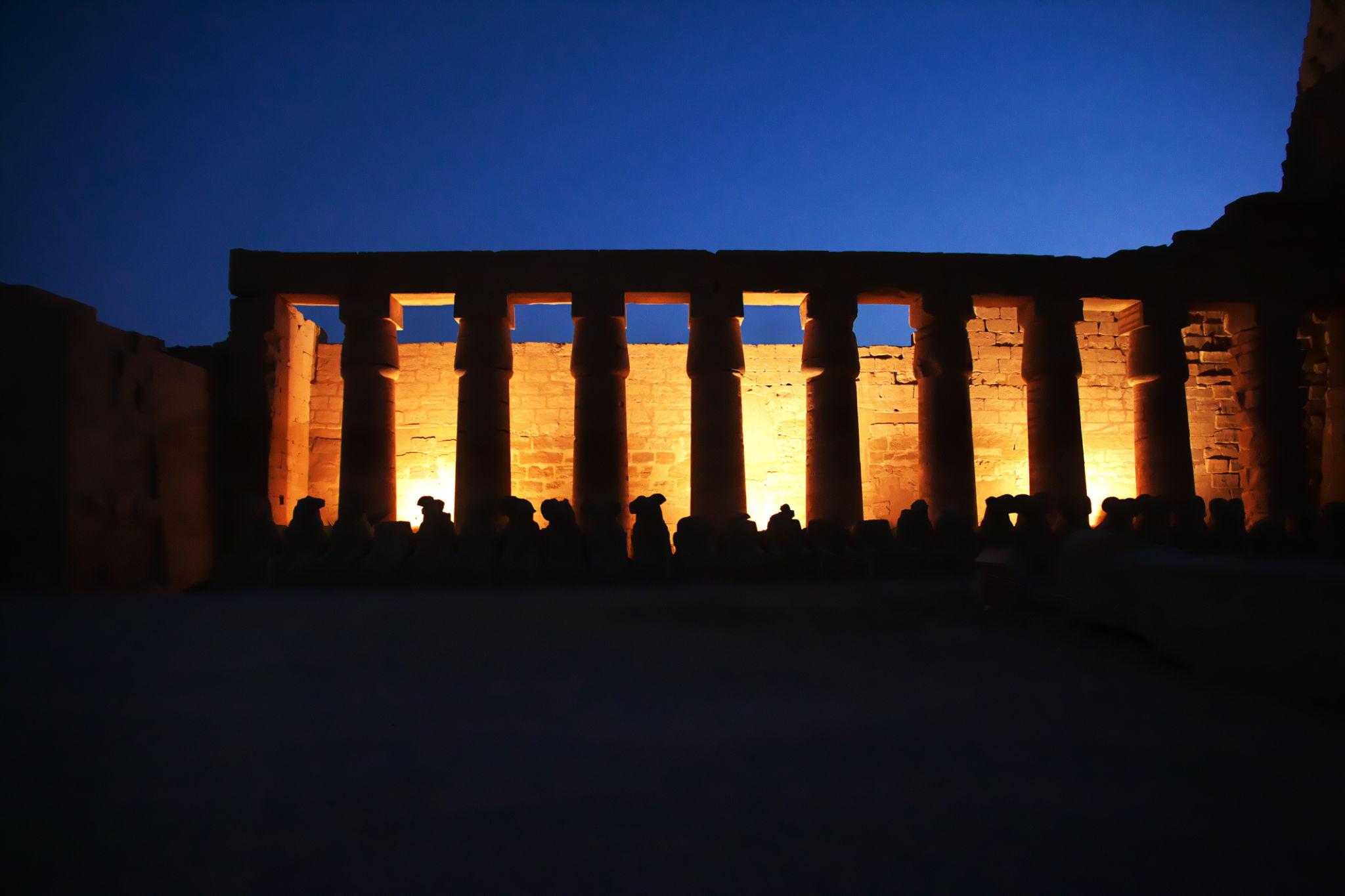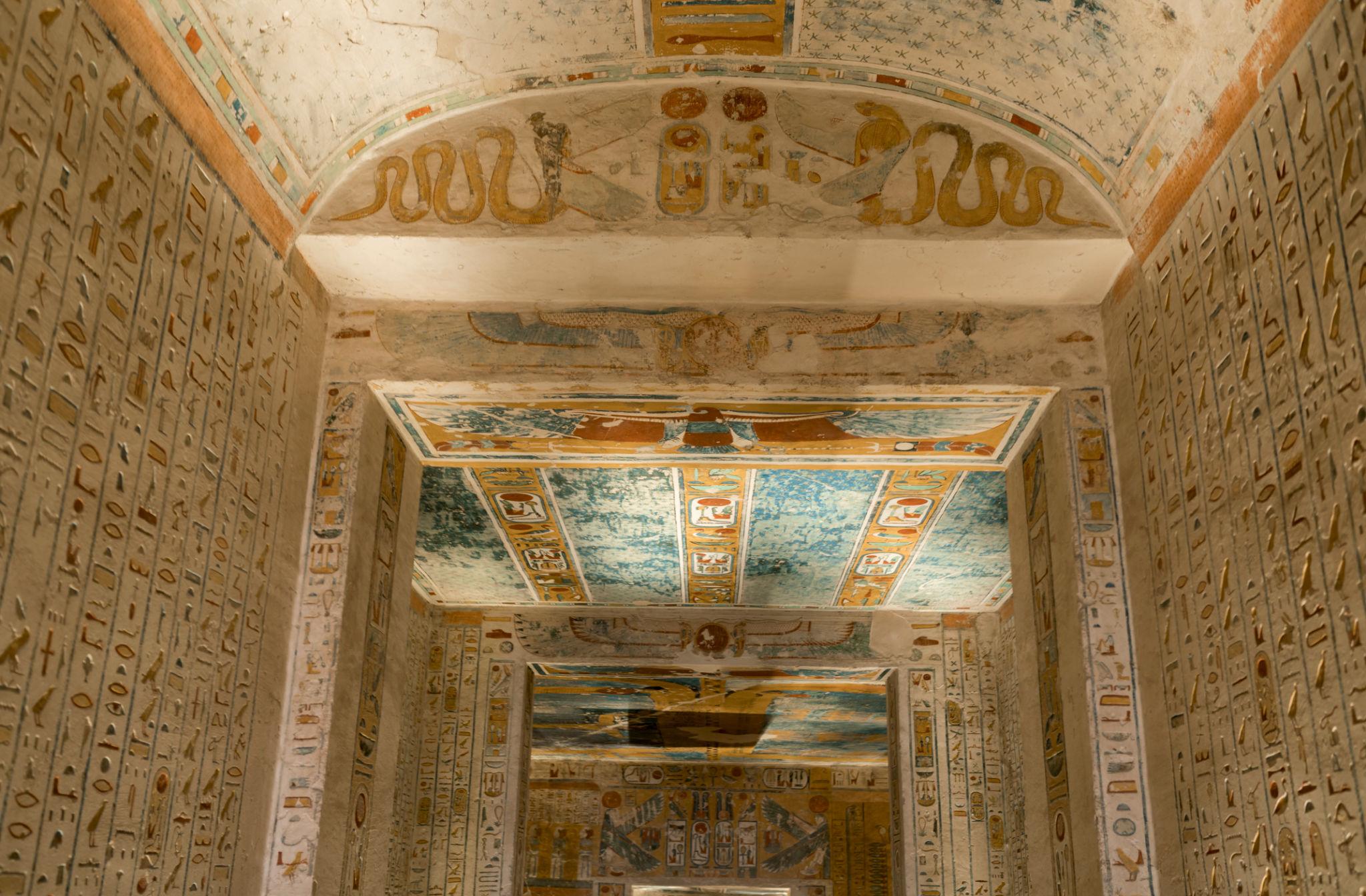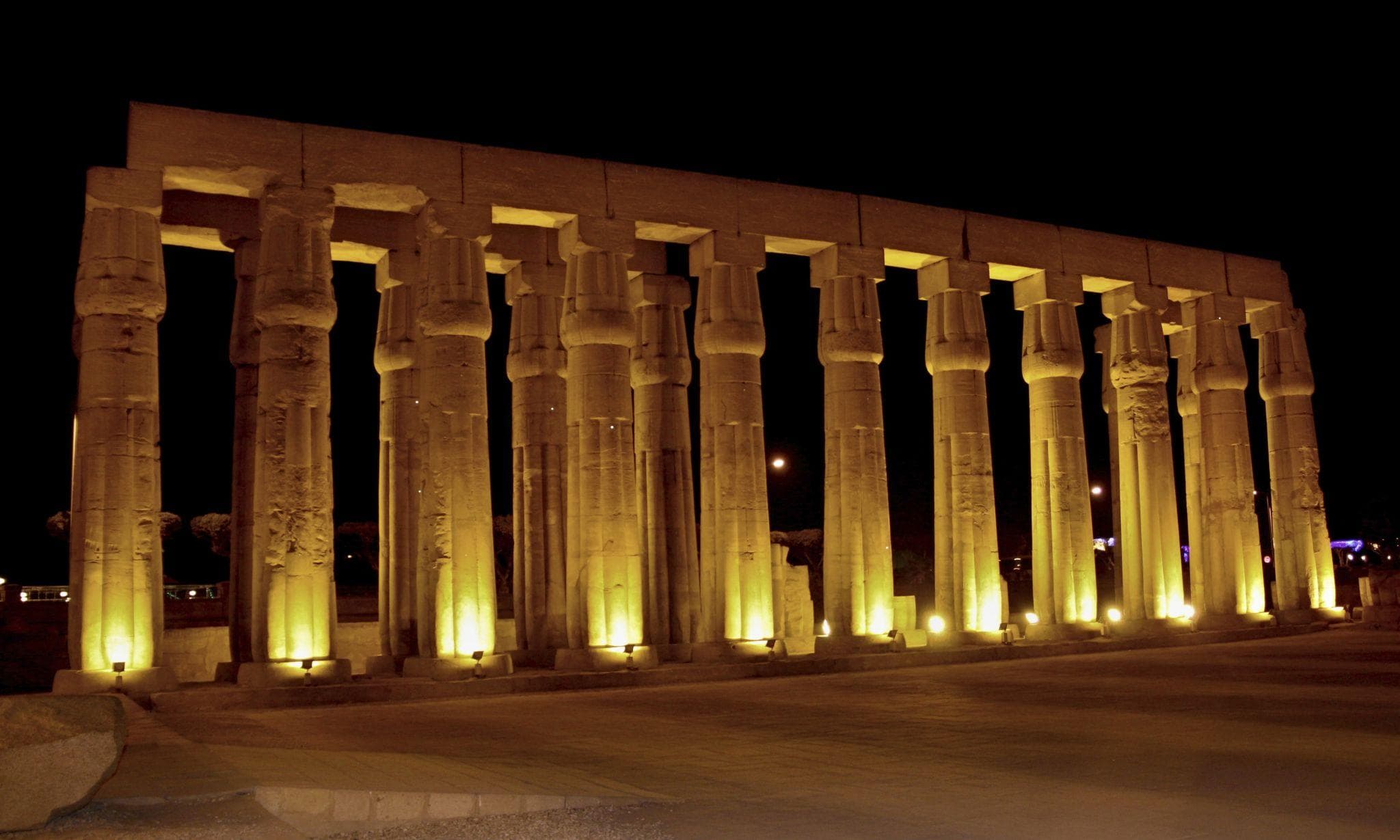
While most temples are best visited in the early morning or late afternoon, Luxor Temple is the exception. This is a temple that truly comes alive after dark — and a nighttime visit is one of the most atmospheric experiences in all of Egypt.
Why Visit at Night?
Luxor Temple stays open until 9 PM (10 PM in summer), and the illuminated temple against the dark sky is breathtaking. The columns, statues, and reliefs are lit with warm golden light that creates dramatic shadows and highlights details invisible during the day. The crowds thin out significantly after sunset, and the temperature becomes pleasant even in summer months.
The approach through the restored Avenue of Sphinxes, now illuminated along its entire length from Karnak Temple to Luxor Temple, is one of the most magical walks in Egypt.
History of the Temple
Luxor Temple is unusual because it wasn't dedicated to a specific god — it was the setting for the annual Opet Festival, when the statues of Amun, Mut, and Khonsu were carried in procession from Karnak along the Avenue of Sphinxes. The temple was primarily built by Amenhotep III (who constructed the inner sanctuary and colonnade) and Ramesses II (who added the massive first pylon and the colossal seated statues at the entrance).
What makes Luxor Temple unique is its continuous use through history. A Roman fort was built inside it. A mosque (Abu el-Haggag) was built on top of the ancient walls and is still active today — you can see it perched above the excavated courtyard, a remarkable visual layering of 3,400 years of religious use.
What to See
The First Pylon: Ramesses II's massive gateway, originally flanked by two obelisks. One remains; the other stands in the Place de la Concorde in Paris (given to France in 1833). Six colossal statues of Ramesses guard the entrance.
The Courtyard of Ramesses II: 74 papyrus columns surround a courtyard filled with statues. At night, the lit columns cast long shadows that shift as you walk through.
The Colonnade of Amenhotep III: 14 towering columns with open papyrus capitals line this processional hall. The walls depict the Opet Festival in extraordinary detail — boats on the Nile, musicians, dancers, and offerings.
The Inner Sanctuary: The holy of holies where Alexander the Great himself left his mark — he rebuilt the barque shrine and had himself depicted making offerings to Amun. This is one of only a few places in Egypt where Alexander's cartouche can be seen.
Photography at Night
Nighttime at Luxor Temple is a photographer's dream. The warm artificial lighting creates rich, moody images without the harsh shadows of daylight. A tripod is ideal for long exposures (check if allowed during your visit). The reflections of lit columns in the polished stone floors create stunning compositions.
Practical Information
Entry costs 200 EGP. The temple is located in central Luxor, walkable from most hotels along the corniche. Allow 1-2 hours for a thorough visit. A guide enhances the experience enormously — the layers of history at this site span pharaonic, Greco-Roman, Christian, and Islamic periods.
Our 5 Days Cairo, Luxor & Abu Simbel Tour includes a Luxor Temple visit timed for maximum atmosphere. The Luxor Day Trip from Cairo can also be customized to include an evening temple visit.