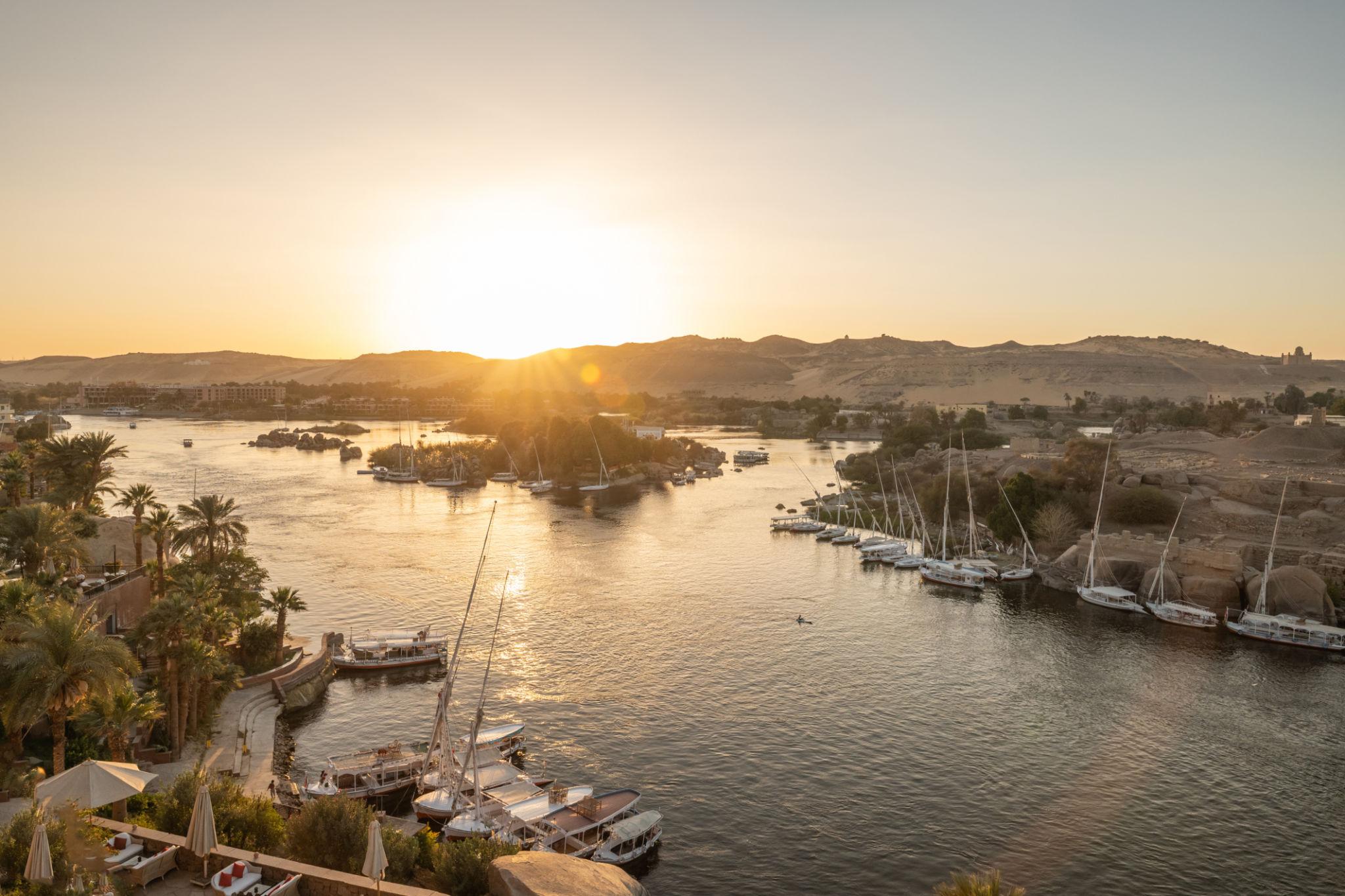
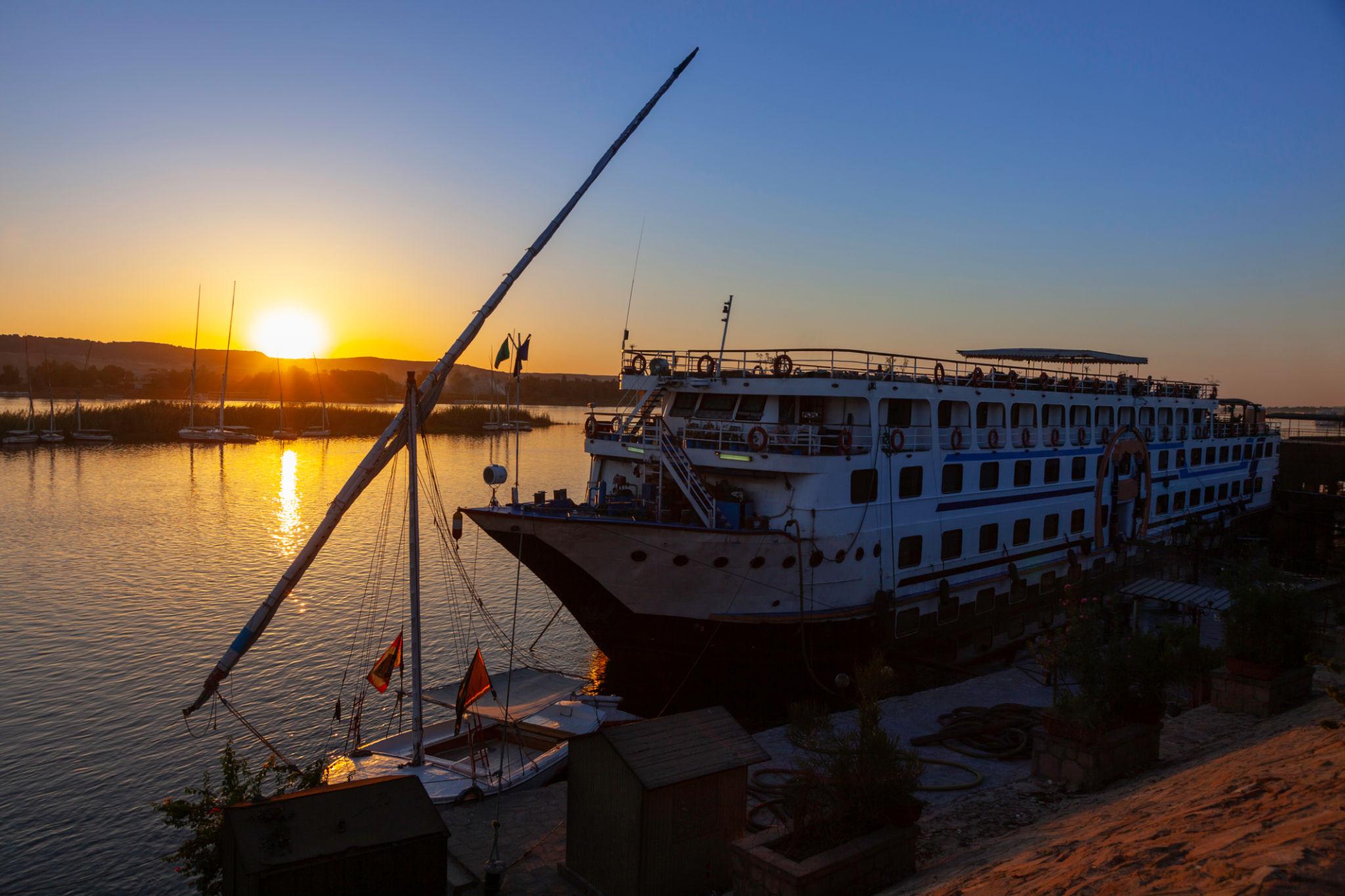
The first thing you notice on a dahabiya Nile cruise is the silence. There is no engine note under the deck, only water against a wooden hull and the creak of a lateen yard as the crew hauls the big sail round to catch the north wind. A heron lifts off a sandbank. A boy on a donkey keeps pace along the bank for a while, then gives up. Twenty minutes later a four-deck cruise ship slides past at twice your speed, its sun deck lined with loungers, and then it is gone and the river belongs to you again.
A dahabiya is the slow, small version of the classic Luxor to Aswan journey: a two-masted sailing boat with a handful of cabins, a crew that often outnumbers the guests, and an itinerary that stops at places the big ships cannot. It is not for everyone, and it costs more than a standard cruise. This guide explains where the boats came from, how they differ from conventional ships, the typical routes and stops, what you can expect to pay as of autumn 2026, what is included, and the questions worth asking before you book.
At a Glance
What it is: a flat-bottomed, two-masted Nile sailing boat with roughly four to twelve cabins
Guests: usually somewhere between 8 and 20
Classic route: Esna to Aswan southbound, or Aswan to Esna or Luxor northbound
Duration: four nights southbound is most common; three to seven nights depending on the boat
Signature stops: El Kab, Gebel el-Silsila and quiet island moorings, plus Edfu and Kom Ombo
Price range: roughly 900 to 1,500 USD per person sharing for three or four nights on a shared boat, as of autumn 2026; five-night, luxury and charter sailings cost more
Usually included: full board, guided visits, often entrance fees and transfers
Usually extra: drinks, crew gratuities, flights and optional excursions
Season: mainly October to April; some boats sail in summer, many do not
Best for: couples, small groups, readers and anyone who prefers time on the river to time ashore
Where the Dahabiya Came From
The name is usually explained as meaning the golden one, after the gilded state barges in which Egypt's rulers once travelled the river. By the 19th century the word meant something more practical: a long, shallow-draught houseboat with a large lateen sail at the bow, a smaller one at the stern and a raised cabin deck behind, built to carry passengers up the Nile under sail.
For Victorian and European travellers it was the only civilised way to see Upper Egypt. You hired a boat and crew in Cairo, negotiated with a captain and a dragoman, stocked it with provisions and sailed south for weeks or months. Florence Nightingale went up the river this way in the winter of 1849 to 1850. Amelia Edwards made the journey in the winter of 1873 to 1874 and turned it into A Thousand Miles up the Nile, published in 1877 and still the best book anyone has written about the trip. Lucie Duff Gordon, who settled in Luxor for her health in the 1860s, wrote letters home that made the boats and their crews familiar to a generation of readers.
The steamers ended that world. Thomas Cook's Nile services, which grew through the 1870s and after, were faster, cheaper and kept to a timetable, and by the early 20th century the dahabiya had become a curiosity. The modern revival is fairly recent. Over the past two decades or so a new fleet has been built along the old lines, with en-suite cabins and air conditioning, and a dahabiya Nile cruise today covers the same stretch of river that Edwards described.
How a Dahabiya Differs From a Cruise Ship
The difference is scale, and almost everything else follows from it. A conventional Nile cruise ship is a floating hotel of several decks and dozens of cabins, with a pool, a lounge, a bar and an evening programme. A dahabiya has a single sun deck, a dining saloon and perhaps a small library, and that is all; the river is the entertainment.
Scale changes how you see the temples. The big ships keep to a shared timetable, so at Edfu and Kom Ombo they arrive together, moor several abreast and send their passengers up in waves; you may find yourself walking through other ships' lobbies just to reach the bank. A dahabiya can moor where it likes, which usually means a quiet bank or an island, and its guide can time visits to miss the crowd.
It also changes the social texture. With twelve or so fellow guests you eat together, learn names by the second day and, on a good boat, end up on first-name terms with the crew. If you want anonymity, a pool and a choice of restaurants, take a ship. If you want to know the captain's name, take a dahabiya. Our complete Nile cruise guide covers the conventional option in depth.
Did You Know: The Wind Decides the Direction
The Nile flows north and the prevailing wind blows from the north, which is why for thousands of years boats have sailed south under canvas and drifted north on the current. The hieroglyph for travelling south shows a boat with its sail raised; the one for travelling north shows a boat with the sail down.
That old pattern still shapes a dahabiya cruise. Southbound, from Esna to Aswan, you have the best chance of real sailing. Northbound, the boat moves with the current, the sails are mostly furled and the trip can be a night shorter.
Good to Know: Sails, Engines and Tugs
This is the question travellers most often fail to ask. A dahabiya cannot sail to a timetable on wind alone, and the Nile wind is unreliable: some days it blows hard, some days not at all. Practically every boat therefore has a back-up. Some have small engines of their own; many are pushed or towed by a motor tug when the wind drops or the schedule demands it.
None of this is a scandal, and a tug is often what lets a boat keep its promise to have you at El Kab by mid-morning. But the experience varies. Ask how much of a typical week is actually spent under sail, whether the boat has its own engine or relies on a tug, and where the tug sits when it is not working, since a tug lashed alongside your cabin at night is not ideal.
The Classic Route: Esna to Aswan
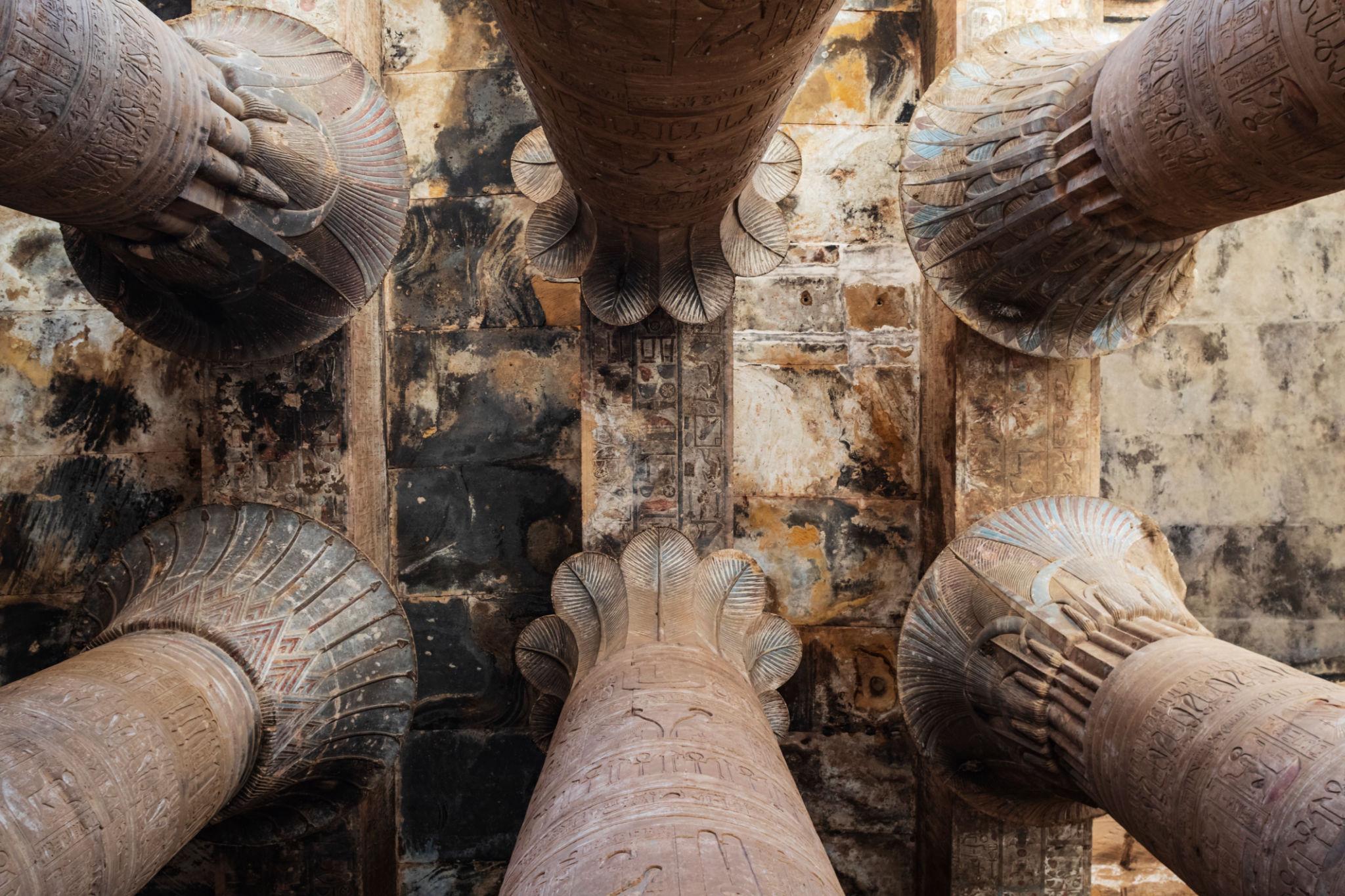
Most dahabiya itineraries cover the stretch between Esna and Aswan, about 155 km (96 miles) apart by road, rather than the full run from Luxor. There are sound reasons. The 55 km south of Luxor has few sites that cruises visit, and every vessel must pass the navigation locks at the Esna barrage, where high-season queues can take an hour or more, and occasionally much longer. Starting at Esna lets the boat begin where the interesting river does. Guests normally transfer by road from Luxor, about an hour, and many itineraries include a visit to Esna Temple, whose newly cleaned astronomical ceiling is one of the finest sights on the river.
Southbound departures from Esna most often run four nights, with some three-night and five-night options; one fleet of seven boats, for example, offers a departure from Esna on every day of the week, each sailing four nights to Aswan, while northbound trips from Aswan are usually a night shorter. Some operators also run longer sailings of six or seven nights that start or finish in Luxor and allow more time ashore. No boat can pass the High Dam, so if you want to continue south of Aswan, the separate cruise ships on Lake Nasser are covered in our Lake Nasser cruise guide.
The Stops Big Ships Miss
The headline temples are the same as on any cruise. Edfu Temple, the most complete of all Egyptian temples, and the double temple of Kom Ombo above its bend in the river are on every itinerary, and our Edfu and Kom Ombo guide explains both. The difference lies in what a dahabiya adds.
El Kab, on the east bank between Esna and Edfu, was ancient Nekheb, the city of the vulture goddess Nekhbet. Its rock-cut tombs include that of Ahmose son of Ebana, a naval officer whose autobiography on the tomb wall is a first-hand account of the wars that expelled the Hyksos and founded the New Kingdom, and that of Paheri, painted with scenes of harvest, fishing and wine-making. There is no landing stage for large ships, so they pass it without stopping; on a dahabiya you may have it largely to yourselves.
Gebel el-Silsila, between Edfu and Kom Ombo, is where the river narrows between sandstone cliffs. This was the great quarry of the New Kingdom, the source of stone for much of Karnak and Luxor Temple, and the cliffs are lined with quarry faces, inscriptions, shrines cut by high officials and the rock-cut chapel of Horemheb. Walking through the quarries, you see the tool marks left behind more than three thousand years ago.
Beyond these, the best stops are often unnamed: a village walk on an island, an evening moored off a sandbank, a swim from a beach the captain trusts, though only where the crew advises it, since slow-moving shallows are best avoided.
A Typical Day on Board
Days on most boats follow a gentle rhythm. Breakfast is on deck as the boat casts off. The morning brings a site visit with your Egyptologist or a few hours under sail, and lunch is served on board while the scenery moves past. In the afternoon you might stop for a village walk, a felucca outing or a second temple before the boat ties up in late afternoon, usually at a bank or island, in time for sunset.
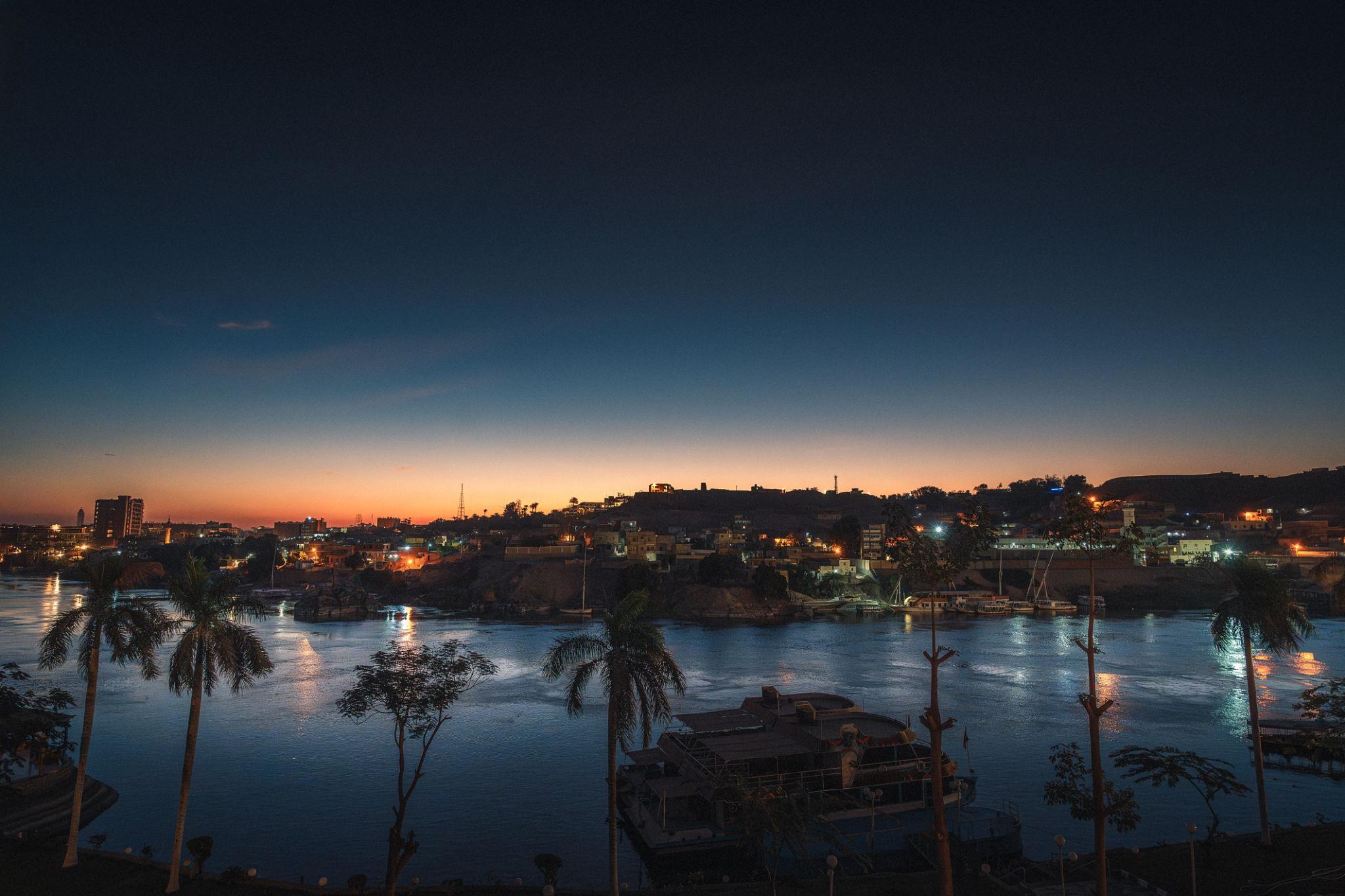
Evenings are quiet. Dinner is often on deck, sometimes on the bank by lantern light, and there is no evening show to sit through. Expect patchy mobile signal on the open stretches and very little light after dark, which on a clear night means a sky full of stars. If you want more time on the water in Aswan itself, a sunset felucca there is the natural follow-up.
What a Dahabiya Nile Cruise Costs in 2026
Dahabiyas are priced in US dollars, euros or sterling rather than Egyptian pounds, and the range is wide. As of autumn 2026, Egyptian operators advertise shared departures from roughly 900 to 1,300 USD per person sharing for three nights and about 900 to 1,500 USD for four nights, which works out at around 220 to 430 USD per person per night; one well-known fleet charges about 330 EUR per person per night in a standard double cabin. Five-night sailings, offered mostly by longer-established boats, are listed by UK agents, whose prices run higher, from about 1,900 GBP per person. At the top end, boats with larger suites and near one-to-one service are quoted at more than 3,000 GBP per person for three to five nights, and charters of a whole boat are priced case by case.
Several factors push prices up: Christmas, New Year and Easter weeks, single occupancy, upper-deck suites and private guiding. Late spring and early autumn departures can be noticeably cheaper. Compare what is included rather than headline fares, since a cheaper cruise without entrance fees, transfers or a resident Egyptologist can end up costing more than one that includes them.
What Is Included, and What Is Not
On a typical dahabiya Nile cruise the fare covers your cabin, full board with soft drinks or water at meals, guided visits to the sites on the itinerary, and usually the transfer between Luxor and the boat. Many include entrance tickets to the temples; some do not. Our own five-day dahabiya cruise between Aswan and Luxor, for example, includes an Egyptologist, full board, afternoon tea, all entrance fees and transfers at both ends.
Alcohol is usually extra, sometimes from a small bar, sometimes at fixed prices per bottle, and a few boats allow you to bring your own. Gratuities for the crew are not normally included: a pooled payment at the end of the cruise is customary, and our guide to money and tipping suggests sensible amounts. Extensions such as Abu Simbel, Philae or a hot air balloon over Luxor are almost always priced separately.
Choosing a Dahabiya Nile Cruise: Questions to Ask
- How many cabins and guests does the boat carry, and will it be full on your dates?
- Is it a shared departure or a private charter, and what would a charter for your group cost?
- How much of a typical week is spent under sail, and is there an engine or a tug?
- Which sites are on the itinerary, and are El Kab and Gebel el-Silsila included?
- Is there a qualified Egyptologist on board for the whole cruise, or only at each stop?
- Are entrance fees, transfers from Luxor and soft drinks included?
- What are the cabin sizes, bathrooms and air conditioning like, and which deck are you on?
- Are there steep stairs or narrow gangways? Very few dahabiyas have lifts.
- Which day of the week does the boat depart, and is that fixed?
Our Pick: Who Gets the Most From a Dahabiya
Couples and honeymooners are the obvious fit, which is why we often suggest one in our Egypt honeymoon guide. A family or group of friends with eight to sixteen people can charter a whole boat, which changes the economics completely and turns the cruise into a private house party on the river.
It suits readers, photographers and anyone who travels to slow down. It suits less well those who need a lift, a gym or reliable Wi-Fi, families with very young children who need room to run, and travellers trying to compress Egypt into a week, for whom a three-night ship is more efficient. If it fits, it is the version of the Nile people remember most clearly.
Building a Trip Around a Dahabiya
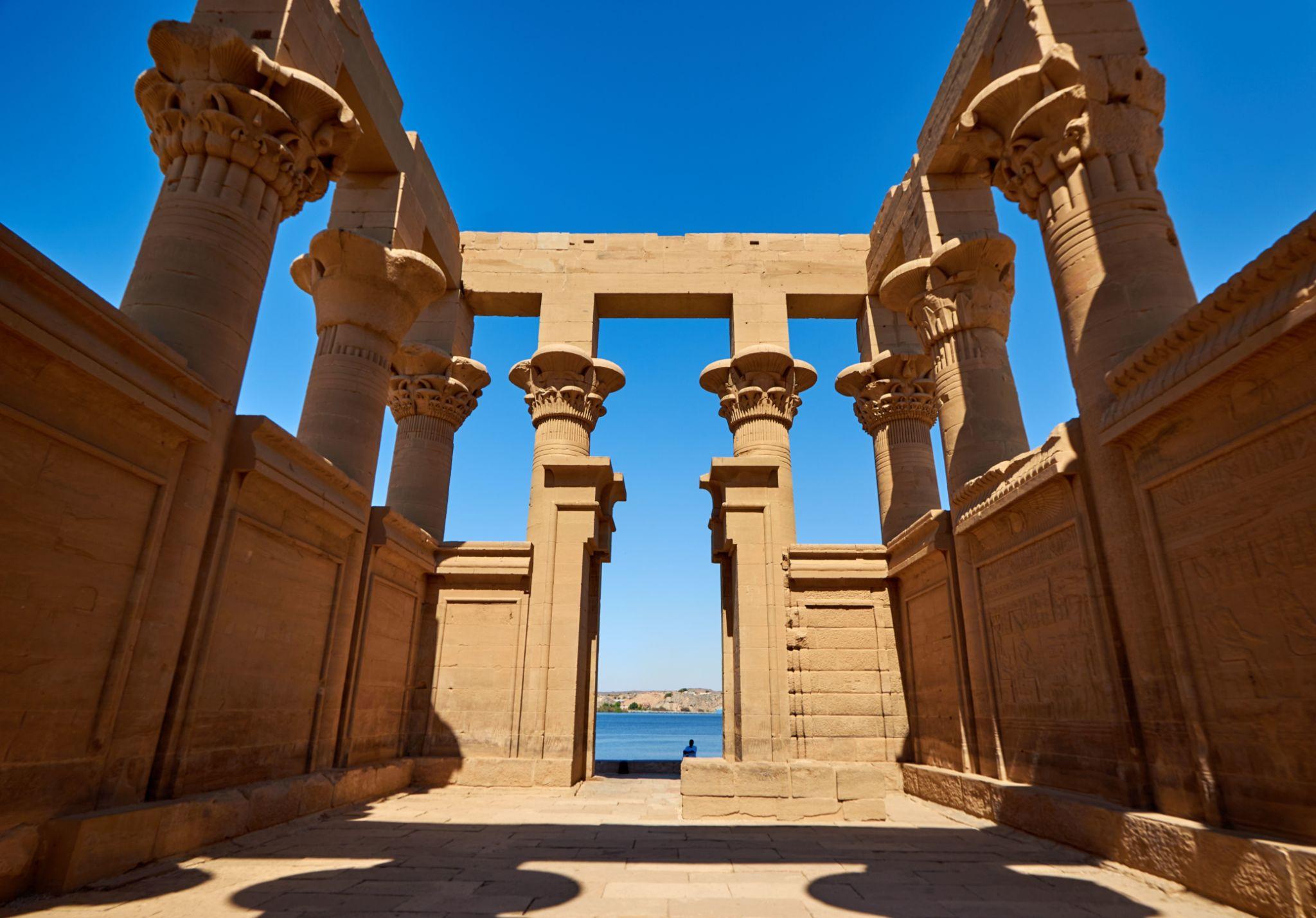
A dahabiya Nile cruise works best with a day or two either side. Two nights in Luxor before boarding let you see Karnak and the West Bank properly, and in Aswan it is worth staying on for Philae Temple and the High Dam and an early start for Abu Simbel. If time or budget points to a conventional ship instead, our Luxor to Aswan Nile cruise is the classic alternative.
The good boats fill early for the peak months of November to March, especially over the holidays, so it pays to plan several months ahead. If you tell us your dates, group size and how much sailing matters to you, we will match you with the right boat and the right days on either side.