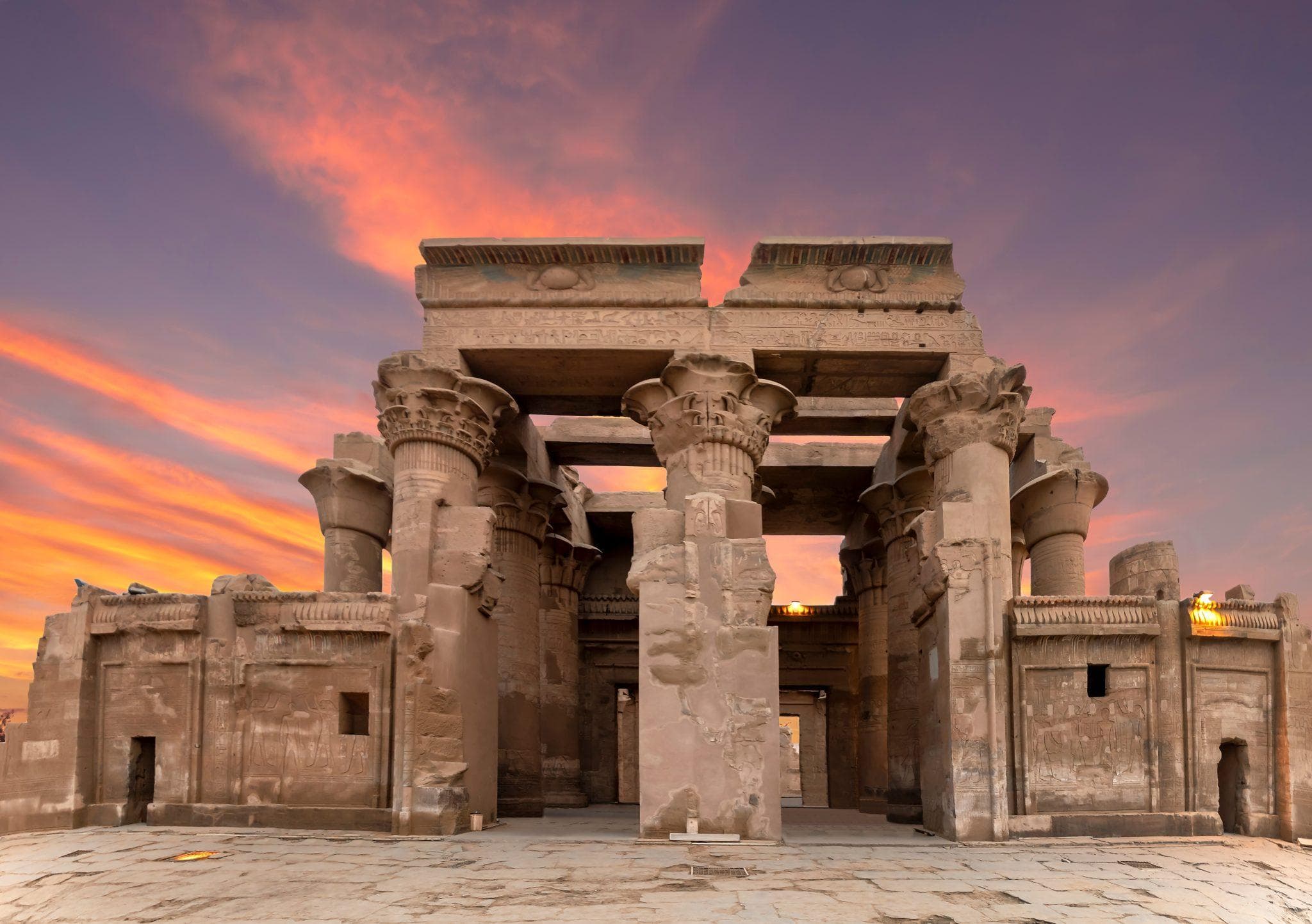
Kom Ombo Temple
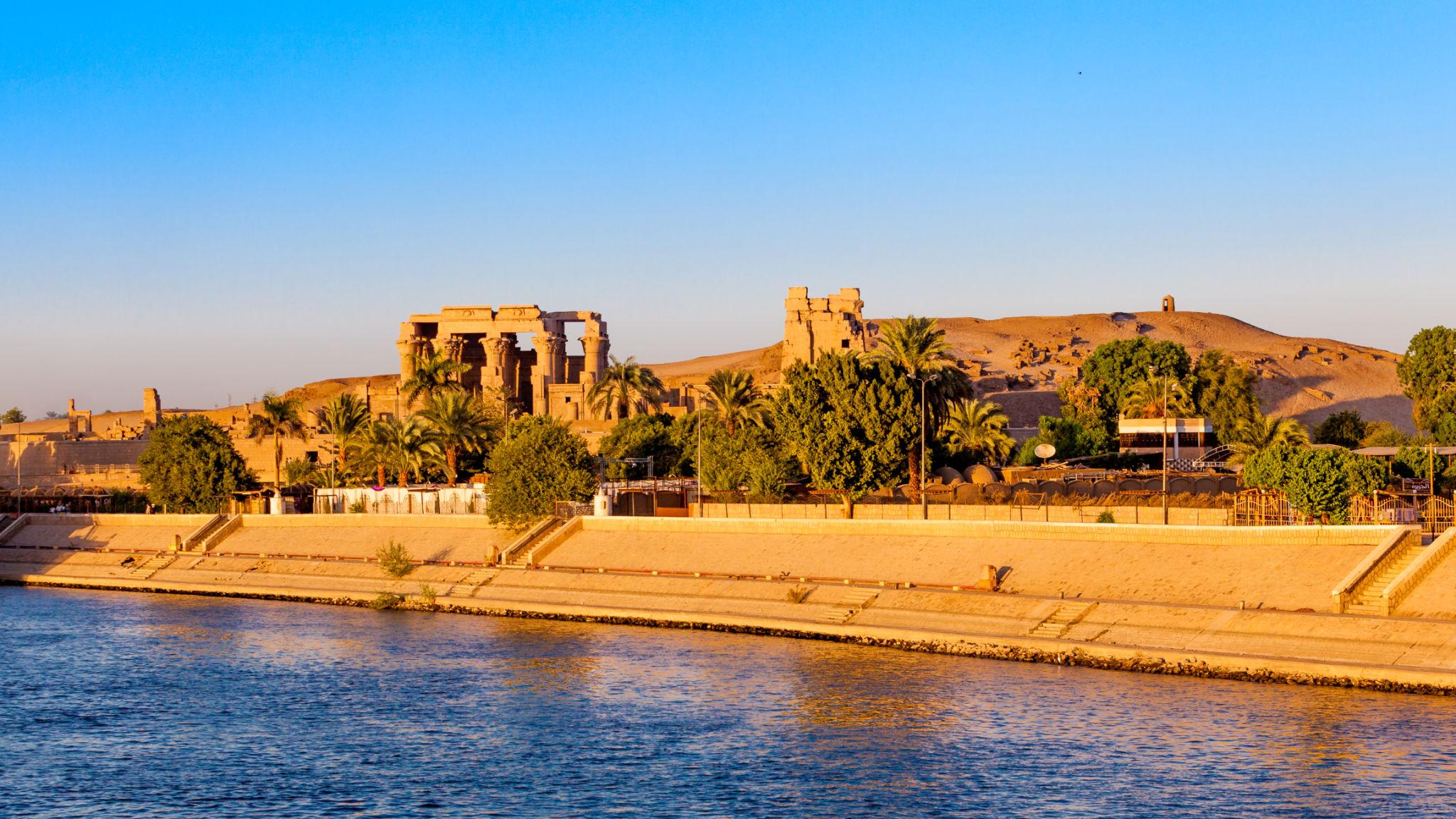
A unique double temple dedicated to two gods — perched on a scenic bluff overlooking the Nile.
6 AM – 9 PM450 EGP (foreign visitor)24.4522, 32.9283
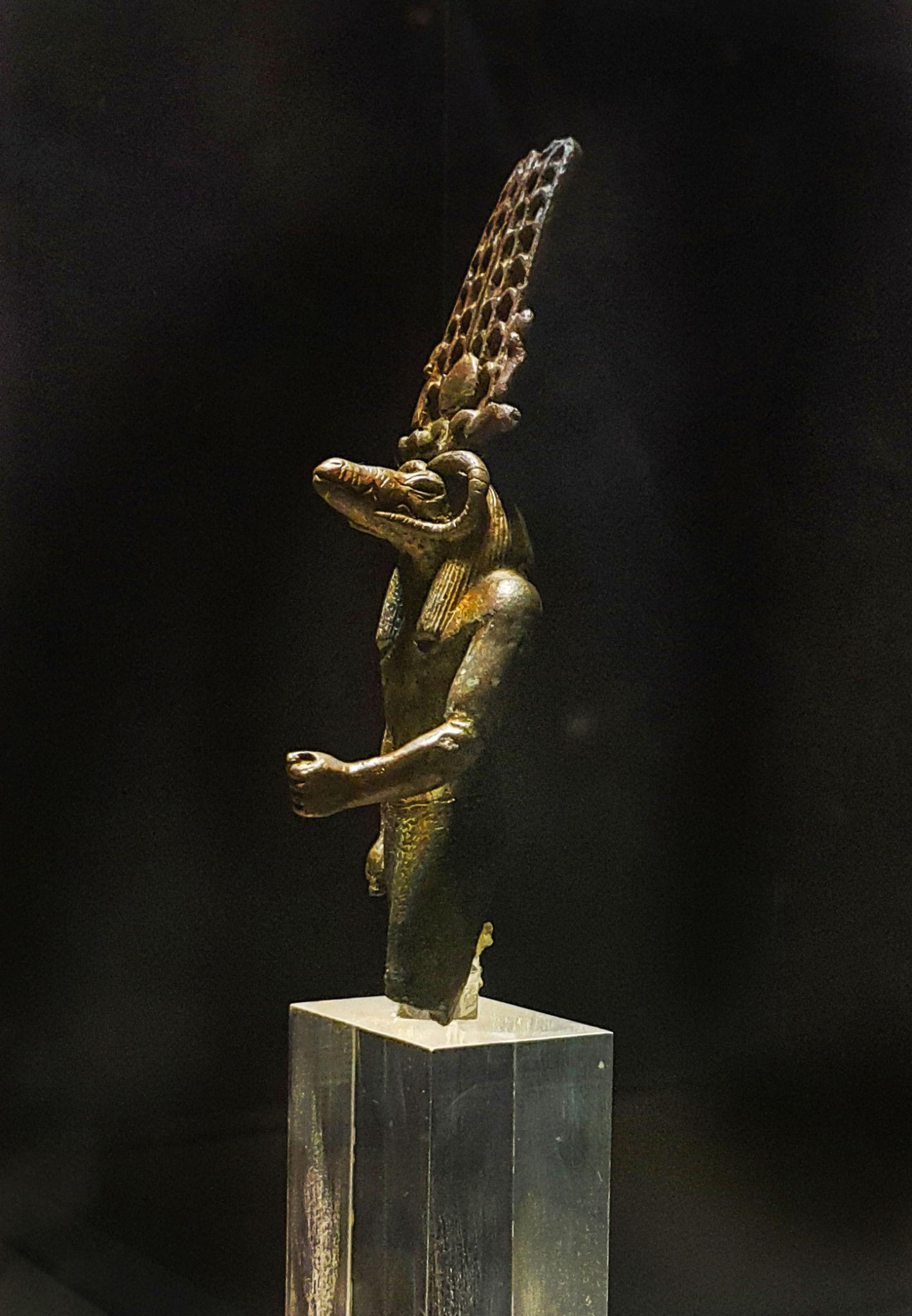
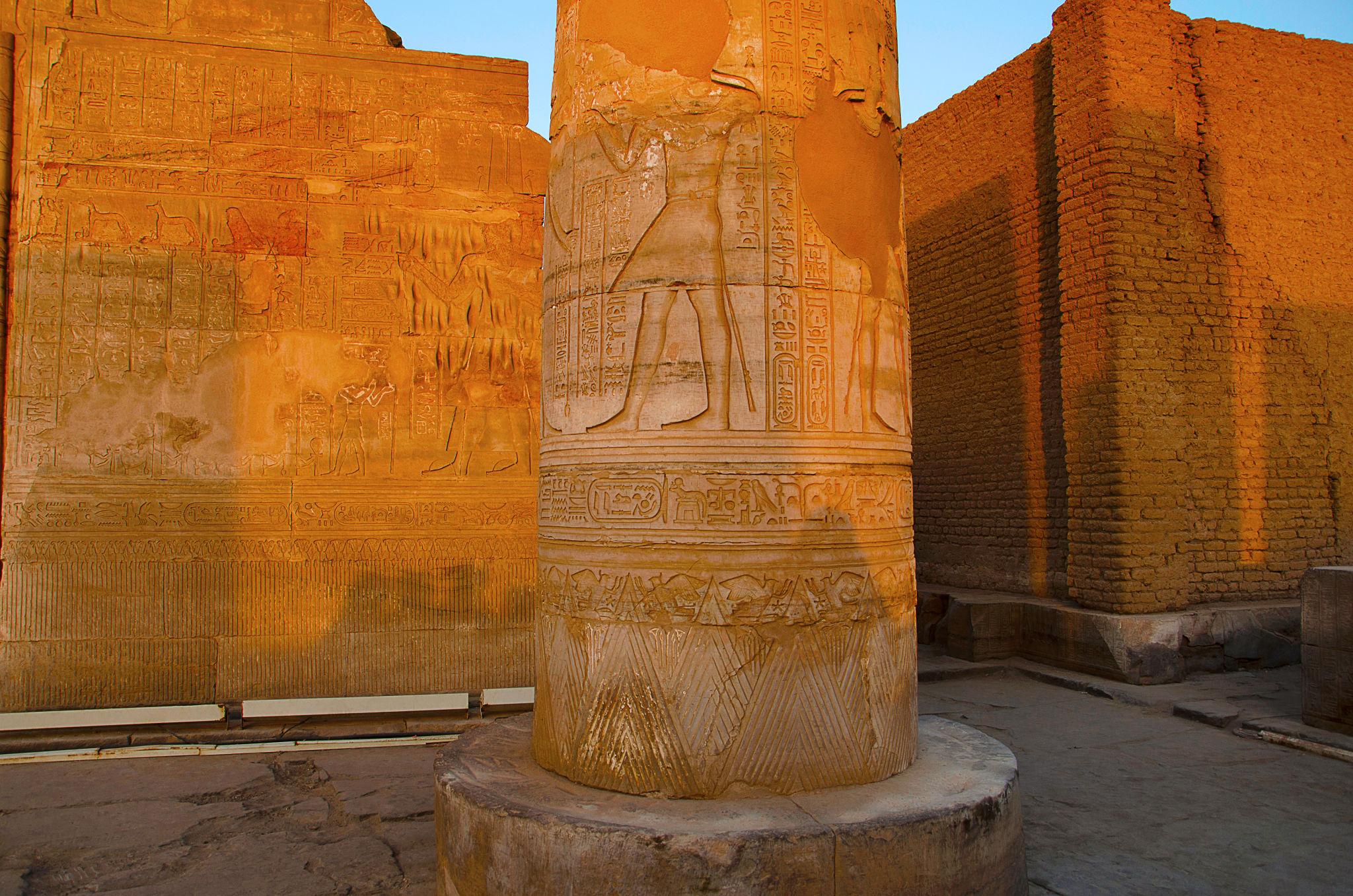
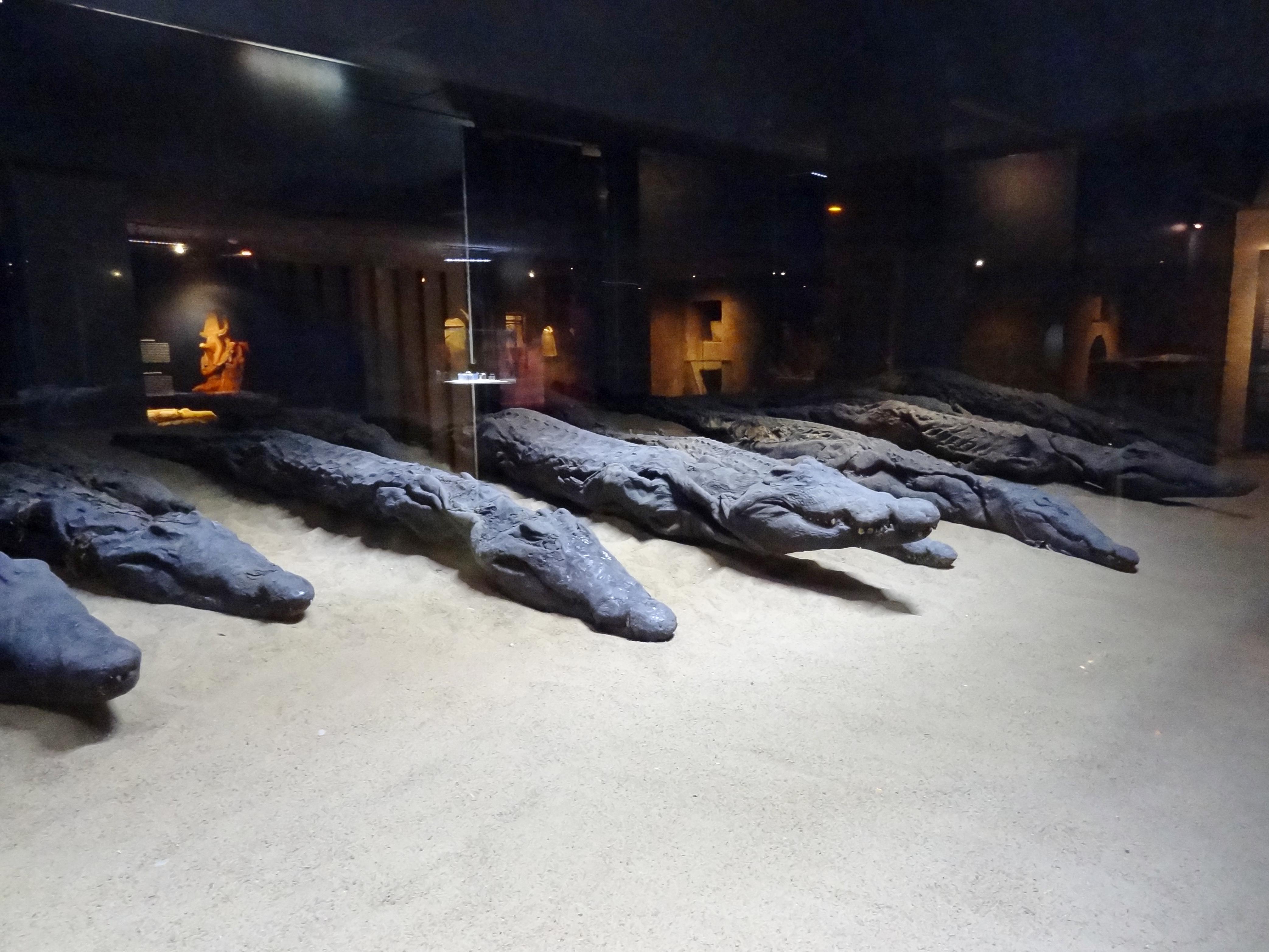
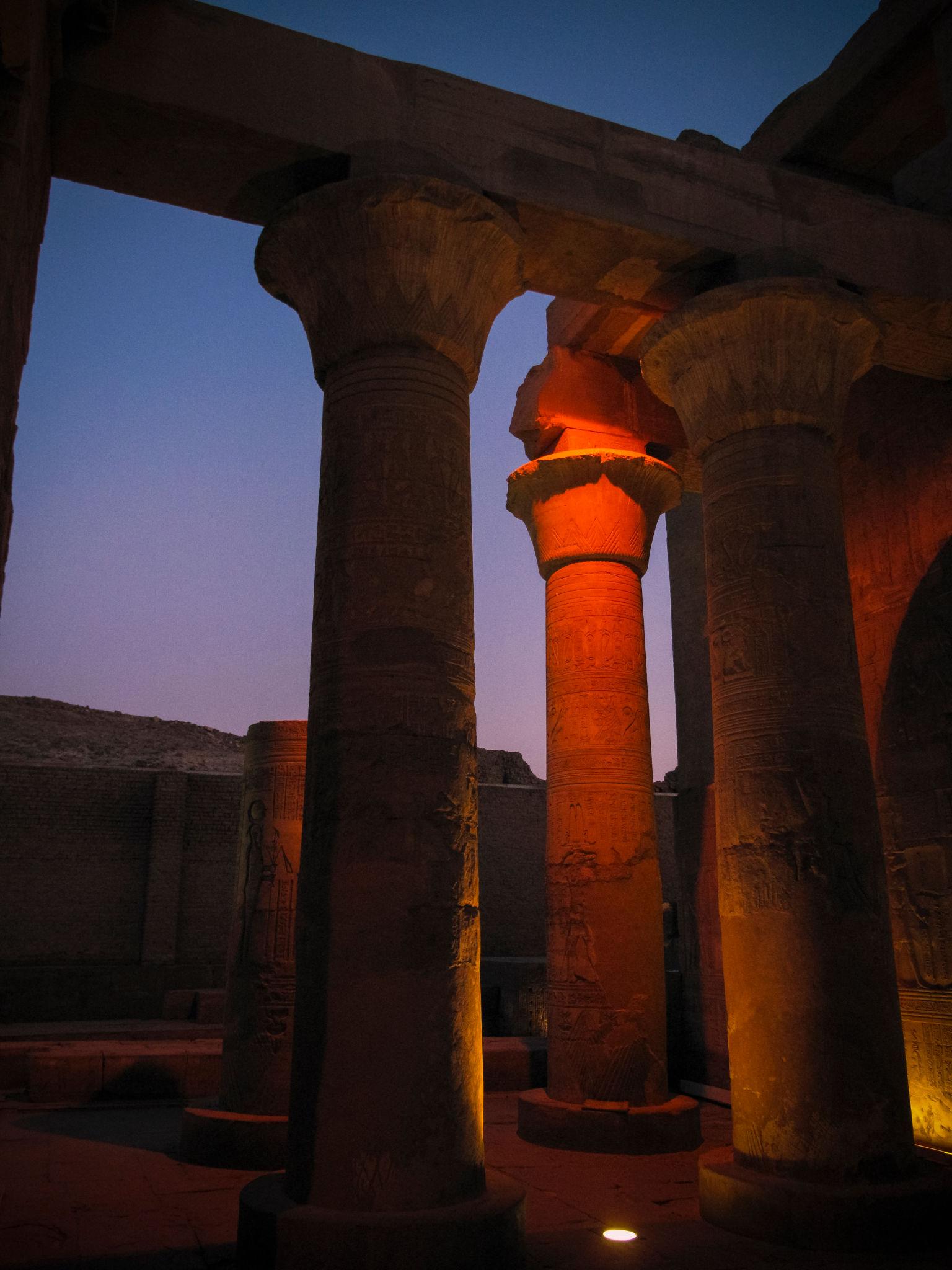
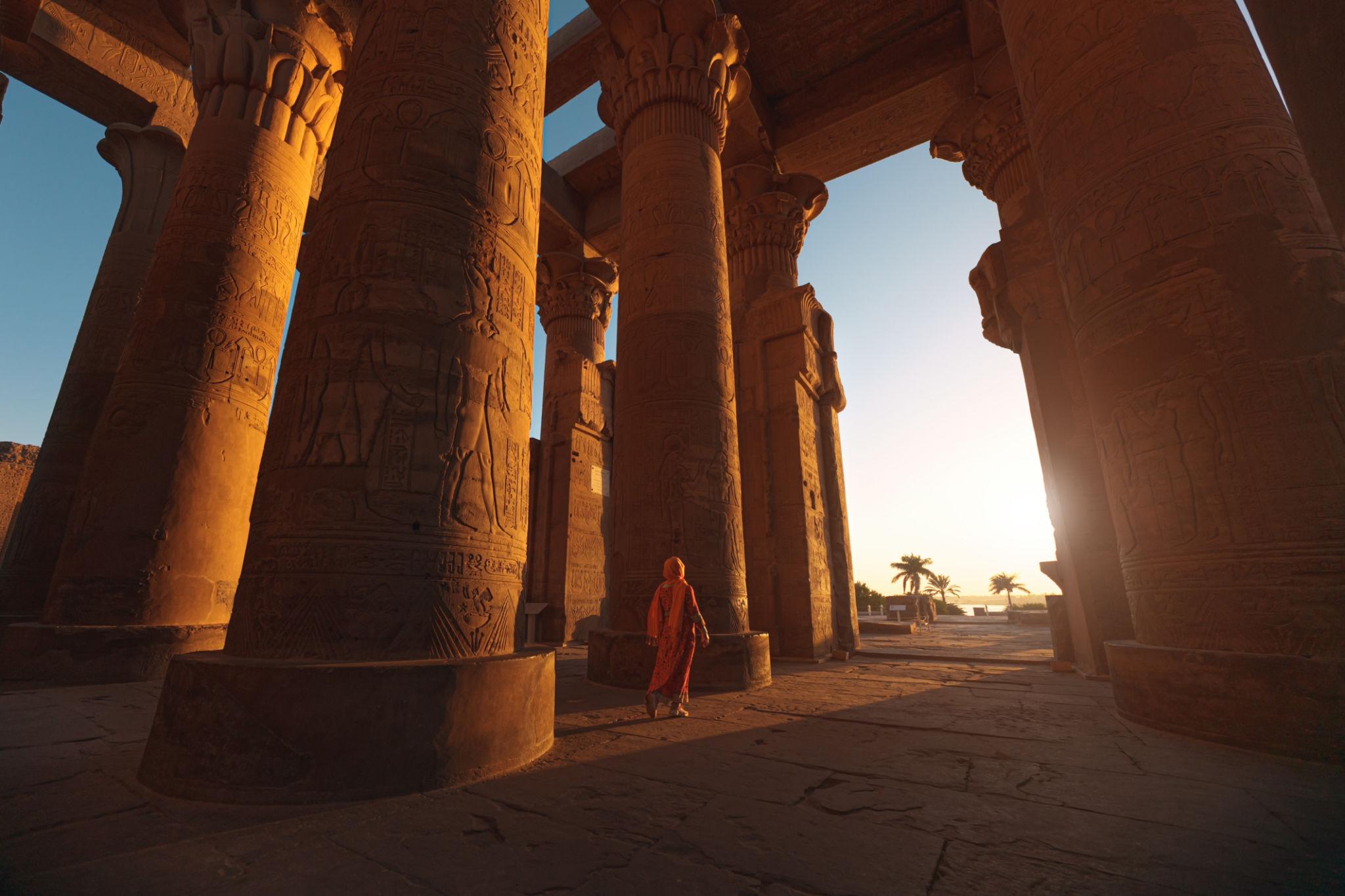
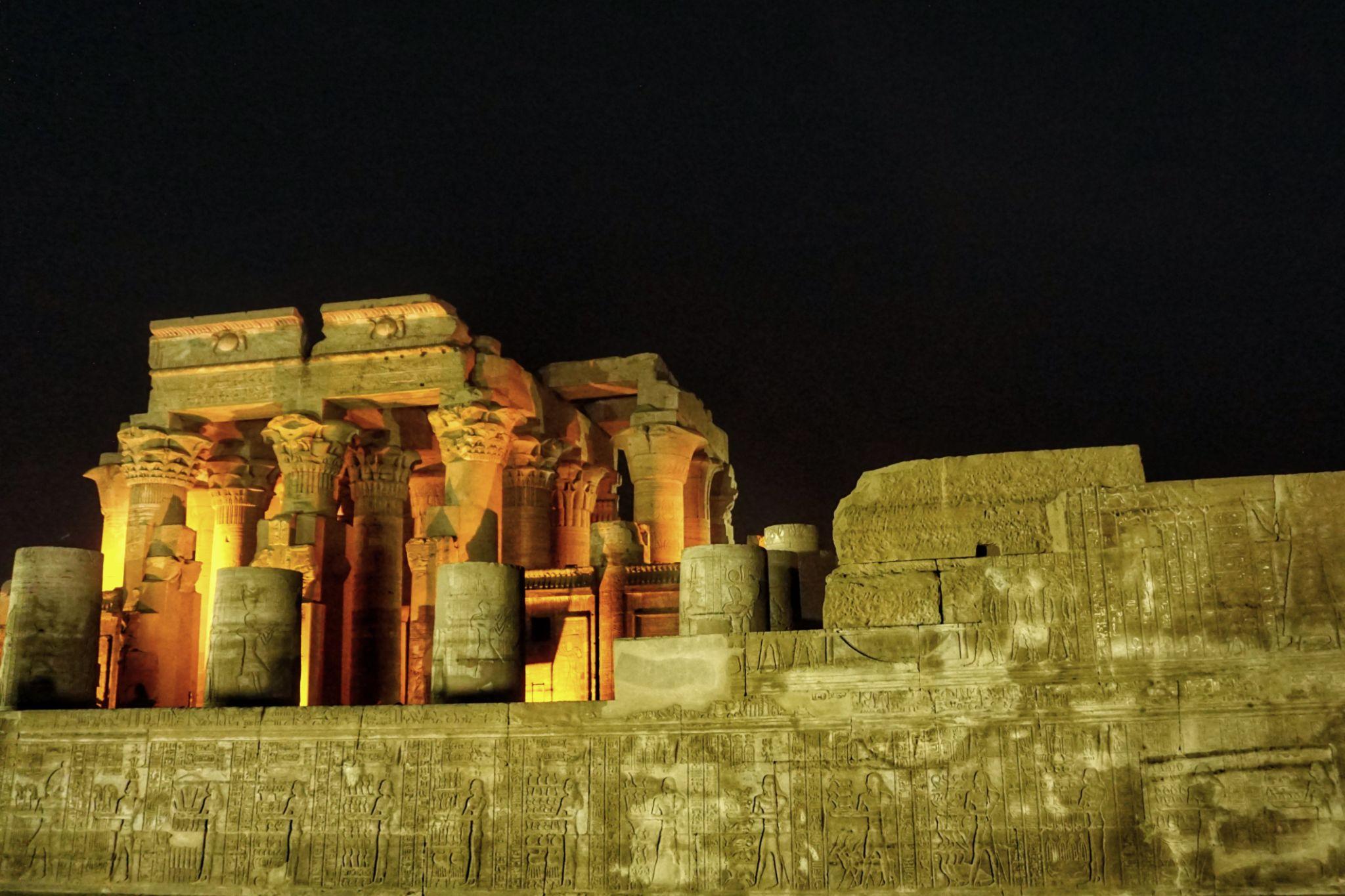
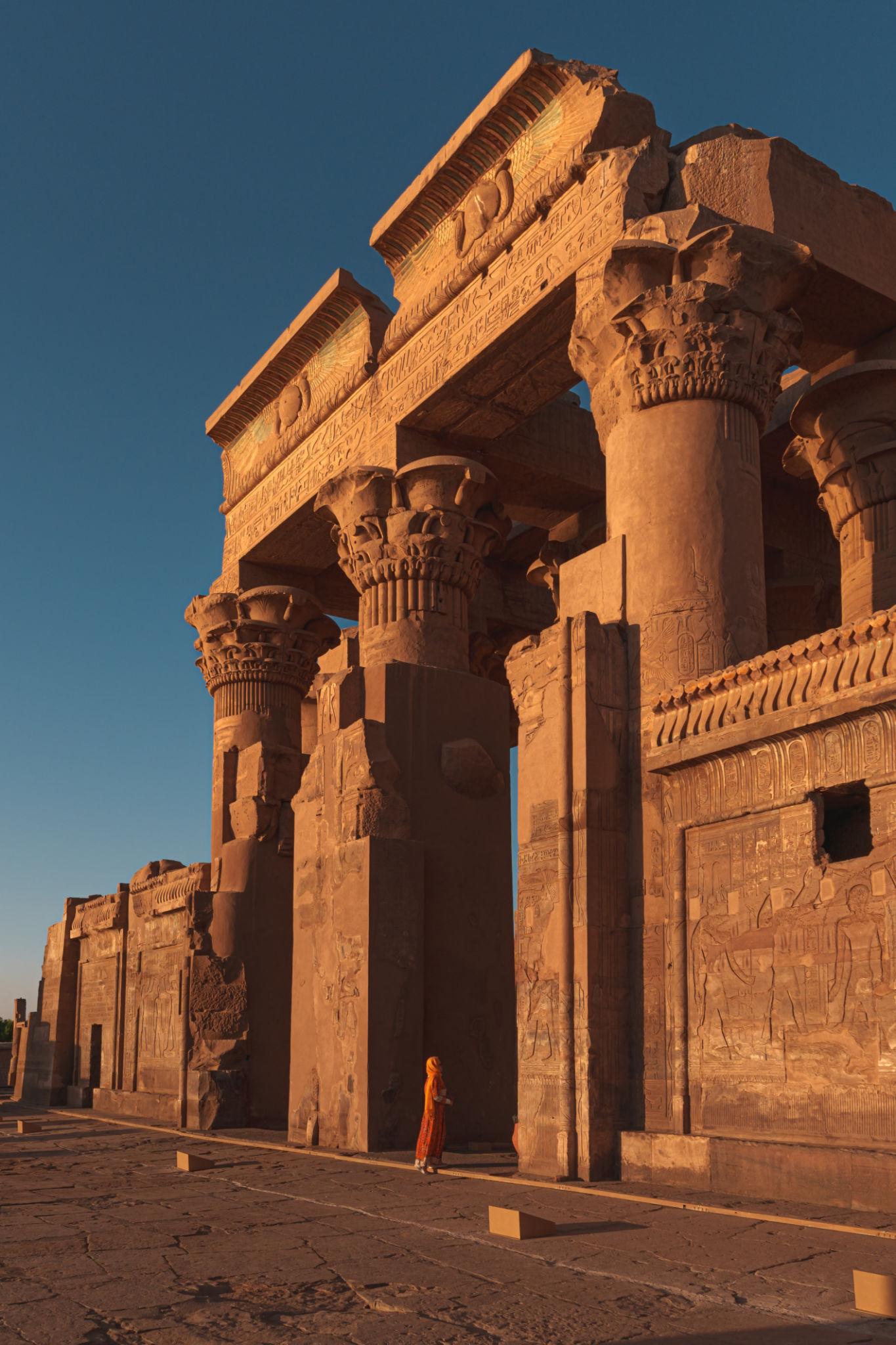
The Temple of Kom Ombo is unique in Egypt: a perfectly symmetrical double temple dedicated to two gods — the crocodile god Sobek and the falcon god Horus the Elder. Built during the Ptolemaic period (180–47 BC) on a promontory overlooking the Nile between Luxor and Aswan, the temple's dramatic riverside location and unusual dual design make it one of the most atmospheric stops on a Nile cruise. An adjacent museum houses a stunning collection of mummified crocodiles found at the site.
Gallery
Why Visit
Egypt's only double temple — two perfectly mirrored halves for two gods
A dramatic Nile-side location, especially beautiful at sunset
A fascinating crocodile museum with mummified sacred crocodiles
What to See
The Double Temple
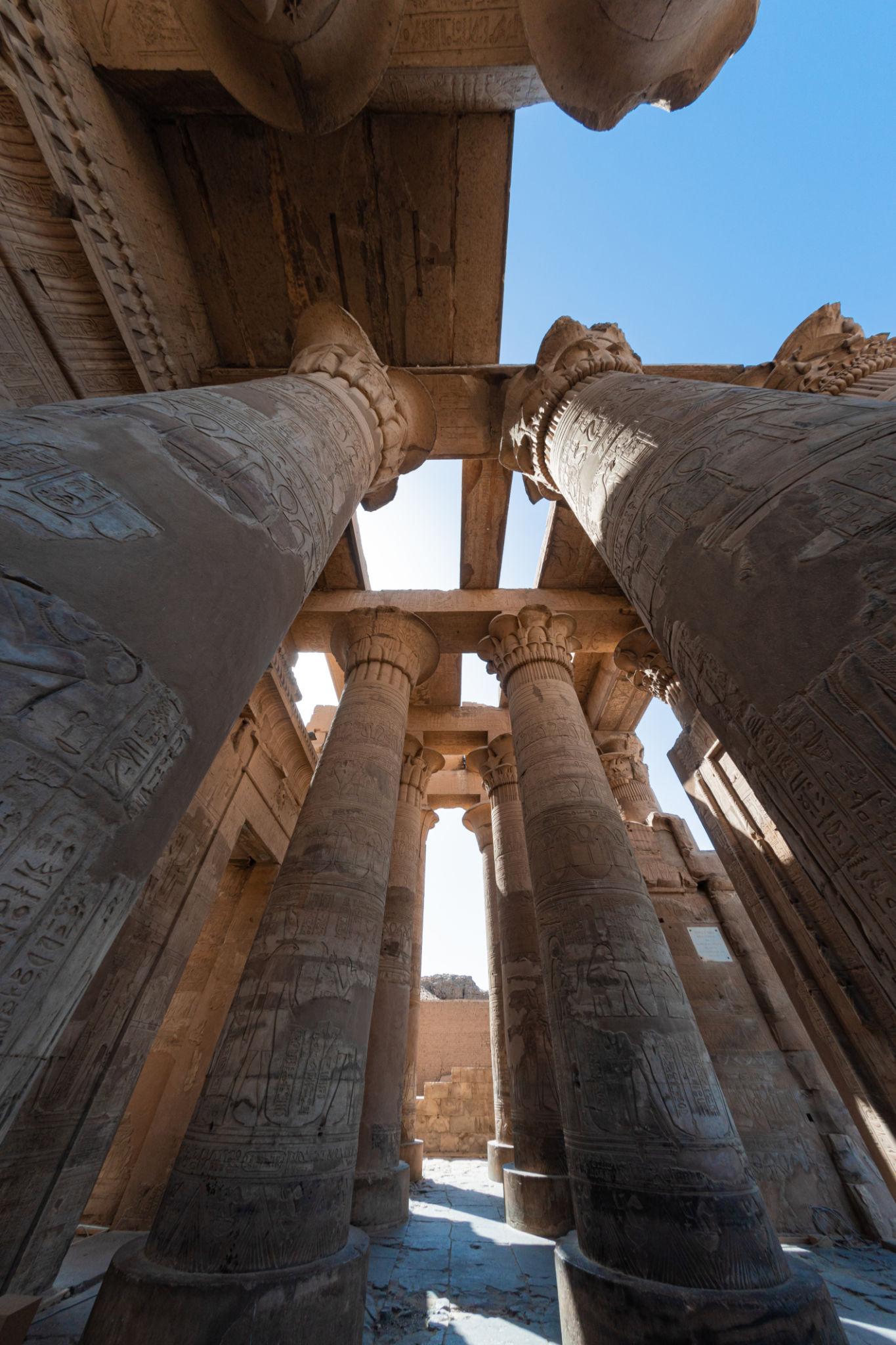
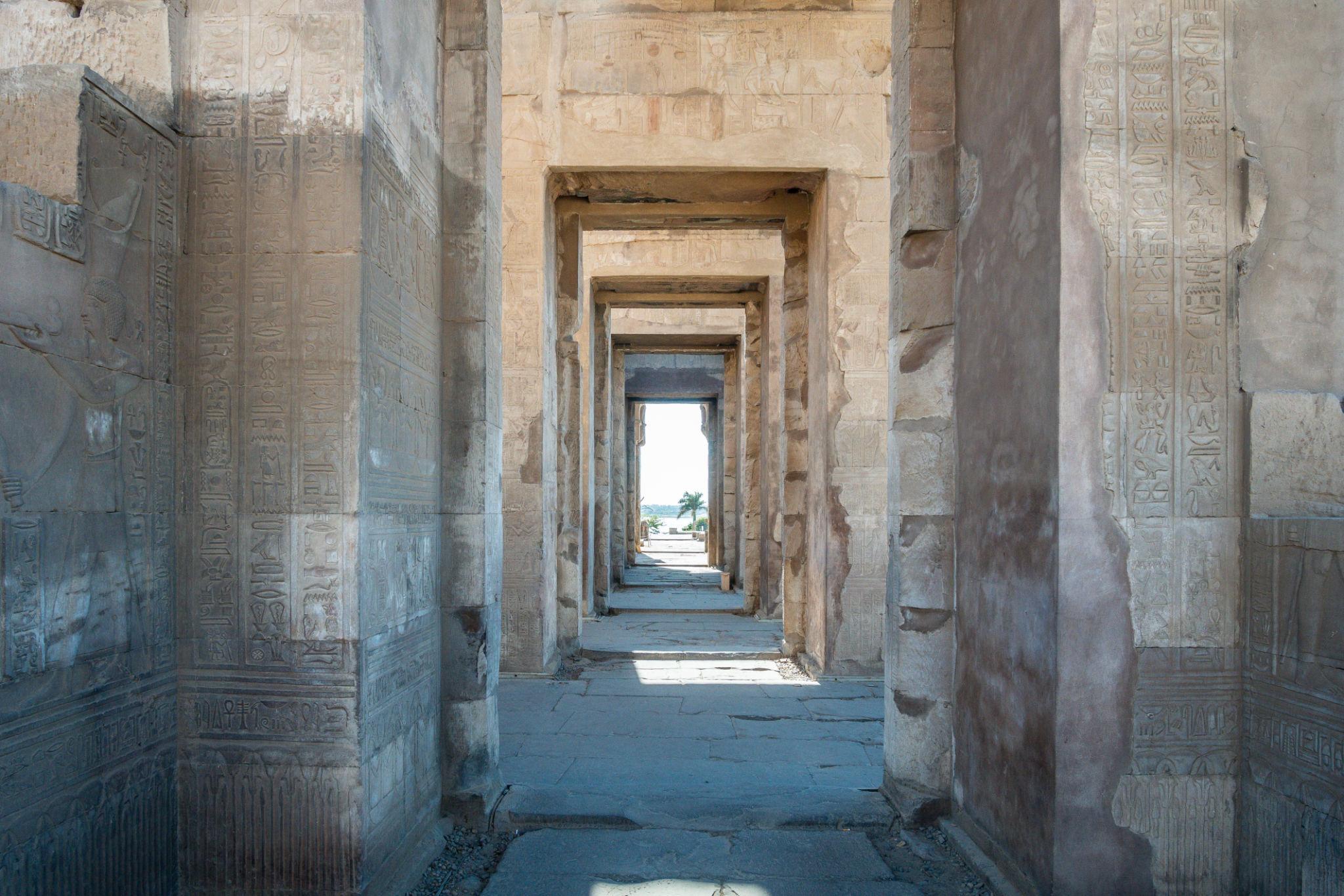
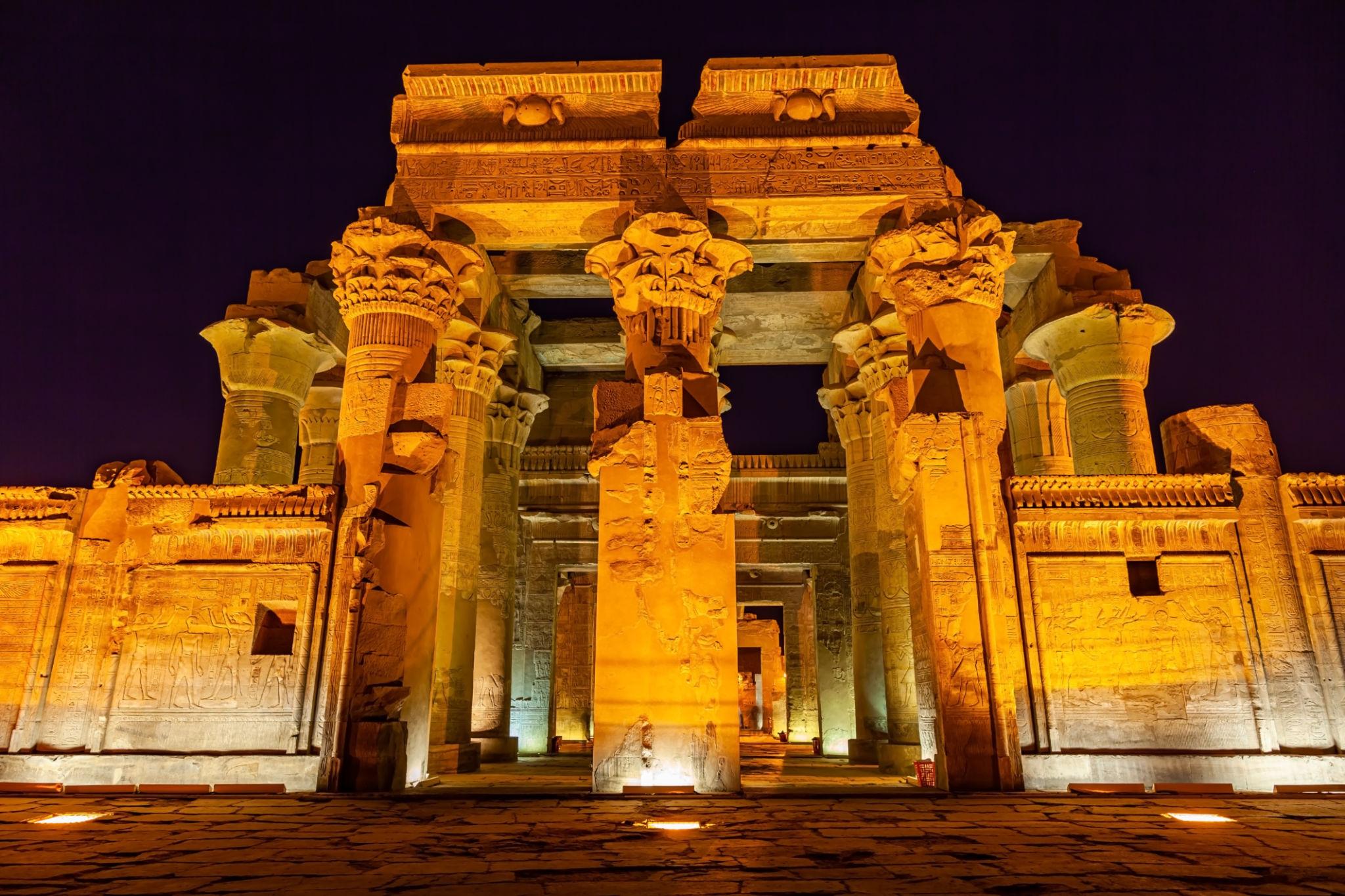
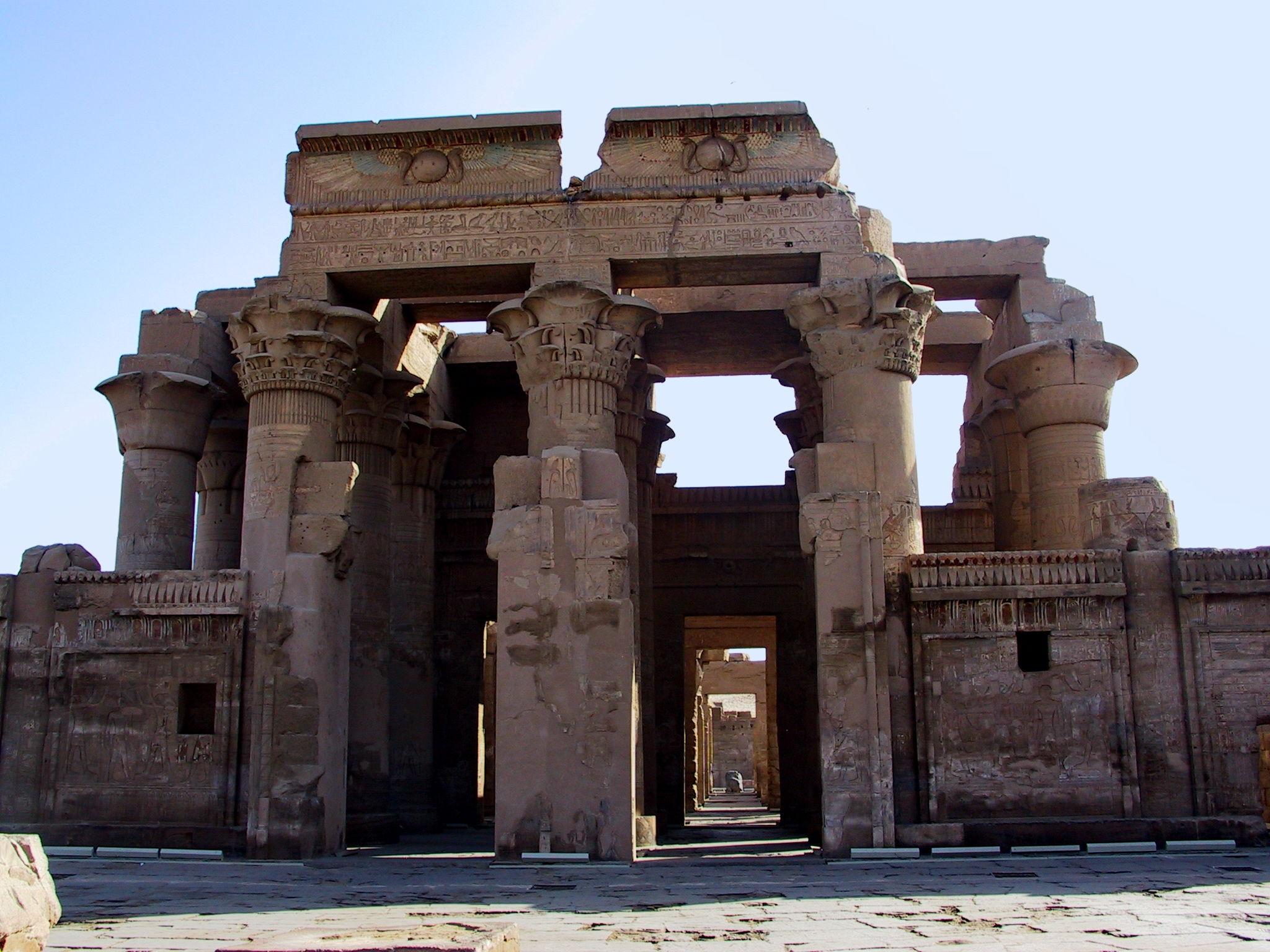
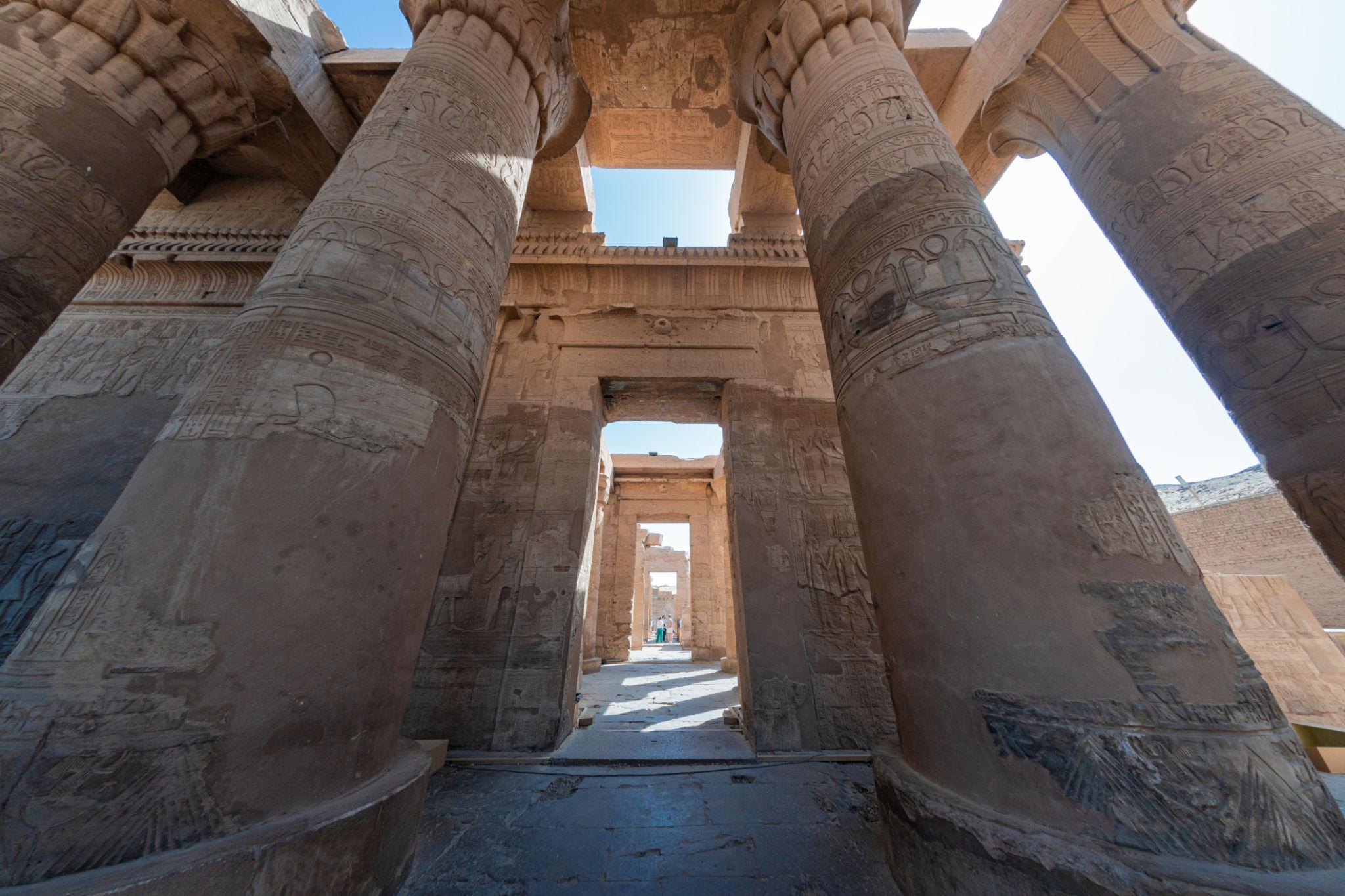
Everything in this temple is perfectly duplicated along a central axis — two entrances, two hypostyle halls, two inner corridors, and two sanctuaries — creating a mirror-image structure unlike anything else in Egyptian architecture. The left (northern) half is dedicated to Horus the Elder (Haroeris), the falcon-headed sky god, while the right (southern) half belongs to Sobek, the fearsome crocodile god — two deities whose opposing natures (sky and water, order and chaos) made their pairing a potent theological statement about cosmic balance. The symmetry is so precise that you can walk down the central axis and see identical architectural elements branching away on either side, like a built expression of the Egyptian concept of duality that pervaded their worldview. For visitors, the double layout means twice the sanctuaries to explore and a fascinating opportunity to compare how the same architectural spaces were decorated differently for two very different gods.
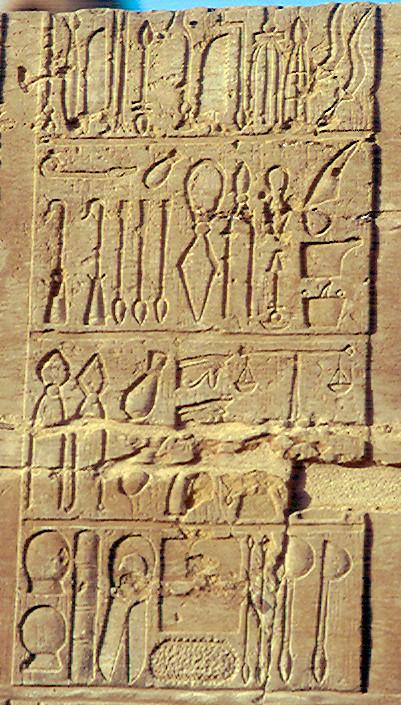
Surgical Instruments Relief
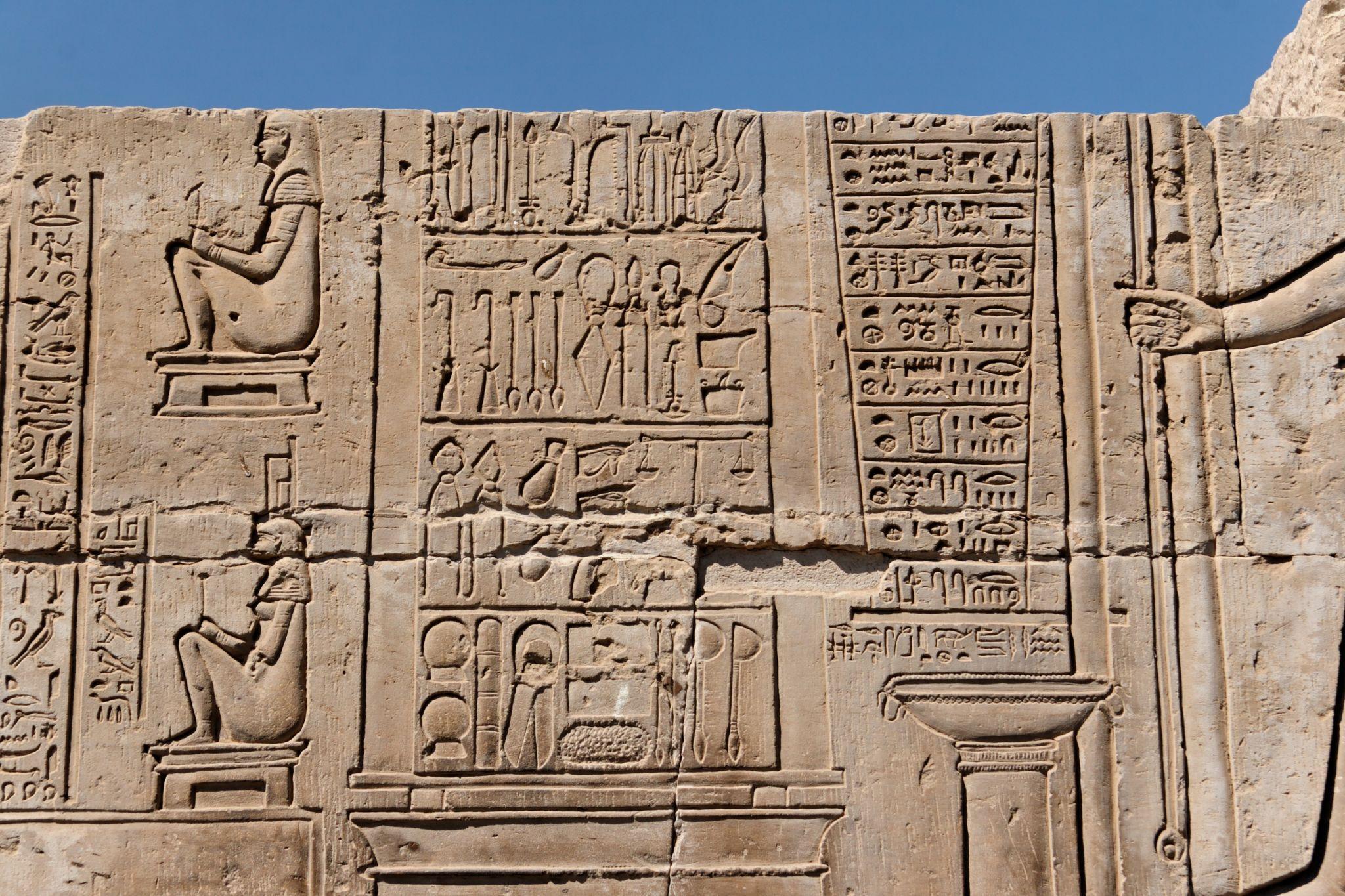
A famous relief near the rear of the temple depicts a collection of surgical instruments — scalpels, forceps, bone saws, suction cups, and birthing chairs. This is one of the earliest known depictions of medical tools, suggesting the temple may have served as a healing center.
Nilometer
A circular well connected to the Nile by an underground channel, used by the temple's priests to measure the river's annual flood level with remarkable precision — a measurement that had profound economic and political consequences for the entire country. The flood reading determined the year's tax rates: too low a flood meant poor harvests and reduced taxes, while too high a flood could destroy villages and irrigation systems. Nilometers like this one were among the most important instruments of governance in ancient Egypt, and the priests who read them wielded significant political influence — their predictions could reassure or alarm the entire population. The well's stone-lined walls show markings and gradations that allowed precise measurement, and descending the narrow steps to the water level gives a tangible sense of how intimately ancient Egyptian civilization was tied to the rhythms of the Nile.
Crocodile Museum
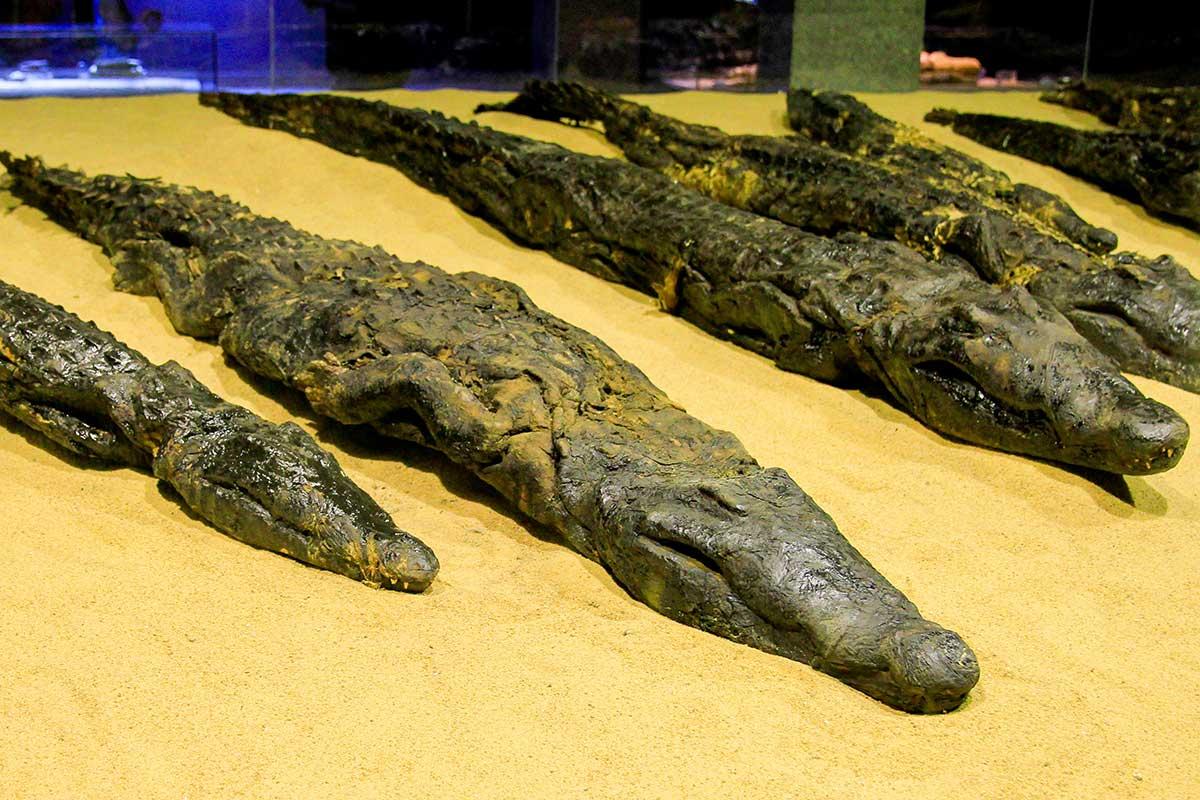
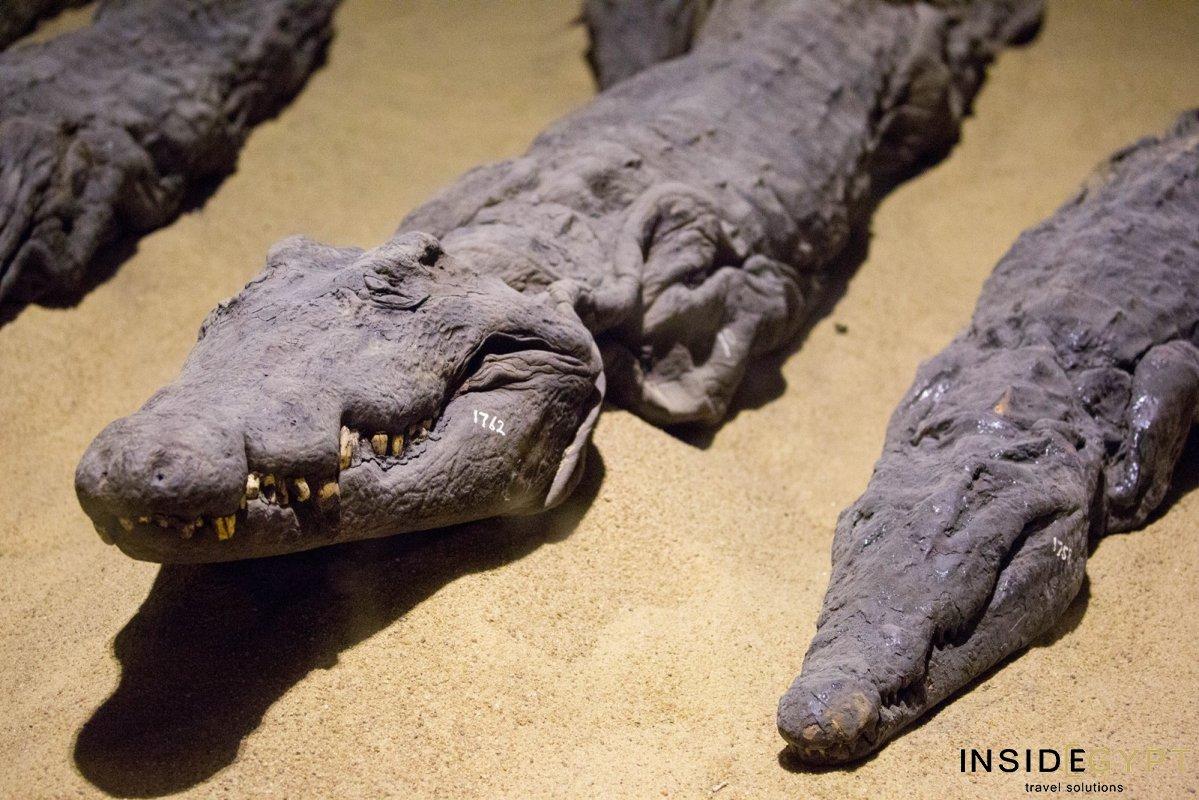
The modern museum adjacent to the temple houses over 300 mummified crocodiles of various sizes, found in a nearby necropolis. Some are remarkably well preserved, complete with linen wrappings. Sobek was worshipped here because Nile crocodiles were abundant in this stretch of the river.
Historical Details
The Cult of Sobek
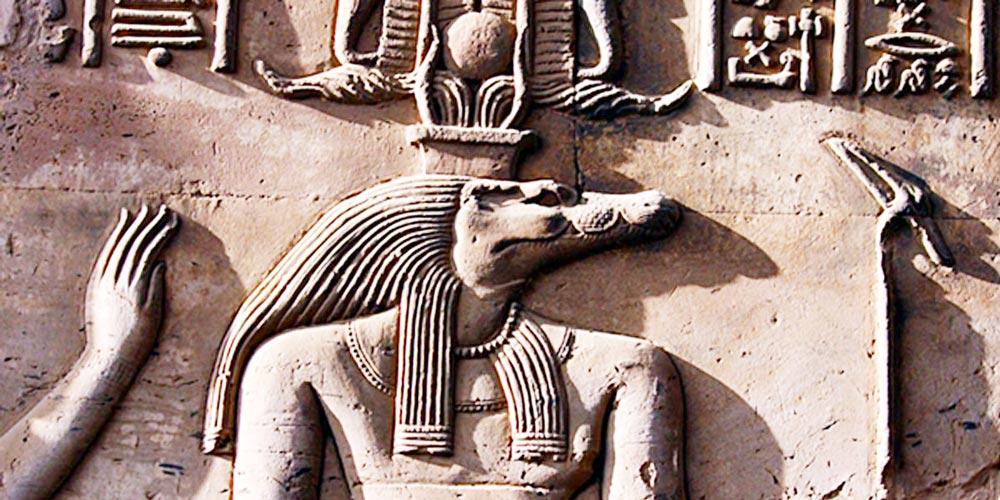
Sobek, the crocodile god, was both feared and revered. At Kom Ombo, sacred crocodiles were kept in pools within the temple, fed choice meats, adorned with gold and jewels, and mummified after death. The ancient Egyptians believed that appeasing Sobek protected them from crocodile attacks on the Nile.
Erosion and Earthquakes
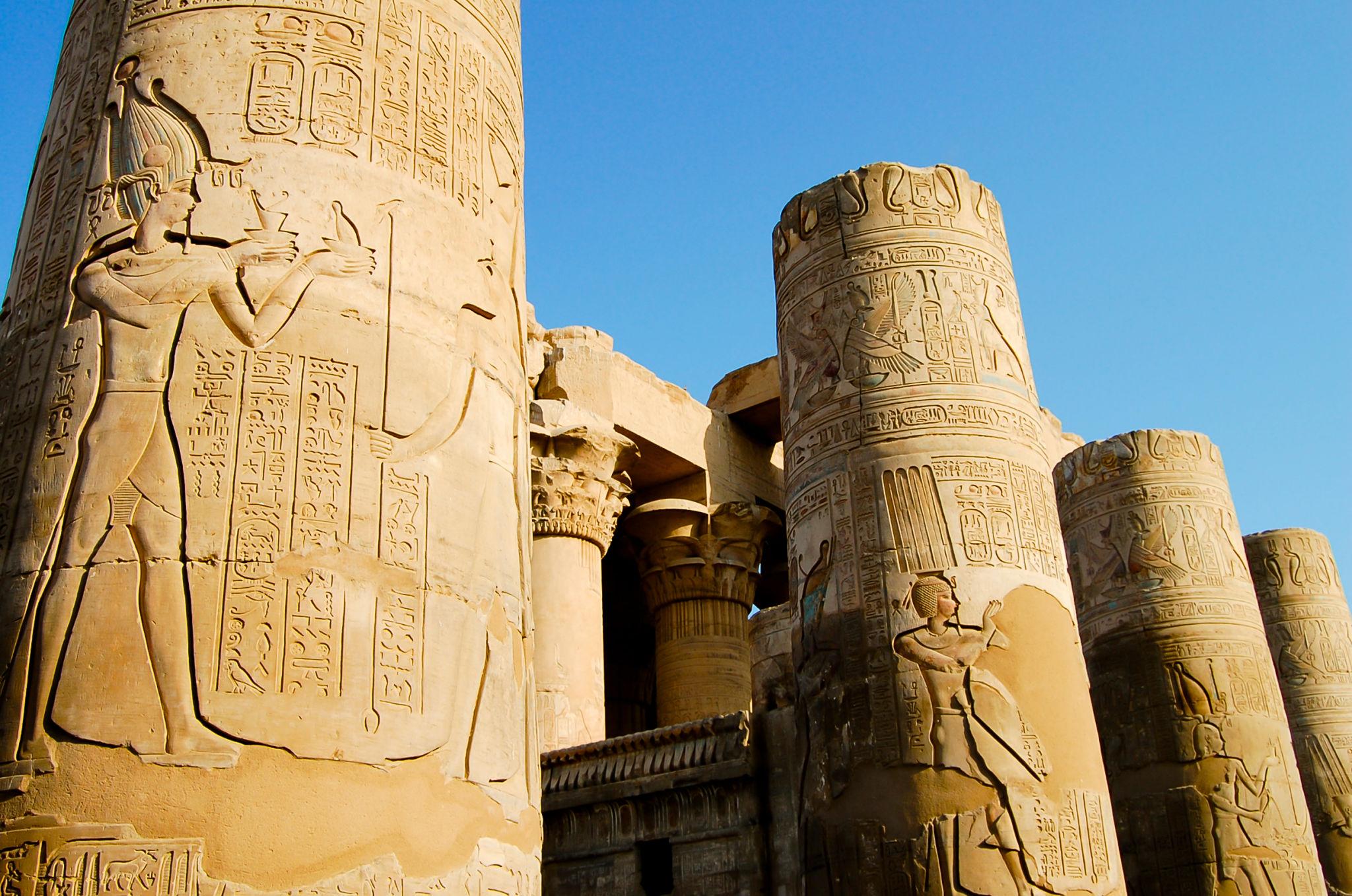
The temple has suffered significant damage from earthquakes and the Nile's erosion (much of the pylon and forecourt have been lost to the river). Despite this, the remaining structure is impressive and the reliefs are beautifully preserved. A recent restoration project has stabilized the surviving sections.
Visitor Tips
- Most Nile cruises stop here in the late afternoon — the golden hour light is spectacular
- The temple is beautifully illuminated at night and open until 9 PM
- Don't miss the Crocodile Museum — it's included in the ticket and genuinely fascinating
- The surgical instruments relief is on the outer rear wall — ask a guard to point it out
- The riverside location means great sunset views from the temple terrace
Opening Hours
6 AM – 9 PM
Entry Fee
450 EGP (foreign visitor)
Period
Ptolemaic Period, 180–47 BC
Built By
Ptolemy VI through Ptolemy XII