Philae Temple (Temple of Isis)
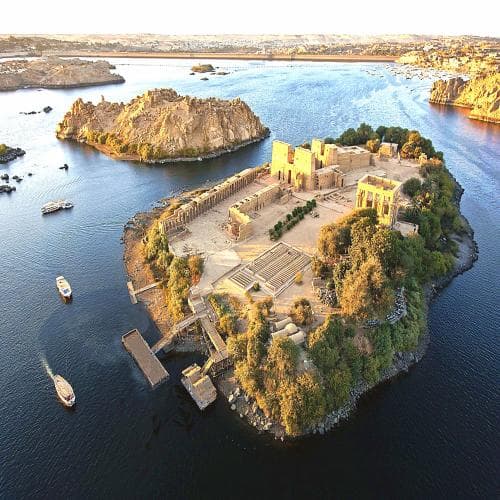
The romantic island temple of Isis — set on a beautiful island in the Nile near Aswan.
7 AM – 4 PM550 EGP (foreign visitor, plus boat fee); Sound & Light show 960 EGP24.0226, 32.8841
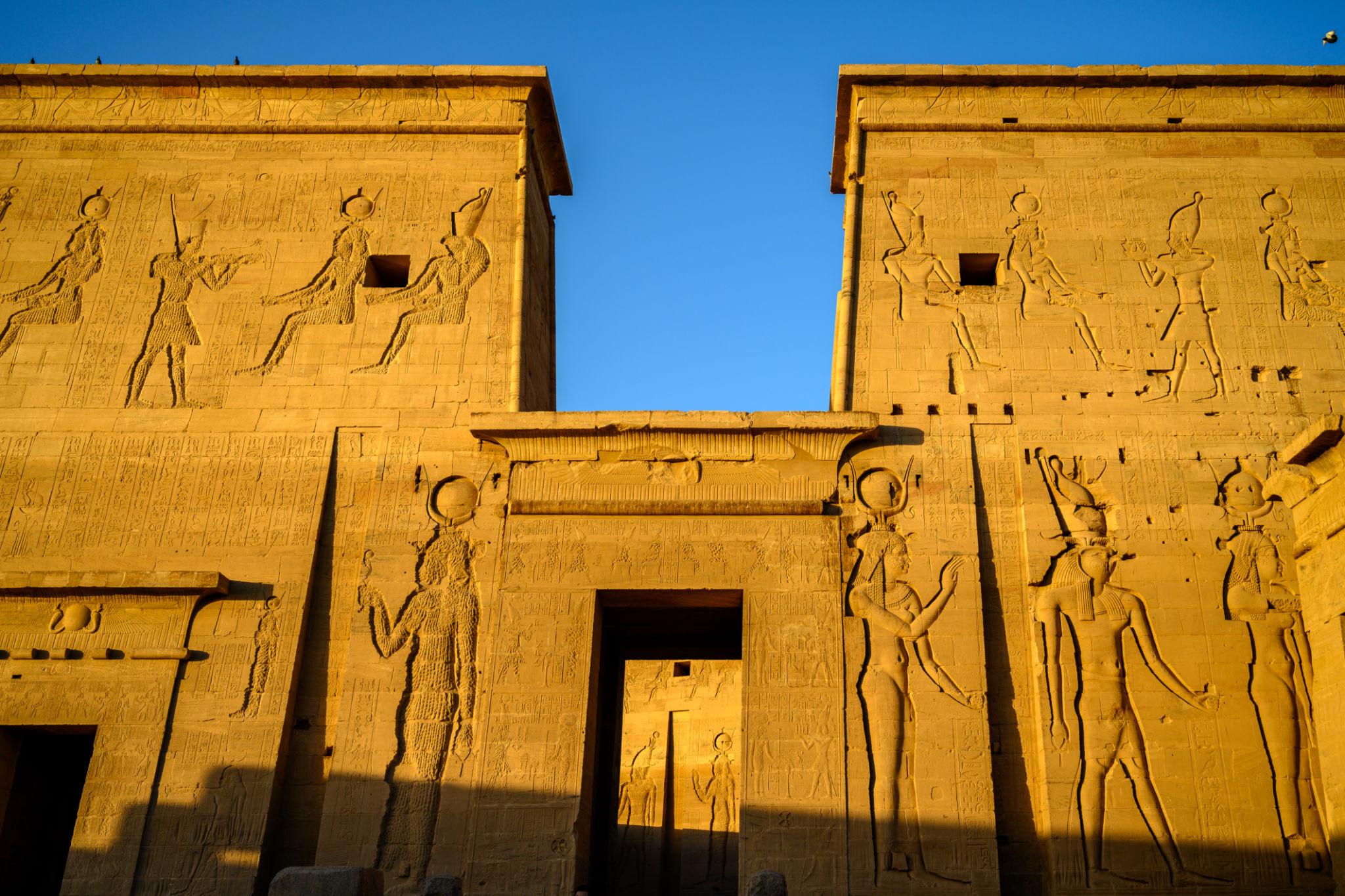
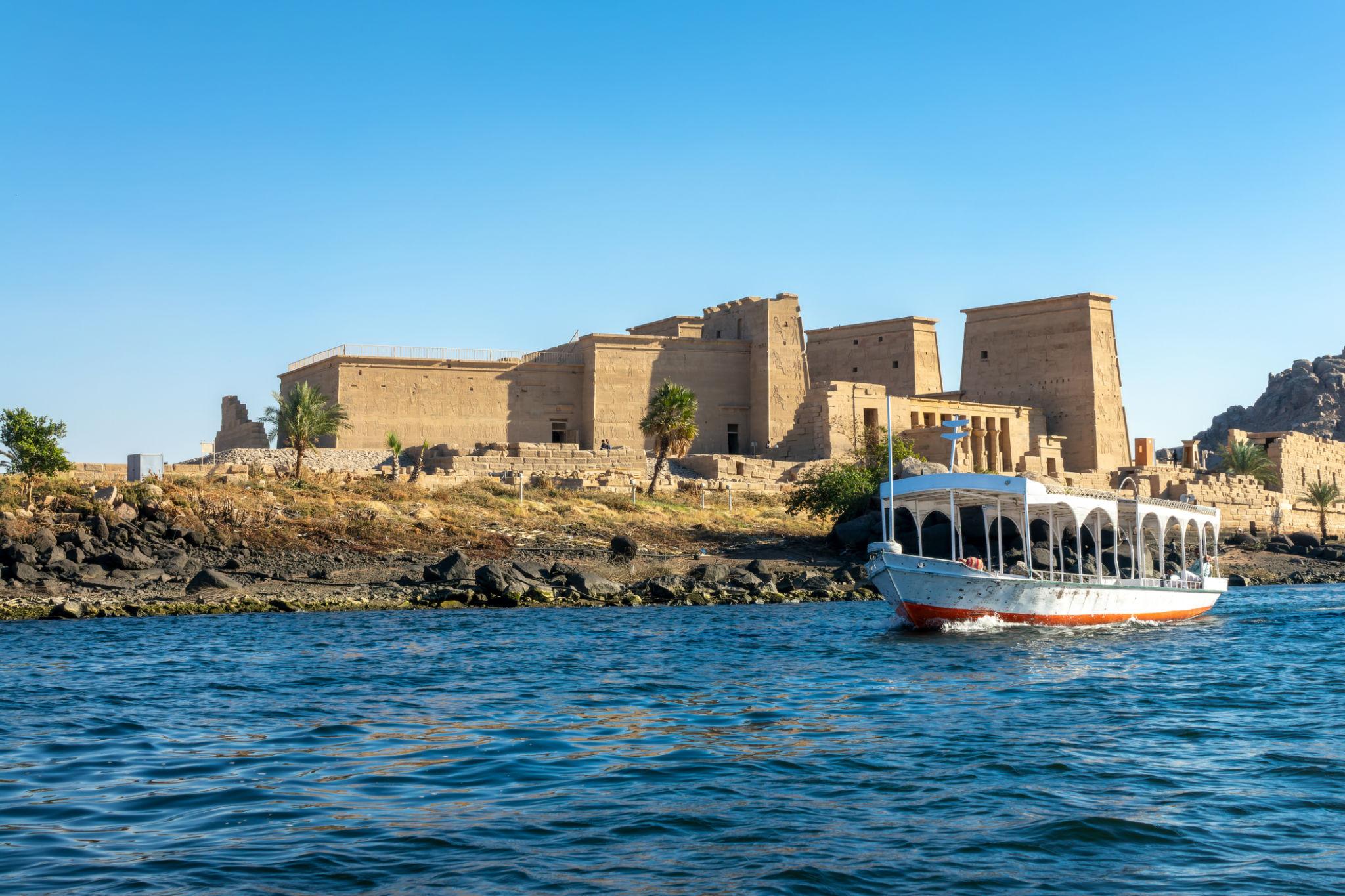
The Philae Temple complex was originally located on Philae Island but was relocated to nearby Agilkia Island after the construction of the Aswan High Dam. The main temple is dedicated to the goddess Isis and is known for its beautiful reliefs, elegant colonnades, and romantic island setting. It was the last place in Egypt where the ancient Egyptian religion was openly practiced — the temple was not closed until 550 AD by the Emperor Justinian.
Gallery
Why Visit
A romantic temple on a beautiful Nile island
Some of the best-preserved reliefs in Egypt
The last temple where ancient Egyptian religion was practiced
What to See
Temple of Isis
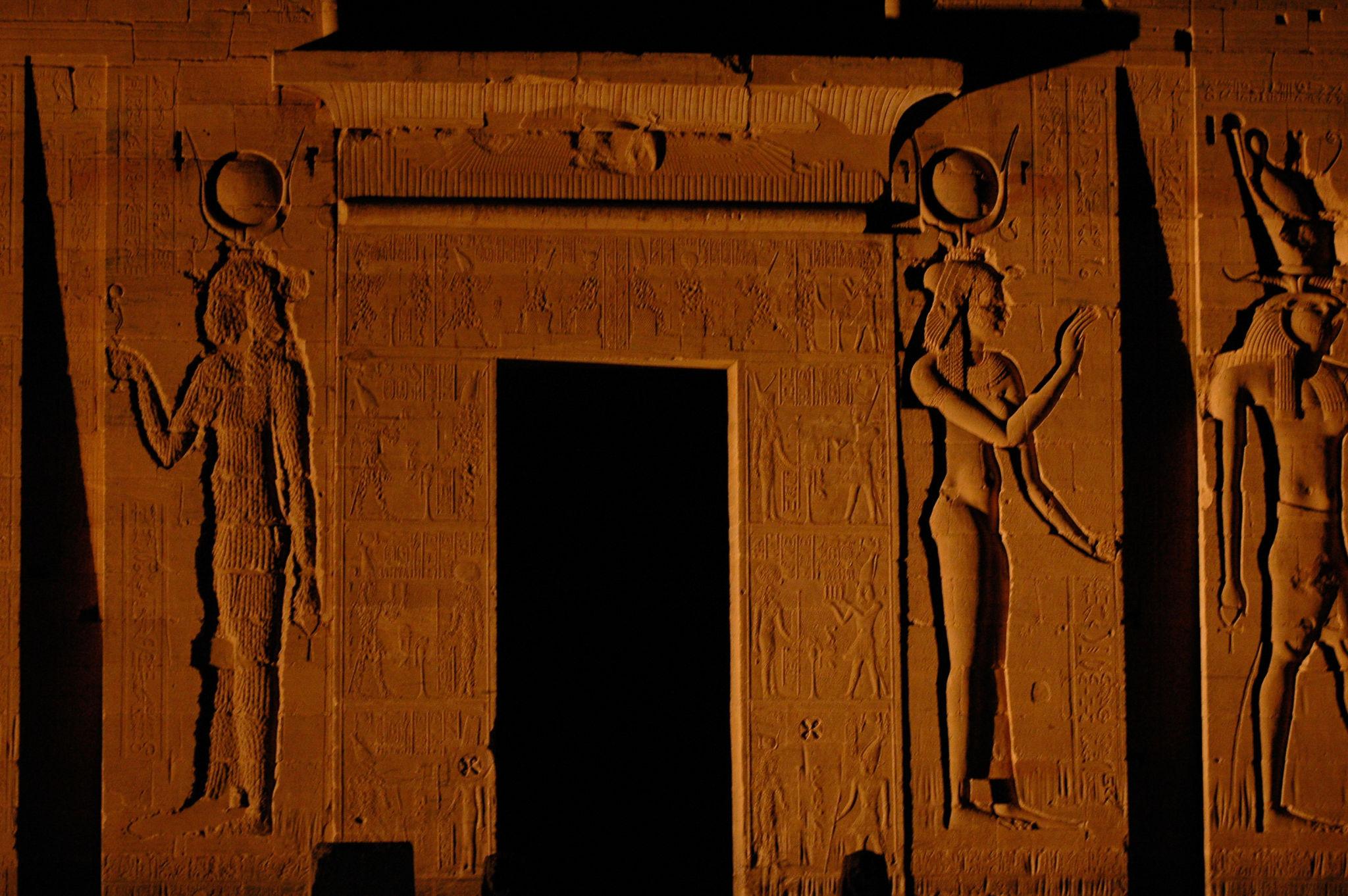
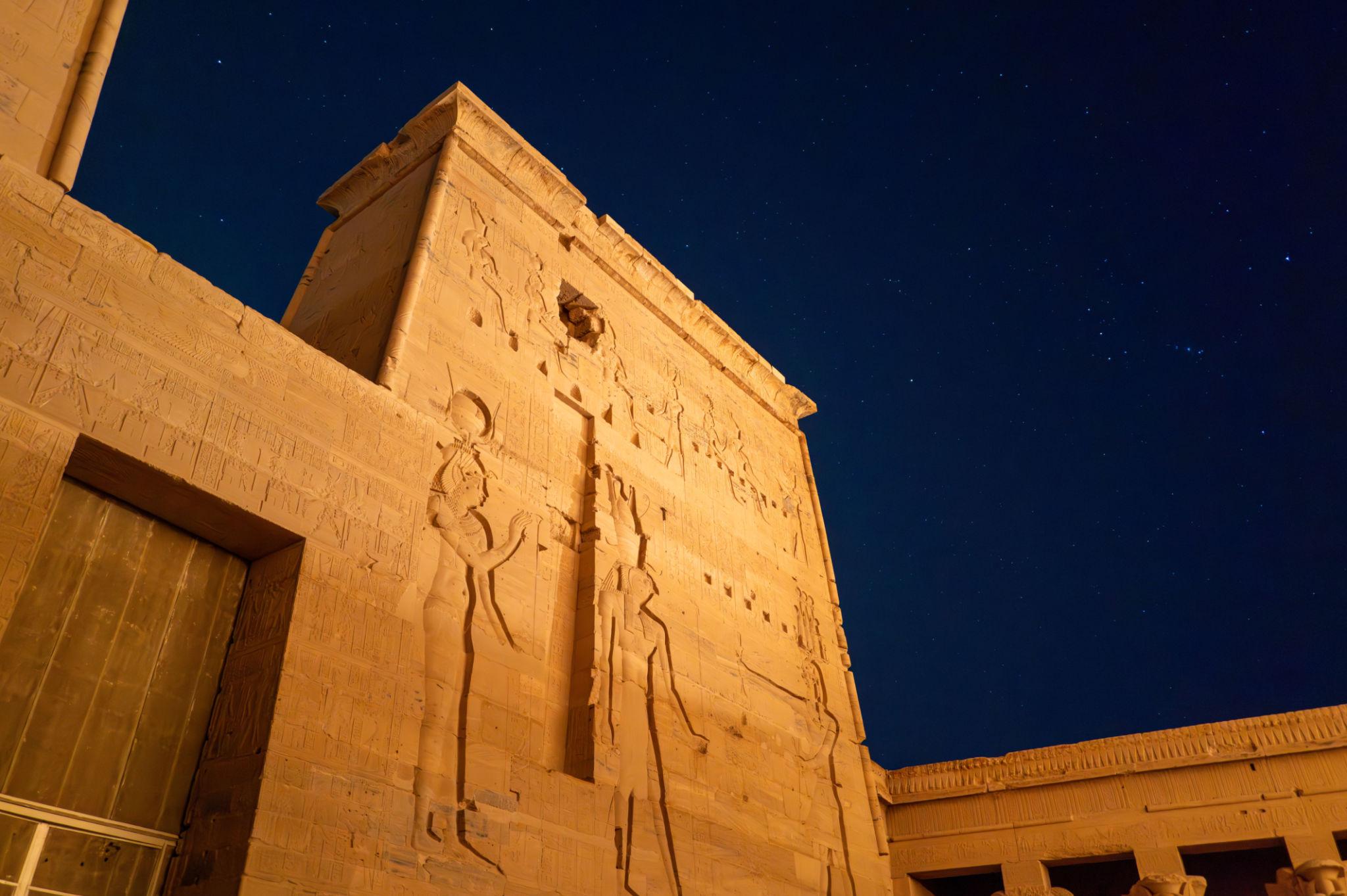
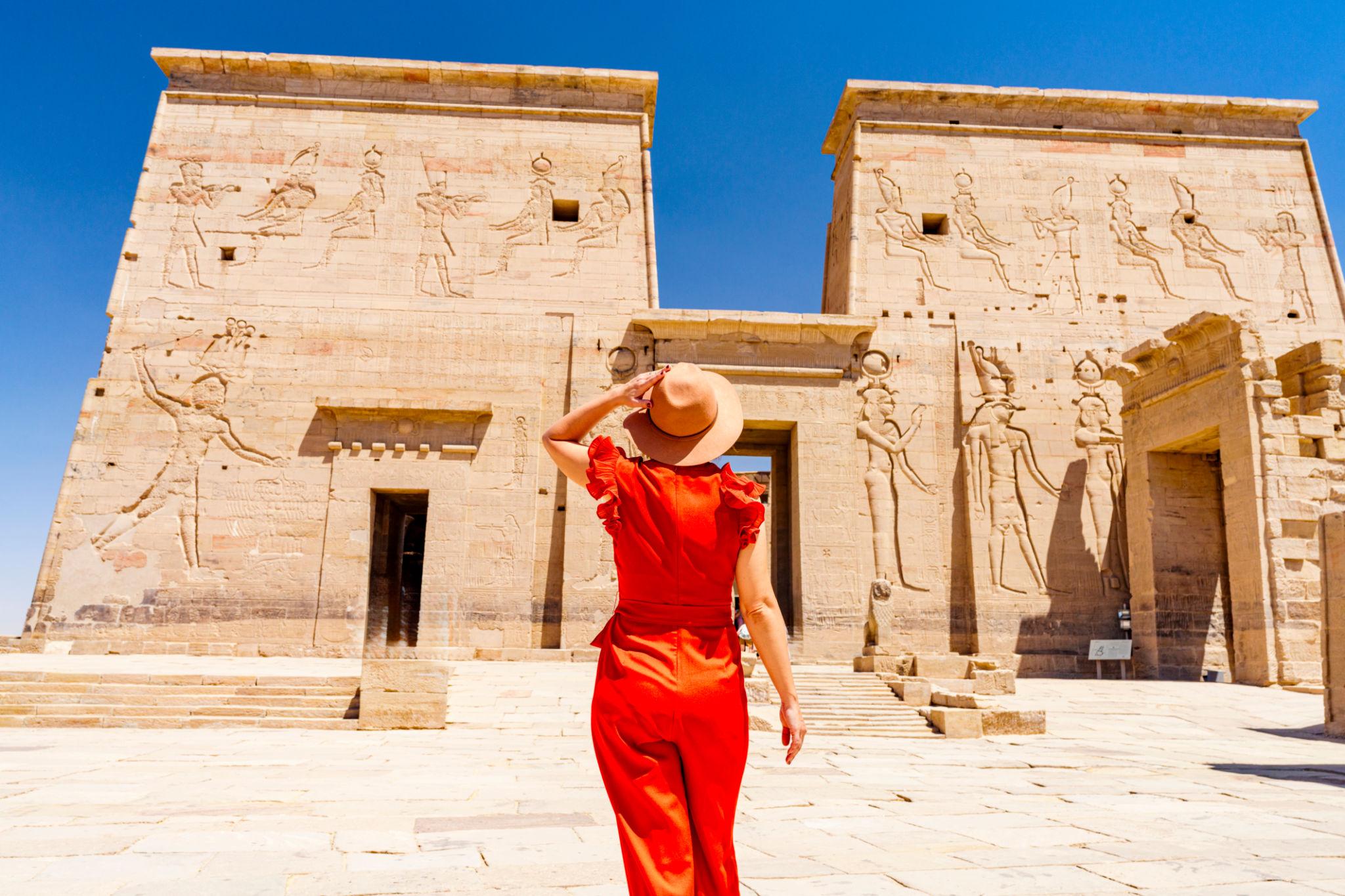
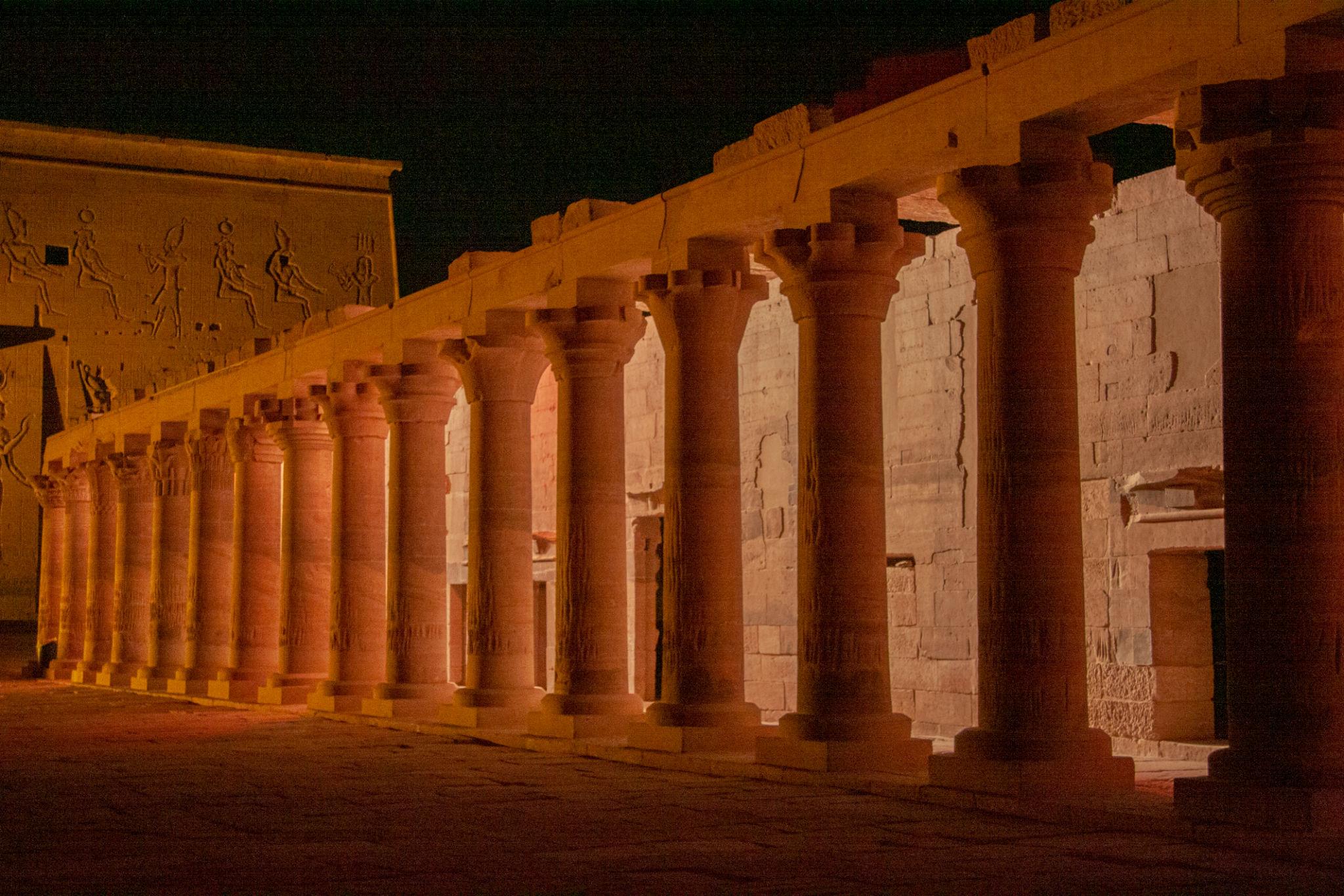
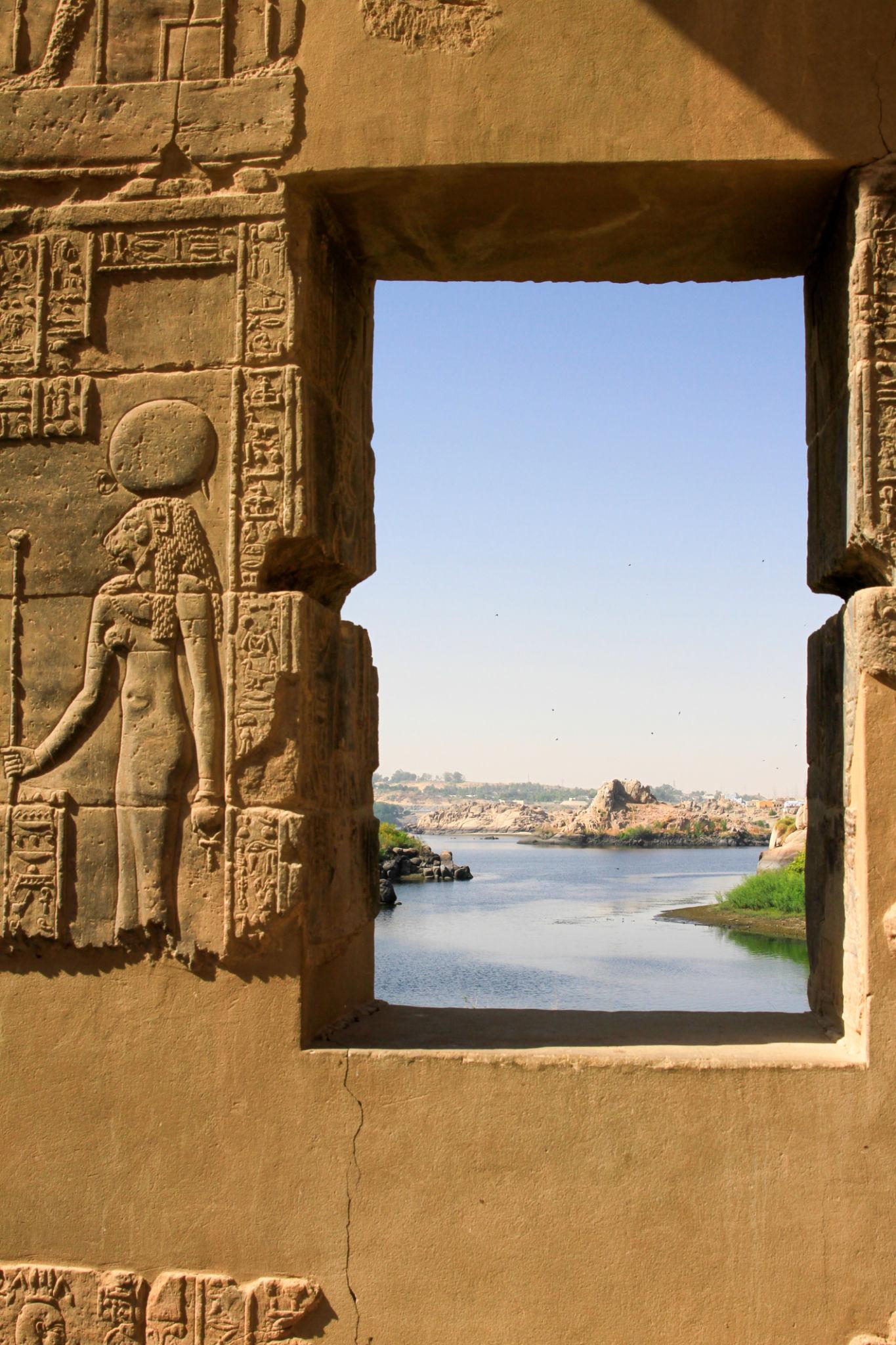
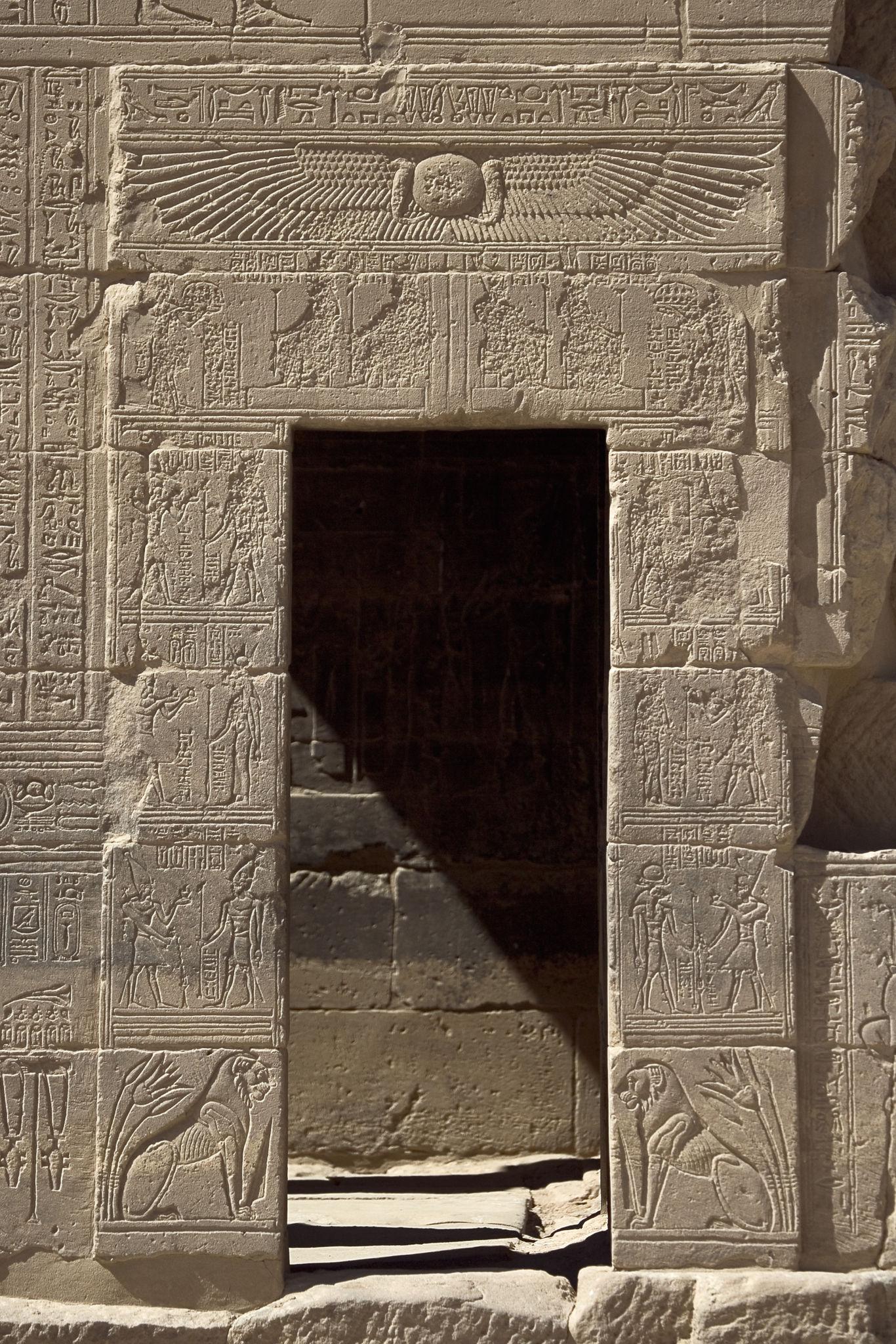
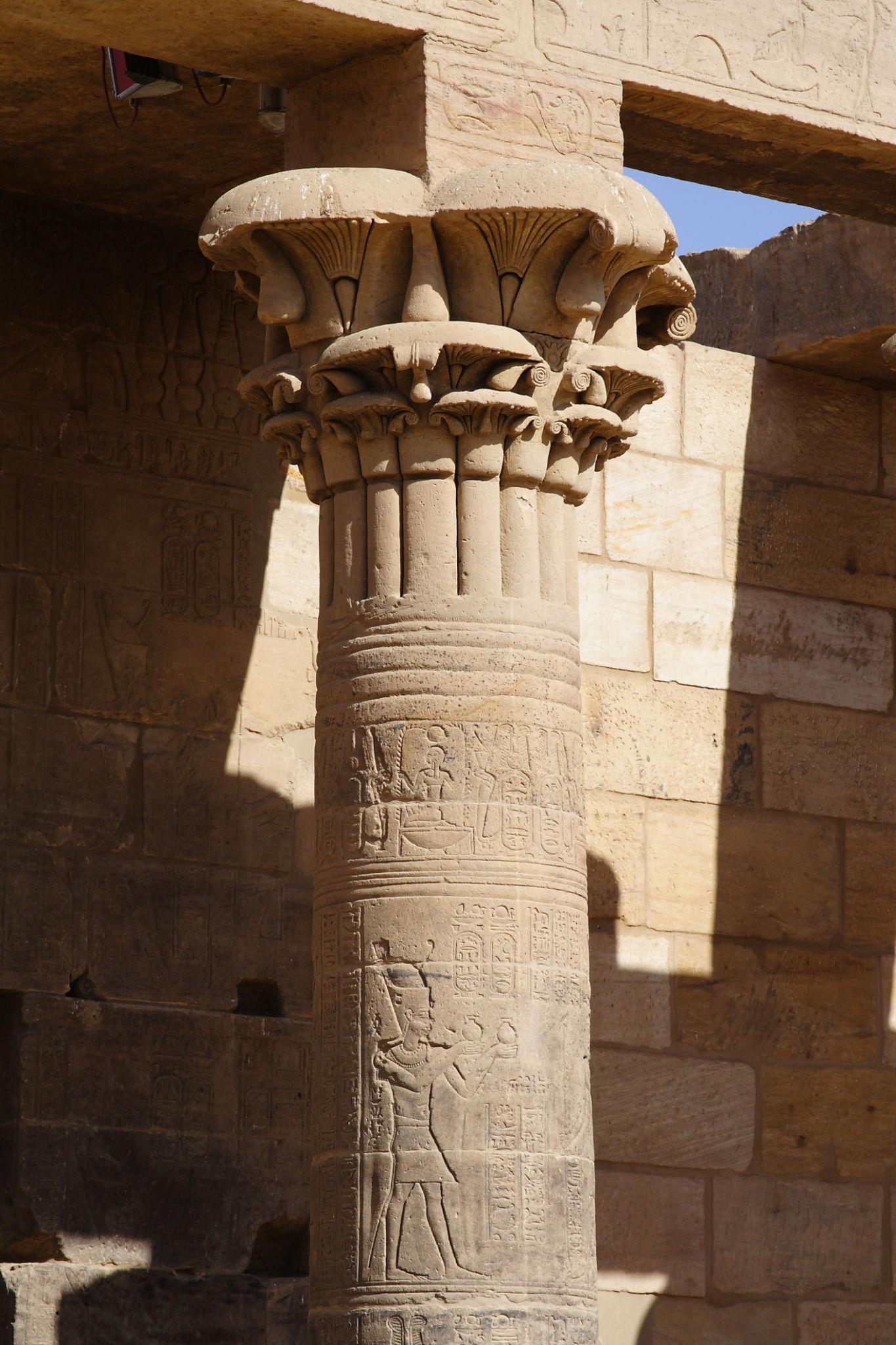
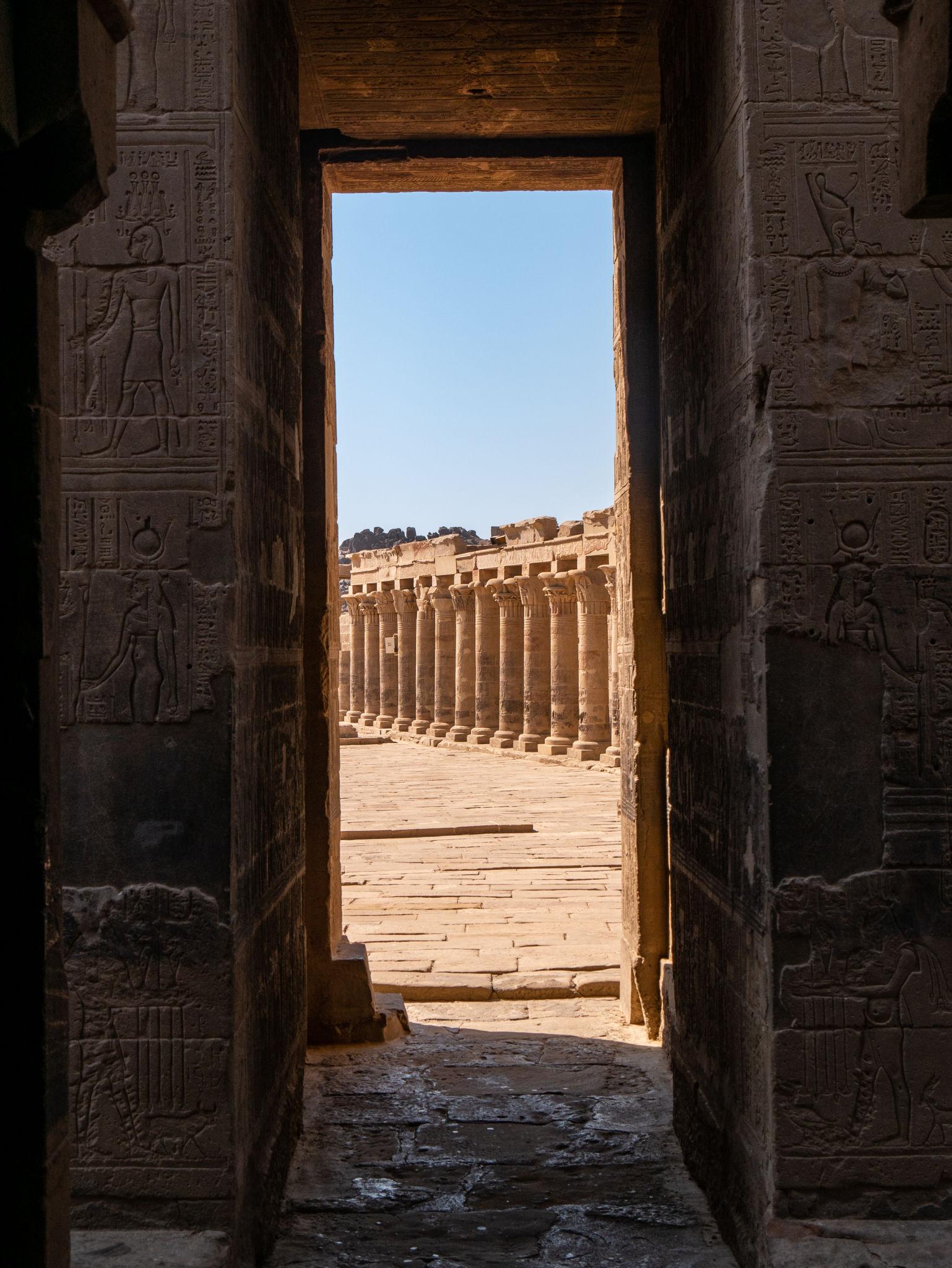
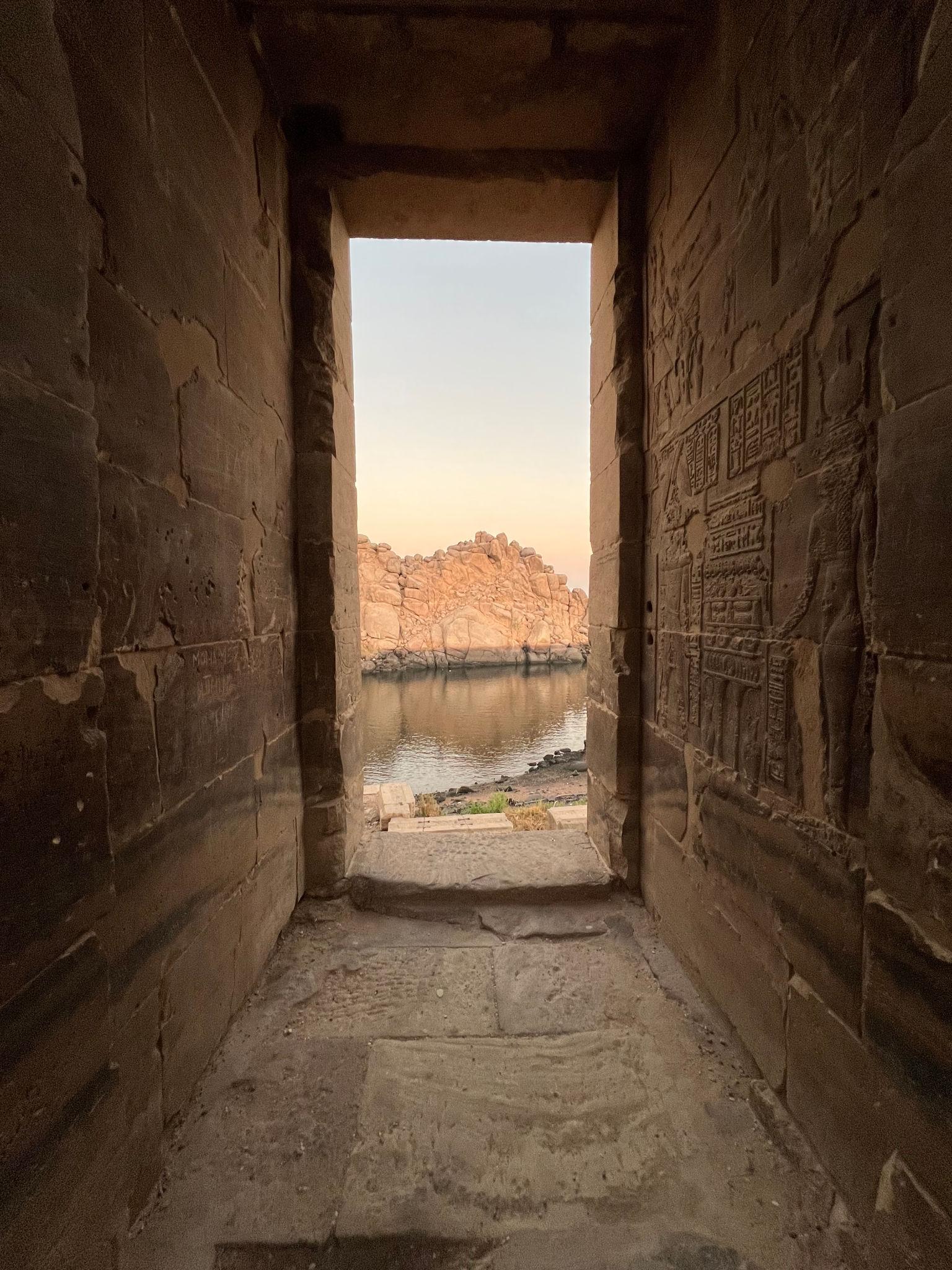
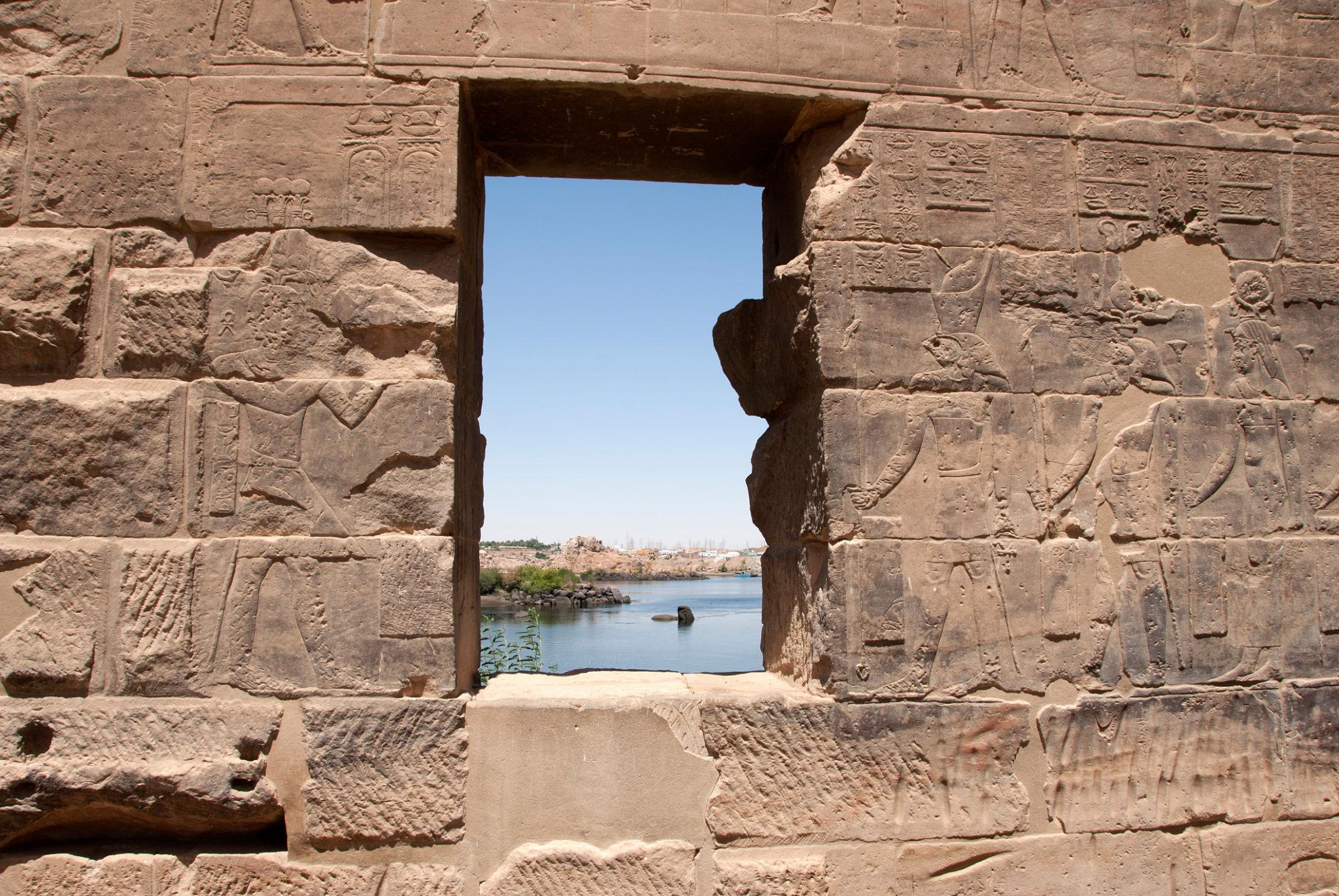
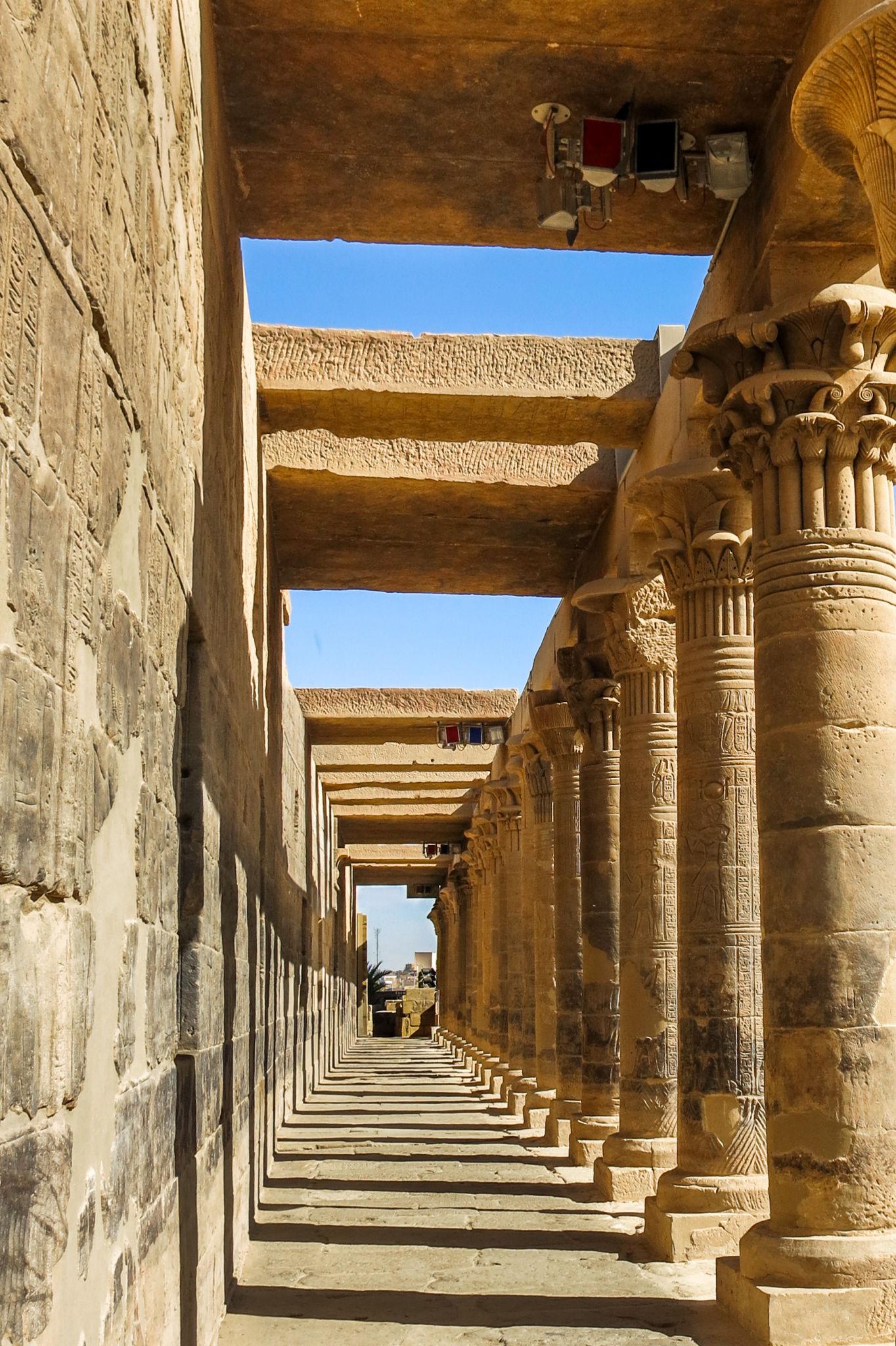
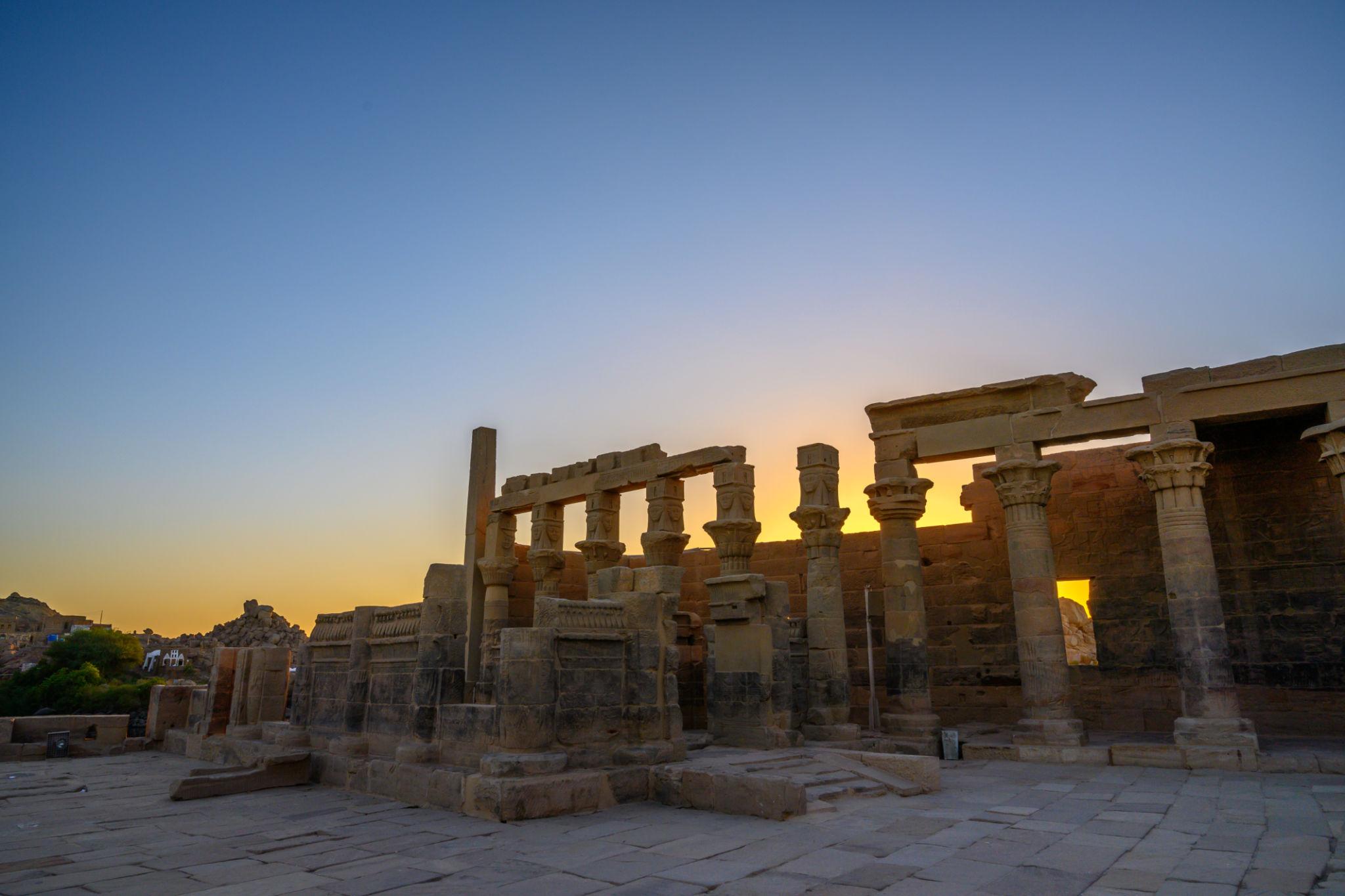
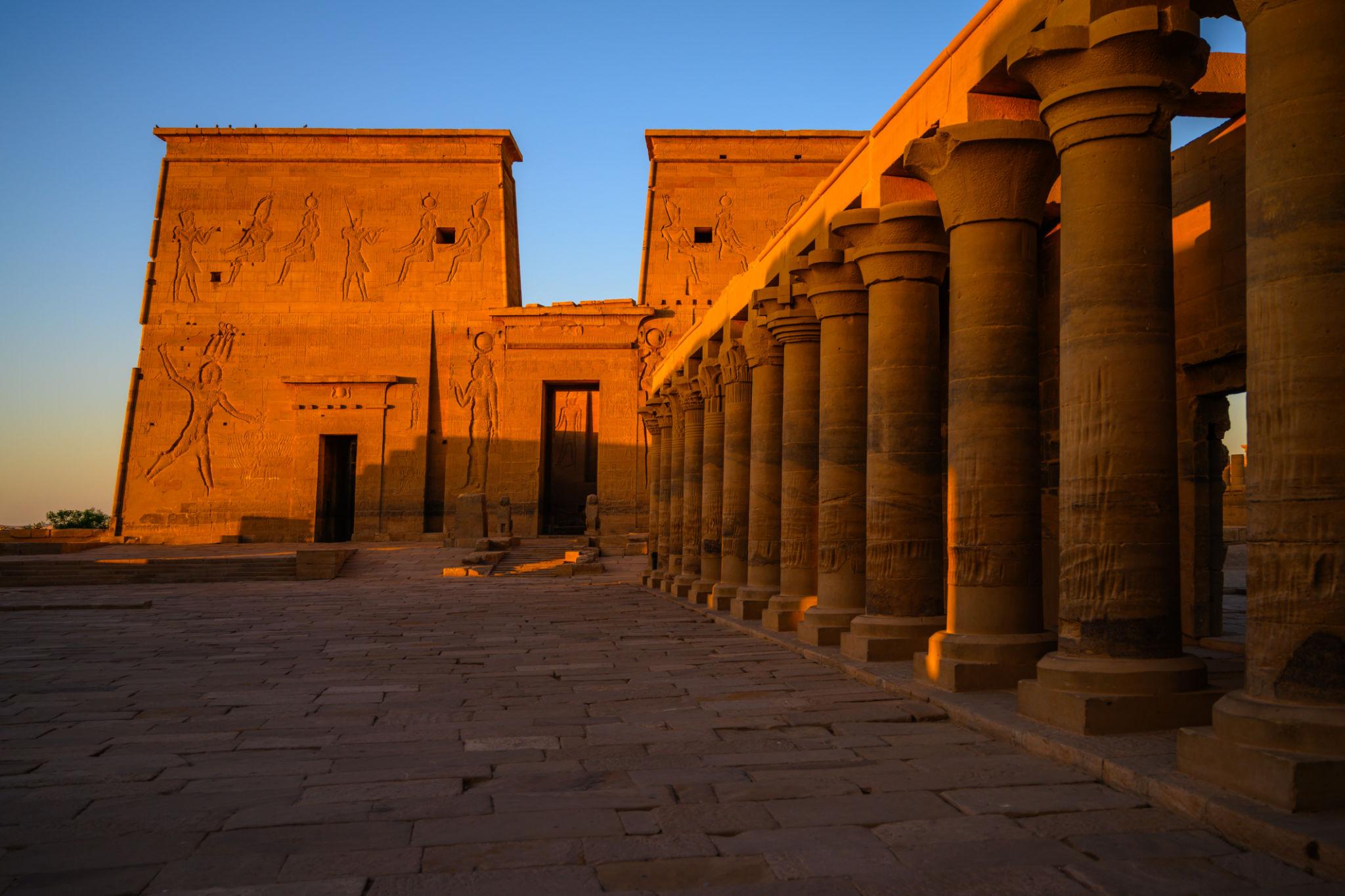
The main temple is a masterpiece of Ptolemaic architecture, progressing from an elegant open courtyard through a hypostyle hall with beautifully carved floral columns into the dark inner sanctuary where the cult statue of Isis once stood. The reliefs throughout tell the central myth of Egyptian religion — the murder of Osiris by his brother Set, the devoted search by Isis to recover her husband's body, and the birth of their son Horus who avenged his father — scenes rendered with a grace and detail that reflect the last great flowering of Egyptian temple art. Many reliefs retain traces of original paint, and the quality of carving is exceptionally fine, with delicate details in the gods' crowns, jewelry, and pleated garments. The temple's relatively intimate scale compared to the vast complexes at Karnak or Edfu gives it a personal, devotional atmosphere that many visitors find deeply moving.
Kiosk of Trajan
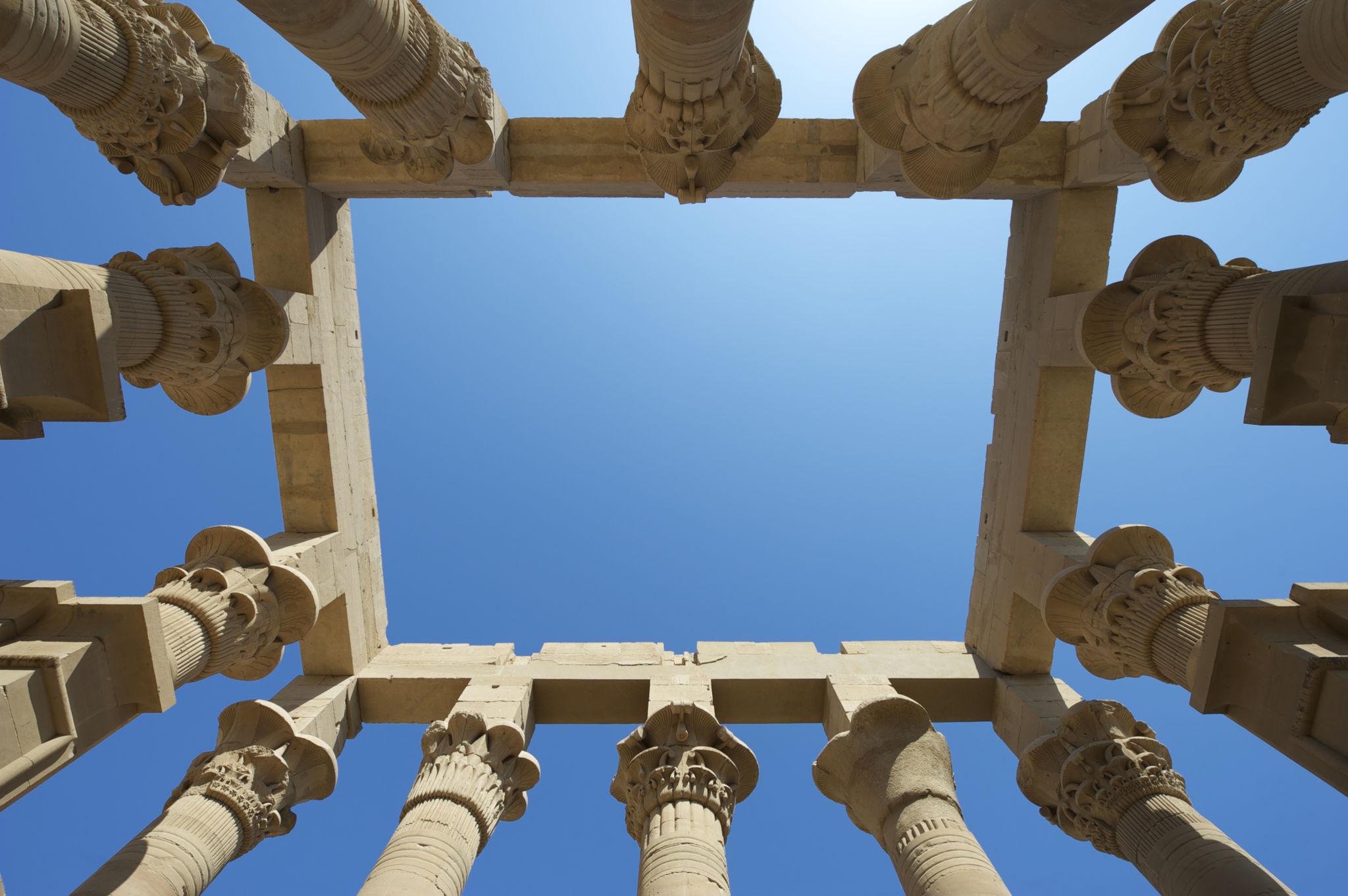
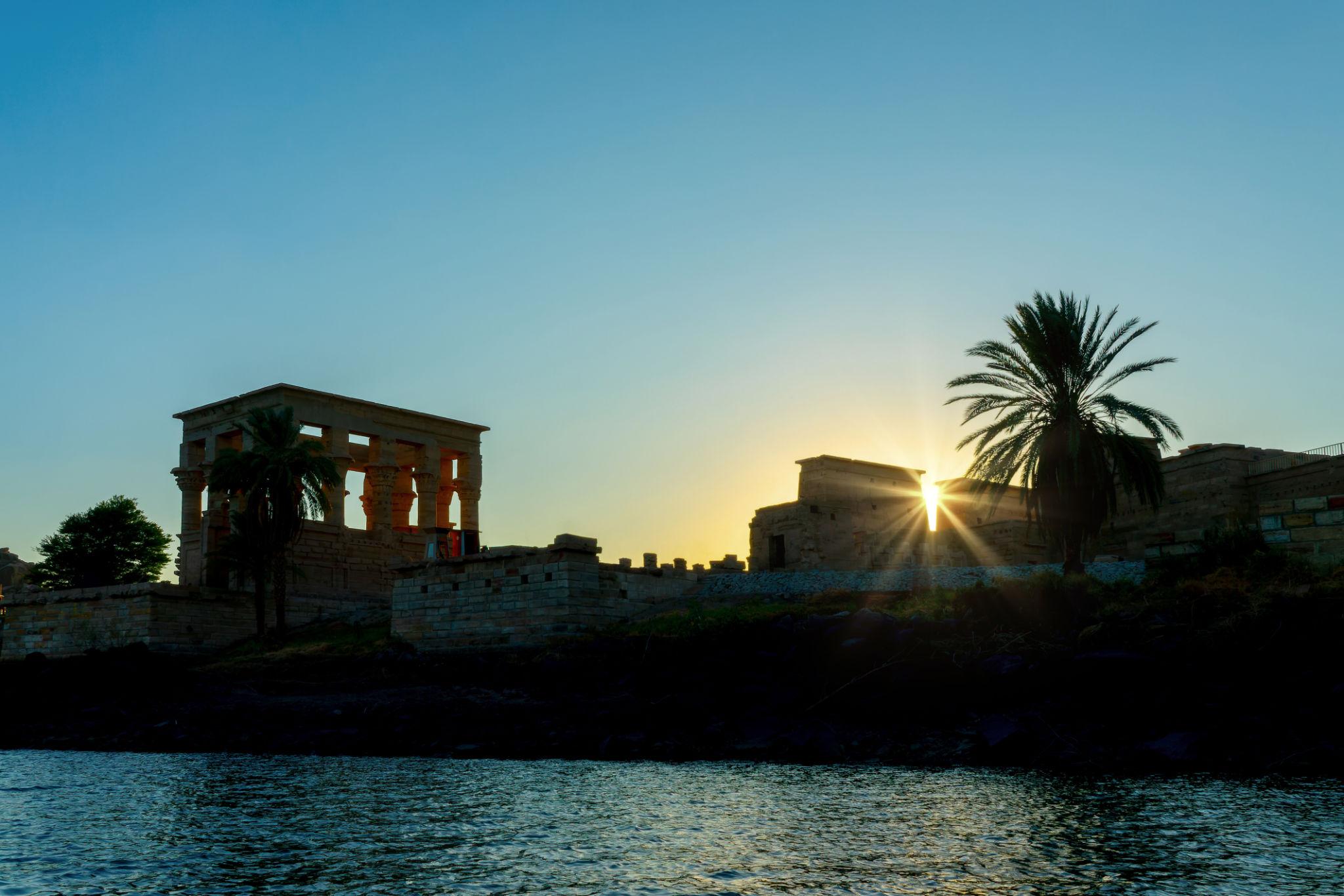
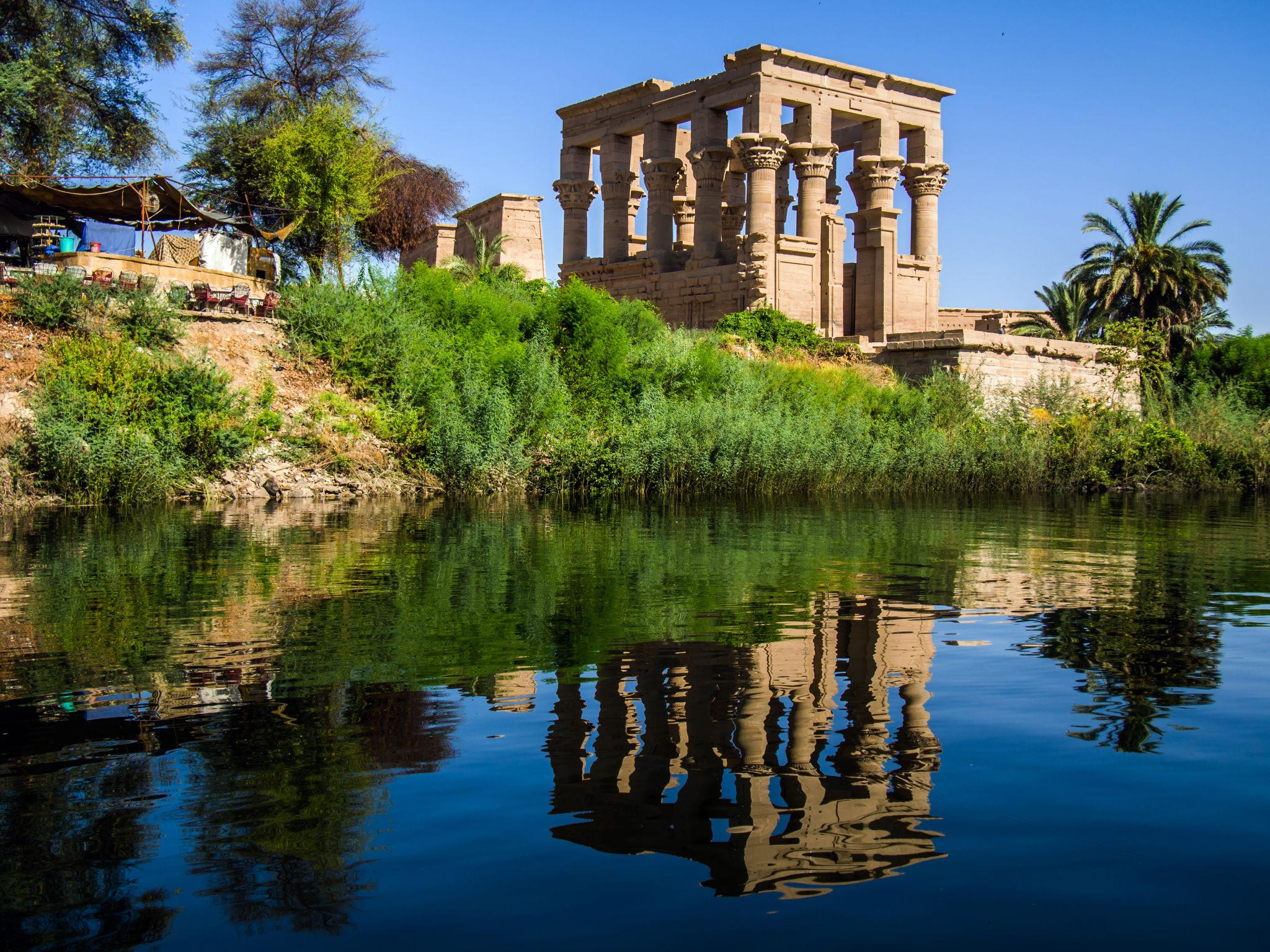
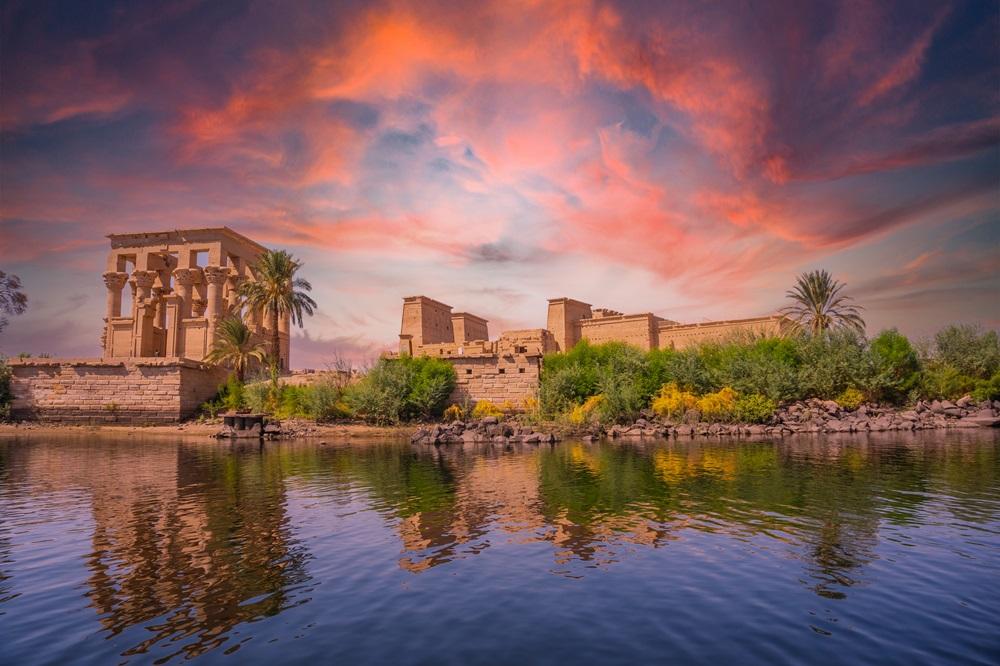
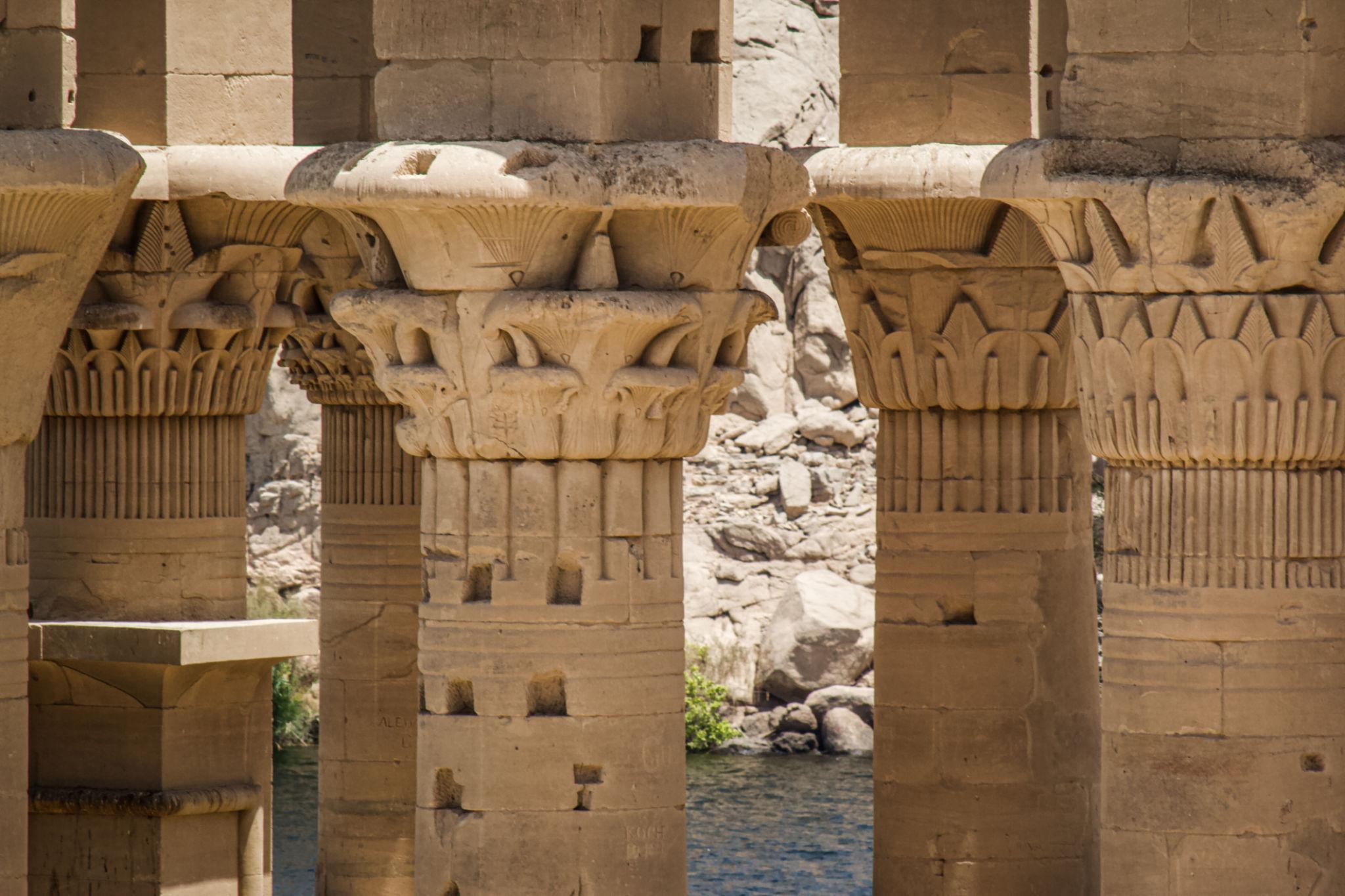
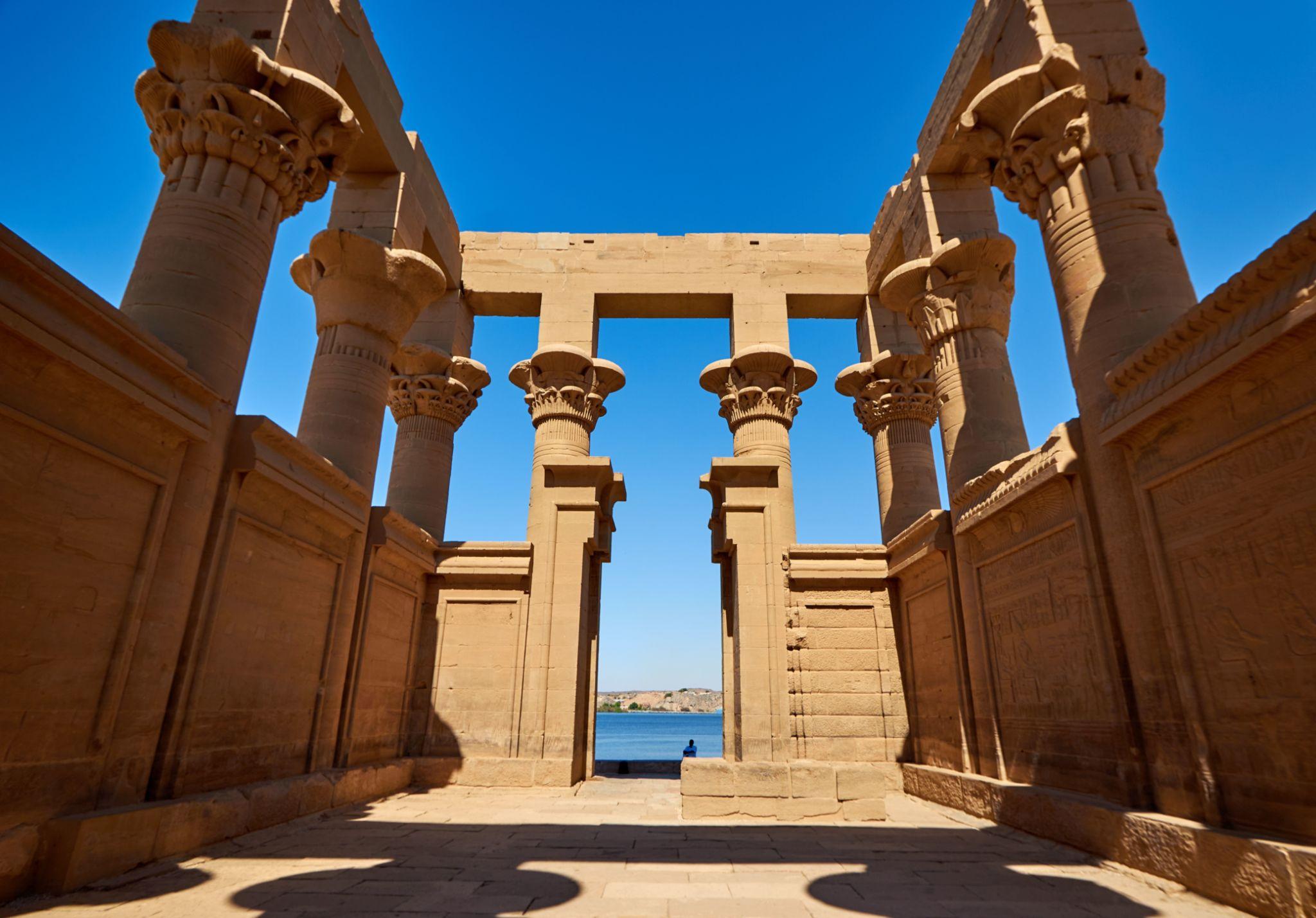
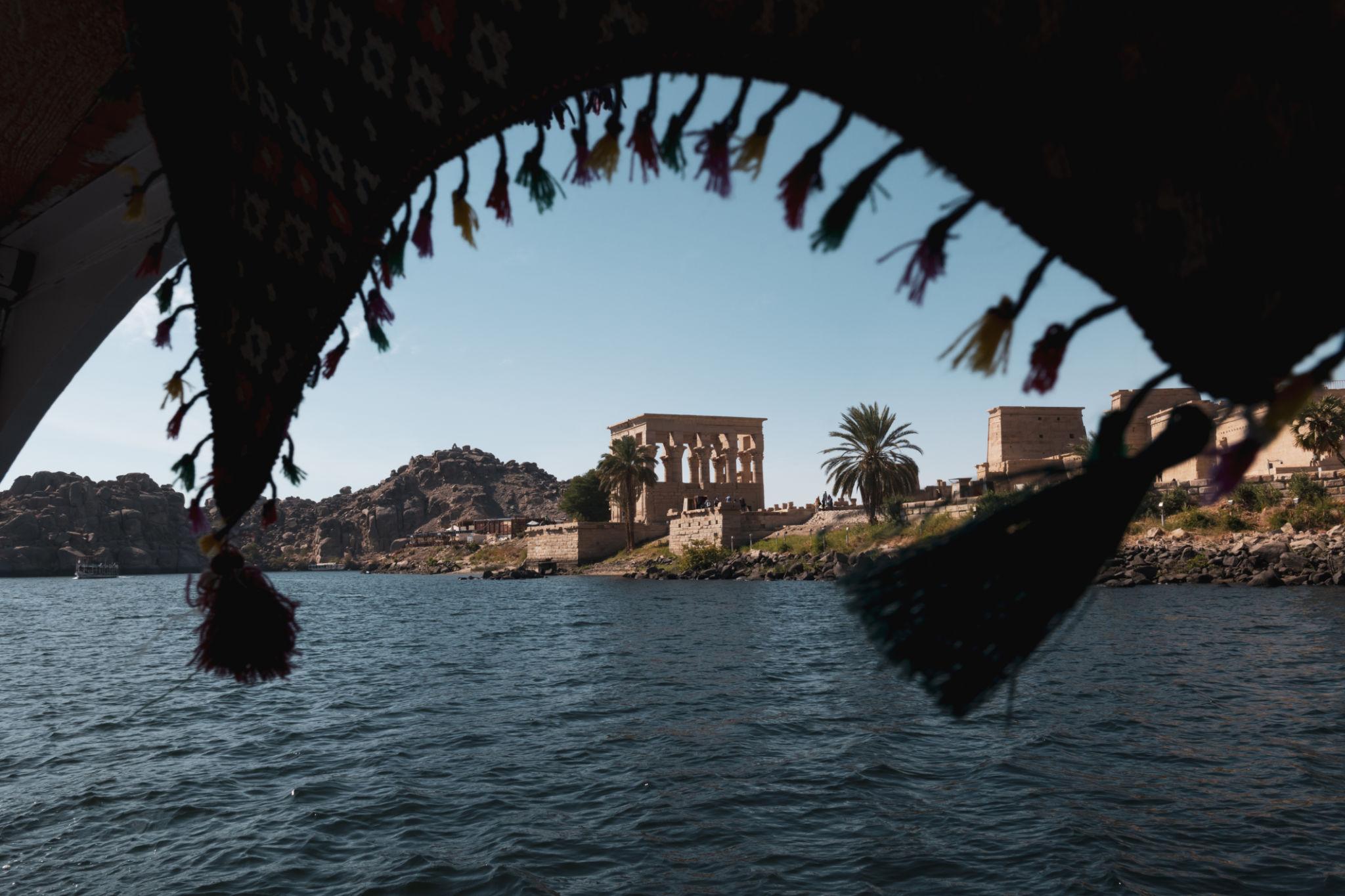
An iconic open-air pavilion built by the Roman Emperor Trajan around 100 AD, featuring 14 tall columns with elaborate composite capitals blending Egyptian papyrus and lotus motifs with Greco-Roman acanthus leaves — a perfect symbol of the cultural fusion that defined Roman Egypt. The kiosk was never completed (the columns lack their planned screen walls), but its graceful proportions and romantic waterside setting have made it the most photographed structure at Philae and one of the most recognizable images in all of Egyptian archaeology. The structure served as the formal entrance from the Nile, where the sacred barque of Isis arrived during festival processions, and its position at the water's edge creates stunning reflections at certain times of day. Victorian-era travelers, who could still visit Philae by rowing boat, were particularly enchanted by the kiosk — it appears in countless 19th-century paintings and photographs that helped establish Egypt as the ultimate romantic travel destination.
Sound & Light Show
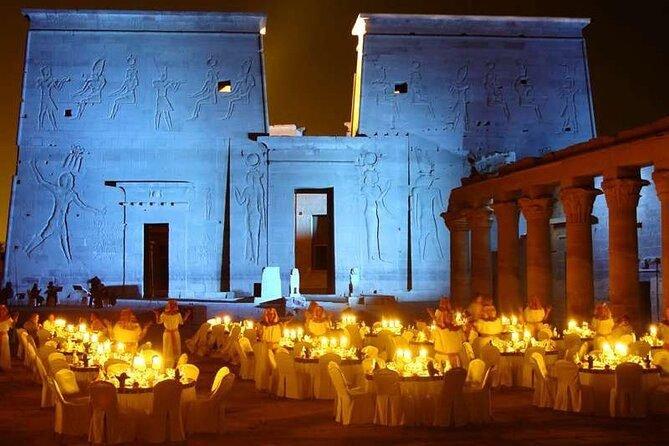
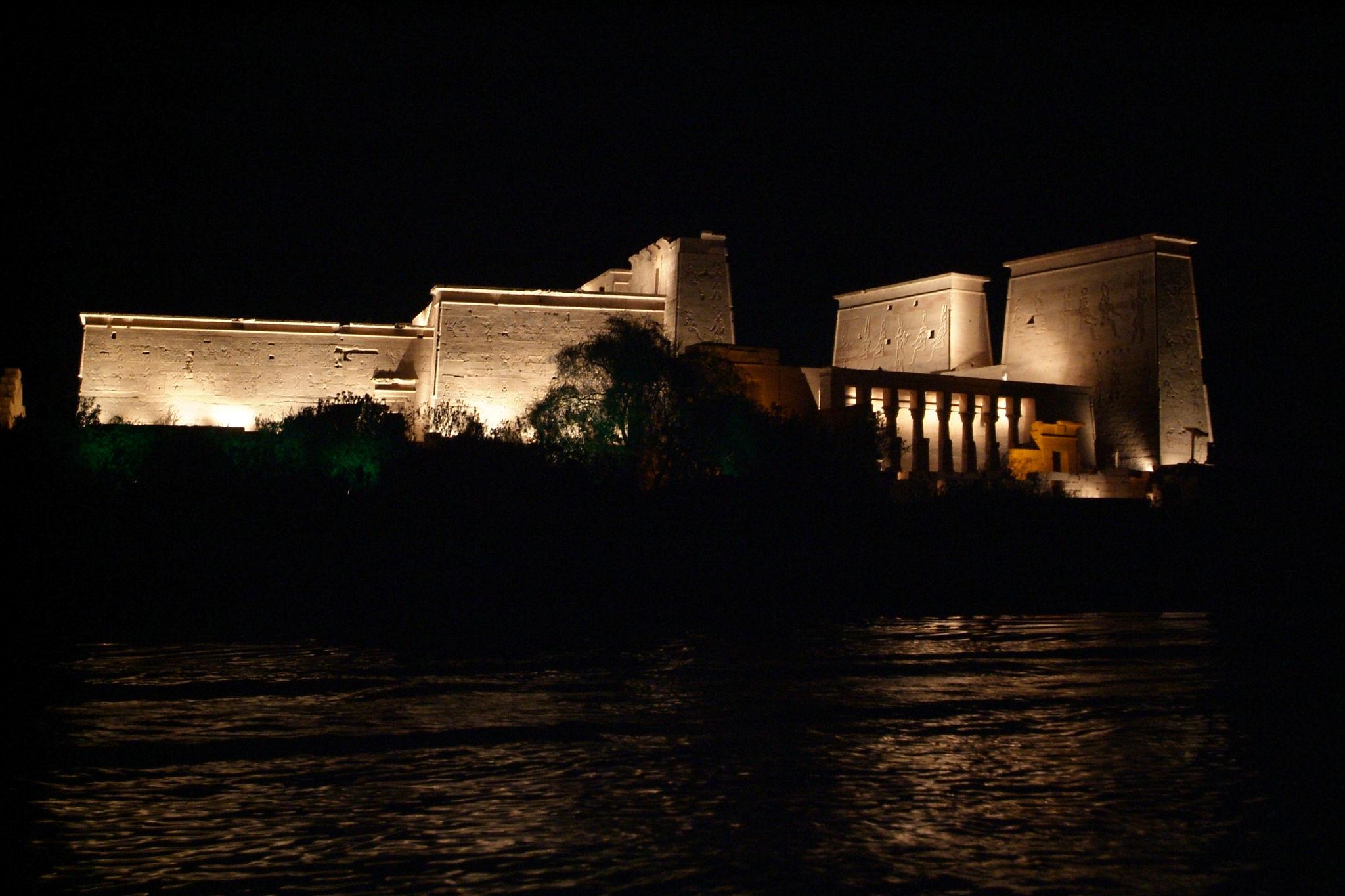
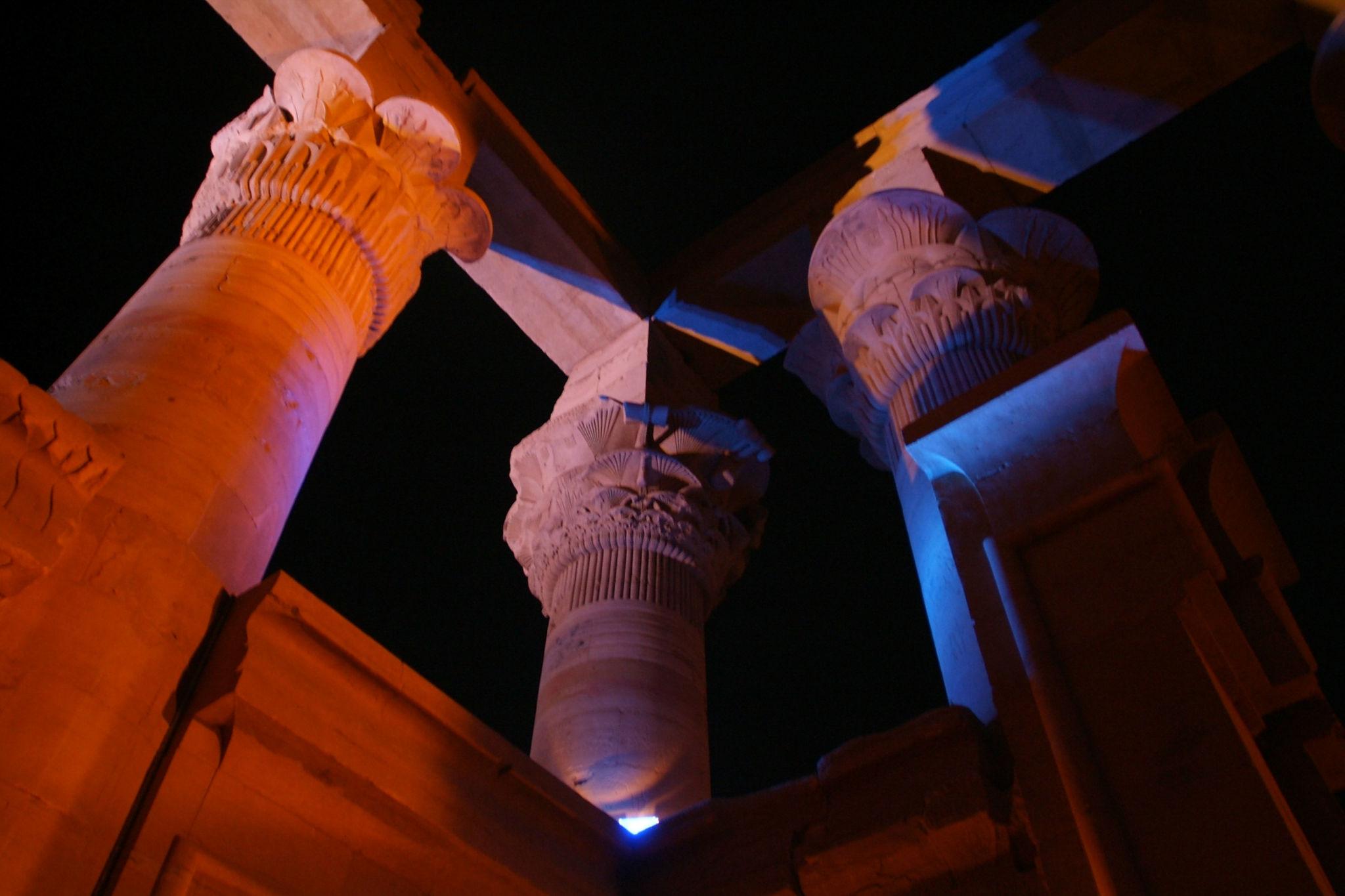
One of Egypt's most atmospheric Sound & Light shows and many visitors' favorite, taking advantage of Philae's island setting to create a uniquely immersive experience. Visitors are guided through the darkened temple as lights sequentially illuminate columns, reliefs, and sanctuaries, while the story of Isis and Osiris is narrated — the tale of love, loss, and resurrection echoing across the dark waters surrounding the island. The combination of the ancient myth, the illuminated stonework reflected in the Nile, the warm night air, and the surrounding silence of the desert creates a genuinely magical atmosphere that even jaded travelers find spellbinding. Shows run nightly in multiple languages, and the boat ride to the island under the stars adds to the sense of timeless enchantment.
Boat Ride
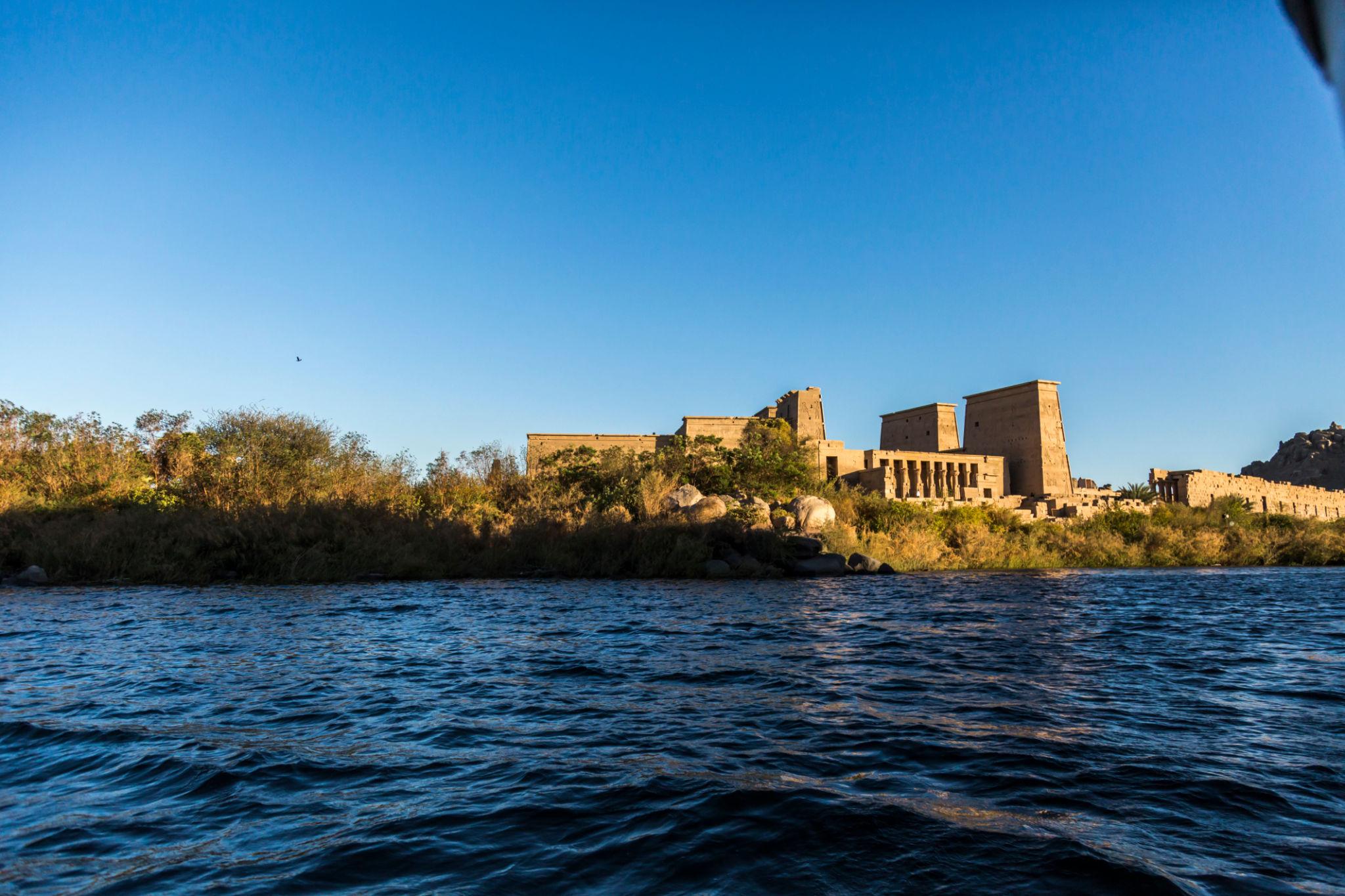
Access to the island is exclusively by motorboat from the Aswan marina, and the approach across the water is itself one of the highlights of any visit to Philae. As the boat crosses the channel, the temple complex gradually rises from Agilkia Island against the backdrop of granite boulders and palm trees — a scene that looks almost unchanged from the 19th-century watercolors and photographs that made Philae famous worldwide. The short crossing takes only five minutes but creates a sense of pilgrimage and arrival that perfectly mirrors the ancient experience of worshippers approaching the sacred island of Isis. Negotiate the boat fare before boarding (expect to pay around 200–300 EGP for a return trip), and ask the boatman to circle the island for the best views of the Kiosk of Trajan from the water.
Historical Details
Cult of Isis
The cult of Isis was one of the most enduring and widespread religious movements in the ancient world, spreading from its Egyptian heartland to temples in Rome, Pompeii, Athens, London, and across the Roman Empire — Isis was worshipped as the supreme goddess of magic, healing, motherhood, and protection. Philae was the spiritual center of this cult and the last place in Egypt where the ancient Egyptian religion was openly practiced — the temple was not officially closed until 550 AD by the Emperor Justinian, nearly two centuries after Christianity became the Roman state religion. The Blemmyes and Nobatae, Nubian peoples south of Aswan, had negotiated the right to continue worshipping at Philae even after the rest of Egypt had converted to Christianity, making the island the final holdout of a religious tradition stretching back over 3,000 years. The closure of Philae marks one of the most poignant endings in religious history — the moment when the last priests extinguished the sacred fires and the ancient gods of Egypt fell silent.
Relocation
Like Abu Simbel, Philae was rescued from the rising waters of Lake Nasser in another remarkable feat of international archaeological engineering, though the project was technically even more challenging because the temple complex consisted of many separate buildings on an irregularly shaped island. Between 1977 and 1980, every block of every structure was carefully numbered, dismantled, transported by barge, and reassembled on nearby Agilkia Island, which was deliberately reshaped and landscaped to match the original Philae Island's topography as closely as possible. The project involved constructing a temporary cofferdam around the original island to allow the submerged buildings (which had been partially flooded since the construction of the earlier Aswan Low Dam in 1902) to be dried out, documented, and dismantled. The result is so seamless that most visitors are completely unaware they are standing on a different island from the one where the temple was built over 2,000 years ago.
Visitor Tips
- Take the boat from the Aswan marina — negotiate the price before boarding
- The Sound & Light Show (evening) is worth a separate visit
- Morning light is best for photography of the temple facades
- Combine with the Aswan High Dam and Unfinished Obelisk for a full day
Opening Hours
7 AM – 4 PM
Entry Fee
550 EGP (foreign visitor, plus boat fee); Sound & Light show 960 EGP
Period
Ptolemaic–Roman Period, c. 380 BC – 550 AD