Aswan High Dam
The modern engineering marvel that tamed the Nile — creating Lake Nasser and transforming Egypt.
7 AM – 5 PM200 EGP (foreign visitor)23.9708, 32.8781
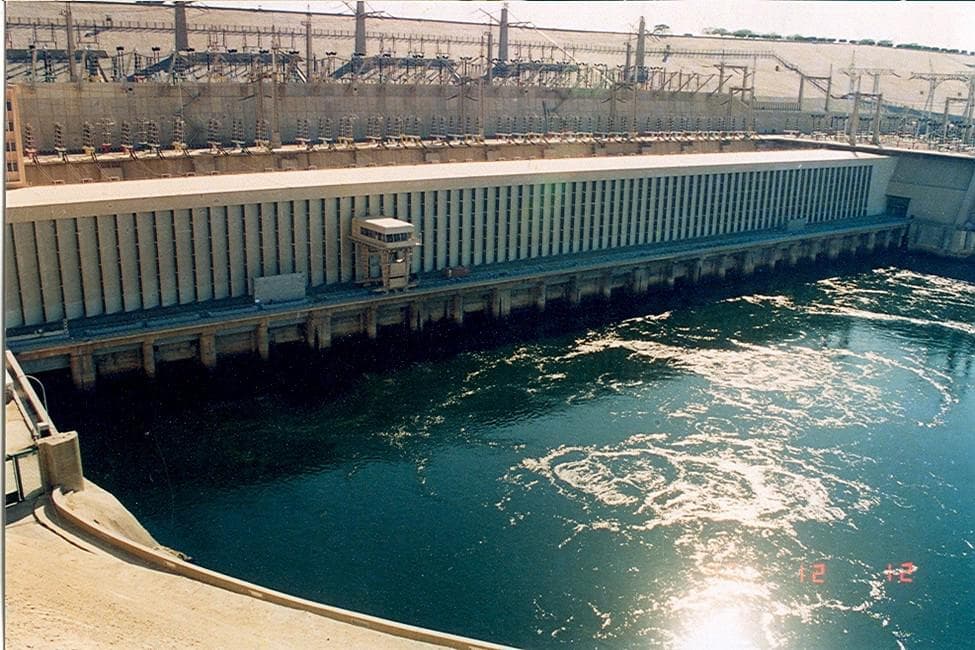
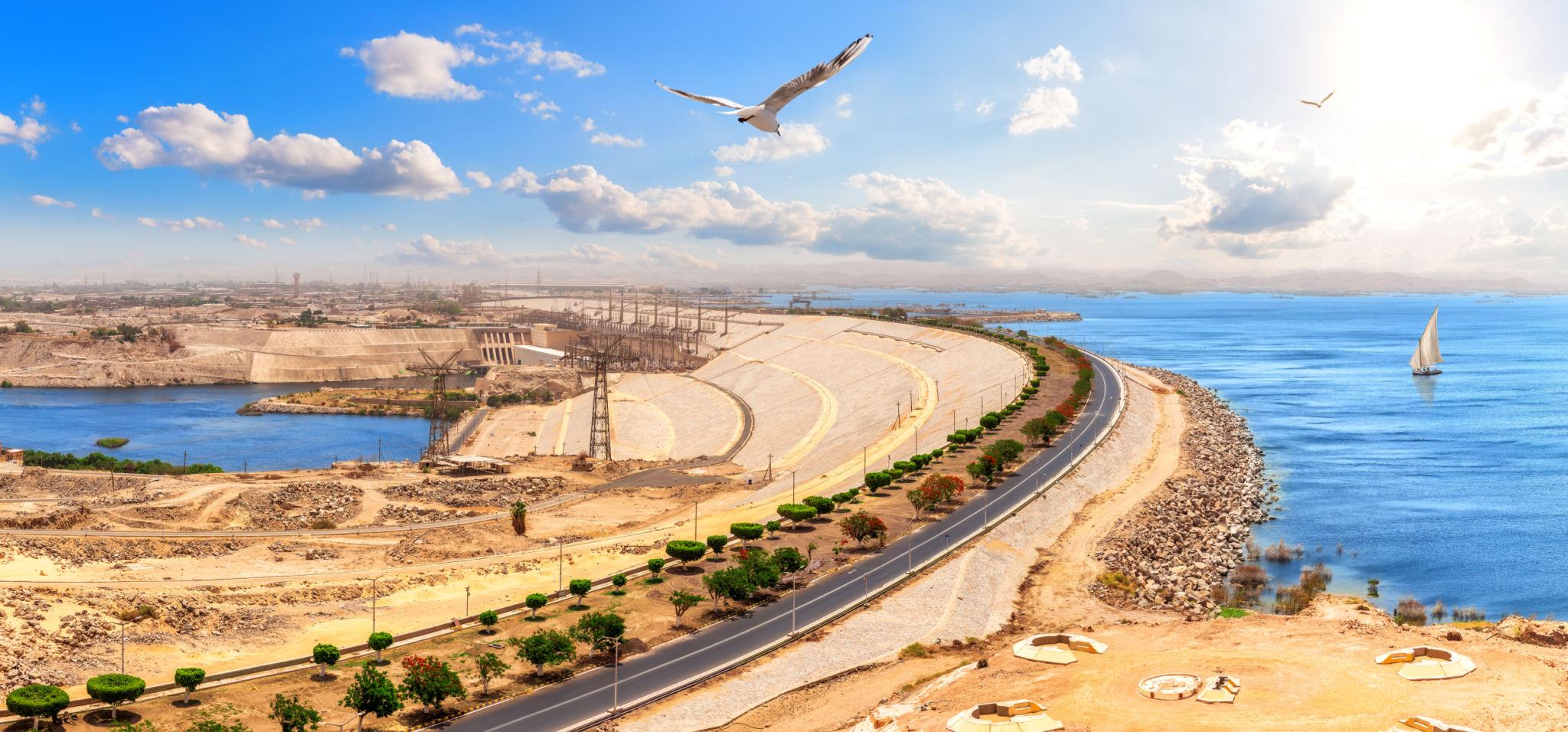
The Aswan High Dam is a rock-fill dam across the Nile, completed in 1970 with Soviet assistance. At 3,830 meters long and 111 meters tall, it created Lake Nasser — one of the world's largest reservoirs — and forever changed the ecology, agriculture, and economy of Egypt. The dam provides about half of Egypt's electrical power and protects the Nile Valley from annual flooding.
Gallery
Why Visit
Stand atop the dam that tamed the Nile and reshaped a nation
See the vast expanse of Lake Nasser stretching into the Sahara
What to See
Dam Viewpoint
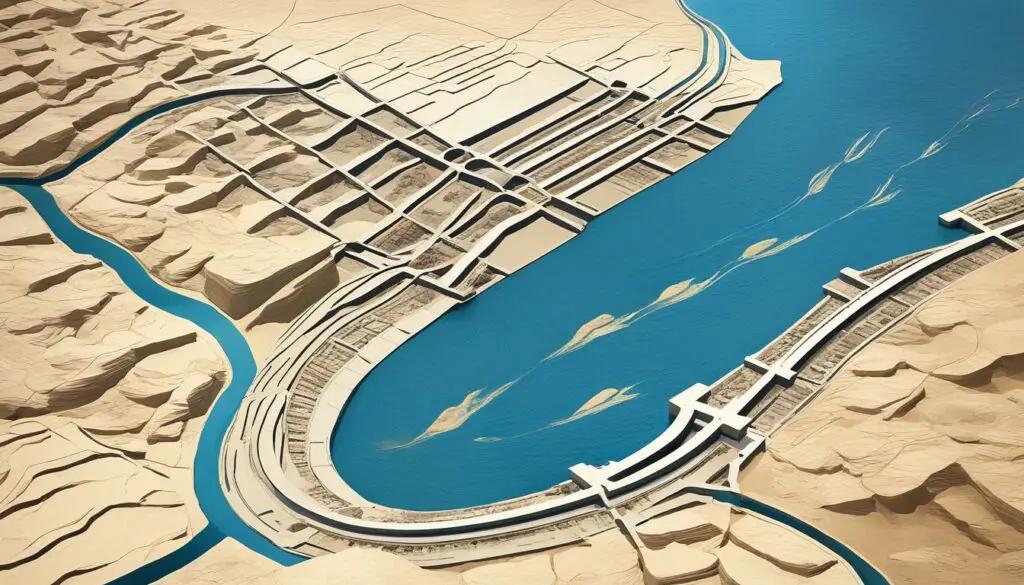
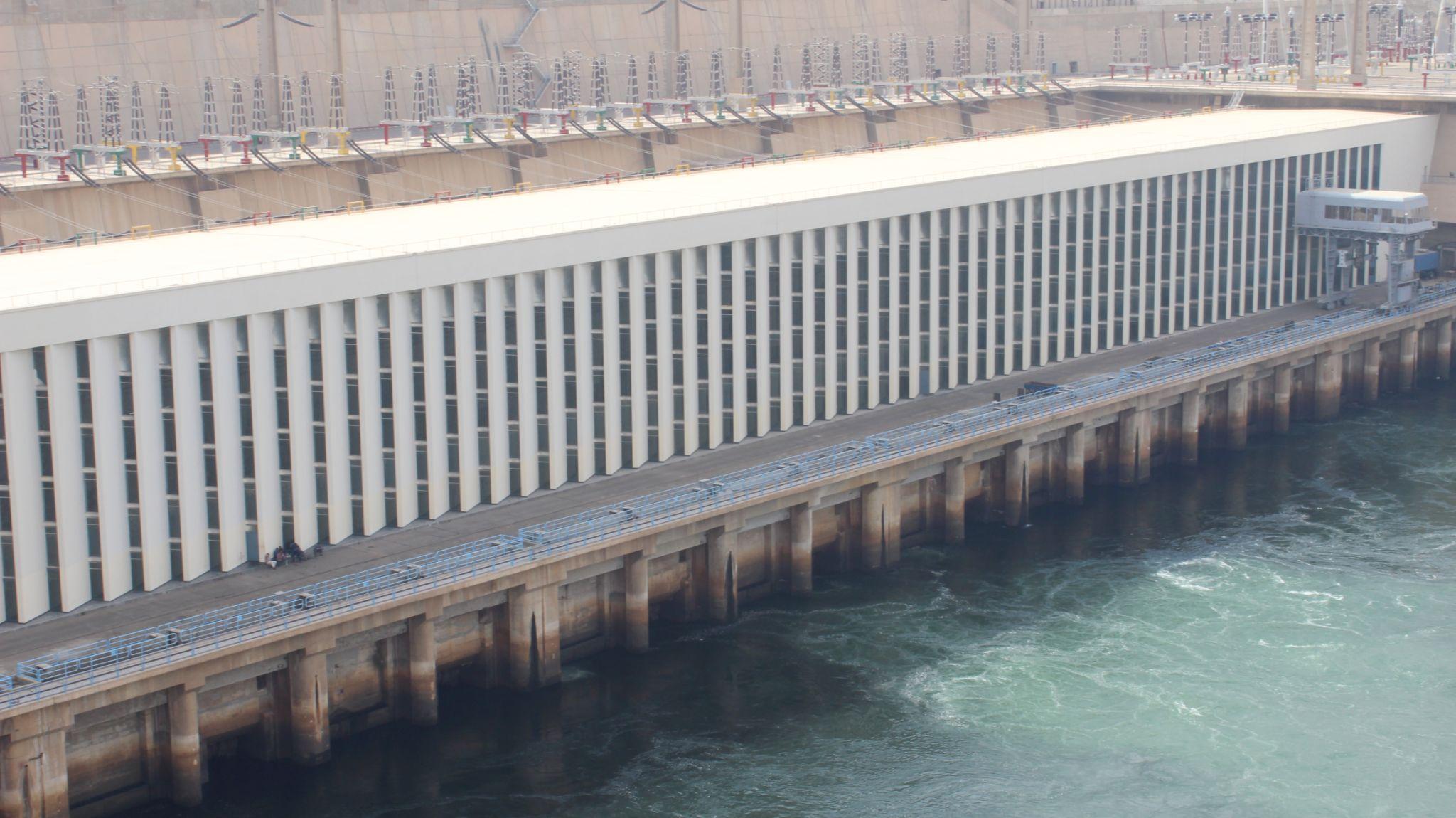
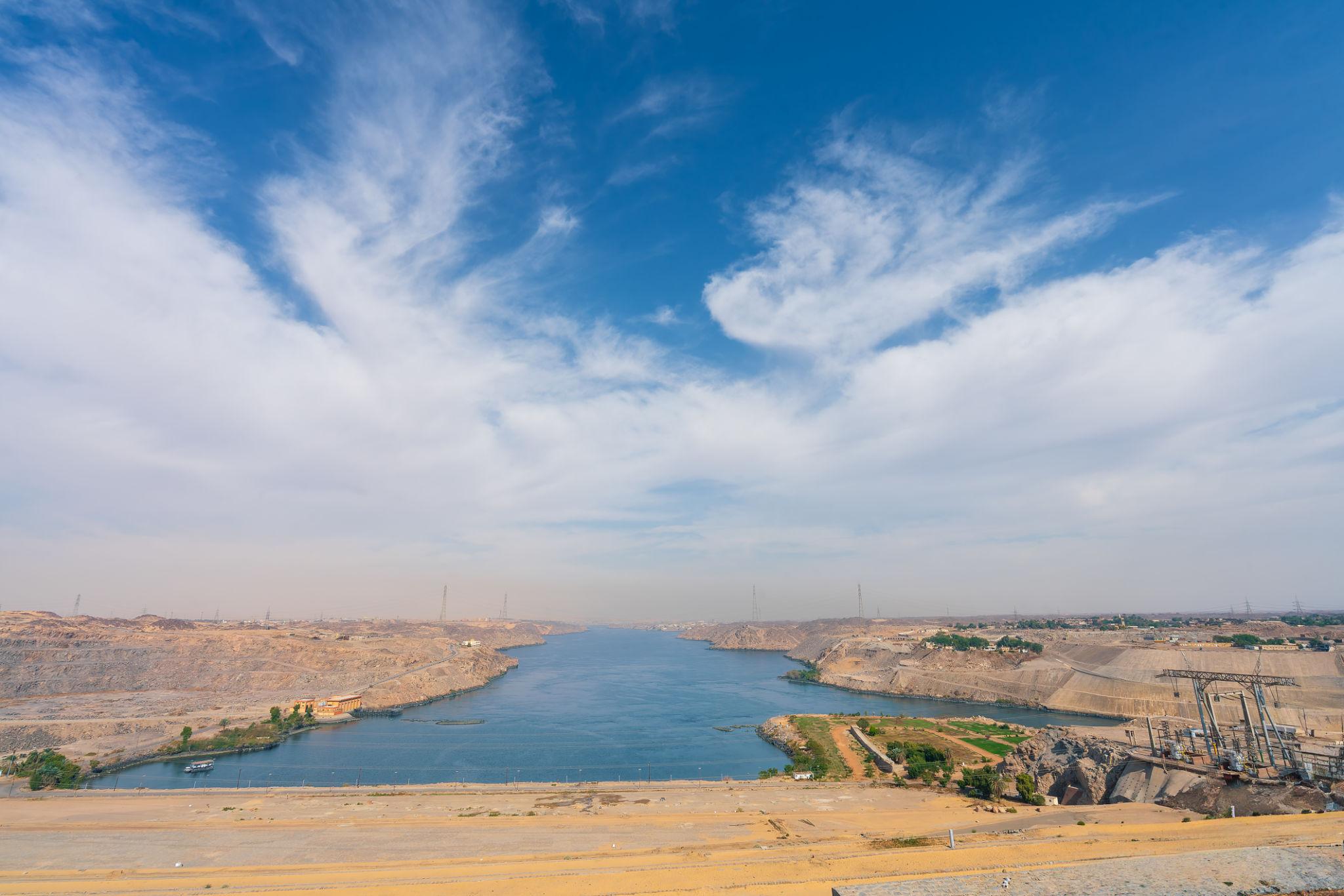
Walk across the top of the dam — nearly 4 kilometers long and 111 meters high — for extraordinary panoramic views that dramatically illustrate the dam's transformative impact on the landscape. To the south, the vast blue expanse of Lake Nasser stretches to the horizon, its shoreline carved into bizarre sandstone formations by fluctuating water levels. To the north, the Nile emerges from the dam's base as a controlled, channeled river flowing through the lush green ribbon of the Nile Valley — a stark contrast to the Saharan desert flanking both sides. The sheer scale of the engineering is best appreciated from this vantage point, where you can see the dam's rock-fill construction, the hydroelectric powerhouse, and the spillway channels.
Soviet-Egyptian Friendship Monument
A striking lotus-shaped concrete tower rising 75 meters from a hillside overlooking the dam, commemorating the cooperation between Egypt and the Soviet Union in building the High Dam during the Cold War. The monument's five petals represent the lotus flower, a symbol of Egypt, and its Soviet-influenced brutalist design reflects the era's geopolitical dynamics — after the United States withdrew funding for the dam project in 1956, the Soviet Union stepped in with financing, engineers, and technical expertise. Inside the monument is a small exhibition documenting the dam's construction, including photographs of Soviet and Egyptian engineers working together in the extreme desert heat. The monument stands as a fascinating artifact of Cold War-era diplomacy, when engineering megaprojects served as proxies for superpower influence across the developing world.
Lake Nasser
One of the world's largest artificial lakes, stretching 550 kilometers from Aswan deep into Sudan, Lake Nasser holds approximately 132 cubic kilometers of water and fundamentally altered the hydrology, ecology, and agriculture of the entire Nile Valley. The lake's creation submerged dozens of Nubian villages (their inhabitants were controversially relocated) and threatened numerous ancient temples, triggering the massive UNESCO rescue campaigns that saved Abu Simbel and Philae. Today the lake supports a thriving fishing industry, is home to large populations of Nile crocodiles, and has become a destination for multi-day cruise itineraries visiting the rescued temples along its shores. From the dam viewpoint, its sheer scale is awe-inspiring — a vast body of water carved from the heart of the Sahara, shimmering under the relentless Upper Egyptian sun.
Historical Details
A Dam That Changed History
The decision to build the High Dam triggered one of the most consequential chains of geopolitical events in 20th-century history. When the United States and World Bank withdrew funding in 1956, President Gamal Abdel Nasser nationalized the Suez Canal to finance the project, directly provoking the 1956 Suez Crisis in which Britain, France, and Israel invaded Egypt — a conflict that marked the end of European colonial power in the Middle East and established the US and USSR as the region's dominant players. The Soviet Union subsequently financed the dam, beginning a decade of Soviet-Egyptian alignment that reshaped Cold War politics. Meanwhile, the rising waters of Lake Nasser threatened dozens of ancient Nubian temples, triggering the massive UNESCO international rescue campaign that saved Abu Simbel and Philae and ultimately led to the creation of the World Heritage Convention — a dam that changed not only Egypt's geography but the entire framework of international cultural preservation.
Impact
The dam permanently ended the annual Nile floods that had sustained Egyptian agriculture for over 5,000 years, replacing the unpredictable natural cycle with year-round controlled irrigation that enabled multiple annual harvests and brought 800,000 acres of new farmland under cultivation. Its 12 turbines generate 2.1 gigawatts of hydroelectric power — roughly half of Egypt's electricity supply at the time of completion, though this proportion has decreased as Egypt's energy demand has grown. The environmental and cultural costs, however, were significant: the nutrient-rich silt that once fertilized the Nile Valley now settles at the bottom of Lake Nasser, requiring Egyptian farmers to use artificial fertilizers, and the loss of sediment reaching the Mediterranean has caused coastal erosion in the Nile Delta. Over 100,000 Nubian people were displaced from their ancestral villages, a social upheaval whose effects are still felt in the Nubian community today.
Visitor Tips
- Usually visited as part of a half-day Aswan tour with Philae and the Unfinished Obelisk
- The visit is brief (30–45 minutes) but the views are worth it
Opening Hours
7 AM – 5 PM
Entry Fee
200 EGP (foreign visitor)
Period
Modern, built 1960–1970