Few images are as instantly Egyptian as the mummy: a linen-wrapped figure preserved for thousands of years. But mummification was never about ghoulish spectacle. It was a sophisticated religious technology, refined over more than three millennia, designed to solve a profound theological problem - how to carry the dead safely into eternal life. This guide explains how the Egyptians did it, why it mattered so deeply, and where you can stand before real mummies today.
Why the Egyptians Preserved the Dead
To understand mummification, you have to understand the Egyptian view of the soul. They believed a person was made of several parts, including the *ka* (life force), the *ba* (personality, often shown as a human-headed bird), and the *akh* (the transfigured spirit). For the deceased to live again, the *ba* and *ka* needed a recognisable home to return to. That home was the body.
If the corpse decayed, the soul would have nowhere to anchor and the person would die a second, permanent death. Preservation was therefore not optional - it was the literal precondition for the afterlife. This belief grew out of an accident of geography: early predynastic Egyptians buried their dead in shallow desert pits, where the hot, dry sand naturally desiccated bodies. When they later moved to coffins and tombs, decay returned, and artificial methods were invented to recreate what the desert had done for free.
The 70-Day Process
Full mummification took about 70 days and was carried out by specialist priests in a workshop sometimes called the *wabet* ("the pure place") or the "house of beauty." The work combined surgery, chemistry, and ritual in roughly equal measure.
### Step 1: Removing the Brain
The embalmers first removed the brain, usually by inserting a hooked bronze rod up through the nostrils, breaking through the ethmoid bone, and extracting the tissue piecemeal. The Egyptians considered the brain useless and discarded it - a striking contrast to their reverence for the heart.
### Step 2: Removing the Organs
A cut was made in the left flank with a flint or obsidian blade, and the lungs, liver, stomach, and intestines were removed. Tradition held that the embalmer who made the incision was ritually chased away with stones, since cutting the body was a kind of violation. The heart, believed to be the seat of intelligence and emotion, was left in place - it would be needed for judgement in the afterlife.
### Step 3: Drying with Natron
The body and the removed organs were then packed in and covered with natron, a naturally occurring salt mixture harvested from the Wadi Natrun, northwest of Cairo. Over about 40 days the natron drew out all moisture, the agent of decay, leaving the body dried and dramatically lighter.
### Step 4: Wrapping
After drying, the body was washed, anointed with oils and resins to keep the skin supple, and packed with linen, sawdust, or sand to restore a lifelike shape. Then came the wrapping - hundreds of metres of linen strips applied in many layers over roughly 15 days, with protective amulets tucked between them at precise points.
The Canopic Jars
The four organs removed from the body were not thrown away; they were preserved separately in four canopic jars, each protected by one of the Four Sons of Horus. Imsety (human-headed) guarded the liver; Hapy (baboon) the lungs; Duamutef (jackal) the stomach; and Qebehsenuef (falcon) the intestines. The jars were placed in the tomb near the coffin. You can see beautifully carved examples in the Egyptian Museum in Cairo.
Amulets and the Book of the Dead
Mummification was as much spell-craft as surgery. The most important amulet was the heart scarab, a stone beetle placed over the heart and inscribed with a spell from the Book of the Dead, instructing the heart not to testify against its owner. Other common amulets included the *djed* pillar (stability), the *tyet* knot of Isis (protection), and the *wedjat* eye of Horus (healing and wholeness).
The Book of the Dead was not a single book but a collection of around 200 spells written on papyrus and buried with the deceased. Its most famous scene is the Weighing of the Heart, in which the heart is balanced against the feather of *ma'at* (truth) before Osiris. A heart heavier than the feather would be devoured by the monster Ammit, ending all hope of eternal life.
Class and Cost: Three Tiers of Burial
Mummification was expensive, and the historian Herodotus, writing in the 5th century BCE, described three price tiers. The most elaborate involved the full brain and organ removal described above. A middle option injected cedar oil into the body to dissolve the organs internally. The cheapest simply flushed the bowels and salted the body in natron. Royalty and the wealthy received the finest treatment; the poor were often still buried in simple desert graves, where the sand did the work for free.
How We Know: Mummies as Time Capsules
Modern science has turned mummies into extraordinary historical documents. CT scanning lets researchers "unwrap" a mummy digitally without damaging it, revealing age, diseases, healed fractures, and even the embalmers' techniques. DNA studies have illuminated royal family trees - including establishing the likely parents of Tutankhamun. Studies of royal mummies have revealed arthritis, dental abscesses, parasites, and arterial disease, painting a vivid picture of ancient health.
Animal Mummies
The Egyptians did not only mummify people. Millions of animals were mummified, mostly as religious offerings: cats sacred to Bastet, ibises and baboons to Thoth, crocodiles to Sobek, and falcons to Horus. Some animals were beloved pets buried with their owners, but most were votive offerings, bred specifically and mummified by the temple industry. Vast catacombs of animal mummies have been found at Saqqara and Tuna el-Gebel.
Where to See Real Mummies Today
### In Cairo
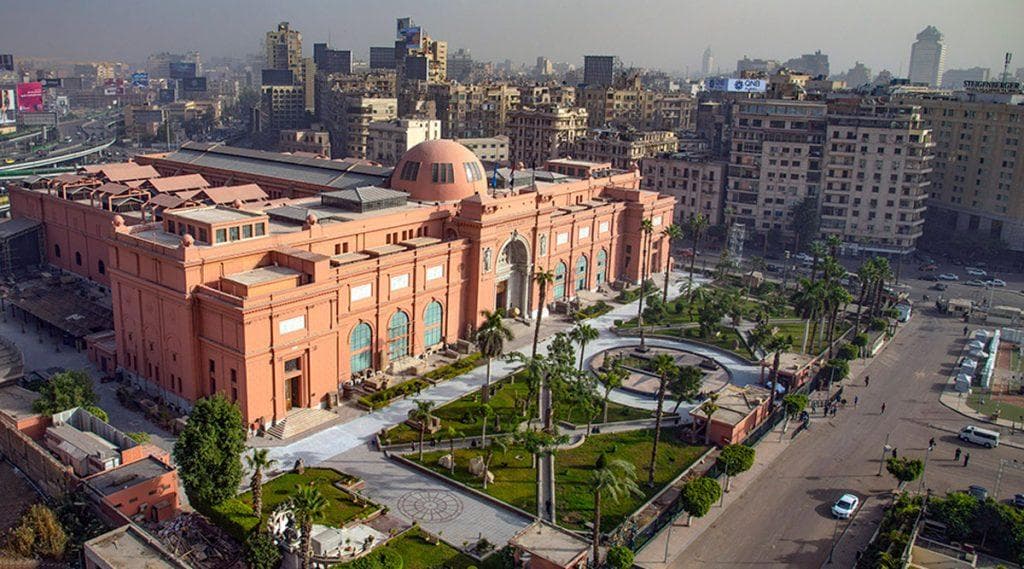
The single best place is the National Museum of Egyptian Civilisation (NMEC) in Fustat, home to the Royal Mummies Hall, where around 20 kings and queens - including Ramesses II, Seti I, and Hatshepsut - rest in a dim, climate-controlled gallery. Entry is roughly 700 EGP (about 14 USD), with a small additional fee for the mummies hall. Photography is forbidden inside the hall, out of respect. The Egyptian Museum on Tahrir Square still displays animal mummies, canopic equipment, and embalming tools.
### In Luxor
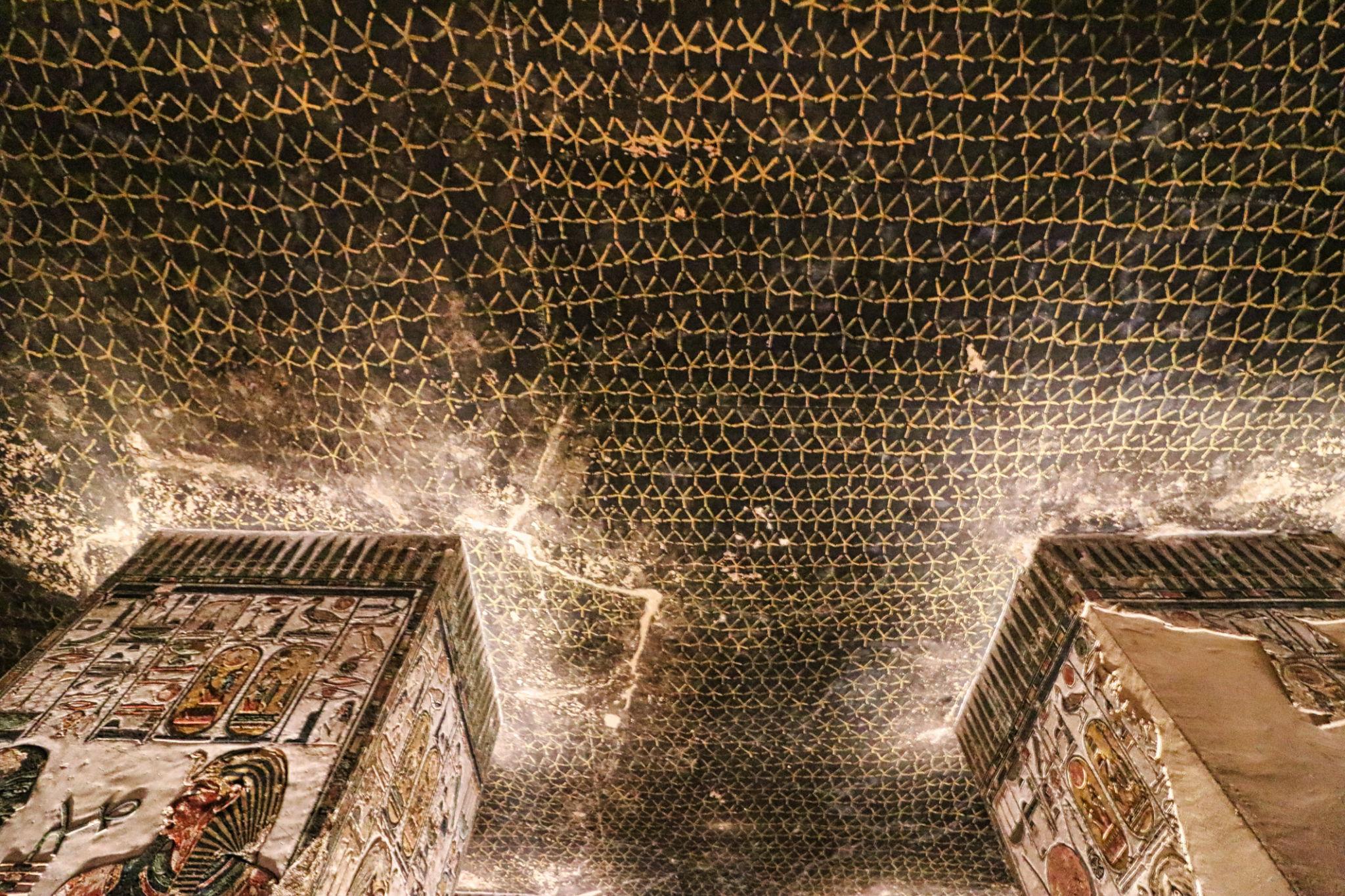
Most mummies were of course made for the tombs of the south. In Luxor you can descend into the painted tombs of the Valley of the Kings, where the kings were originally laid to rest. The Luxor Museum also has a small, well-presented royal mummies display, including Ahmose I.
The Embalmers and the Workshop
Mummification was a profession, not a one-off ritual, and it ran on a guild of specialists. At the top stood the *hery-seshta*, the "overseer of mysteries," who wore a jackal mask to impersonate Anubis, the god of embalming, during the most sacred phases. Below him worked the *wetyu* (bandagers) and the *paraschistes* who made the actual incision. The workshops were often set up in temporary tents or dedicated mud-brick structures near the necropolis, kept ritually pure. Recent excavations at Saqqara have uncovered an entire embalming workshop complex, complete with shafts, embalming beds, and labelled jars of the oils and resins used - a remarkable window into the practical chemistry of the trade, including imported cedar oil, bitumen, beeswax, and pistacia resin.
Coffins, Masks, and the Outer Layers
The wrapped body was only the core of the burial. Over it went a death mask - for royalty, solid gold like Tutankhamun's 10.2 kg masterpiece; for others, painted cartonnage (layers of linen and plaster). The mask ensured the soul could always recognise its owner. The body was then placed inside one or more nested coffins, often anthropoid (human-shaped) and covered inside and out with protective spells and images of the gods. The wealthiest, like the New Kingdom kings, added a heavy stone sarcophagus as the final shell. Studying these layers in a museum, you are essentially reading a stack of insurance policies for eternity.
Practical Tips for Visiting Mummies
The Royal Mummies Hall is deliberately dim and quiet; give your eyes a moment to adjust and treat the space like the resting place it is. Mornings are calmest. If you are travelling with children, prepare them - the faces are genuinely visible and can be intense. Allow at least an hour at NMEC for the mummies alone, more if you want the wider civilisation galleries. A practical note on getting there: NMEC sits in Fustat, old Cairo, roughly 20-30 minutes by taxi or ride-hailing app from downtown, and pairs well with a morning at the nearby Coptic quarter.
Bringing It Together
Mummification ties together everything that made ancient Egypt extraordinary: its religion, its science, its art, and its obsession with eternity. To trace the whole story - from the embalming tools and golden masks of Cairo's museums to the tombs of Luxor where the mummies were laid - you really want both ends of the country.
Our 5 Days Cairo, Luxor & Abu Simbel tour connects the museums of Cairo with the royal tombs of the Theban west bank, guided by a private Egyptologist who can read the funerary texts on the walls and explain exactly what you are seeing - turning a row of artefacts into the gripping human story of how the ancient Egyptians tried to cheat death.