Valley of the Golden Mummies

Valley of the Golden Mummies

A vast Greco-Roman necropolis with thousands of gilded mummies — one of Egypt's greatest modern discoveries.

8 AM5 PM100 EGP (foreign visitor, Bahariya Antiquities Museum — approximate; verify on-site)28.3486, 28.8622

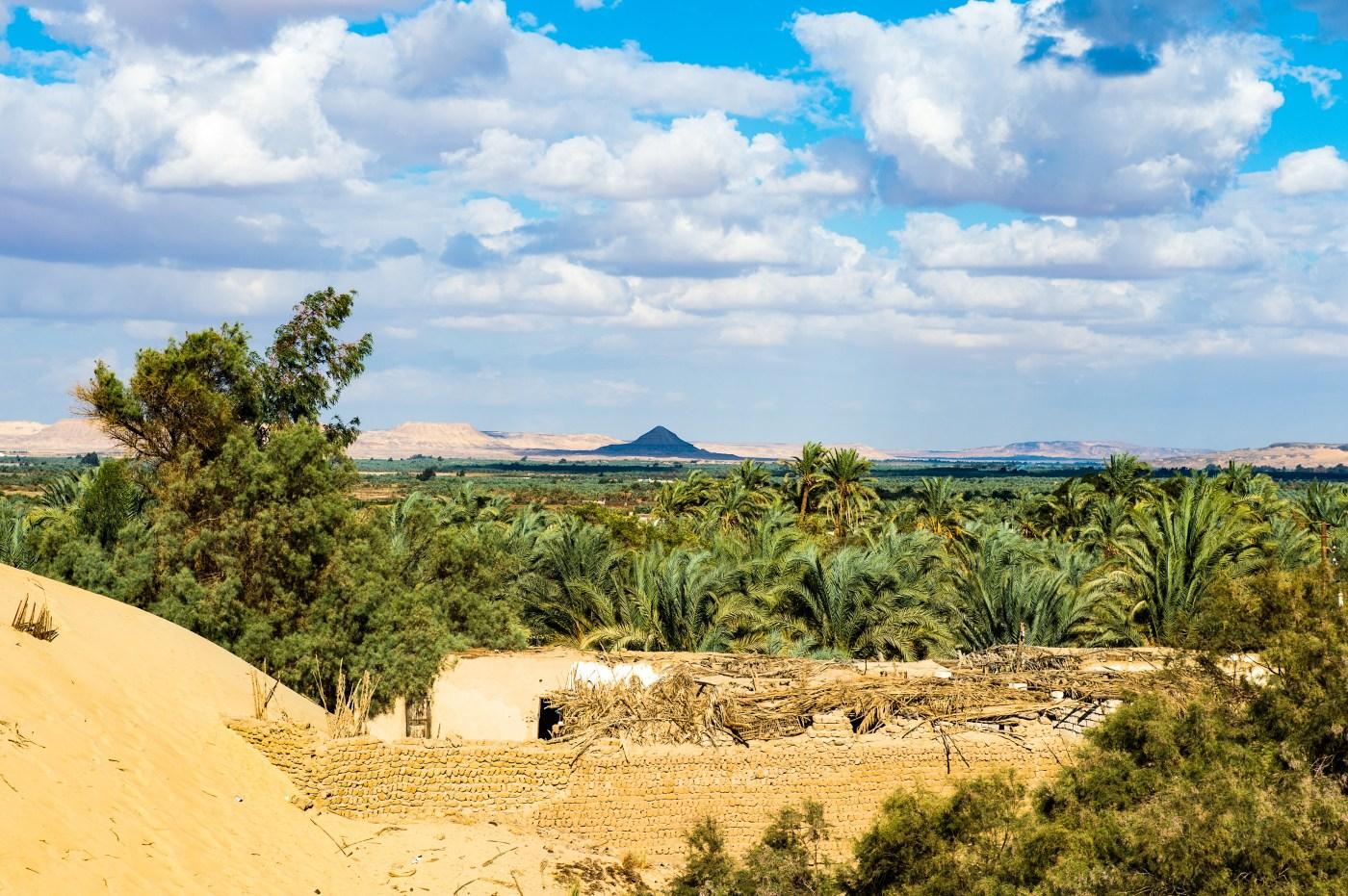
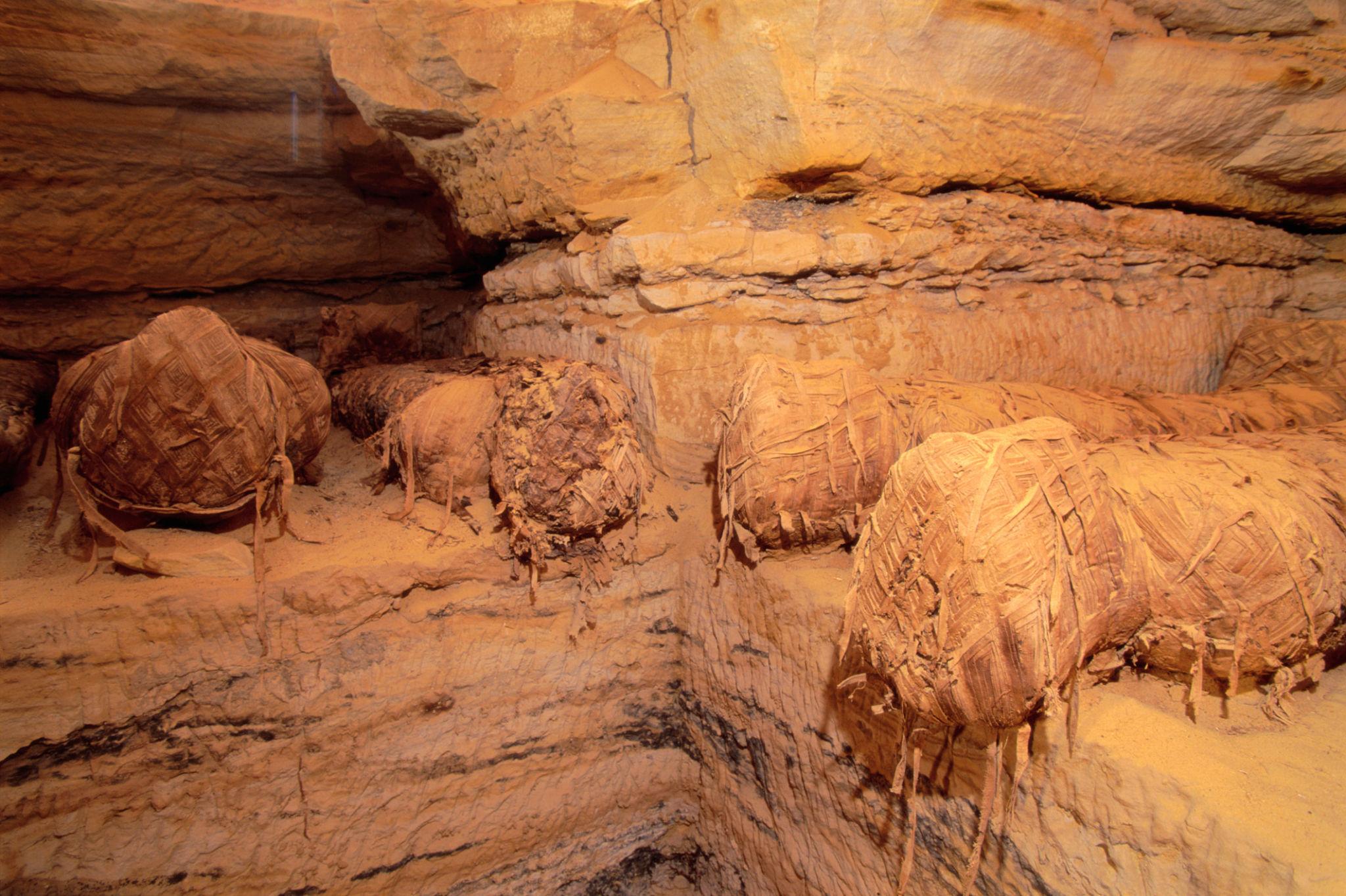
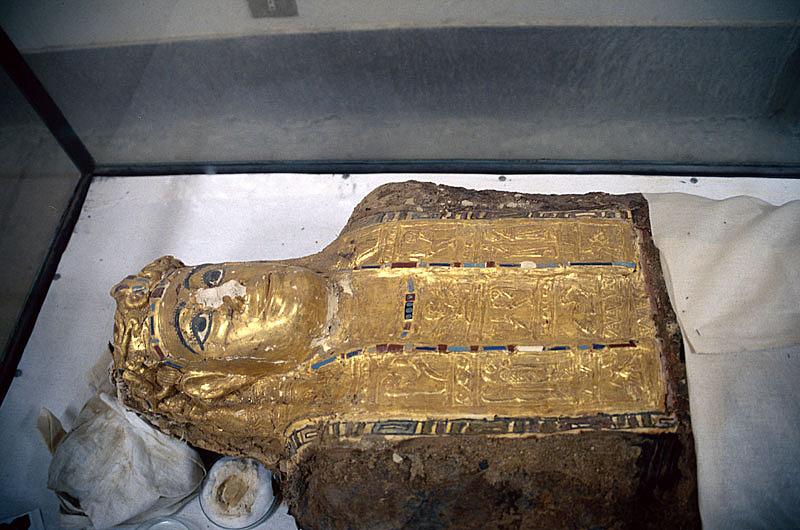
The Valley of the Golden Mummies is a massive Greco-Roman necropolis discovered in 1996 near Bawiti, the main town of Bahariya Oasis. The site contained thousands of mummies dating from the 1st century BC to the 4th century AD, many adorned with gilded masks, painted cartonnage, and elaborate funerary decorations. The discovery revealed the unexpected wealth and importance of Bahariya Oasis during the Greco-Roman period and represents one of the most significant archaeological finds in modern Egyptian history.

Gallery
CLOOOoywmfUgzDkF3fxDRBbAPfbPgUKHnjPx34smfCM7pBy3ks M1pcvGnPWPv76UHVSunLIC TYwzdZW99lgtrSF6 wJ7ag1G zk0RiKMuiFsqt3i2x4JvJYS1x8uy UqQqrRuEDbIA5spKvtiAEylifr 7s6f I2YgDhCJrEWf4aLidIbJsC8ZF72oJ ol
bpEKZUVqGz sXzERs36Vb6OkWh8hQrQodQBuJOFyyh0O51KUiGM3B Y6oV3SdUzSQafiiEZ78s OaWlLl2QkJXHUY77YHPNTwrzbfE1 27TwrpYiwwrlUTX284rXoPUJm7YLXPDb avX6cp5OYeOkAK6lbO4elL4eMZphisa0GKVVbJbFxfQIETjURsNHMGS
AWpJVtTGb1hOz14Z2XiJE qRwG2CX9s66j70hefHYITBiCfk6Ga tB0XJGuIaMSAi6CAa99Uc DhecFpbqLqRZN0SgvBuBTwgf4qB6gtgbgcnAHN66B5EUfVRBJ8YGvuIjZ6HgCpctbNIQmawx1JwhmVOIN81rj8U25cL9fs0dVoN1GJRI1N3T2k OXu3XBF
VxtoXBvRVga63uM8z6B3SycCw68HTK7EC7hlOXLgwiTFWrFpS2gHcx3Byf8pGS11 Xbd1lkRczAW8LgqPPsOscNcuCmC0DCbkZ2I9sg7vcyIQ8GOtwJ6EjhITh U KIL 8YYsGk5qBHr4IOzoUbT9lvmPJUqBYvTp0i1Ob9aZ129x7Js0irSaREr8d1Jh2SU

Why Visit

One of the largest and most important archaeological discoveries of the 20th century
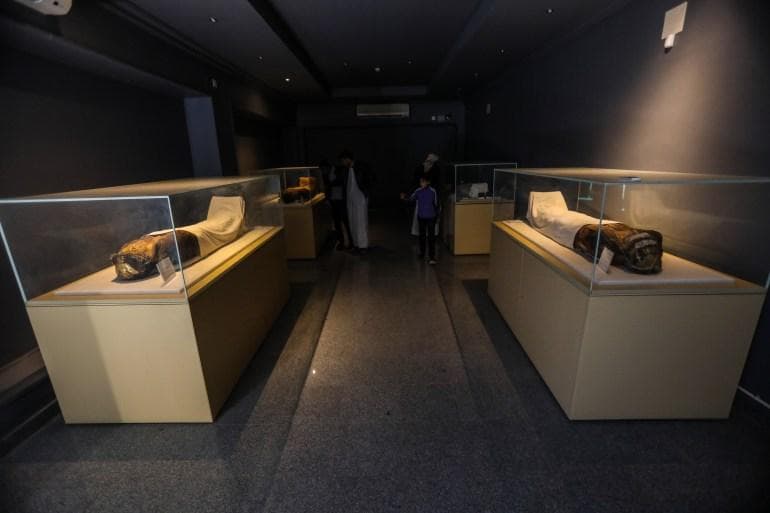
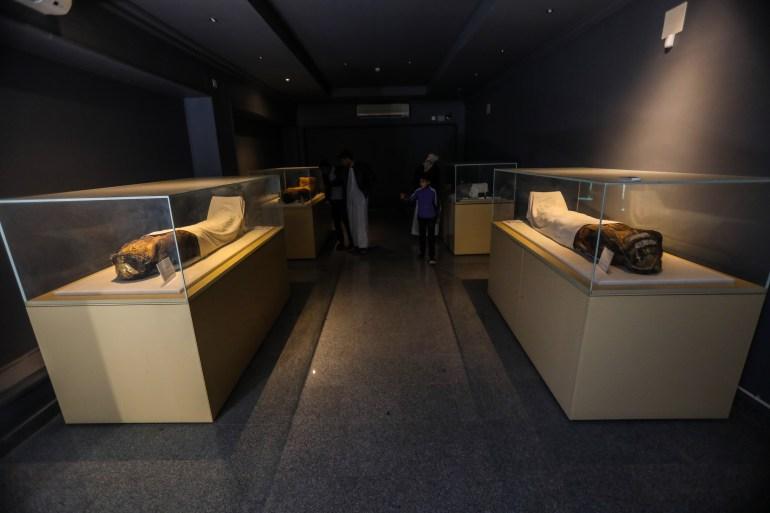
Beautifully gilded mummies displayed in the local Bahariya Museum
Evidence of a wealthy oasis civilization hidden in the desert for 2,000 years

What to See

Bahariya Museum
The small but excellent museum in Bawiti displays the most impressive finds from the necropolis, including golden mummy cases, painted cartonnage masks, and funerary goods. The quality of the gilding and artistry reveals just how prosperous Bahariya was during the Greco-Roman era — the mummies rival those found in Alexandria and the Nile Valley.
Tomb Sites
Parts of the excavated necropolis are accessible to visitors. The rock-cut tombs vary from simple burial chambers to elaborately decorated vaults with painted scenes of Egyptian deities and Greco-Roman motifs, reflecting the cultural fusion of the era. Archaeologists estimate that up to 10,000 mummies may be buried in the area, with much of the site still unexcavated.

Historical Details

The Discovery
The necropolis was discovered accidentally in 1996 when a donkey stumbled into a hole near the Temple of Alexander, revealing a vast underground burial ground. Egyptian archaeologist Zahi Hawass led the excavation, which uncovered over 250 mummies in the first season alone — many with stunningly well-preserved golden masks. The discovery made international headlines and transformed understanding of Bahariya's importance in antiquity.
Oasis Wealth
The quality and quantity of the golden mummies indicate that Bahariya was far wealthier during the Greco-Roman period than previously believed. The oasis's prosperity likely came from wine production and trade — Roman-era wine presses have been found throughout the oasis, and ancient texts mention Bahariya wine. The gilded mummies suggest a prosperous merchant class that could afford elaborate funerary preparations.

Visitor Tips

  • Start at the Bahariya Museum in Bawiti to see the best golden mummy displays
  • The tomb sites are spread around Bawiti — a local guide is helpful for finding them
  • Photography may be restricted inside the museum — check at the entrance
  • Combine with a visit to the nearby Temple of Alexander and the tombs of Bannentiu

Related Monuments

Opening Hours

8 AM5 PM

Entry Fee

100 EGP (foreign visitor, Bahariya Antiquities Museum — approximate; verify on-site)

Period

Greco-Roman Period, 1st century BC – 4th century AD

Location