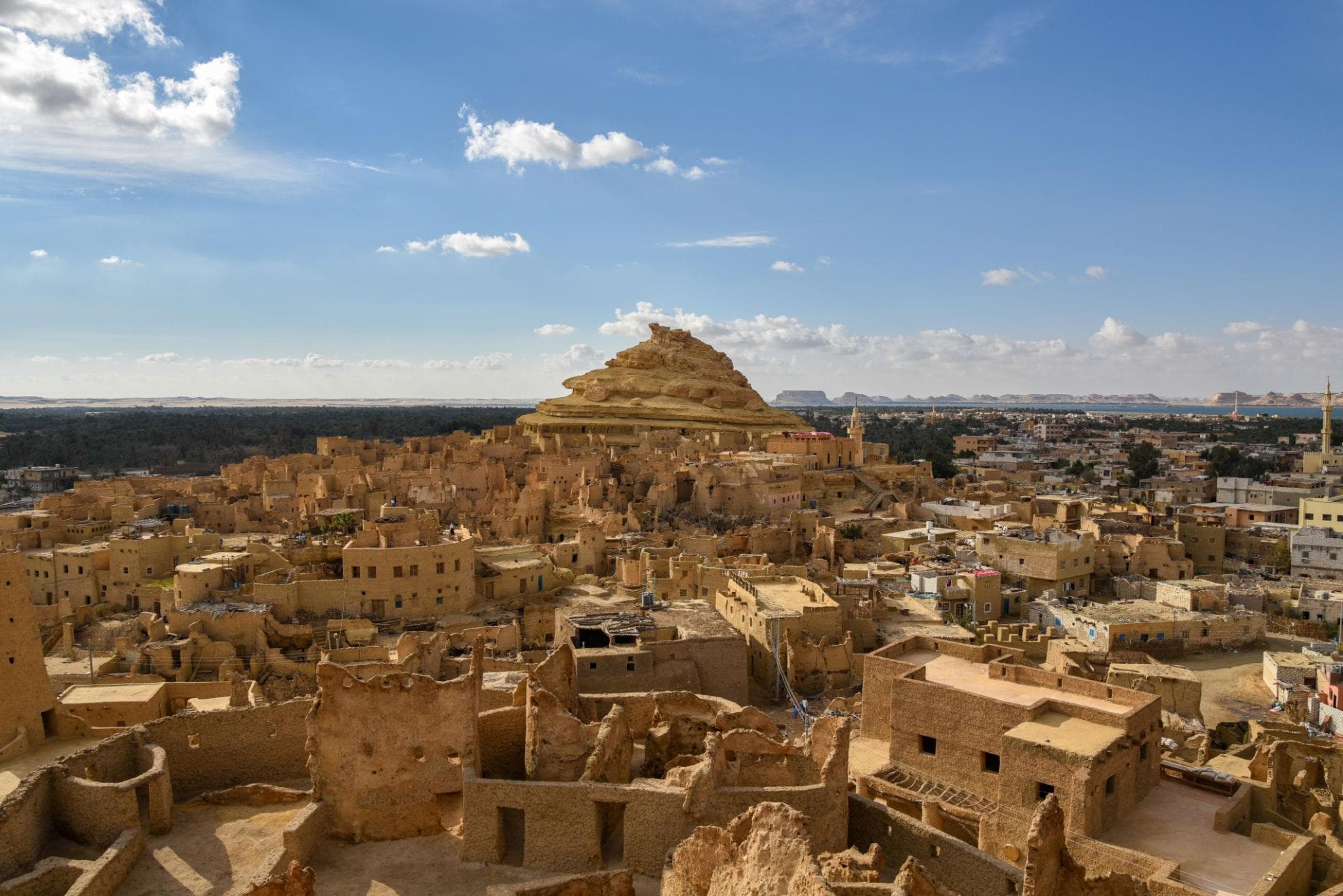
Shali Fortress
The crumbling medieval mud-brick fortress at the heart of Siwa — a maze of ancient lanes and panoramic views.
Open access – Open accessFree (open ruins in Siwa town centre)29.2028, 25.5194
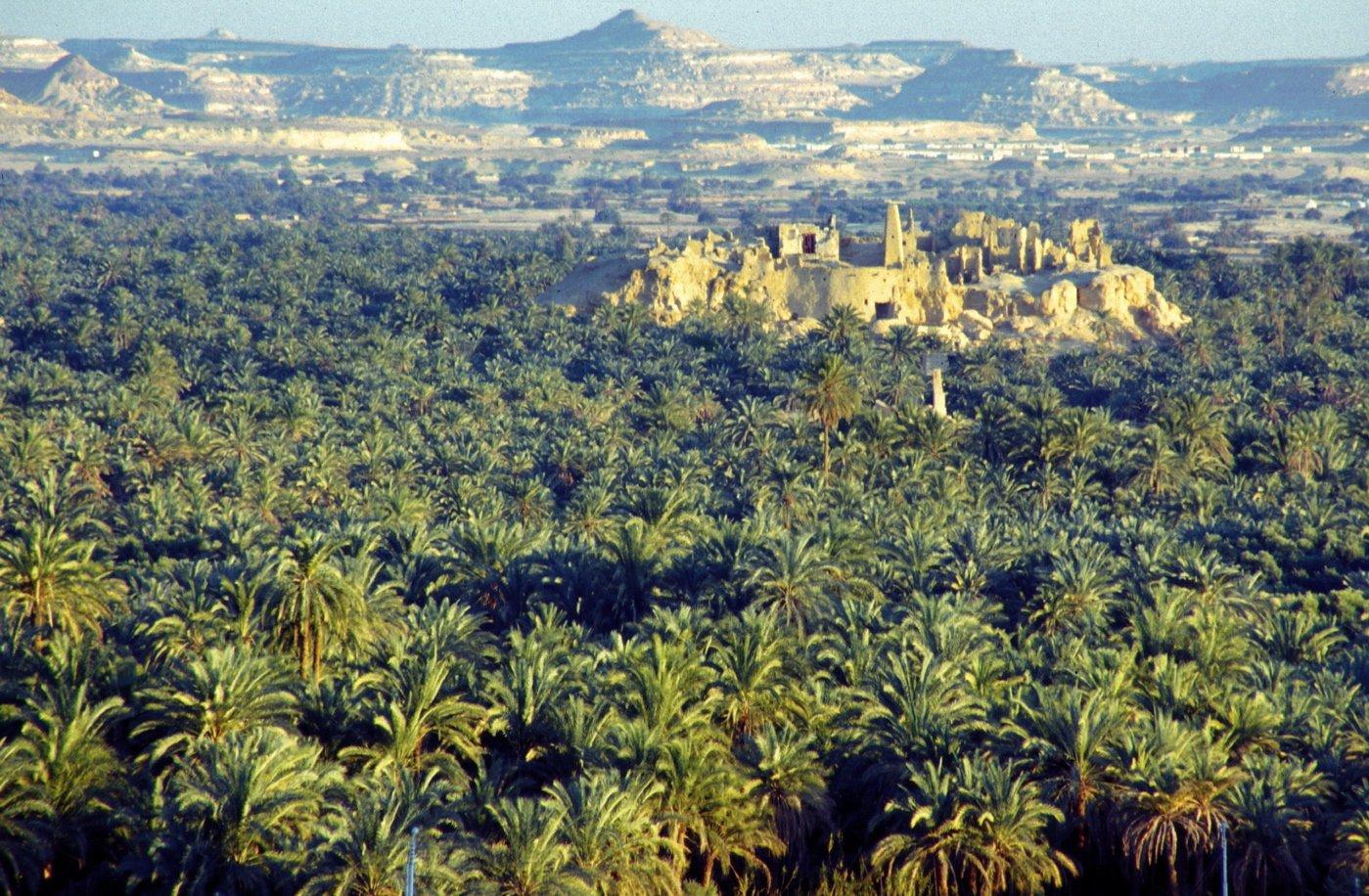
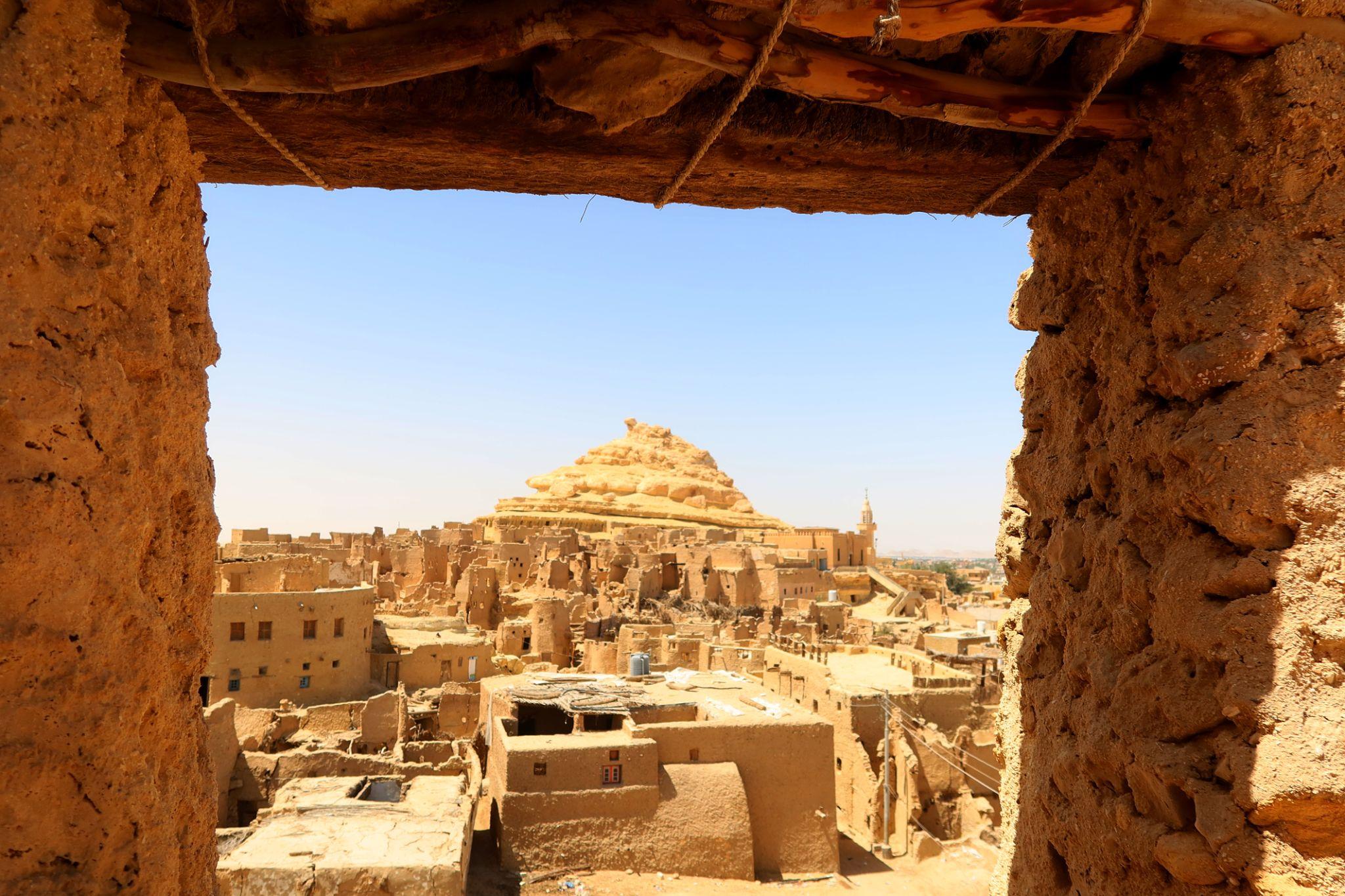
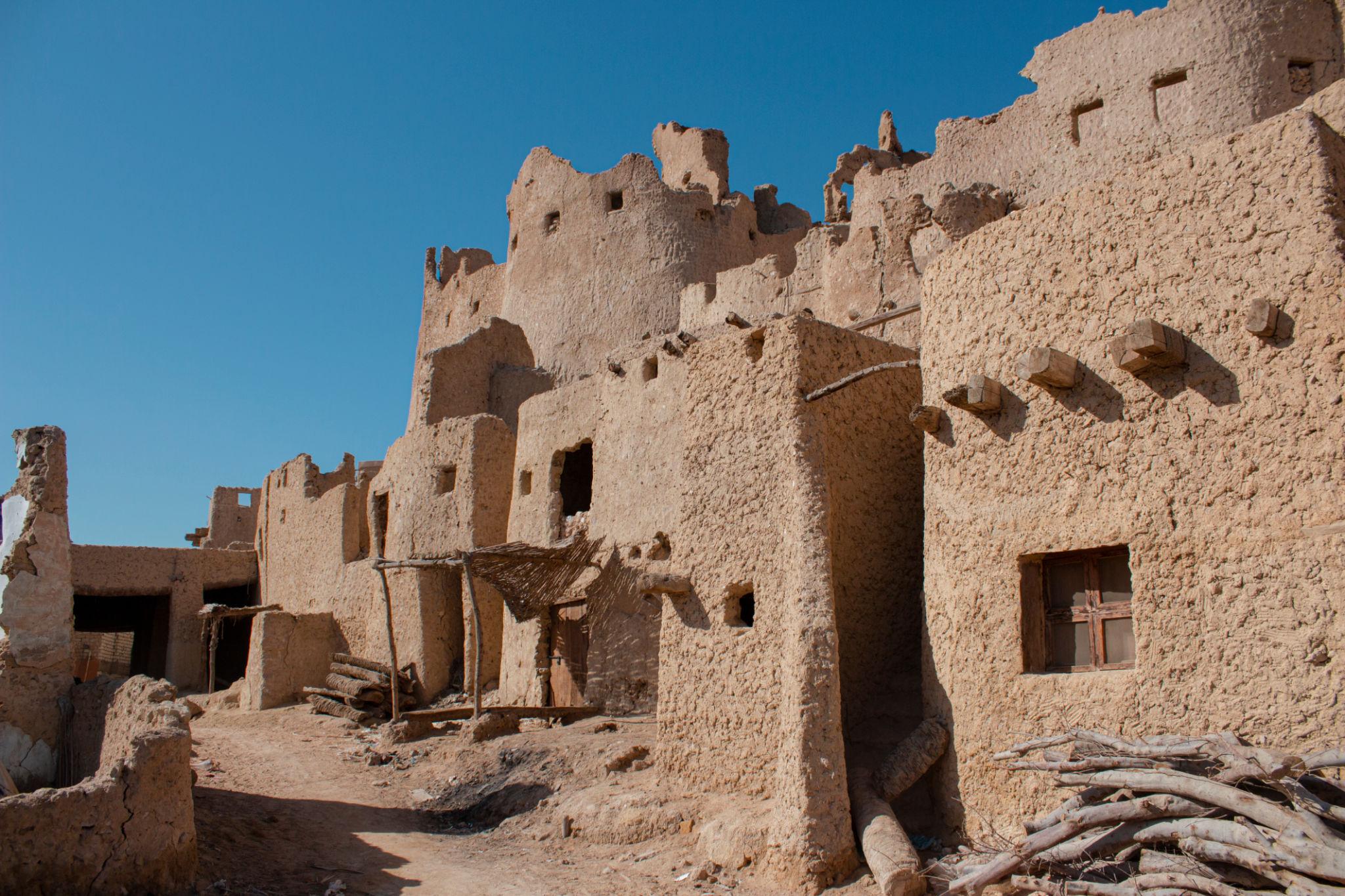
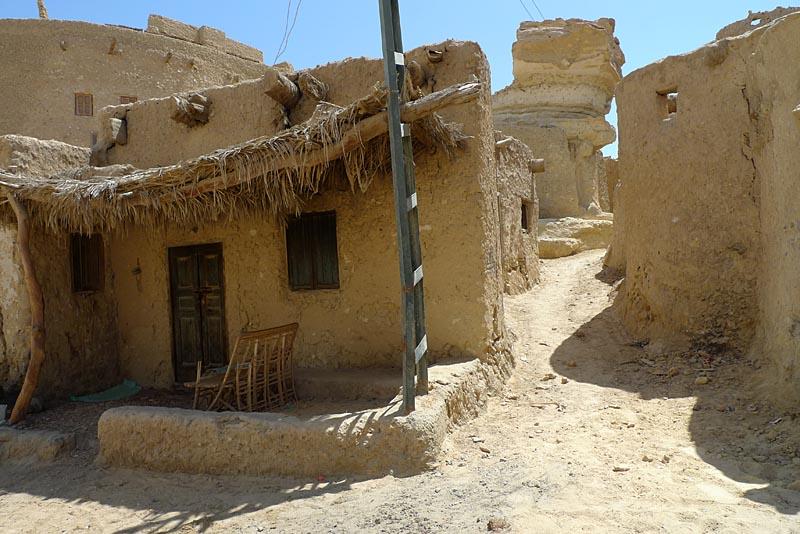
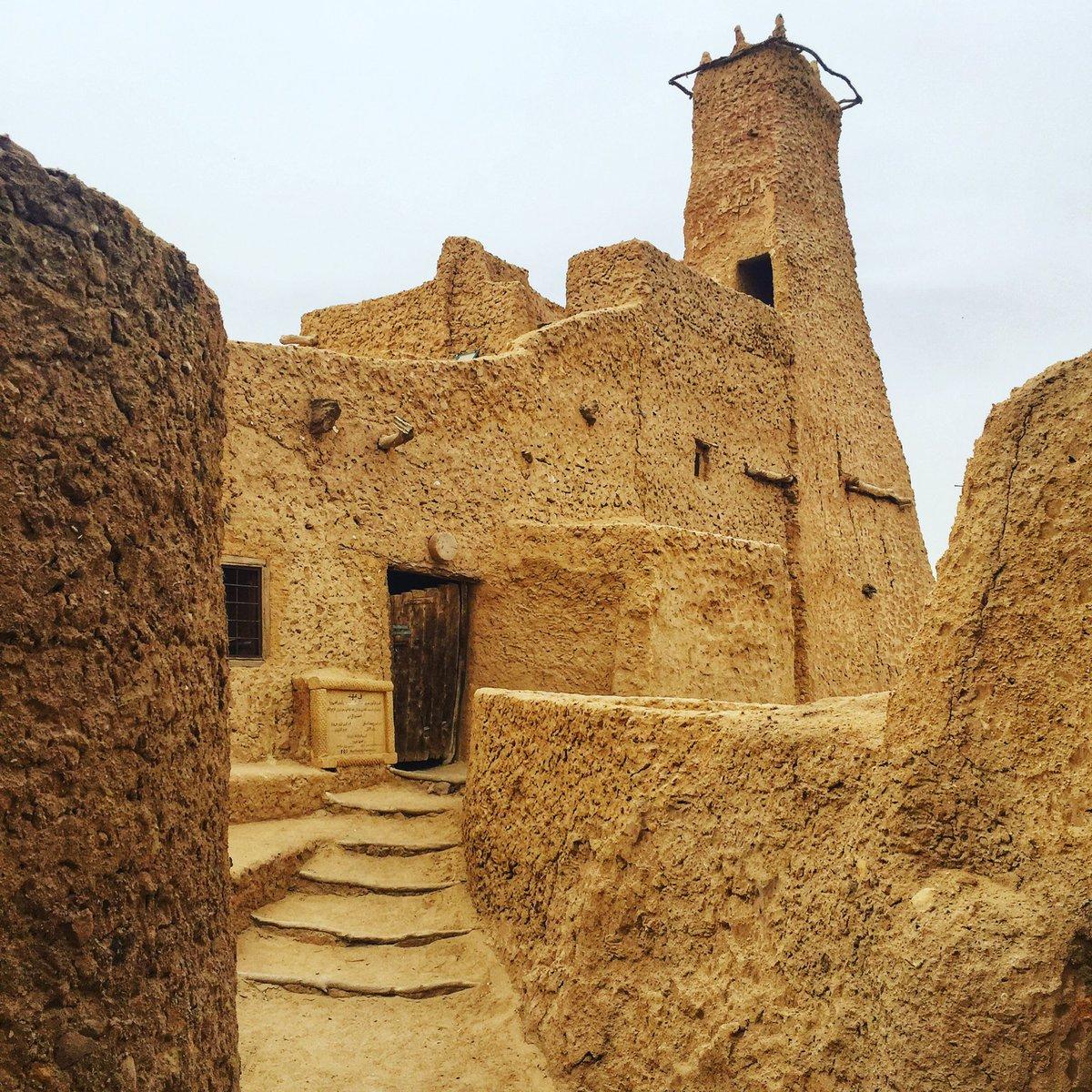
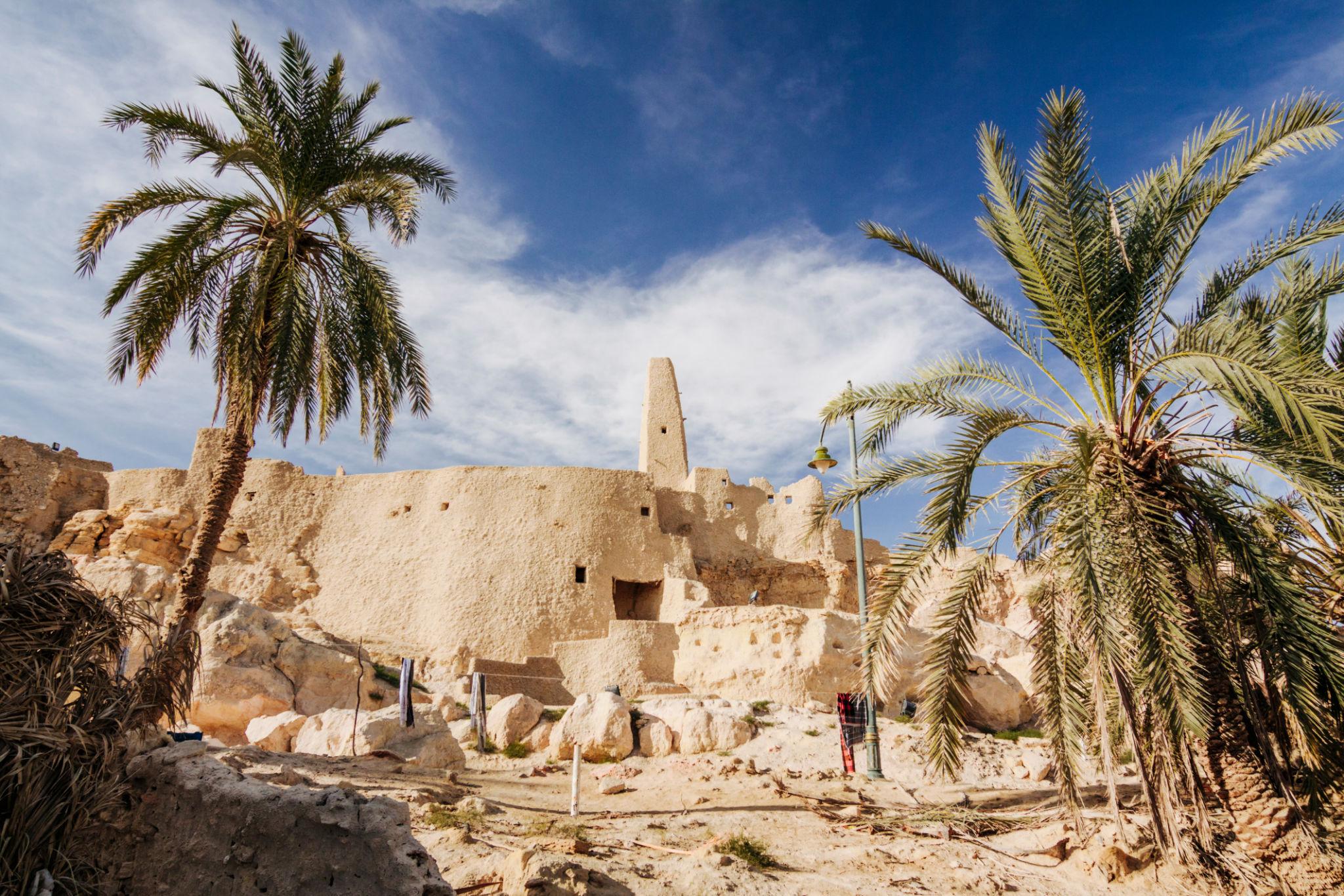
Shali Fortress is the iconic ruins of Siwa's 13th-century fortified town, rising from the center of the modern oasis settlement. Built from kershef — a local material made of salt-rich mud, rock salt, and clay — the labyrinthine town once housed the entire Siwan population within its protective walls. Heavy rains in 1926 caused much of the salt-based structure to melt, leaving the dramatic crumbling ruins visible today. A careful restoration effort is preserving this unique heritage site.
Gallery
Why Visit
A hauntingly beautiful medieval mud-brick fortress unlike anything else in Egypt
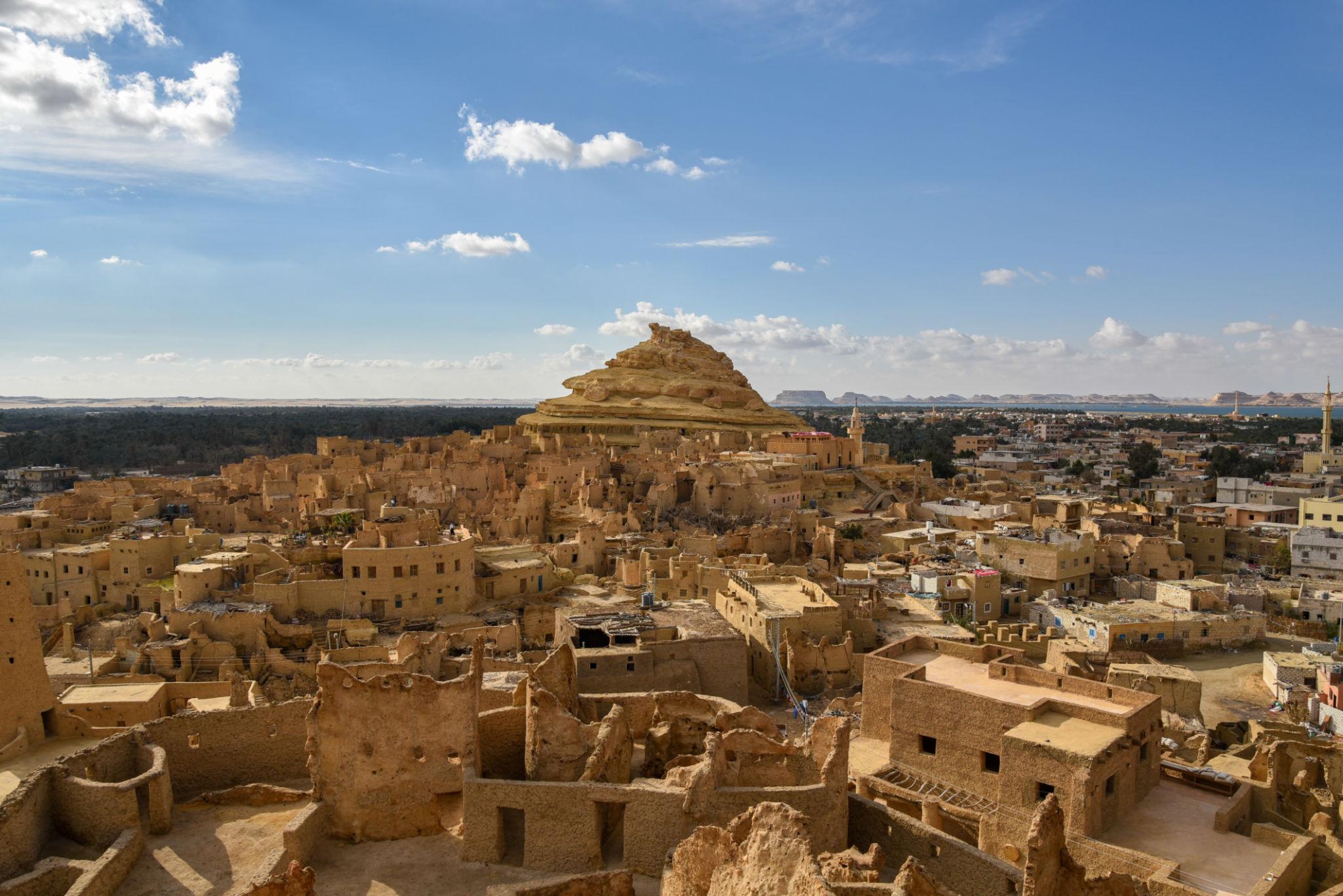
Climb to the top for sweeping views over the oasis and the Great Sand Sea
Witness a unique building tradition — the only salt-mud architecture of its kind
What to See
The Fortress Ruins
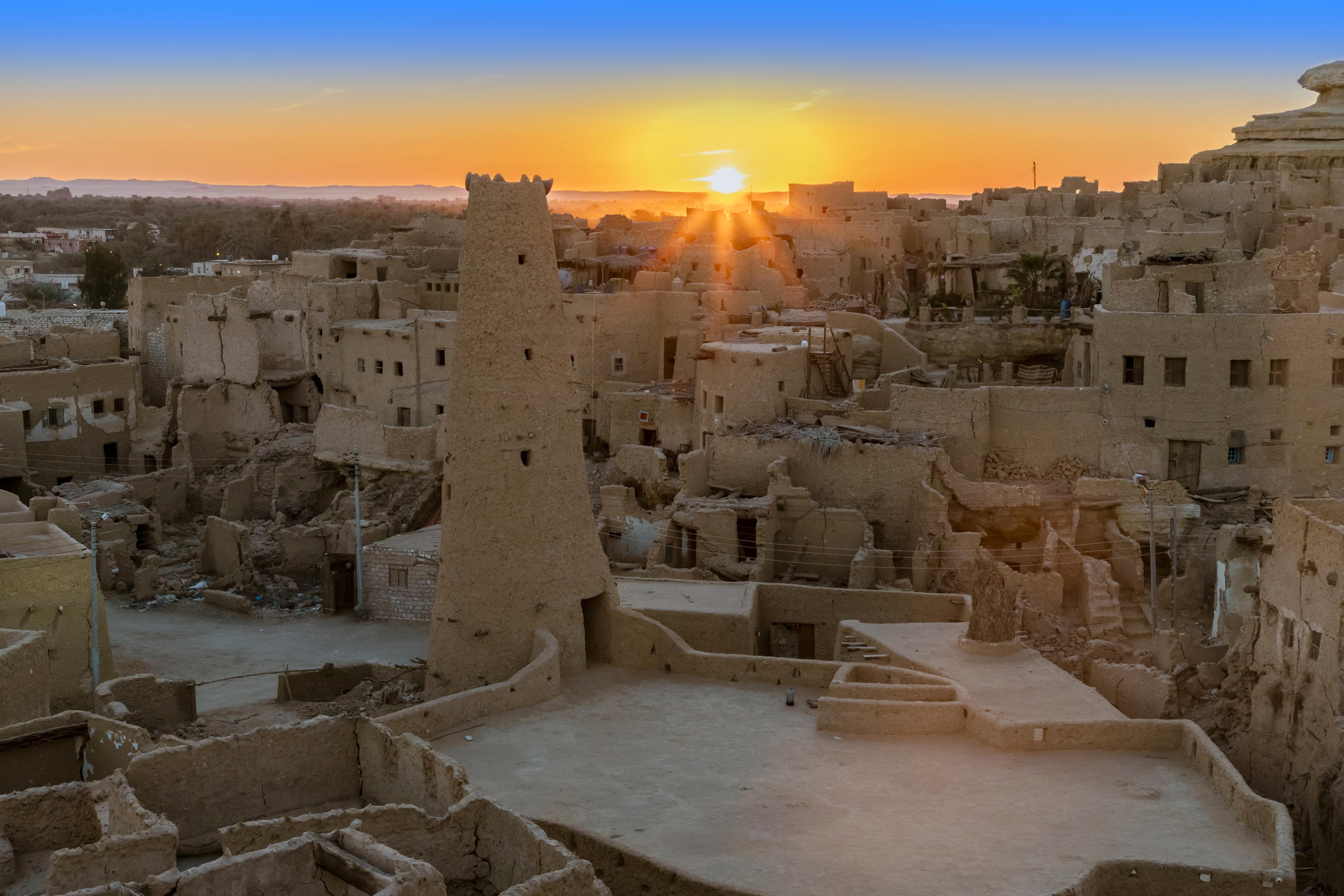
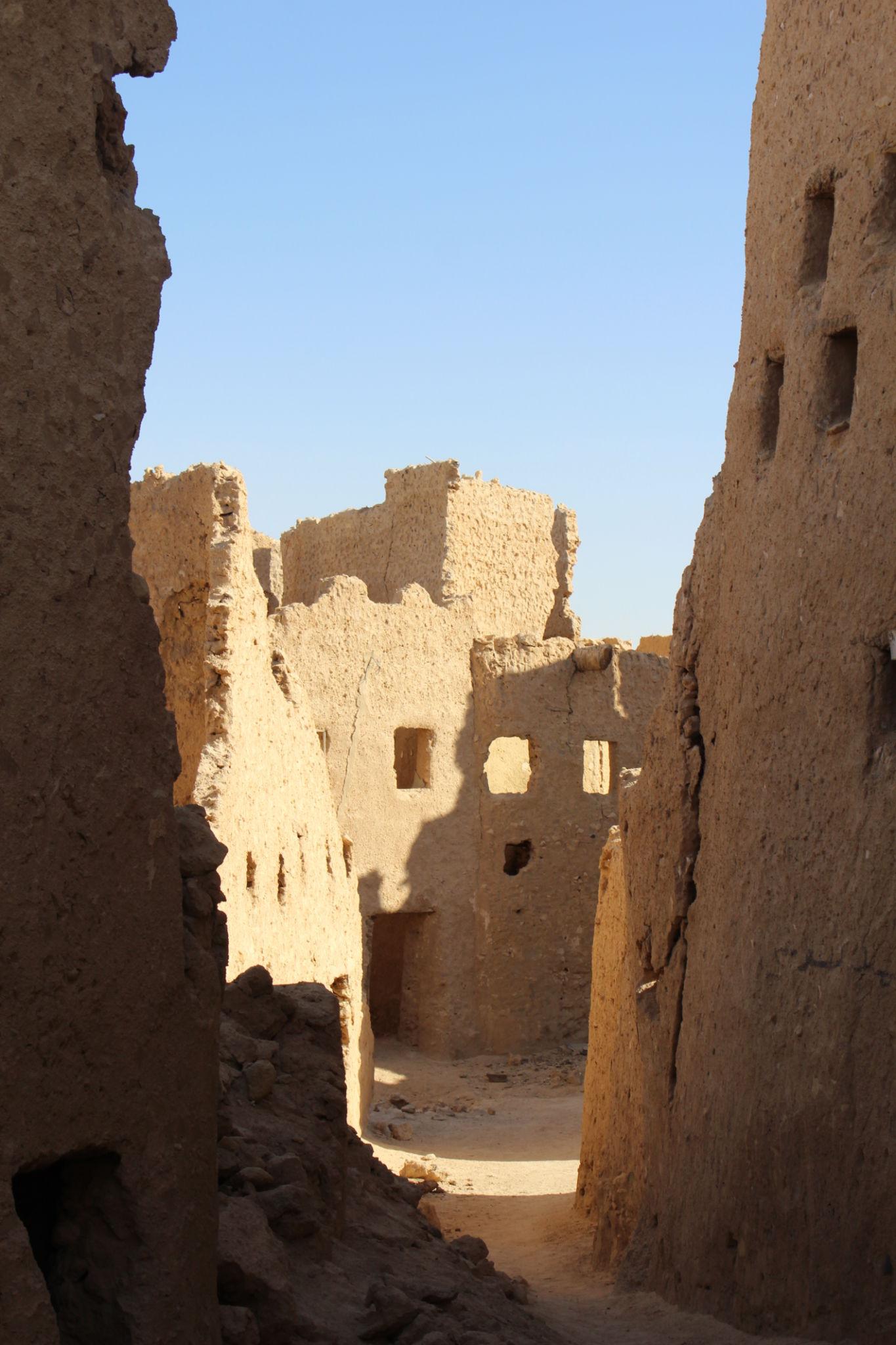
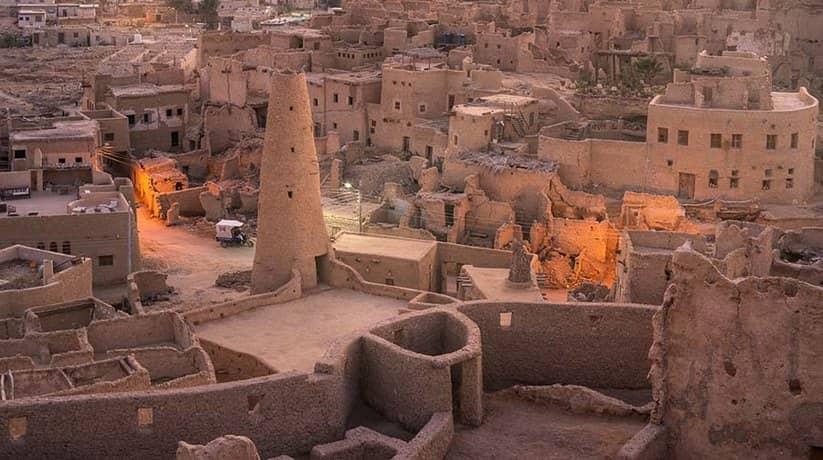
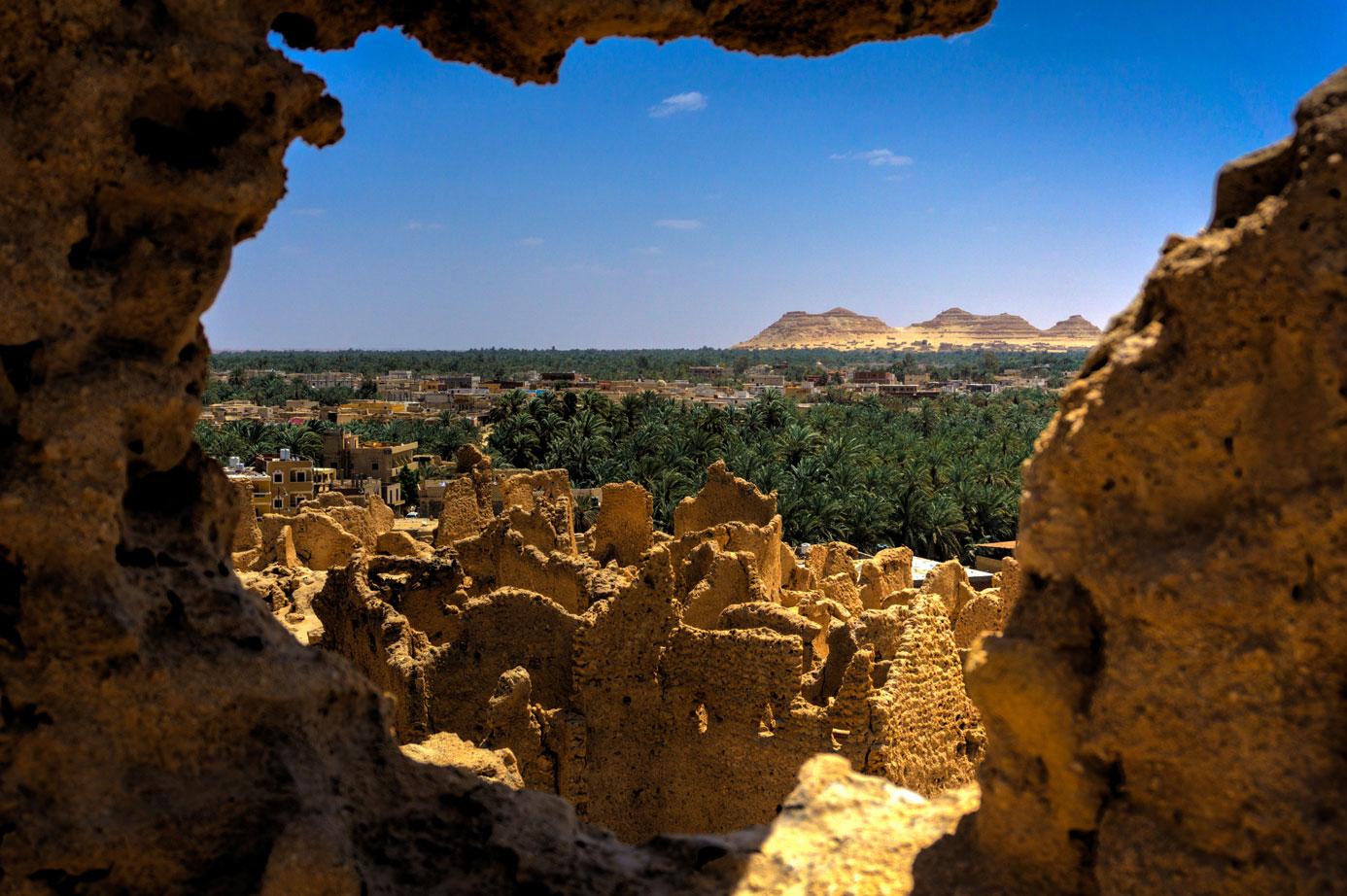
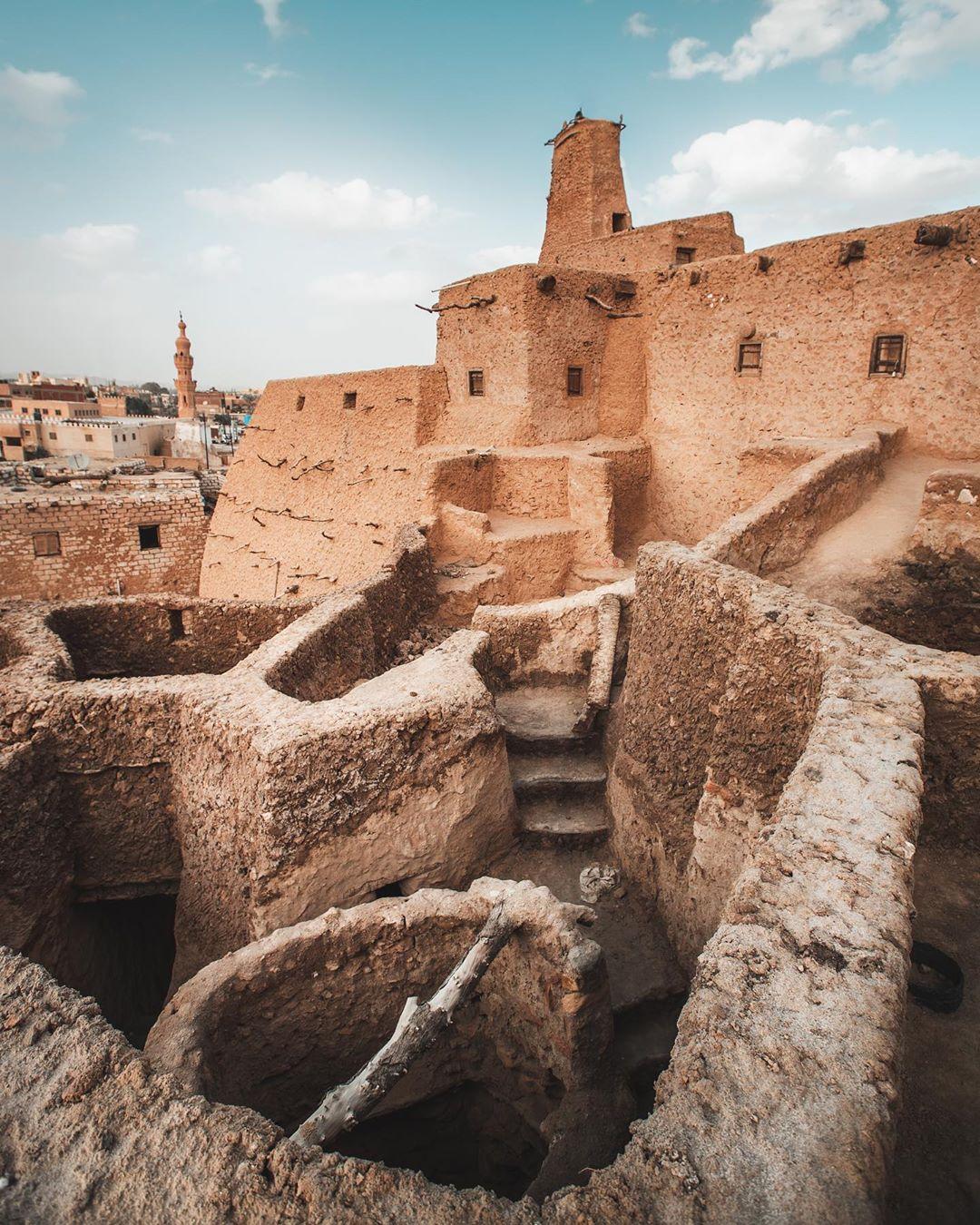
The melted, organic shapes of the kershef walls create an almost surrealist landscape — rounded towers, eroded doorways, and narrow passages that seem to flow like frozen waves. Walking through the labyrinthine remains, you can trace the outlines of former houses, streets, and the old mosque. Parts of the structure have been stabilized and restored using traditional techniques, blending old and new kershef seamlessly.
Panoramic Rooftop Views
Climbing to the highest point of Shali offers one of the most memorable views in Egypt's Western Desert — the modern town of Siwa spread below, surrounded by an ocean of date palms, with salt lakes glinting in the distance and the dunes of the Great Sand Sea forming the horizon. At sunset, the kershef walls glow warm orange against the darkening sky.
Historical Details
Why Kershef?
The Siwans developed kershef construction out of necessity — in an oasis with no stone quarries and limited wood, the abundant rock salt and clay provided the only viable building material. Kershef is remarkably strong when dry, but dissolves in heavy rain, which is why the 1926 rainstorm (a rare event in one of the driest places on Earth) was so catastrophic. The material also acts as a natural insulator, keeping interiors cool in summer and warm in winter — a practical advantage in the extreme desert climate.
Fortress Society
For centuries, the entire population of Siwa lived within Shali's walls for protection against Bedouin raids. A strict curfew required all residents to be inside the fortress by sunset, with heavy doors locked until morning. The narrow, winding passages were deliberately designed to confuse invaders. As the population grew and threats diminished in the 19th century, Siwans gradually moved outside the walls to new houses in the surrounding area.
Visitor Tips
- Visit at sunset when the kershef walls glow golden and the views are at their best
- Wear closed-toe shoes — the ground is uneven with sharp salt-rock fragments
- The ongoing restoration means some areas may be fenced off — check at the entrance
- A local Siwan guide adds tremendous depth to the visit with oral histories and legends
Opening Hours
Open access – Open access
Entry Fee
Free (open ruins in Siwa town centre)
Period
13th century AD (1203)