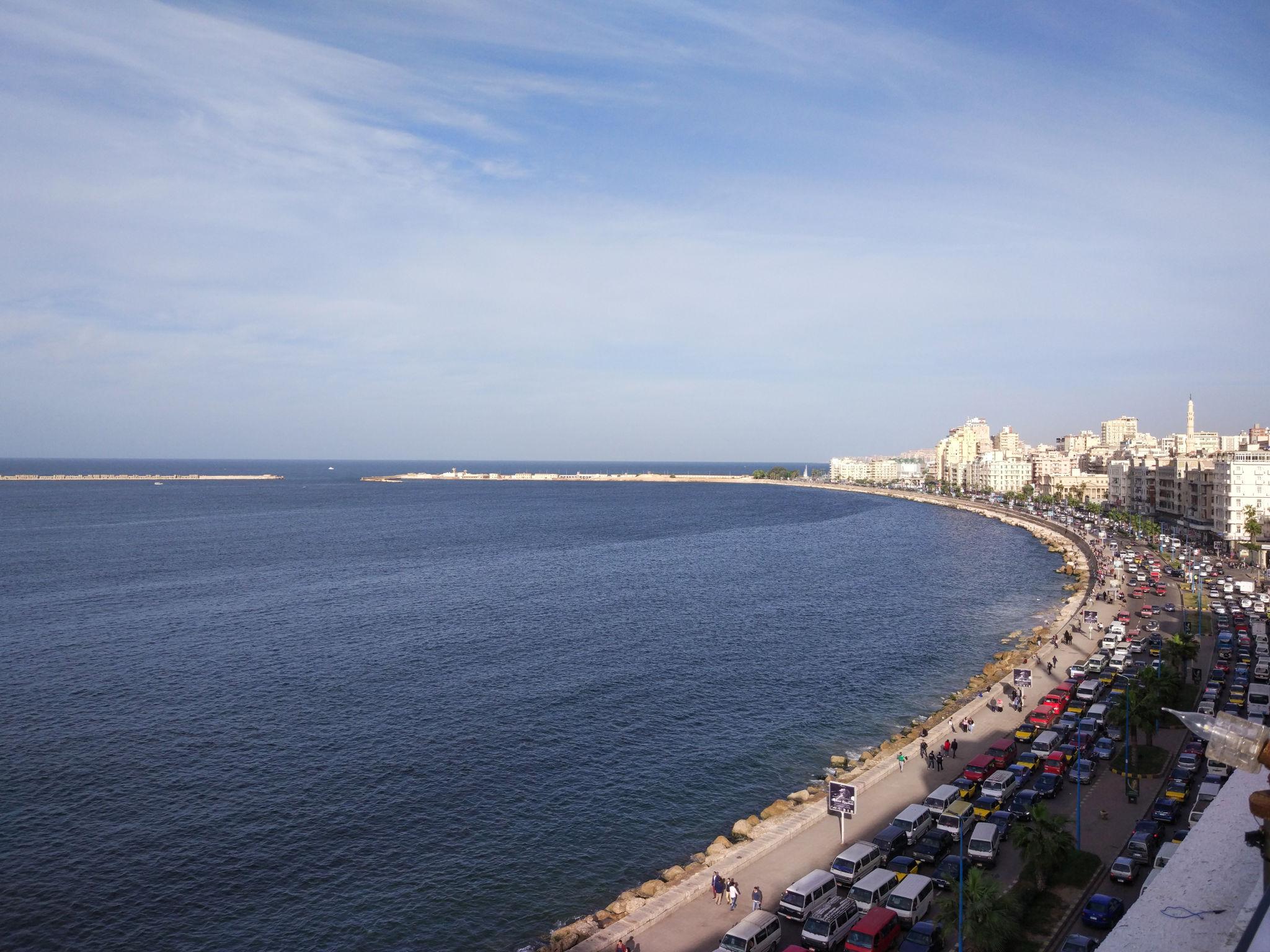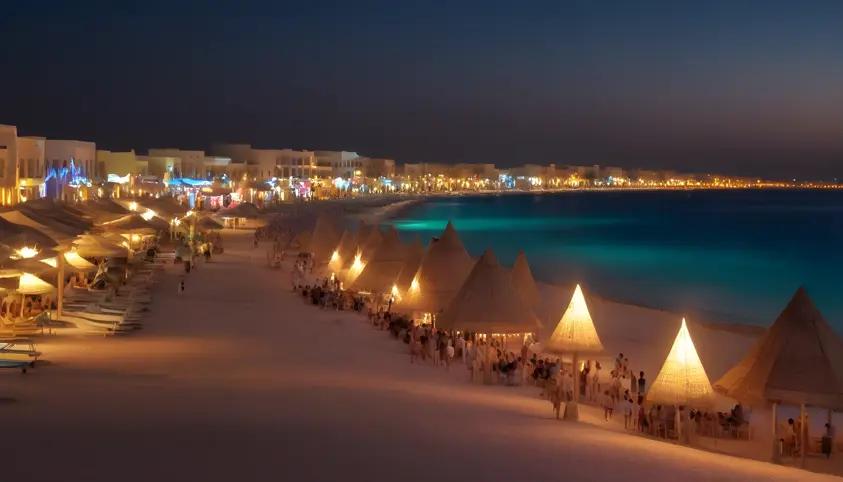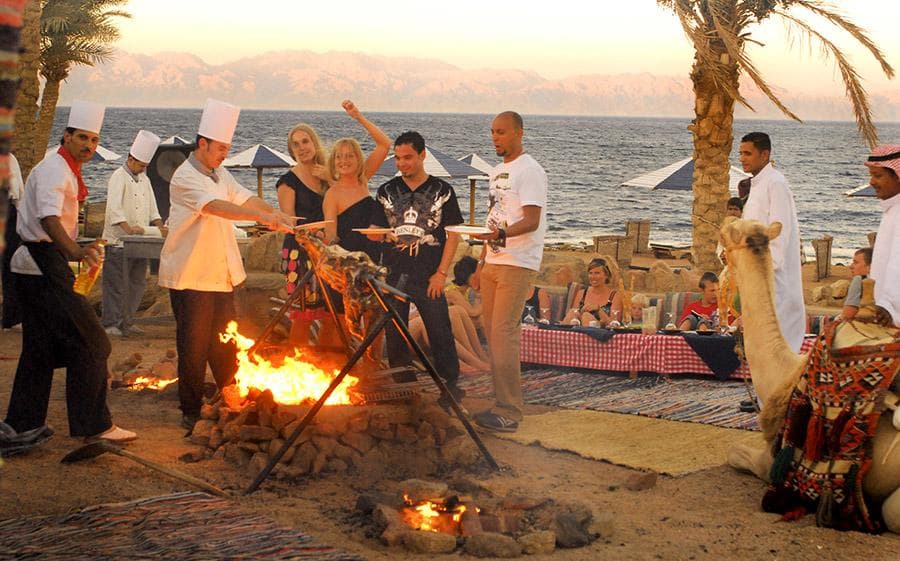
Egypt's Red Sea coast strings together four very different resort towns, and choosing the wrong one can quietly cost you the holiday you actually wanted. They share the same warm, almost absurdly clear water and the same world-class coral, but the resemblance ends there: one is a package-tour machine, another a desert dive town where shoes are optional, and the gap between them matters. This guide breaks down Hurghada, Sharm el-Sheikh, Marsa Alam, and Dahab on the things that decide a trip, costs, reefs, flights, family-friendliness, and the cultural feel, so you can pick with your eyes open. For the wider regional picture, see our Red Sea destination overview.
The Quick Verdict
If you want a no-thinking package holiday with the most flight options and the lowest prices, choose **Hurghada**. If you want the best big-fish diving plus polished resorts and a buzzy nightlife, choose **Sharm el-Sheikh**. If you want pristine, less-crowded reefs and serious wildlife (dugongs, dolphins, turtles), choose **Marsa Alam**. If you want a cheap, barefoot, backpacker-meets-yogi vibe with legendary shore diving, choose **Dahab**. Everything below is the detail behind that summary.
Hurghada: The All-Rounder
Hurghada is the workhorse of Egyptian beach tourism, a sprawling 40-km strip of hotels stretching from the old town of El Dahar down through Sekalla and out to the manicured marina district of El Gouna in the north and Sahl Hasheesh and Makadi Bay to the south. It is the easiest and usually cheapest place to land.
### Who it suits
Families and first-timers who want all-inclusive value, big pools, and short transfers. The reef directly off most beaches is patchy because of decades of development, so the snorkelling and diving here is built around boat trips to offshore islands such as Giftun and the Mahmya sandbar (roughly a 45–90 minute boat ride).
### Costs and logistics
Four and five-star all-inclusive resorts commonly run from around 1,800–4,500 EGP per room per night (roughly 35–90 USD as of 2026, depending heavily on season and hotel). A full-day snorkelling boat trip to Giftun typically costs about 700–1,200 EGP (~15–25 USD) including lunch. Hurghada International Airport (HRG) sits about 5–10 km from most central hotels, so transfers are short, frequently 15–30 minutes. Pre-booking a private car removes the taxi haggling that catches out new arrivals; our Hurghada airport transfer is a fixed-price option.
The trade-off: Hurghada can feel commercial and a little soulless in the resort strips, and aggressive shop touts in Sekalla are a known annoyance.
Sharm el-Sheikh: Diving Powerhouse on Sinai
On the southern tip of the Sinai Peninsula, Sharm el-Sheikh is built around two hubs, the resort-packed Na'ama Bay and the quieter, marina-focused Sharks Bay further north. Its trump card is access to Ras Mohammed National Park and the Straits of Tiran, two of the best dive areas on the planet.
### The diving
Ras Mohammed (a roughly 30–45 minute boat ride or short drive to the park gate) offers dramatic drop-offs, walls smothered in soft coral, and big pelagic action, sharks, barracuda, jacks, and the famous Shark and Yolanda reefs. The Tiran reefs (Jackson, Woodhouse, Thomas, Gordon) add more world-class wall diving. Park entry to Ras Mohammed runs roughly 200–250 EGP for foreigners; a two-dive boat day is commonly around 2,000–3,500 EGP (~40–70 USD) with gear.
### Costs, flights, and the catch
Sharm's resorts skew slightly more upscale and a touch pricier than Hurghada, with all-inclusive five-stars often around 2,500–6,000 EGP per night. Sharm el-Sheikh Airport (SSH) is well connected to Europe; transfers to Na'ama Bay run about 15–25 minutes. The catch: Sharm sits behind security checkpoints on the Sinai, and overland travel to the rest of Egypt is restricted, so day trips out tend to be limited to organised excursions. If you fly in and out of Sharm and stay put, it is seamless. Lock in your arrival with a Sharm el-Sheikh airport transfer.
Marsa Alam: Wild Reefs and Big Animals
Around 270 km south of Hurghada, Marsa Alam is the youngest of the four as a tourist destination and the most about nature. Development is more spread out, the reefs are healthier, and the marine life is the real draw.
### What you actually see
This is the best of the four for charismatic megafauna. The seagrass bays of Abu Dabbab are famous for resident green turtles and the occasional dugong (sea cow), Sataya (Dolphin) Reef offers swimming with wild spinner dolphins, and the offshore reefs of Elphinstone are a legendary, current-swept wall dive where oceanic whitetip sharks appear in autumn. Marsa Alam suits divers and snorkellers who prioritise reef quality over nightlife, plus couples wanting quiet.
### Costs and access
Resorts are largely all-inclusive and often slightly cheaper than Sharm, broadly 1,800–4,500 EGP per night, but the area is more isolated, so you eat where you sleep. Marsa Alam International Airport (RMF) is the gateway, but transfers are long: many hotels sit 30 minutes to over an hour from the airport, and the southern resorts can be 1.5–2 hours. That makes a reliable pre-booked car genuinely worthwhile, see our Marsa Alam airport transfer. Note that some European charters still route through Hurghada with a 3–4 hour road transfer south, always check your itinerary.
Dahab: The Barefoot Alternative
Dahab, about 85 km north of Sharm on the Sinai's Gulf of Aqaba coast, is the deliberate opposite of a mega-resort. A former Bedouin fishing village turned bohemian hangout, it trades infinity pools for beanbag cafés on the waterfront and a famously relaxed, low-cost rhythm.
### The vibe and the diving
Dahab is shore-diving heaven, you can walk into world-class sites straight off the beach, which keeps diving cheap. The Blue Hole, a roughly 100-metre submarine sinkhole a short drive north, is the iconic (and, for technical divers, notorious) site, best enjoyed by recreational divers and snorkellers along its shallow outer reef rather than the deep arch. The Canyon and the Lighthouse house reef round out the easy access. Dahab is also a kitesurfing and freediving hub. Budget guesthouses can run well under 600 EGP a night, and a fish dinner on the lagoon is a fraction of Sharm prices.
### Who should skip it
If you want kids' clubs, swim-up bars, and big all-inclusive resorts, Dahab will disappoint, it is small, scrappy in places, and the beaches are more reef-and-rock than soft sand. There is no airport; you fly into Sharm (SSH) and transfer roughly 60–90 minutes by road.
Head-to-Head: Costs and Crowds
As a rough ranking from cheapest to priciest day-to-day spending: Dahab, then Hurghada and Marsa Alam roughly level, then Sharm at the top. For crowds, Hurghada and Sharm are the busiest (especially school holidays and the December–April European winter peak), Marsa Alam is calmer, and Dahab feels almost villagey outside its small centre. Ramadan brings reduced hours and a quieter mood; the shoulder months of October–November and March–May tend to offer the best balance of warm water, fewer crowds, and lower prices.
When to Go and Water Temperatures
The Red Sea is a year-round destination, but the experience shifts. Summer (June–August) brings air temperatures of 38–42°C and the warmest sea (around 28–30°C), great for snorkelling but punishing on land. Winter (December–February) is mild on land (low-to-mid 20s°C) with cooler water around 21–23°C, when most divers want a 5mm wetsuit. Spring and autumn are the sweet spot. Note Elphinstone's oceanic whitetip season is roughly October–December, and the best dugong sightings around Abu Dabbab are weather-dependent year-round.
Money, Tipping, and Scams to Avoid
Bring cash; many smaller dive centres, Bedouin cafés, and bazaars are cash-only, and ATMs in remote areas (Marsa Alam, Dahab) can be sparse or out of service. Tipping (baksheesh) is woven into the culture, budget small amounts for boat crew, dive guides, and hotel staff. Two common pitfalls: airport taxi drivers quoting wildly inflated fares (pre-book to avoid this), and overpriced or pressured snorkel-trip upsells sold poolside. Book major excursions through your hotel desk or a reputable operator rather than beach hawkers.
Pairing the Red Sea With the Rest of Egypt
Most visitors combine a few beach days with the headline sights. From Hurghada, organised day trips and overnight tours to Luxor are common (a roughly 3.5–4 hour drive each way). Sharm and Dahab are more self-contained because of Sinai travel restrictions, though Sharm-to-Cairo flights make a pyramids add-on easy. If a Nile-and-beach combination appeals, plan the cultural leg first while you are fresh, then unwind by the sea; a common rhythm is a Cairo-and-Nile cruise week followed by four or five days on the coast to decompress before flying home.
Our Recommendation
For most first-time visitors who want value, easy flights, and flexibility, Hurghada is the safe, sensible base, and starting with a stress-free, fixed-price Hurghada airport transfer sets the right tone. Divers chasing big animals should weigh Sharm el-Sheikh against Marsa Alam, while anyone seeking a slower, cheaper, more soulful Sinai escape should look hard at Dahab. Whichever coast you choose, pre-arranging your transfer is the single easiest way to start the holiday relaxed instead of haggling at arrivals.