If Sharm El-Sheikh is Egypt's polished resort showcase, Dahab is its bohemian little sibling, a former Bedouin fishing village turned backpacker haven where cushioned cafes spill onto the water's edge and nobody seems to be in a hurry. An hour and a half up the coast from Sharm, this is where divers, freedivers, wind-surfers and slow-travelers come to trade buffet hotels for barefoot evenings and some of the best, most accessible diving in the Red Sea. This guide covers how to get there, what it costs, what to do and why so many travelers end up staying far longer than they planned.
Where Dahab Is and Why It Feels Different
Dahab sits on the Gulf of Aqaba on the eastern coast of the Sinai Peninsula, roughly 85 km north of Sharm El-Sheikh and about an hour and a half by road. The name means "gold" in Arabic, a nod to the golden desert that rolls right down to a turquoise sea, with the mountains of Saudi Arabia visible across the water on a clear day.
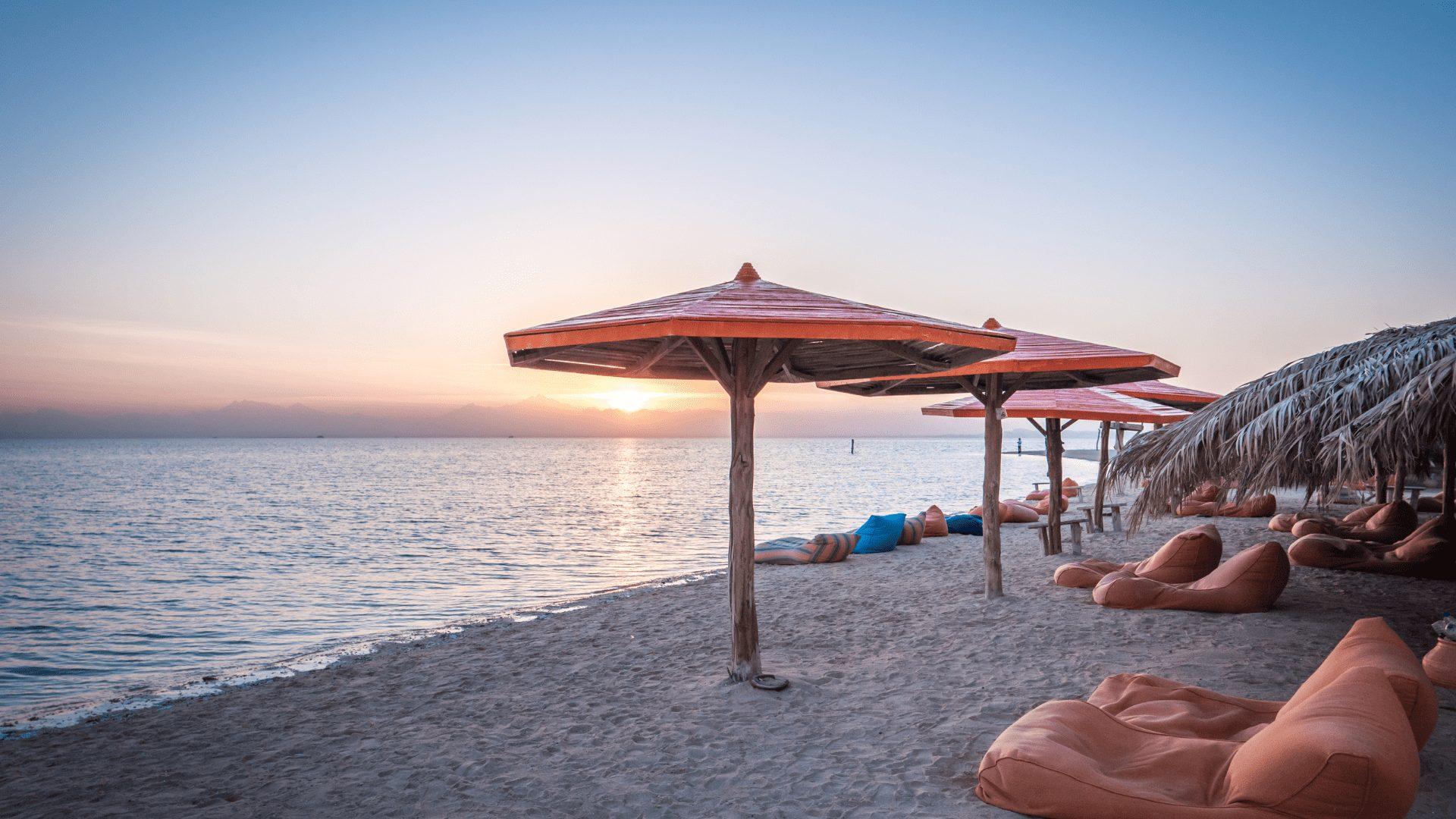
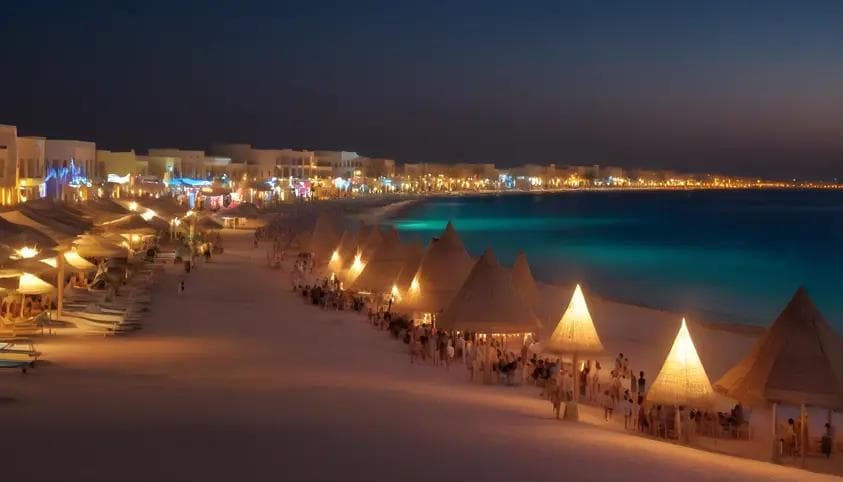
What sets it apart is the vibe. Where Sharm is built around large all-inclusive resorts and a busy nightlife strip, Dahab is low-rise, walkable and unpretentious. The heart of town is the **Mashraba** and **Assalah** waterfront promenade, a string of dive centers, low cushioned restaurants, juice bars and craft shops where you eat with your toes near the sand. It is the kind of place where days blur pleasantly into one another.
How to Get to Dahab
Dahab has no airport of its own, so almost everyone arrives via Sharm El-Sheikh International Airport (SSH).
### From Sharm El-Sheikh
The drive from Sharm airport to Dahab takes roughly 90 minutes along a good desert highway, passing a security checkpoint or two along the way. A private transfer is by far the easiest option, especially after a long flight, and removes the guesswork of finding onward transport in a place where taxis are not always waiting. A pre-booked Sharm airport transfer drops you straight at your hotel, while a Sharm-to-Dahab transfer is the natural choice if you are connecting between the two towns mid-trip.
### From Cairo
If you are coming from the capital, it is a long haul: roughly 8-9 hours by road. Most travelers prefer to fly Cairo to Sharm (about an hour) and transfer from there rather than take the overnight bus.
### Costs to budget
As of 2026, expect a private one-way transfer from Sharm airport to Dahab to run roughly USD 35-60 depending on vehicle and operator. Shared options exist but are slower and less reliable for late arrivals.
The Diving: Why Divers Come
Dahab is, above all, a diving town, and a big part of its appeal is that you can do world-class diving straight from the shore, no boat required for many of the best sites.
### The Blue Hole
The Blue Hole, about 10 km north of town, is Dahab's most famous dive site, a submarine sinkhole dropping over 100 meters. It has a fearsome reputation among technical divers, but recreational divers enjoy it safely by staying along the outer reef wall and the shallow "Bells" entry. The vivid coral and the sheer drop-off make it unforgettable. A relaxed shore dive here, with a Bedouin tea afterward at one of the cliffside cafes, is a classic Dahab day.
### The Canyon and Lighthouse
The Canyon, also north of town, is a dramatic underwater rift for more experienced divers. For beginners, the Lighthouse reef right in town is the main training site, calm and shallow with easy entry, which is exactly why Dahab is such a popular place to learn.
### Learning to dive
Dahab is one of the cheapest and most pleasant places in the world to get certified. As of 2026, an open-water certification course typically runs roughly USD 300-400 over three to four days, with plenty of reputable centers along the promenade. Always choose a well-reviewed center and confirm equipment quality before booking.
Freediving and Snorkeling
Dahab has become a global freediving hub thanks to the calm, deep, accessible water at the Blue Hole, and you will see breath-hold athletes training daily. Several schools offer beginner freediving courses if you want to try.
For those who would rather stay on the surface, the snorkeling is superb and free. The **Lighthouse**, the **Eel Garden** just north of town and the **Three Pools** all offer vibrant reef life a short swim from shore. Bring or rent a mask and fins and you can drift over coral gardens busy with butterflyfish, parrotfish and the occasional turtle.
Beyond the Water: Desert and Mountains
Dahab is also a launchpad into the Sinai interior. A jeep or camel trip to the **colored canyon** near Nuweiba is a popular half-day, with narrow sandstone walls glowing in bands of red, purple and gold. Many travelers also use Dahab as a base for the climb up **Mount Sinai** and a visit to **St Catherine's Monastery**, roughly a two-hour drive inland, often done as an overnight to catch sunrise from the summit.
Quad-biking in the desert, Bedouin dinners under the stars, and yoga retreats round out the on-land options. The mix of sea and desert in one small town is a big part of why people linger.
Where to Stay and What It Costs
Dahab skews budget and mid-range rather than luxury, which is part of its charm.
- **Budget**: simple guesthouses and dive-camp rooms from roughly USD 15-30 a night.
- **Mid-range**: comfortable boutique hotels and small resorts with pools, roughly USD 40-90 a night.
- **Higher-end**: a handful of nicer resorts run USD 100 plus, but Dahab is not a five-star town the way Sharm is.
Staying in or near Mashraba puts you in walking distance of the best cafes and dive centers. Light sleepers should ask for a room set back from the busiest stretch of promenade.
Eating, Drinking and the Famous Cafe Culture
The waterfront cafe culture is the soul of Dahab. You sit on cushions practically over the sea, order fresh fish, Egyptian mezze, smoothies and shisha, and watch the day go by. Fresh seafood, falafel, koshari and wood-fired pizza are all easy to find, and prices are gentle: a hearty meal at a waterfront restaurant might run roughly 150-300 EGP (about USD 3-6) per person.
Dahab is more relaxed than conservative Egypt elsewhere, but it is still a Bedouin town, so dress modestly away from the beach and ask before photographing local people. Alcohol is available in many tourist restaurants but is not the focus the way it is in Sharm's nightlife.
Getting Around and Staying Safe
Dahab is small enough that you can walk most of it, and the relaxed pace is genuinely part of the experience. Within town, short taxi or tuk-tuk hops cost just a few dollars; agree the fare before you get in, as meters are not used. To reach the Blue Hole or the Canyon, your dive center will arrange a pickup as part of the package, which is the simplest way to go.
Dahab is generally a safe, easygoing place where solo travelers and women report feeling comfortable, but a few sensible habits apply. The sun is fierce: a reef-safe high-SPF sunscreen, a hat and plenty of water are essential, and it is easy to underestimate dehydration when the dry desert air masks how much you are sweating. In the water, never dive beyond your certification at the Blue Hole, which has claimed lives precisely because people pushed past their limits; a good dive center will firmly hold you to safe depths. On land, watch your footing on the rocky entries and bring water shoes.
Money and Connectivity
Dahab runs largely on cash for small purchases, though many dive centers and mid-range hotels accept cards. There are ATMs along the main strip, but they occasionally run empty on weekends, so withdraw a buffer of Egyptian pounds when you find a working one. Mobile coverage in town is solid 4G on the main networks, so staying in touch and using maps is easy, though signal thins out on desert excursions inland. Tipping, known as baksheesh, is customary for dive guides, drivers and restaurant staff; rounding up generously is appreciated and inexpensive.
When to Go
The Red Sea is a year-round destination, but the shoulder seasons are the sweet spot.
- **Spring (March to May)** and **autumn (September to November)**: warm, comfortable air and excellent water temperatures, the best all-around months.
- **Summer (June to August)**: very hot on land, often well above 35 C, though the water is gloriously warm and the diving is still good if you can handle the heat.
- **Winter (December to February)**: mild and pleasant by day, cooler evenings, and you will want a wetsuit in the water, but it is quiet and prices dip.
How Long to Stay and Insider Tips
Most people who plan three days in Dahab wish they had booked a week. For a relaxed mix of diving and downtime, **four to five nights** is a sweet spot; divers doing a certification need at least four days.
- **Insider tip 1**: walk or rent a bike rather than relying on taxis; the town is compact and far more charming on foot.
- **Insider tip 2**: carry small cash. Many cafes and smaller dive shops prefer Egyptian pounds, and ATMs occasionally run dry.
Planning Your Trip
Dahab rewards travelers who slow down, and the easiest way to protect that calm is to sort your logistics in advance so you are not haggling at a roadside after a long flight. Lock in a private Sharm airport transfer to glide from the plane straight to the promenade, and use a Sharm-to-Dahab transfer if your itinerary moves between the two. With the driving sorted, all that is left is to pick a cushioned cafe, book a dive and let Dahab work its slow, golden magic.