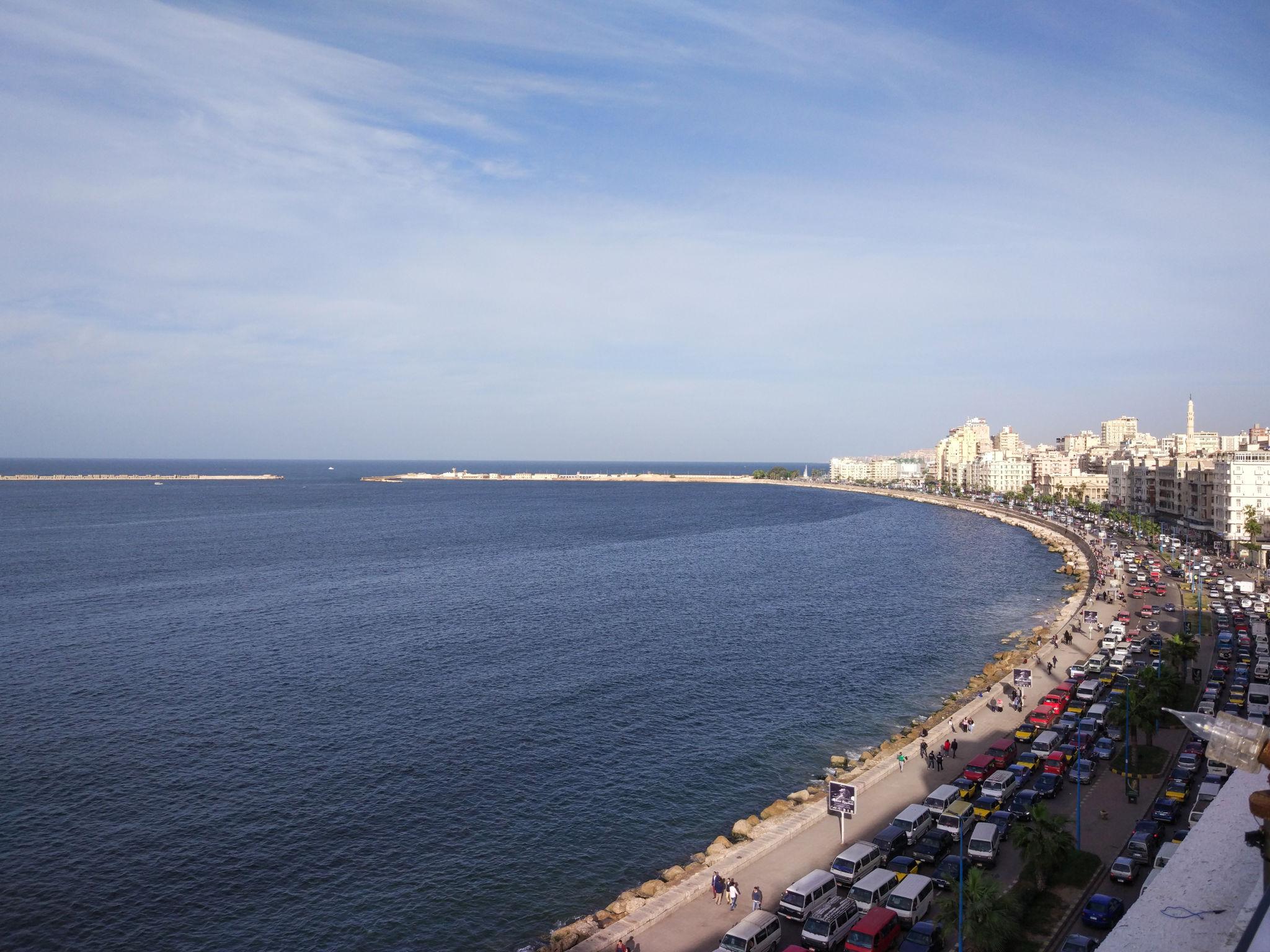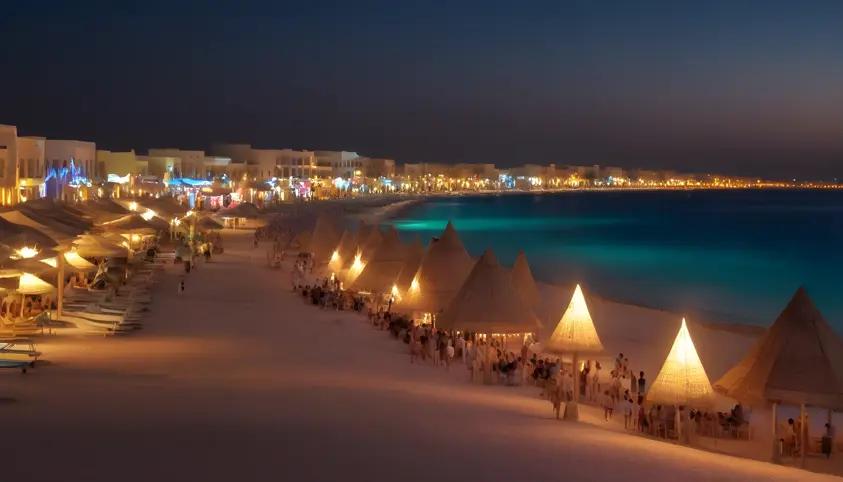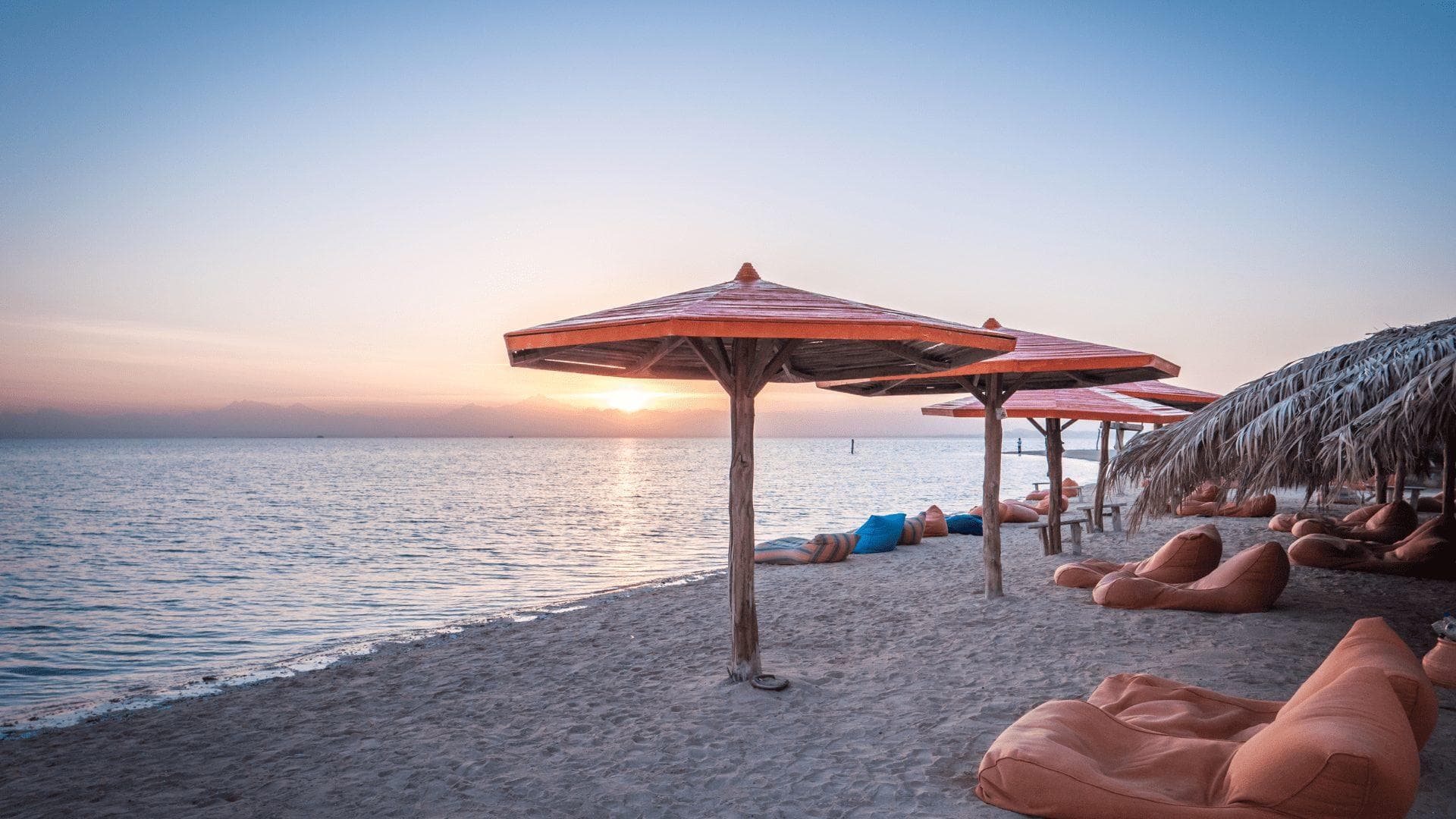
Stretched along roughly 40 kilometres of the Egyptian Red Sea coast, Hurghada has grown from a sleepy fishing village in the 1980s into the country's busiest beach-resort hub. It is loud, sun-drenched, deeply affordable and built almost entirely around one thing: the warm, fish-filled water on its doorstep. This guide covers when to come, what it costs in 2026, where to stay and how to get out onto (and under) the famous reefs.
Why Hurghada?
Hurghada's appeal is simple. You get reliable sunshine roughly 300 days a year, water temperatures that rarely drop below 21°C even in winter, and some of the most accessible coral reefs anywhere, all at prices that undercut almost every Mediterranean or Caribbean alternative. A week of all-inclusive sun here can cost a fraction of comparable European resorts.
It is not a place to come for old-town charm or quiet authenticity. Hurghada is unapologetically a resort town, sprawling and modern, organised around hotel compounds, dive centres and marinas. What it does brilliantly is package warm-water diving, snorkelling and beach time into an easy, low-stress holiday, with Luxor's pharaonic wonders just a few hours' drive inland for those who want culture too.
A Quick Orientation
The town divides into three broad zones, and knowing them helps enormously when booking.
### El Dahar (the old town)
The oldest and most "Egyptian" part of Hurghada, El Dahar sits at the northern end. Here you will find the traditional souk, cheaper local restaurants, the main mosque and budget hotels. It is the place to feel everyday Egyptian life rather than resort life.
### Sekalla (downtown)
The central strip, packed with bars, fast food, dive shops, cheap eats and nightlife. Sekalla is where independent and younger travellers tend to base themselves, and where the famous (and aggressive) souvenir touts operate.
### El Mamsha and the resort strip south
The modern marina promenade (El Mamsha) and the long line of large all-inclusive resorts running south toward Sahl Hasheesh and Makadi Bay. This is where most package tourists stay, in self-contained compounds with private beaches and house reefs.
When to Visit
Hurghada is a year-round destination, but the experience shifts with the seasons.
- **March to May and September to November** are the sweet spot: air temperatures around 25–32°C, warm sea and fewer of the summer extremes. These shoulder months are ideal for diving and snorkelling.
- **June to August** is peak heat, with daytime temperatures frequently topping 38–42°C. The sea is at its warmest (around 28°C) and prices on flights can spike, but midday outdoor activity becomes punishing.
- **December to February** is mild and pleasant on land (around 20–23°C by day, cooler at night) and the cheapest time to fly. The sea hovers near 21–22°C, comfortable for diving in a wetsuit but a little brisk for casual swimmers. Winter winds can also kick up and occasionally cancel boat trips.
For the best balance of warm water, manageable heat and reasonable prices, aim for late March to early May, or October.
The Reefs and Diving
This is the real reason most people come. The reefs off Hurghada are part of a vast, healthy Red Sea ecosystem, with hard and soft corals, reef sharks, turtles, moray eels, lionfish and clouds of anthias.
### Best dive and snorkel sites
- **Giftun Islands** (Big and Small Giftun): the most popular day-trip reefs, around 45–60 minutes by boat, with sandy lagoons and excellent snorkelling at sites like Mahmya.
- **Abu Ramada** ("the Aquarium"): a vibrant reef south of Giftun, superb for both divers and snorkellers.
- **Shaab El Erg**: a horseshoe reef famous for resident dolphins.
- **Carless Reef and Umm Gamar**: deeper sites better suited to certified divers.
### Costs (as of 2026, roughly)
As of 2026, a typical day boat trip with two dives and lunch runs around 1,400–2,200 EGP (roughly 28–45 USD), including equipment. A single shore or boat dive is often 600–900 EGP. A four-day PADI Open Water certification course typically costs 9,000–14,000 EGP (around 185–290 USD). Snorkelling boat trips, often combined with island stops, start around 800–1,400 EGP (16–28 USD) per person including lunch. Always confirm whether park fees and the marine-park entrance to the Giftun area (a small per-person daily charge) are included.
### A note on quality and ethics
Choose a reputable, well-reviewed dive centre. The cheapest mega-boat snorkel trips can be crowded, and some operators allow guests to stand on or touch coral, which is damaging and, in protected zones, illegal. A slightly pricier small-group operator is worth it.
Beaches and Water Sports
Most of Hurghada's good beaches are inside resort compounds; truly public stretches in town are limited and modest. If you are not staying at a beach resort, you can usually buy a day pass to a hotel beach for around 300–700 EGP (6–14 USD), often including a sunbed, towel and sometimes lunch.
Beyond diving, Hurghada is a strong destination for **kitesurfing and windsurfing**, especially in the consistent afternoon winds; the bays south of town and El Gouna nearby are hubs. Parasailing, banana boats, glass-bottom boats and submarine trips round out the menu.
Day Trips from Hurghada
### Luxor
The single most rewarding excursion. Luxor, the ancient Thebes, lies about 280–300 km west, a drive of roughly four to four and a half hours each way. A long day trip covers the Valley of the Kings, the Temple of Hatshepsut, the Colossi of Memnon and Karnak Temple. It is a punishing amount of driving for one day; if you can, stay overnight. A private transfer is far more comfortable than a crowded group bus, and you can explore the Luxor sites at your own pace.
### Cairo and the Pyramids
Cairo is around 450 km north, roughly five to six hours by road, so most visitors fly (about an hour) or take an overnight trip. Doing the Pyramids of Giza and the Egyptian Museum as a single day return by car from Hurghada is exhausting and not recommended.
### Desert safaris
Quad-bike and 4x4 desert safaris into the Eastern Desert are hugely popular half-day or evening trips, usually including a Bedouin camp, camel ride, dinner and a star show. Expect to pay around 800–1,500 EGP (16–30 USD). They are touristy but fun at sunset.
### Orange Bay and island days
Boat trips to Orange Bay (Giftun) and Mahmya beach club are classic full-day outings, combining sailing, snorkelling stops and time on white-sand spits.
Getting There and Around
### Arriving
Hurghada International Airport (HRG) sits just a few kilometres from the southern resort strip and receives direct charter and scheduled flights from across Europe. From the terminal, prearranged transfers are the smoothest option; booking a fixed-price Hurghada airport transfer avoids the taxi haggling that greets new arrivals.
### Getting around town
- **Taxis** are plentiful but rarely use meters; agree the fare first. Short hops in town are around 50–100 EGP.
- **Microbuses** (shared minivans) run the main coastal road for a few pounds and are the local way to travel.
- **Uber/Careful**: ride-hailing coverage is patchy in Hurghada compared with Cairo; many people rely on hotel cars or pre-booked drivers.
### Onward to Luxor
If you are combining beach and culture, a private Hurghada to Luxor transfer is the easiest way to bridge the Red Sea coast and the Nile, with the flexibility to stop along the way.
Money, Costs and Scams
Hurghada is genuinely cheap by international standards. A casual local meal runs 80–200 EGP; a sit-down restaurant dinner with drinks 300–600 EGP; a large beer 60–120 EGP. All-inclusive resort packages mean many visitors barely spend on site.
Be aware of the classic resort-town hustles: "free" gifts that become demands for payment, overpriced "papyrus" and "essential oils" (often fakes), inflated taxi fares and aggressive bazaar touts in Sekalla. A firm, friendly "la, shukran" (no, thank you) and walking on usually does the trick. Carry small notes; change can be a deliberately slow negotiation.
Practical Tips and Etiquette
- **Dress** is relaxed inside resorts (swimwear at the pool and beach), but cover shoulders and knees in the old town, the souk and any mosque.
- **Tap water** is not for drinking; stick to bottled.
- **Reef-safe sunscreen** is strongly encouraged to protect the corals.
- **Tipping (baksheesh)** is woven into daily life: a few pounds for porters, 10% in restaurants, a tip for boat crews.
- **Friday** is the main prayer day; some local businesses close midday.
**Insider tip 1:** Book reef trips through your dive centre rather than street agents, and ask specifically for smaller boats and quieter sites like Abu Ramada over the packed Giftun standards. **Insider tip 2:** If you only have one "culture" day, spend it on an overnight Luxor trip rather than a brutal same-day round trip.
Planning Your Trip
Hurghada works best as a relaxed base for sun, sea and diving, with one or two big excursions inland for contrast. To get started smoothly, arrange a fixed-price Hurghada airport transfer so your holiday begins without the arrivals-hall scramble, and read more about the wider Red Sea coast to decide whether Hurghada, El Gouna or somewhere quieter suits you best. If pharaonic Egypt is calling, a Hurghada to Luxor transfer pairs beach time with the Valley of the Kings in one trip.