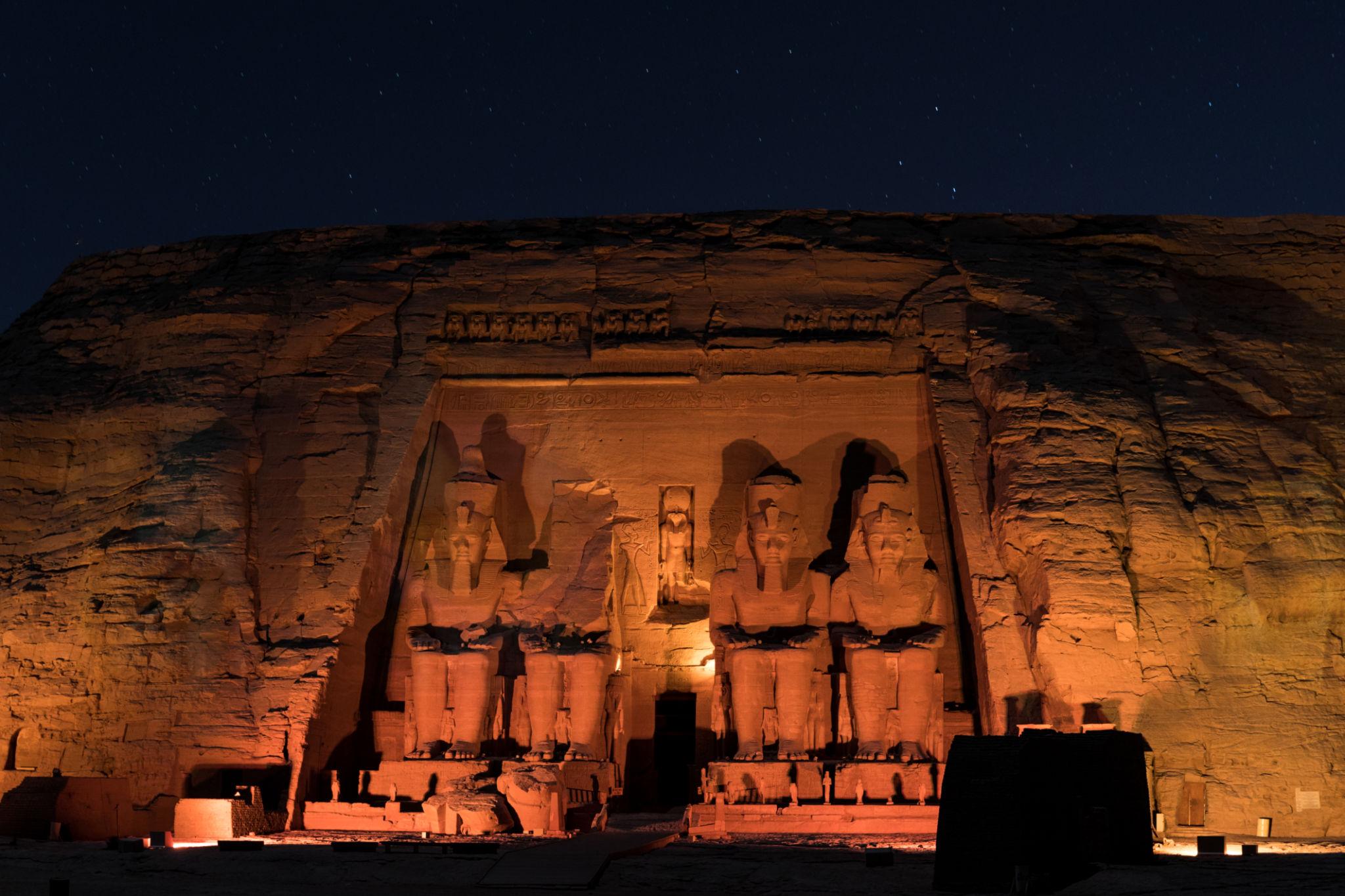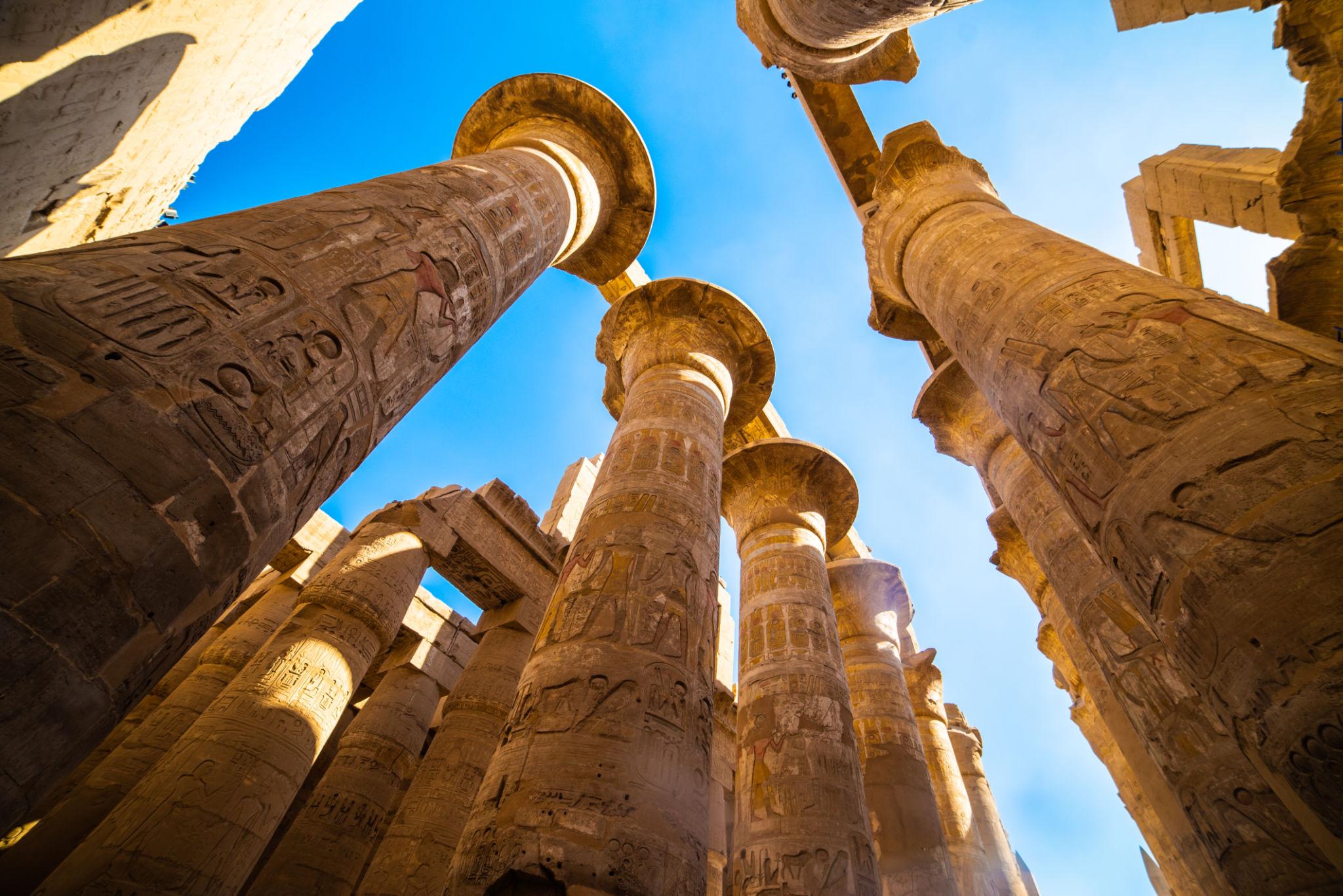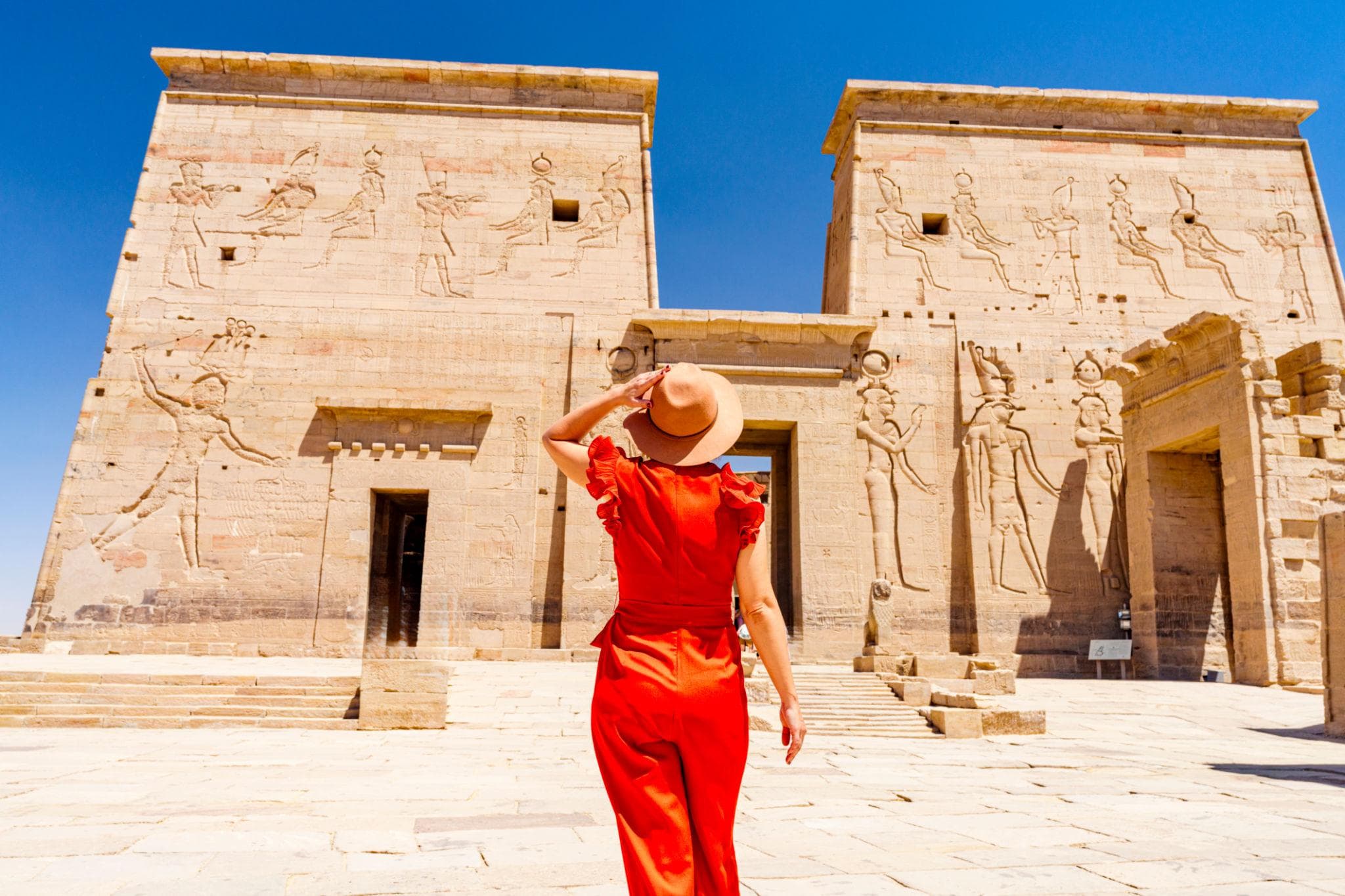
Philae Temple is one of Egypt's most beautiful ancient sites — an elegant Ptolemaic temple dedicated to the goddess Isis, set on a lush green island surrounded by the deep blue waters of the Nile near Aswan. Reaching it by motorboat across the river adds a sense of pilgrimage that few other temples can match.
History
The temple complex was primarily built during the Ptolemaic period (305-30 BC), though the site had been sacred to Isis long before. The main temple was started by Ptolemy II and expanded by successive rulers, including several Roman emperors. Philae was one of the last places in Egypt where the ancient religion was practiced — pagan worship continued here until 537 AD, over a century after Christianity became the official religion.
The temple walls contain some of the last hieroglyphic inscriptions ever carved, including the famous "Graffito of Esmet-Akhom" dated to 394 AD — the last known hieroglyphic text in history.
The UNESCO Rescue
Like Abu Simbel, Philae was threatened by the Aswan High Dam. The original island of Philae was permanently flooded by Lake Nasser. Between 1972 and 1980, UNESCO coordinated the dismantling of the entire temple complex and its reassembly on the nearby higher island of Agilkia, which was landscaped to match the original island's topography. The rescue preserved every column, relief, and courtyard.
What to See
The First Pylon: The massive entrance gateway features reliefs of Ptolemy XII smiting enemies before Isis and Horus — a classic pharaonic motif adopted by Greek rulers to legitimize their authority.
The Hypostyle Hall: Ten columns with elaborately carved floral capitals support the roof. The walls show Roman emperors (Tiberius and Augustus) making offerings to Egyptian gods — a fascinating cultural fusion.
The Inner Sanctuary: The holy of holies where the sacred statue of Isis was housed. The granite shrine that held the statue still stands in place. The reliefs here show Isis nursing her son Horus — an image that some scholars believe influenced early Christian depictions of the Madonna and Child.
The Kiosk of Trajan: This elegant, open-air pavilion with 14 columns and screen walls has become the symbol of Philae. It was likely used as a way-station for the sacred barque during festivals. Its image appears on countless postcards and paintings.
The Temple of Hathor: A smaller temple south of the main complex, dedicated to Hathor. The reliefs show musicians and dancers — rare secular scenes in an otherwise religious complex.
Sound and Light Show
Philae's evening Sound and Light show is widely considered the best in Egypt. The audience walks through the illuminated temple as narration tells the story of Isis and Osiris. The reflections on the surrounding water create a magical atmosphere. Shows are held nightly in multiple languages — check the schedule at your hotel.
Practical Information
Boats to Philae depart from the dock at the Aswan Low Dam. The boat ride takes about 10 minutes. Agree on a round-trip price before boarding (200-300 EGP for a private boat, or share with other visitors for less). Entry to the temple is 200 EGP.
The temple is a key stop on our Nile Cruise: Luxor to Aswan and is included in the 5 Days Cairo, Luxor & Abu Simbel Tour. Best visited in the morning or late afternoon for the best light and smallest crowds.
Tips
Bring a hat and water — the island has limited shade. The interior is well-preserved and cool. Photography is allowed throughout. Allow 1.5-2 hours for a thorough visit. The gift shop near the boat dock sells decent replicas and books. A knowledgeable guide is essential here — the temple's history spans Pharaonic, Ptolemaic, Roman, and Christian periods, and the layered symbolism is complex.