Egypt rewards travelers who slow down, and luxury here is less about gold leaf than about access, space, and time: a private guide who can read hieroglyphs to you in an empty tomb, a sun deck on a small ship instead of a crowded bus, and someone else handling every transfer and ticket. This guide breaks down what genuine luxury travel in Egypt looks like in 2026, what it realistically costs, and where the premium actually pays off.
What "Luxury" Really Means in Egypt
In Egypt, the most valuable upgrades are rarely the obvious ones. A marble bathroom is nice; a private licensed Egyptologist who clears a tomb of crowds and stays with you for ten days is transformative. The three things worth paying for, in order, are people (private guides and drivers), pacing (small groups or private departures), and access (early entry, special tickets, the right cabin or room).
Expect a well-run private, fully-guided trip to land somewhere around **USD 350–800 per person per day** (roughly EGP 17,000–39,000 as of 2026, at about 49 EGP to the dollar), excluding international flights. The low end covers excellent four- and five-star hotels with private guiding; the high end buys chartered dahabiyas, suites at landmark properties, and domestic business-class or private aviation.
Five-Star Nile Cruises: The Heart of a Luxury Trip
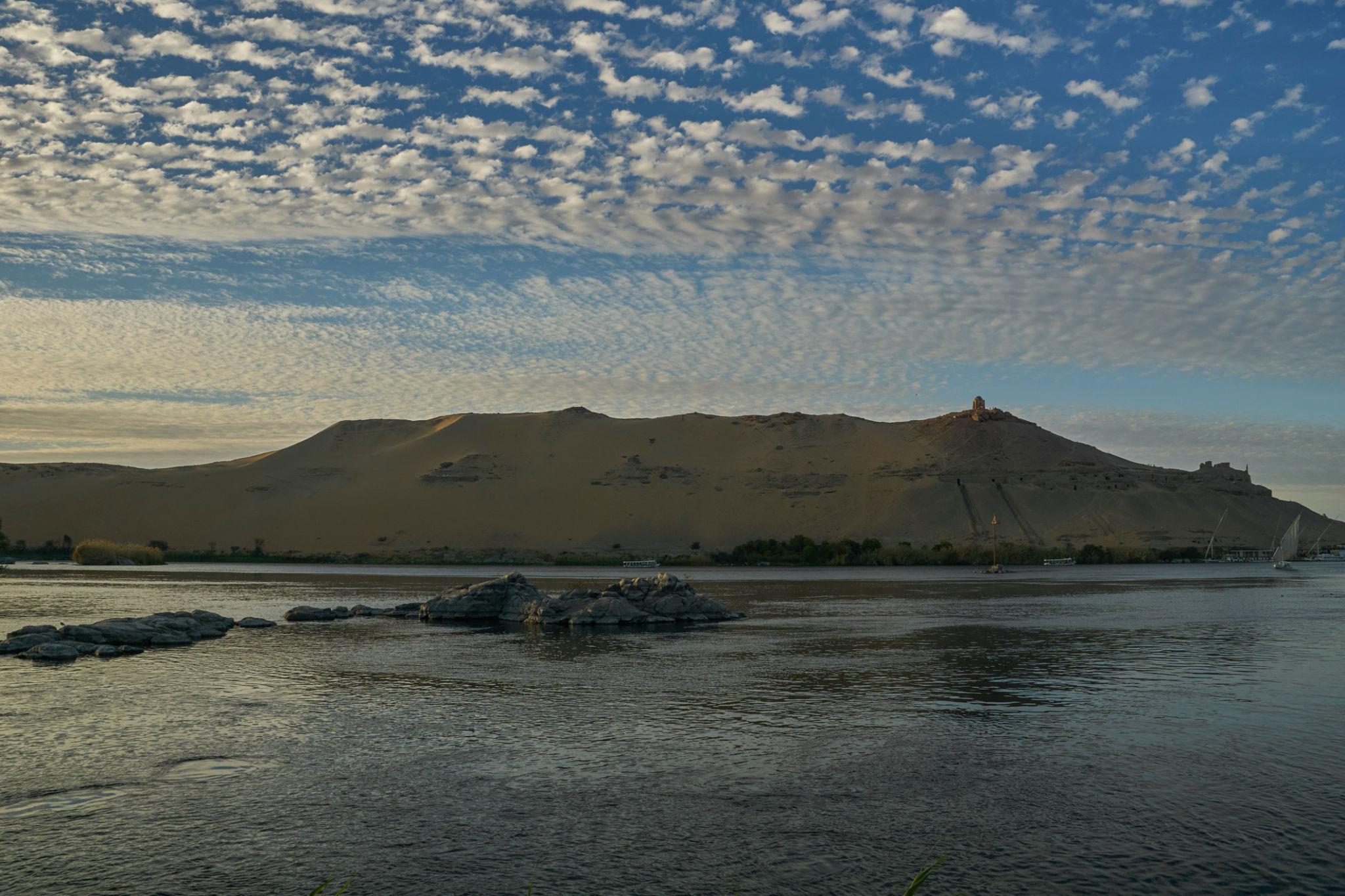
The Nile between Luxor and Aswan is the spine of almost every high-end Egypt itinerary, and the cruise is where comfort matters most because you are aboard for three to four nights.
### Large Five-Star Cruisers
The big floating hotels carry 60–160 guests across four or five decks, with pools, spas, and panoramic dining. Standard cabins run roughly **15–18 m²** with floor-to-ceiling windows; suites add a private balcony. A 4-night Luxor–Aswan sailing on a top-tier vessel typically costs **USD 1,200–2,500 per person** in 2026, full board. The trade-off: dozens of these ships dock together, so temple visits can coincide with the crowd.
### Dahabiyas: The Connoisseur's Choice
A dahabiya is a twin-masted sailing boat carrying just 8–20 guests in 4–10 cabins. Because they are small and partly wind-powered, they anchor at quiet islands and sandbanks the big ships cannot reach, and the pace is genuinely slow. Expect **USD 400–900 per person per night**, often with a near 1:1 crew-to-guest ratio, a private chef, and butler service. A typical dahabiya itinerary runs Esna to Aswan over five to seven nights.
### What to Look For
Ask about the direction of travel (Luxor-to-Aswan sails upstream and is usually calmer on arrival), the exact ship (not just the brand), the deck and cabin location (mid-ship, upper deck = quieter, better views), and whether shore excursions are private or group. On any cruise, confirm that an Egyptologist sails with you rather than meeting the boat at each stop.
Private Guides and Egyptologists
This is the single best upgrade in Egypt. A licensed private Egyptologist (look for the credential from the Ministry of Tourism and Antiquities) turns a confusing wall of carvings into a story. Private guiding typically adds **USD 80–180 per day** for the guide plus a separate car and driver, and it buys flexibility: linger in the Tomb of Nefertari, skip what bores you, and avoid the rigid timing of a coach.
Insider tip: request the same guide for your whole trip when possible. Continuity means they tailor each day to your interests, and the storytelling builds across sites.
Special Access and Early Entry
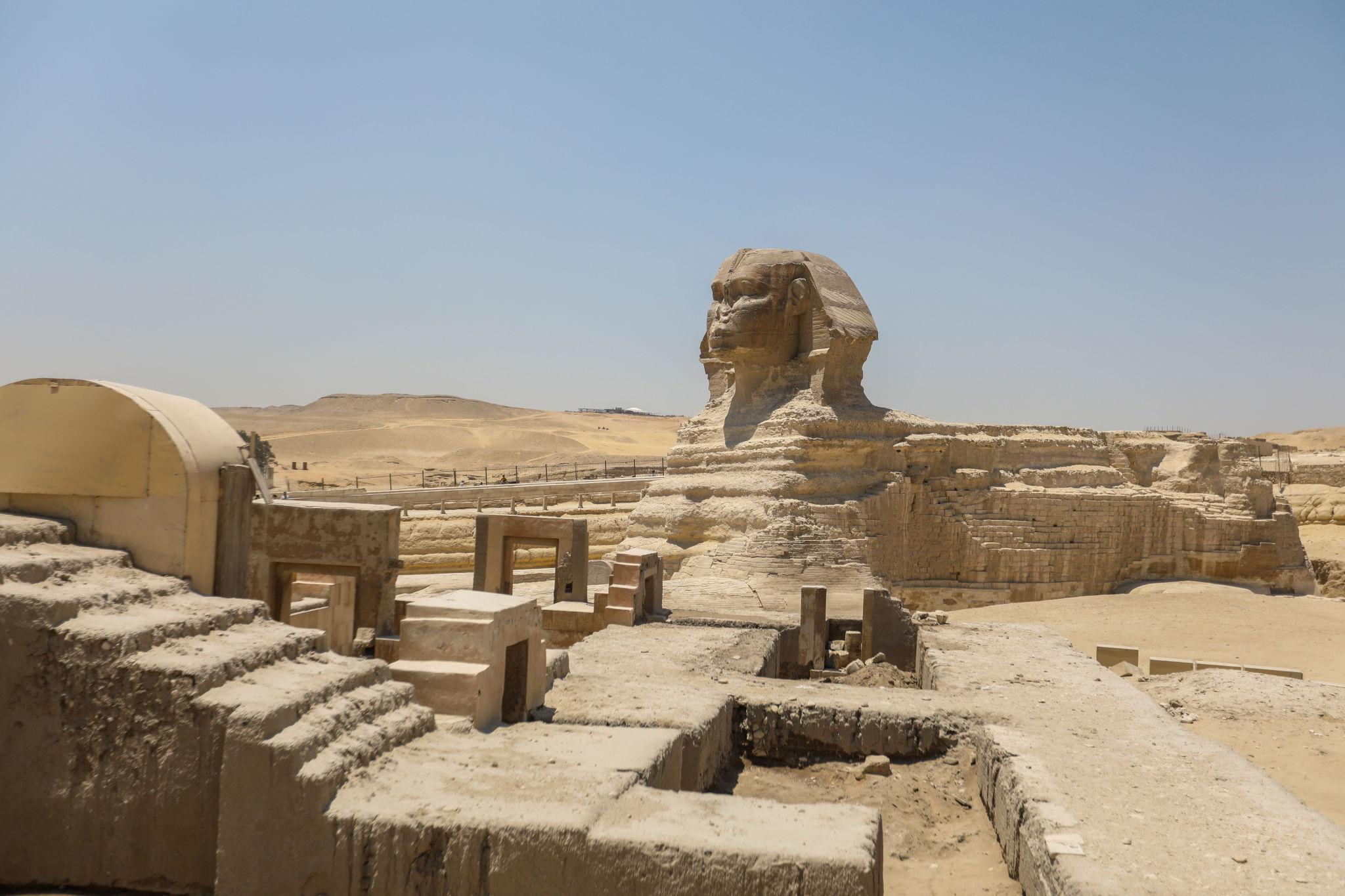
The difference between a good day and a great one in Egypt is often a single hour. The Valley of the Kings opens around 6:00 am and the first ninety minutes are dramatically quieter than mid-morning, when cruise groups arrive in waves. A luxury operator schedules you at opening, books the supplementary tombs worth the extra ticket (Tutankhamun, Seti I, and Nefertari each carry their own charge, the last typically the priciest single tomb in Egypt), and rotates your route to avoid the bottlenecks. At the Giza Plateau, paying for entry inside the Great Pyramid (a separate, capped daily ticket) buys a claustrophobic but unforgettable climb to the King's Chamber. The Grand Egyptian Museum near the plateau, with its vast Tutankhamun galleries and the grand staircase of statues, deserves a half day with a guide rather than a rushed hour. Ask your operator which special-access options are genuinely available in your travel window, as some rotate for conservation.
Dining and the Culinary Side of Luxury
Food is an underrated luxury in Egypt. Five-star cruises and hotels serve generous buffets, but the memorable meals are the arranged ones: a private chef's table on a dahabiya, a rooftop dinner with the floodlit Karnak in view, or a set-up on a sandbank island reachable only by small boat. Expect refined Egyptian and Levantine cooking, fresh-grilled Nile perch, mezze, and slow-cooked tagines. A high-end private dinner ashore typically runs **USD 40–90 per person**, far less than equivalent dining in Europe. For something local, ask your guide to arrange a home-style Nubian lunch in Aswan, often a trip highlight and a fraction of hotel prices.
Where to Stay: Landmark Hotels
Luxury hotels in Egypt range from historic palaces to sleek modern towers.
### Cairo
In Cairo, the choice is between Nile-front high-rises with pyramid-view rooms and quieter heritage options. Five-star rooms run roughly **USD 200–500 per night**; signature suites far more. For the iconic experience, a property with direct Giza Plateau views lets you watch the pyramids at sunset from your terrace.
### Luxor and Aswan
Luxor's grand old hotels carry genuine history; Aswan's most famous palace hotel sits on a bluff above the river with views to Elephantine Island and is worth a sunset drink even if you stay elsewhere. Expect **USD 250–600 per night** for the best rooms.
Getting Around in Comfort
Egypt's distances are large, so transport choices shape the trip. Cairo to Luxor is about 650 km; the domestic flight takes roughly 1 hour 15 minutes versus 9–10 hours by road. Luxor to Aswan is about 215 km, three to four hours by car or a short flight. For details on options, see our guide to getting around Egypt.
- **Domestic flights**: book business class on the national carrier for lounge access and priority; fares vary widely but plan for a premium over economy.
- **Private vehicles**: a modern SUV with a professional driver is the default for transfers and day trips; insist on seatbelts and air conditioning.
- **Private aviation and Nile flights to Abu Simbel**: a worthwhile splurge to avoid the long desert drive from Aswan (about 280 km each way).
Abu Simbel in Style
The twin temples of Ramesses II and Nefertari are unmissable, but the standard visit means a pre-dawn convoy or an early flight. The luxury approach is a private early flight from Aswan (roughly 45 minutes), arriving before the day-trip crowds, with a private guide on site. Allow at least 90 minutes at the temples. The Great Temple's interior, with its 30-meter-deep hall and colossal Osiride pillars, deserves unhurried time.
Costs, Tipping, and What to Budget
Beyond the headline trip price, budget for the realities:
- **Tipping (baksheesh)** is woven into Egyptian service culture. Plan roughly **USD 10–15 per day per traveler** for your guide, **USD 5–10** for your driver, and a pooled tip for cruise crew (often **USD 8–12 per person per day**).
- **Photography fees**: most sites are included in entry, but some tombs and the use of certain cameras carry extra charges. Photography inside the Tutankhamun and Seti I tombs, for example, may require a separate ticket.
- **Entry tickets** are usually included in a private package; standalone, major sites run from a few hundred to over a thousand EGP each.
A realistic all-in figure for a polished 8–10 day private trip with a five-star cruise is **USD 4,500–9,000 per person**, before international airfare.
Common Mistakes That Undermine a Luxury Trip
Even a generous budget gets wasted by avoidable errors. Read our full list of Egypt travel mistakes to avoid, but the luxury-specific ones are: overpacking the itinerary so you are exhausted, choosing a ship by price alone rather than by cabin and route, skipping a private guide to save money (the worst false economy), and visiting in the wrong season. The best months are **October to April**, when daytime temperatures are pleasant; June through August can exceed 40°C in Upper Egypt.
Avoiding Scams and Hassle
Genuine luxury in Egypt largely means never having to deal with the hassle yourself, but it helps to understand what you are being insulated from. Around major sites, freelance "guides," camel touts, and unsolicited helpers expect payment for anything they do, including taking your photo or pointing you to an entrance. A pre-arranged private guide and driver removes almost all of this, because you arrive with someone who handles vendors and steers you past the pressure. In bazaars, prices are negotiable and the first quote is usually several times fair value; a fixed-price hotel boutique trades a markup for peace of mind. Carry small EGP notes for tips and washrooms, agree any extra car stops in advance, and never hand your passport to anyone other than official hotel reception or airport staff.
Accessibility and Slower-Paced Travel
Many ancient sites involve uneven ground, steps, and tomb shafts, but a luxury trip can be adapted. Private guiding lets you set the pace, choose step-free routes, and substitute sites. Some larger cruisers have elevators; most dahabiyas do not. If mobility is a concern, raise it early so the operator can select the right ship, hotels with proper lifts, and a vehicle with easy access.
Planning Your Five-Star Egypt Trip
The smoothest way to combine all of this is a fully private, guided itinerary that pairs Cairo and the pyramids with a premium sailing south. Our Nile Cruise from Luxor to Aswan delivers the cruise core, while the 5-Day Cairo, Luxor and Abu Simbel tour bundles the must-see highlights into a tightly run, private experience. Tell your planner your priorities, fix a budget per day, and let the access, pacing, and people do the rest.