Ten days is the sweet spot for a first trip to Egypt. It is long enough to see the headline monuments without rushing, yet short enough to fit a standard holiday allowance. This itinerary balances the dense museums and pyramids of Cairo, a relaxed Nile cruise through Upper Egypt, the unmissable temples of Abu Simbel, and a couple of decompression days on the Red Sea before you fly home.
How This Itinerary Works
The plan below moves roughly south, then east: two full days in Cairo, an internal flight to Luxor, a three- or four-night Nile cruise down to Aswan, a side trip to Abu Simbel, then a flight to the Red Sea coast for two slower days. You finish with a final night near the airport. It is built around early starts (Egypt's heat and crowds both peak after 10 a.m.) and uses domestic flights to avoid long overland drives.
Budget roughly. A mid-range version of this trip, as of 2026, lands around 1,400 to 2,200 USD per person excluding international flights, covering three- and four-star hotels, a standard cruise cabin, private guiding for the big sites, domestic flights, and most transfers. Backpackers can do it for far less; luxury travelers can easily triple it.
### Best time to go
October through April is ideal, with December and January busiest (and Luxor temperatures pleasant in the low 20s C). May to September is hot, with Aswan and Abu Simbel regularly above 40 C by midday, though hotels and Nile breezes make it manageable if you start at dawn.
Day 1: Arrive in Cairo
Fly into Cairo International Airport. A pre-arranged private transfer (roughly 15 to 25 USD) is far less stressful than haggling with taxi touts after a long flight. Most visitors get the Egypt e-visa online in advance (about 25 USD), or buy the visa-on-arrival sticker at the bank kiosk before passport control, also around 25 USD, cash.
Spend the evening gently. Stay in Cairo either near the pyramids in Giza, where several hotel rooftops frame the monuments, or in Zamalek, a leafy island district with good restaurants. Don't over-plan the first night; jet lag is real and tomorrow is long.
Day 2: The Giza Pyramids and the Sphinx
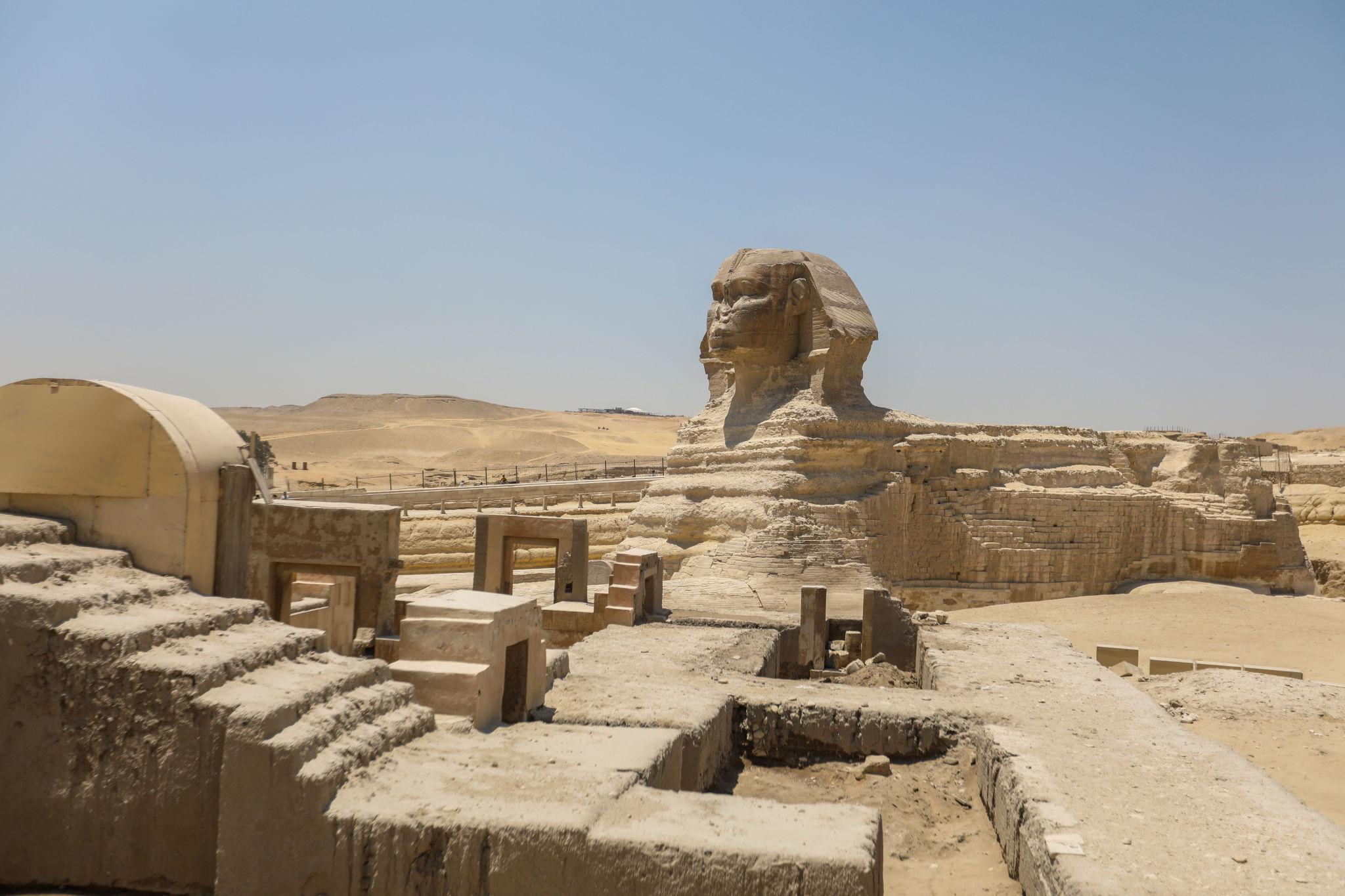
Start at the Giza plateau when it opens at 8 a.m. The general entry ticket is around 700 EGP (roughly 14 USD as of 2026, though Egypt revises antiquities prices regularly). Going inside the Great Pyramid of Khufu costs a separate ticket of about 900 EGP; it is a hot, stooped, claustrophobic climb up a narrow gallery to a bare granite chamber, so skip it if you are at all unsure. The smaller Pyramid of Menkaure interior is cheaper and quieter.
### What to prioritize
Walk down to the panorama point for the classic three-pyramids photo, visit the Sphinx and the Valley Temple beside it, and consider the separate Solar Boat. A camel or horse ride is atmospheric but a notorious haggling minefield; agree the total price and duration in writing before mounting, expect to tip, and never hand over your ticket or phone.
In the afternoon, head to the Grand Egyptian Museum near the plateau, which now houses Tutankhamun's complete treasures. Allow at least three hours; tickets run around 1,200 EGP for foreign adults.
Day 3: Old Cairo and Islamic Cairo
Give Cairo its non-pharaonic day. Begin in Coptic Cairo with the Hanging Church and the Coptic Museum, then move to the medieval Islamic core: the Citadel of Saladin with the Alabaster Mosque of Muhammad Ali (entry about 450 EGP), and the bustling Khan el-Khalili bazaar for lunch and souvenirs. Haggle hard here; opening prices are often triple the fair value.
In the late afternoon, transfer to the airport for the roughly 75-minute domestic flight to Luxor (book early; one-way fares are typically 60 to 130 USD). Overnight in Luxor.
Day 4: Luxor's East Bank
Luxor is the open-air museum of ancient Thebes. On the east bank, visit Karnak Temple early, the largest religious complex ever built, where the Great Hypostyle Hall's 134 giant columns are genuinely overwhelming. Entry is around 600 EGP. In the late afternoon, the smaller, elegant Luxor Temple glows beautifully and stays open into the evening for floodlit photos.
### Insider tip
Buy bottled water before you start, wear a hat, and pace your sightseeing across the cooler ends of the day. Mornings before 10 a.m. and the last two hours before closing are both quieter and cooler than midday.
Day 5: Luxor's West Bank and Board Your Cruise
Cross to the west bank at dawn for the Valley of the Kings, the royal necropolis. The standard ticket (around 750 EGP) admits you to three tombs; KV62 (Tutankhamun), the long Seti I tomb, and the Nefertari tomb in the nearby Valley of the Queens each require pricier separate tickets but reward the splurge. Photography inside generally needs a paid permit, so check at the gate.
Add the towering mortuary temple of Hatshepsut and the Colossi of Memnon, then board your Nile cruise ship in the afternoon. Most three- and four-night cruises sailing south to Aswan depart Luxor on this kind of schedule.
Day 6: Sailing to Edfu and Kom Ombo
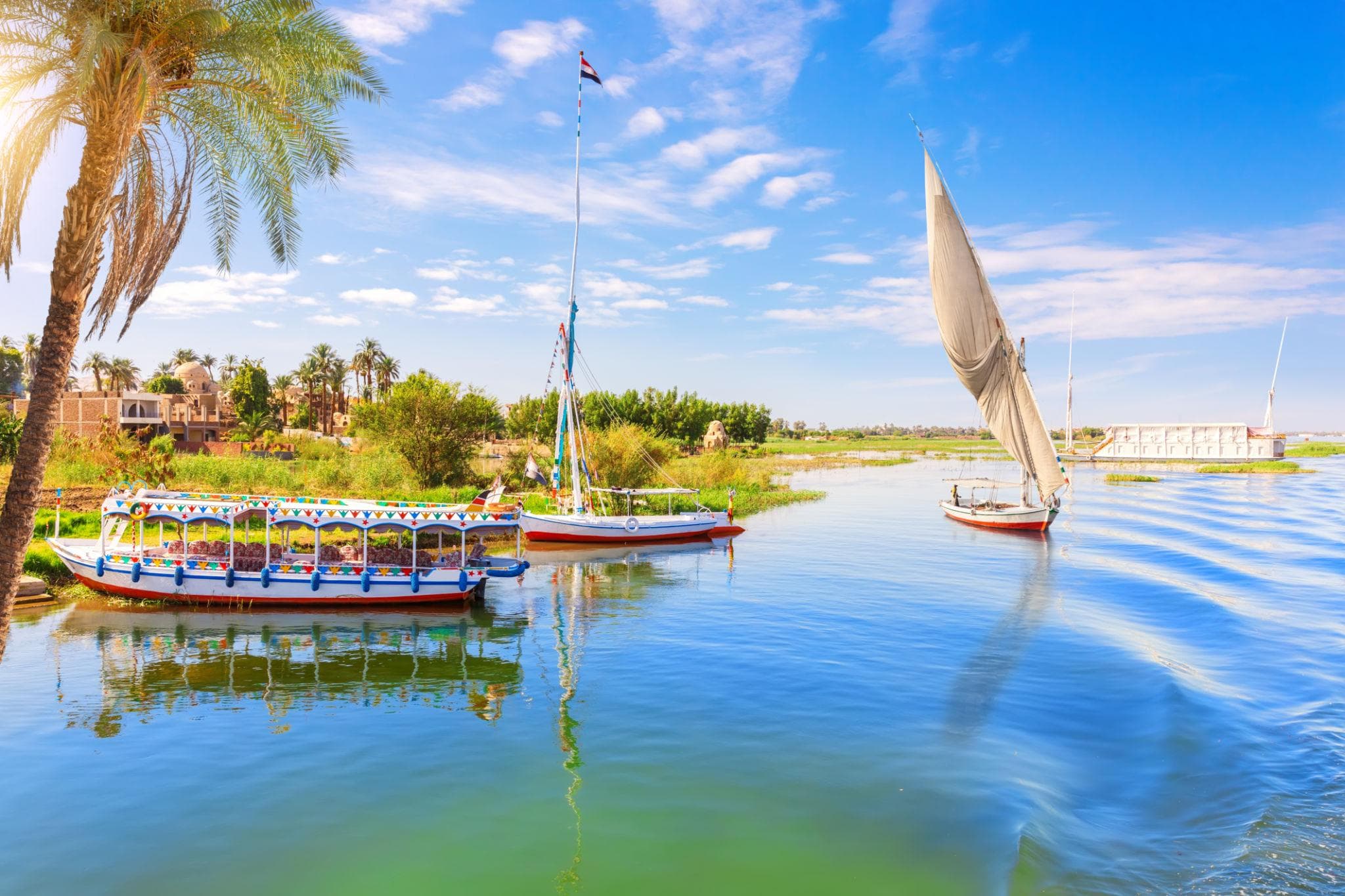
Cruising is the most relaxing part of any Egypt trip. Today the boat sails slowly upstream while you watch farmers, fishermen, and palm villages drift past from the sundeck. You will stop at the remarkably well-preserved Temple of Horus at Edfu (often reached by horse-drawn caleche from the dock) and, toward sunset, the unusual double Temple of Kom Ombo dedicated to two gods and home to a small crocodile museum. Most site entries are bundled into the cruise package, but confirm what is included.
Day 7: Aswan
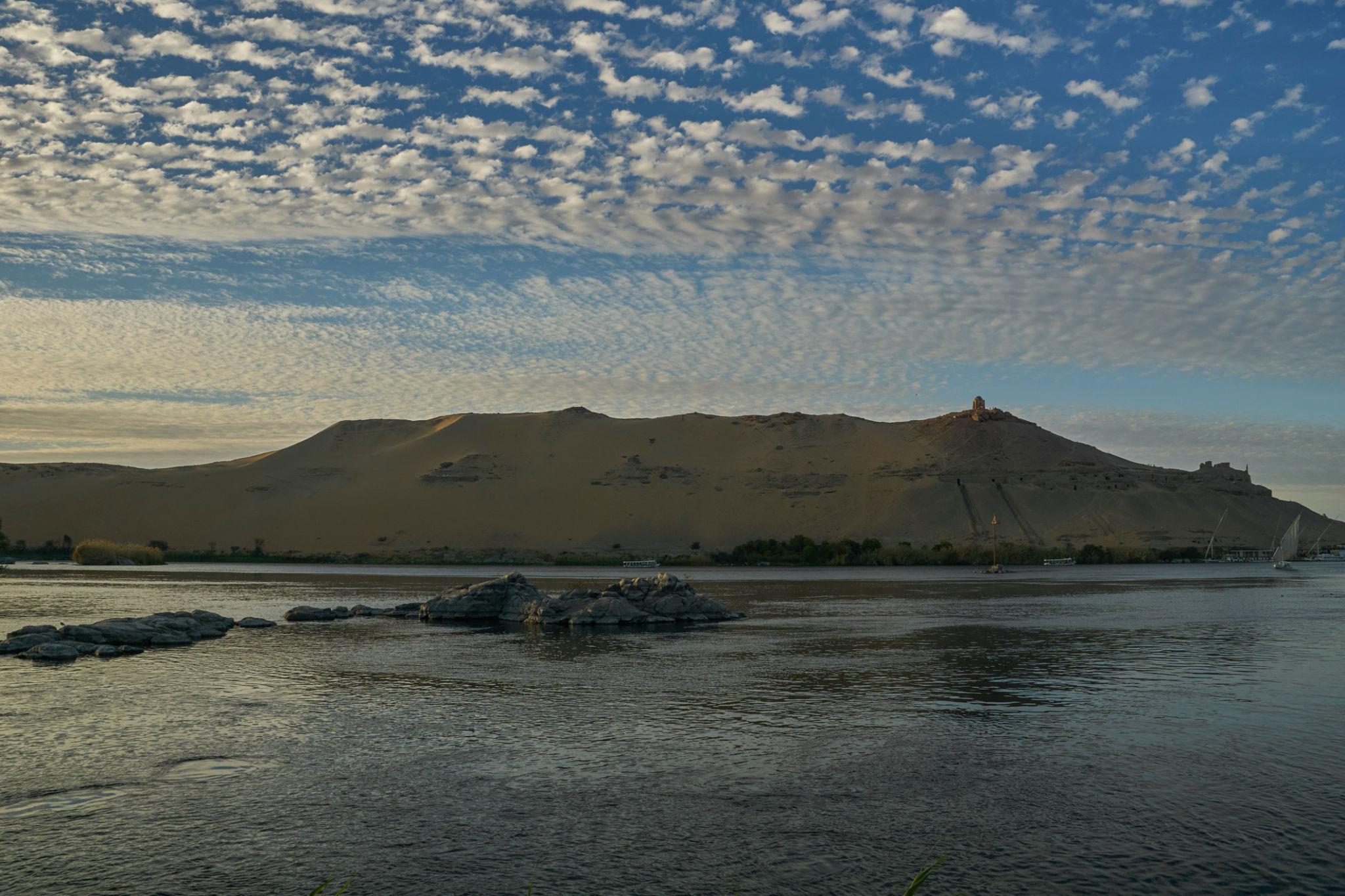
Arrive in Aswan, Egypt's gentlest and most beautiful city, where the Nile is studded with granite islands. Visit the Philae Temple on its island (reached by a short motorboat, ticket plus boat roughly 500 to 700 EGP combined), the vast unfinished obelisk in the ancient granite quarries, and the modern High Dam. A felucca sail around Elephantine Island at sunset is the quintessential Aswan experience and costs only a few hundred Egyptian pounds per boat for an hour.
Day 8: Abu Simbel Day Trip
Abu Simbel is the single most spectacular temple in Egypt and worth the effort to reach. The two rock-cut temples built by Ramesses II, with their four 20-meter colossi, were famously relocated block by block in the 1960s to escape the rising lake. From Aswan it is about a three-hour drive each way (around 280 km) or a short 45-minute flight. Most travelers leave Aswan very early to arrive in cooler morning light; entry is around 600 EGP. Twice a year, in February and October, the rising sun aligns to illuminate the inner sanctuary, drawing big crowds.
Return to Aswan, then take an afternoon or evening flight onward. Overnight in transit or fly to the coast depending on schedules.
Day 9: Red Sea Decompression
Fly from Aswan (usually via Cairo) to Hurghada on the Red Sea for a complete change of pace. After eight intense sightseeing days, a resort day of snorkeling, diving, or simply lying by the water is the perfect reset. The Red Sea offers some of the world's most accessible coral reefs; a half-day snorkeling boat trip costs roughly 25 to 45 USD, and intro dives are widely available. Hurghada and nearby Makadi Bay have all-inclusive resorts at every budget.
### Skip-it note
If you would rather have more culture than beach, swap this day for a second day in Cairo to revisit the Grand Egyptian Museum or add Saqqara and the Step Pyramid, which many first-timers miss.
Day 10: Final Day and Departure
Enjoy a final morning swim or last-minute shopping, then fly back to Cairo to connect with your international flight. If your departure is late, build in a buffer; Cairo traffic is unpredictable and the airport is large. A final-night hotel near the airport is worth considering if your flight leaves in the early hours.
Practical Tips Before You Go
- Tipping (baksheesh) is woven into daily life; carry small notes for drivers, housekeeping, and guides.
- Dress modestly at religious sites: shoulders and knees covered, and a scarf for women entering mosques.
- Tap water is not safe to drink; stick to sealed bottles.
- Carry cash; many smaller sites and tips are cash-only, and ATMs can be unreliable outside cities.
- A few common scams: inflated camel rides, unsolicited guides who then demand payment, and shop commissions; a trusted operator removes most of this friction.
Booking the Trip
The logistics of flights, cruise timing, guides, and tickets are where a good operator earns its fee, especially for a ten-day route that crosses the country. Our 5 Days Cairo, Luxor and Abu Simbel tour covers the cultural core if you are tight on time, while the Nile Cruise from Luxor to Aswan is the centerpiece of this itinerary and can be extended on either end. For more groundwork, read our guides on the most common Egypt travel mistakes to avoid and on getting around Egypt.