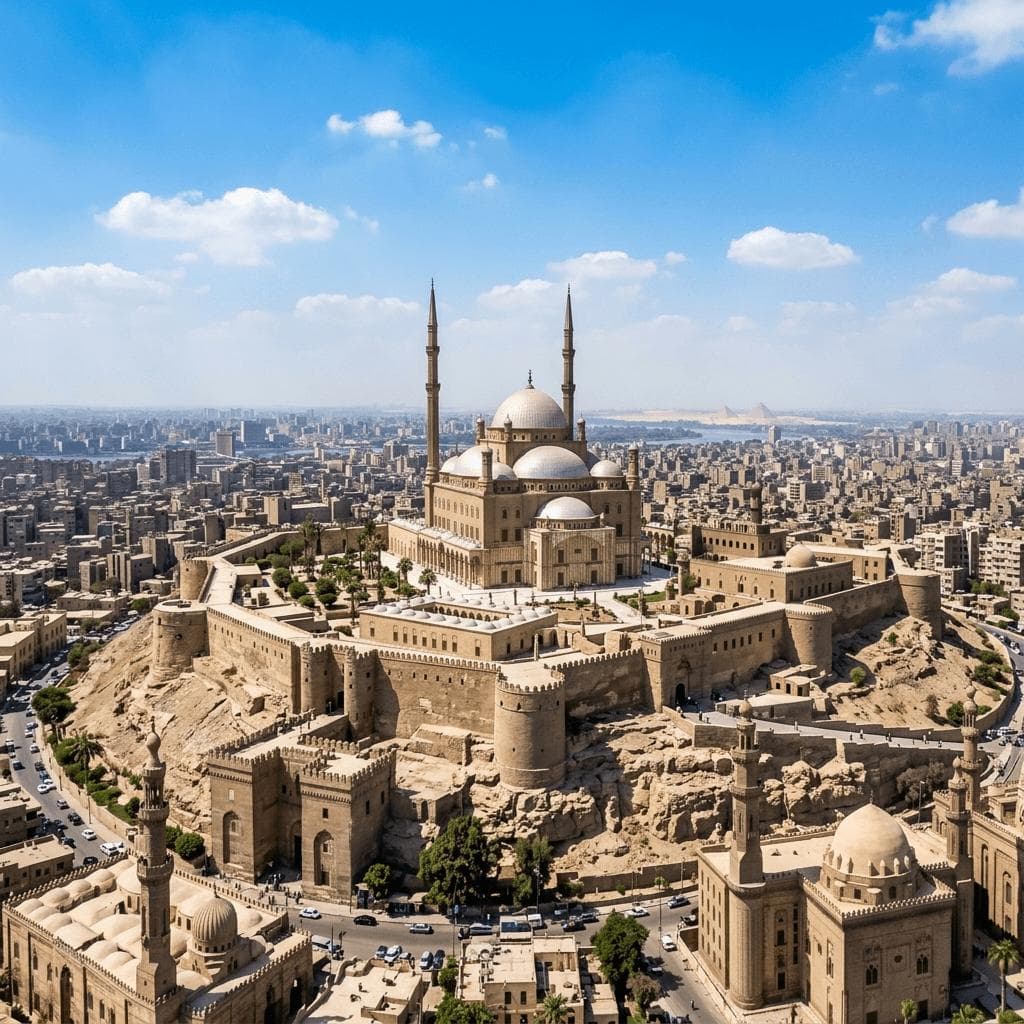
Citadel of Saladin
A medieval fortress dominating Cairo's skyline — seat of power for 700 years.
8 AM – 5 PM550 EGP (foreign visitor)30.0288, 31.2599
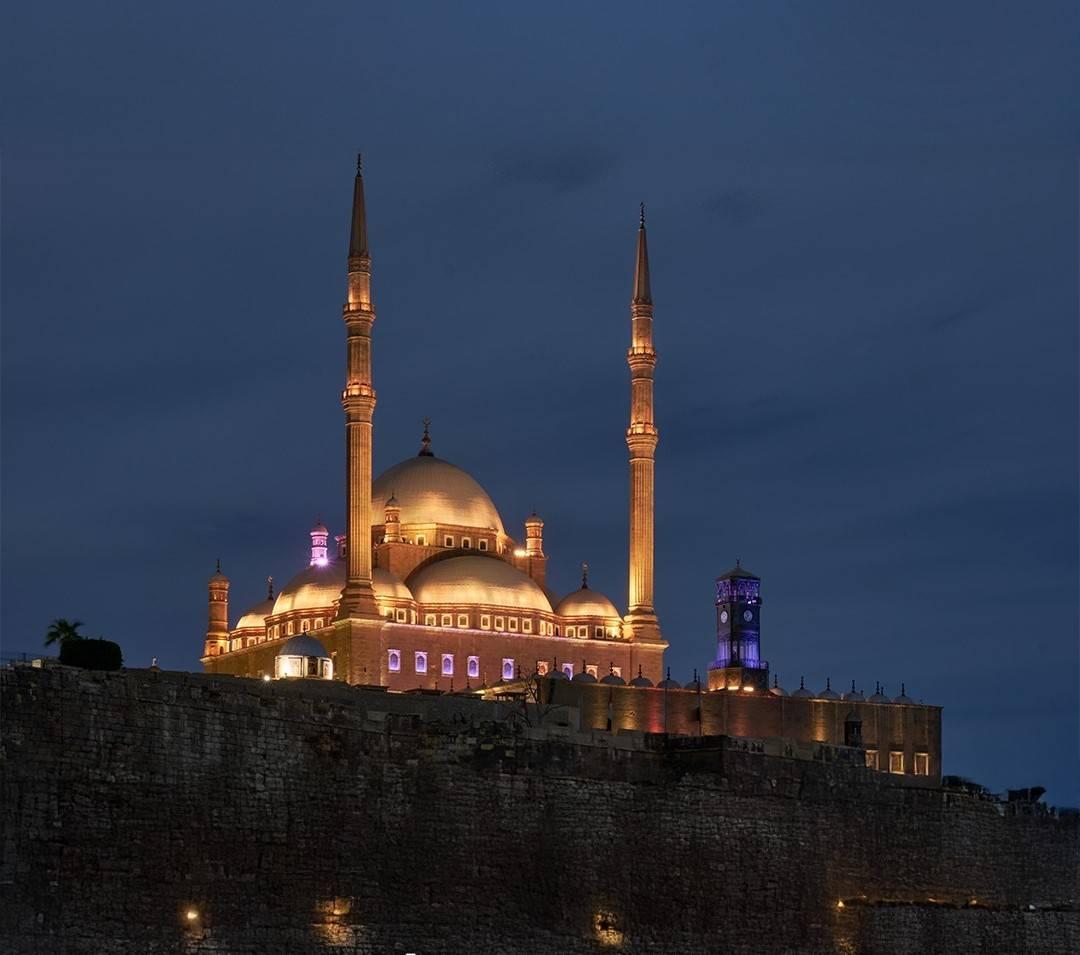
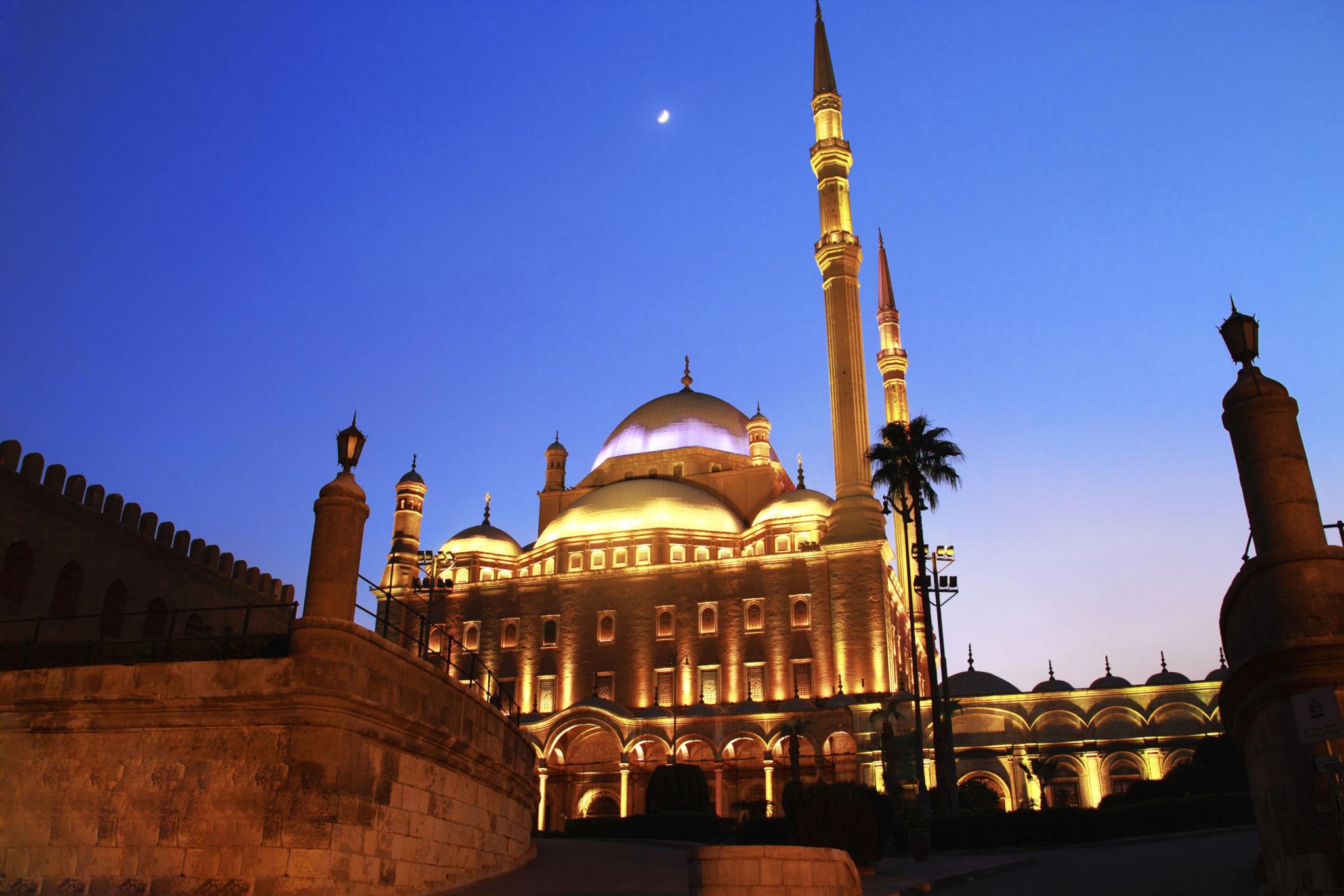
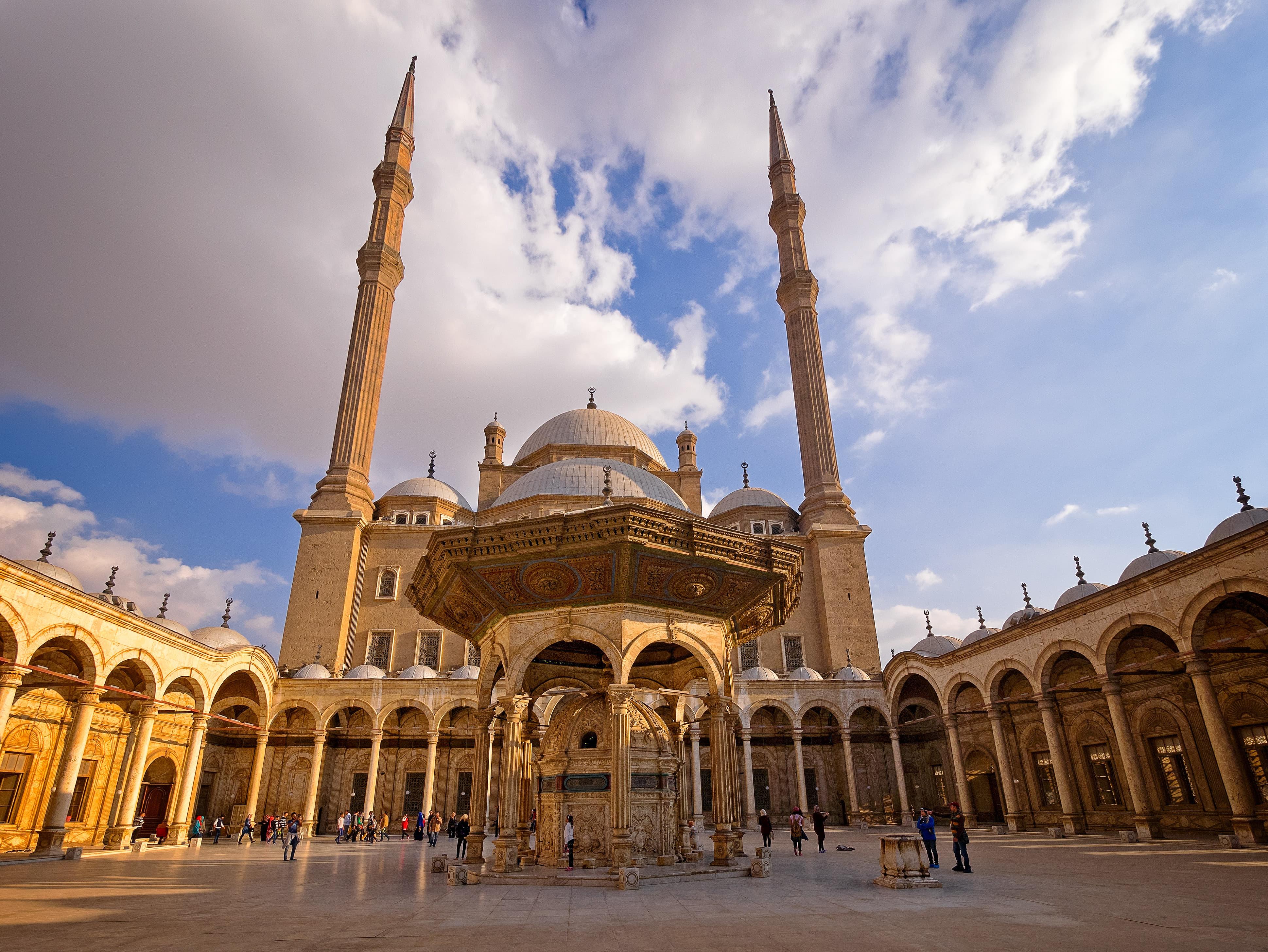
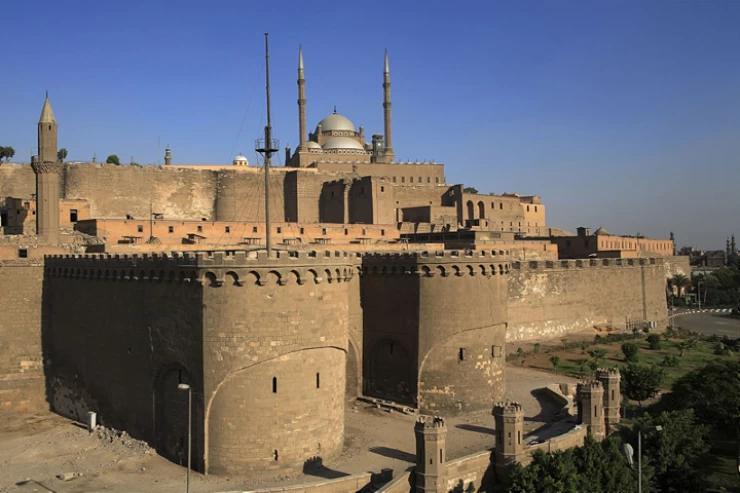
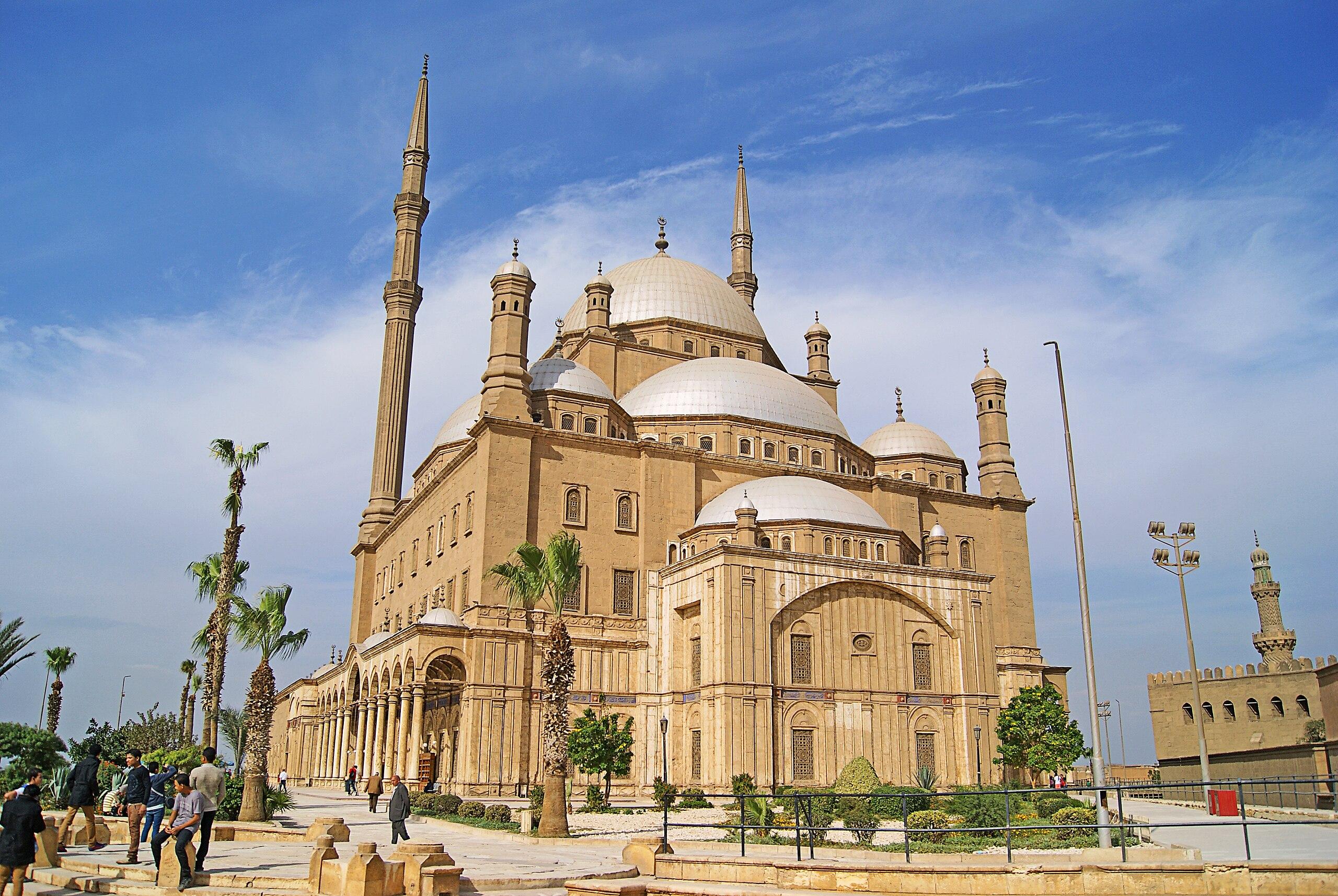
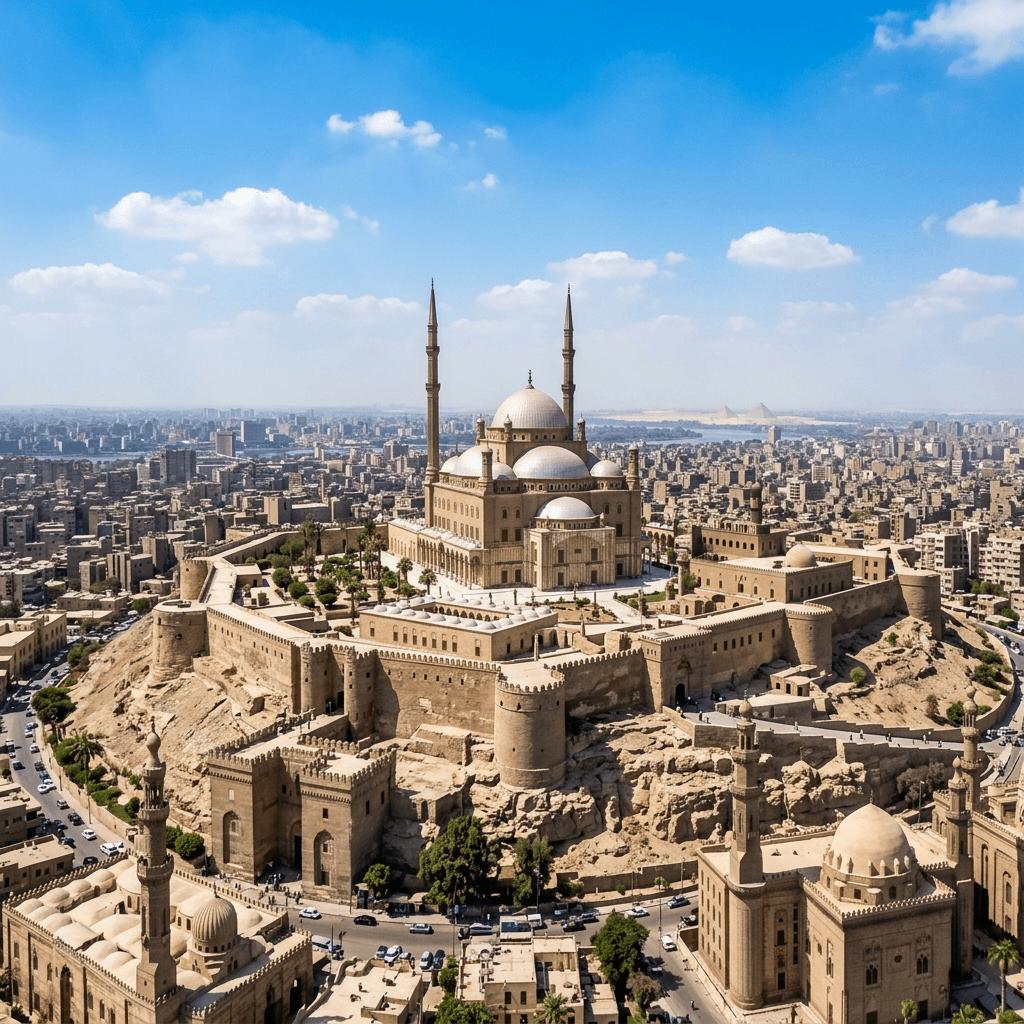
The Citadel of Saladin is a medieval Islamic-era fortification on Mokattam Hill in Cairo. Begun by Salah al-Din (Saladin) in 1176, it served as the seat of Egyptian government for nearly 700 years. Today it houses several museums and mosques, most notably the stunning Mosque of Muhammad Ali (the Alabaster Mosque), whose twin minarets and silver dome dominate Cairo's skyline.
Gallery
Why Visit
The Alabaster Mosque is one of the most stunning in all of Egypt
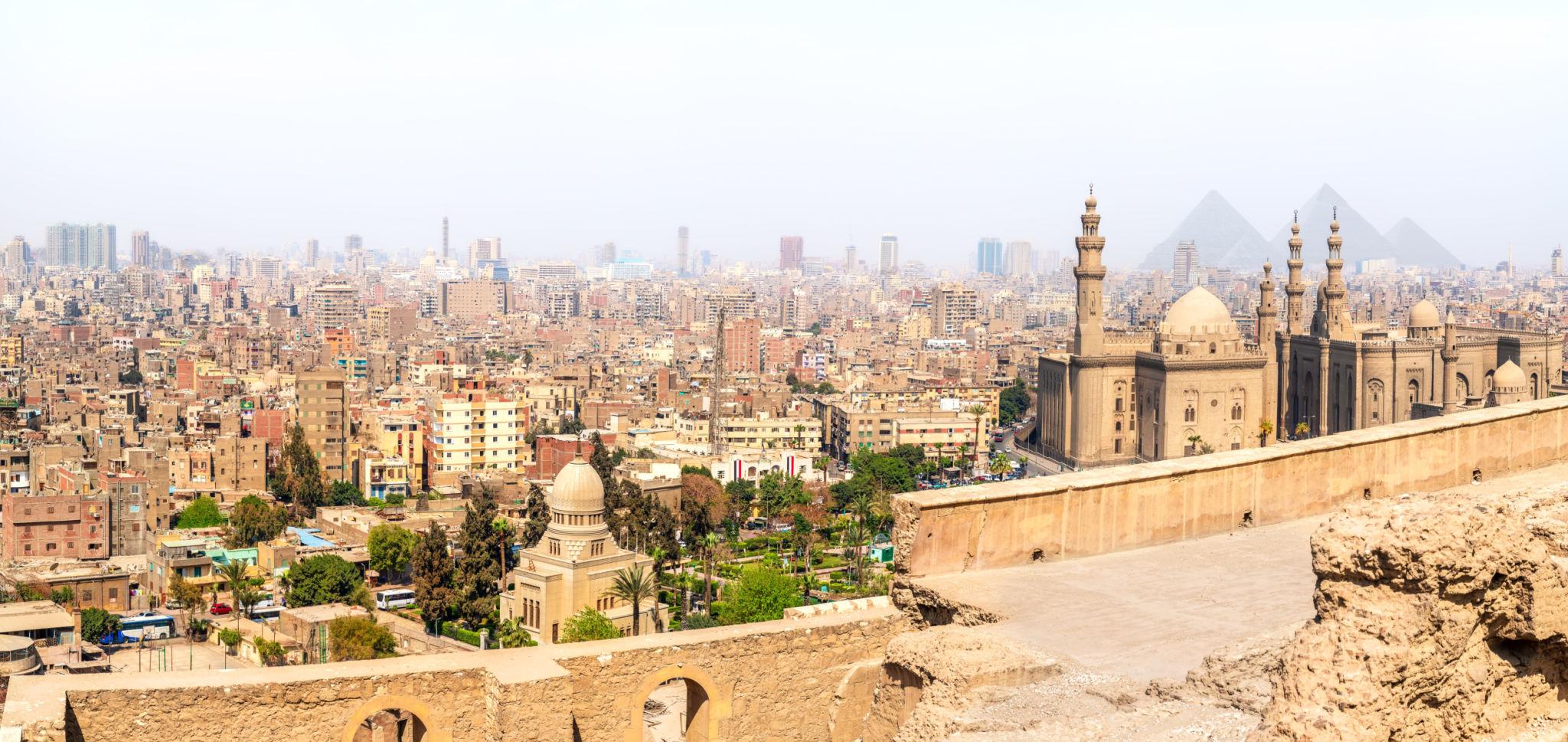
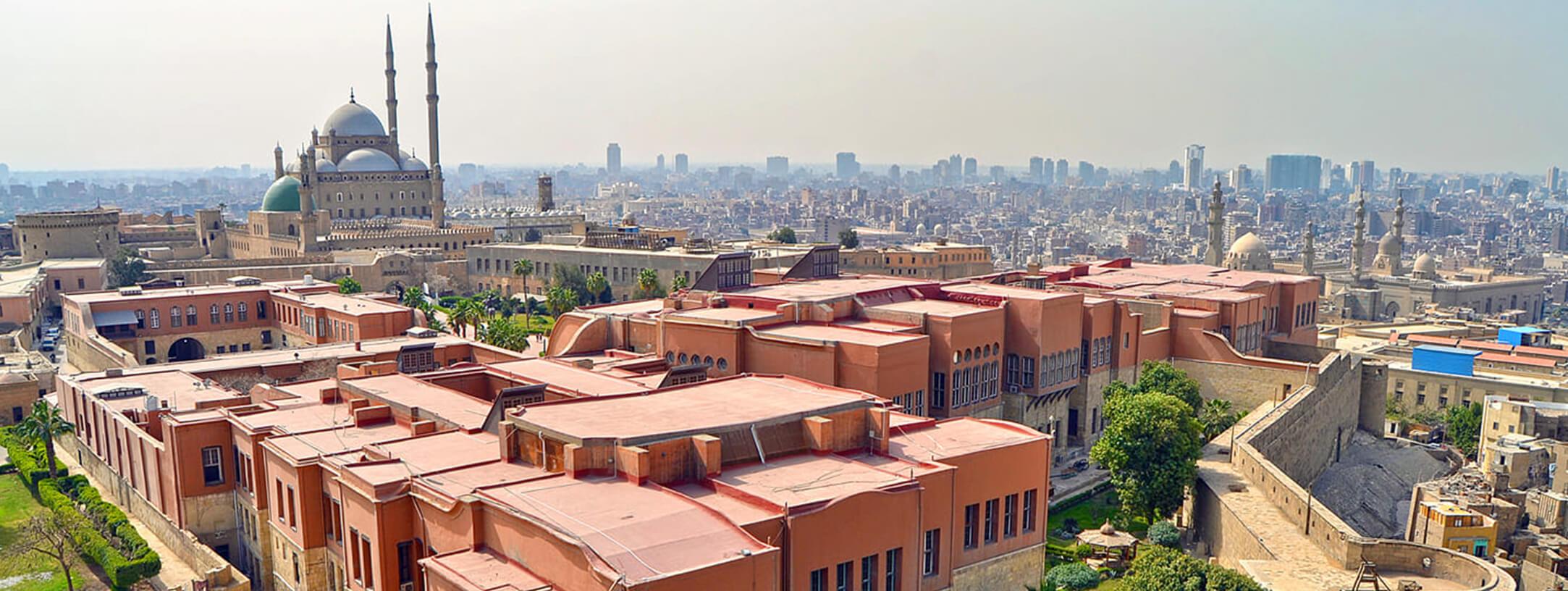
Panoramic views of Cairo — from the pyramids to the minarets of Islamic Cairo
700 years of rulers left their mark on this sprawling hilltop complex
What to See
Mosque of Muhammad Ali
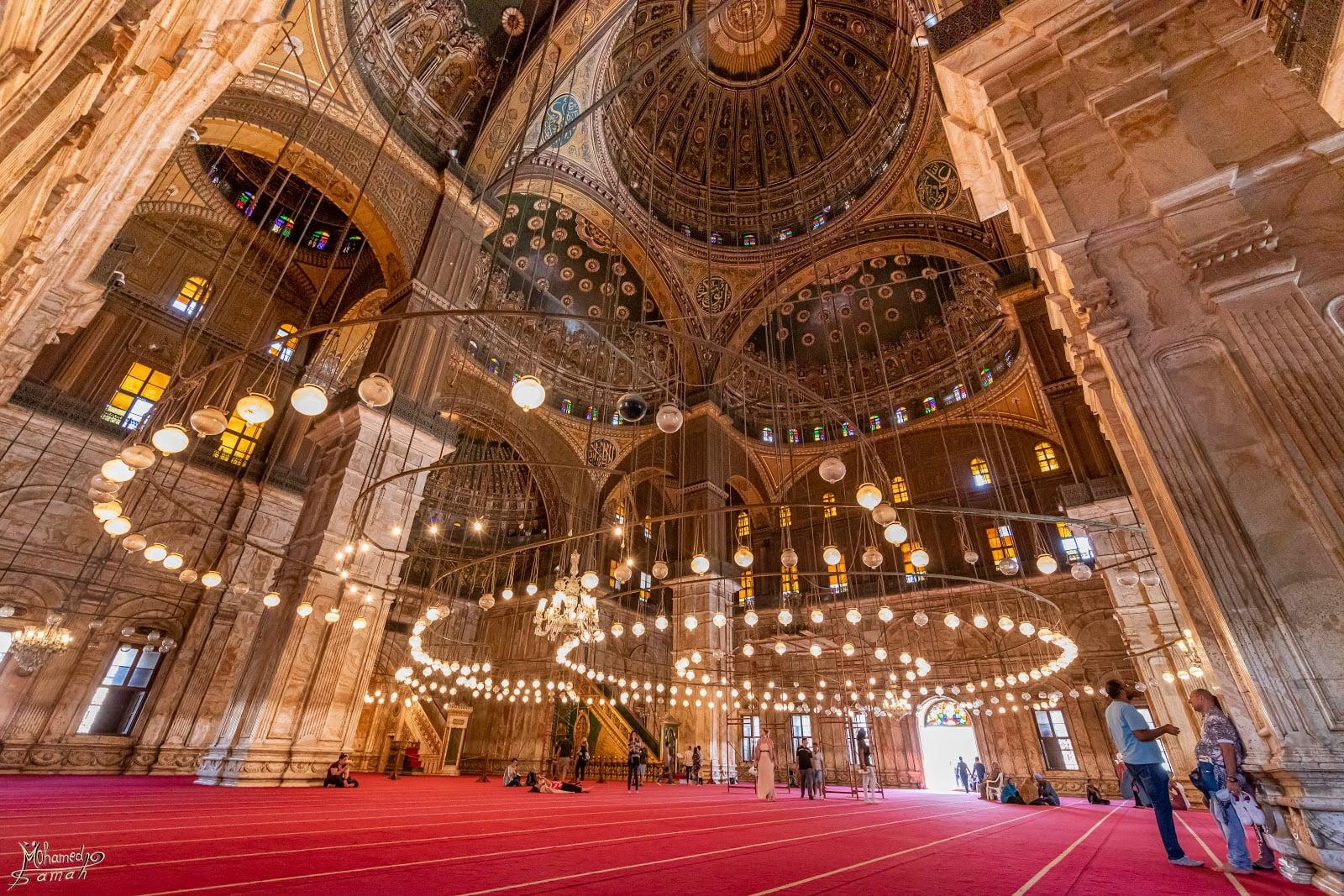
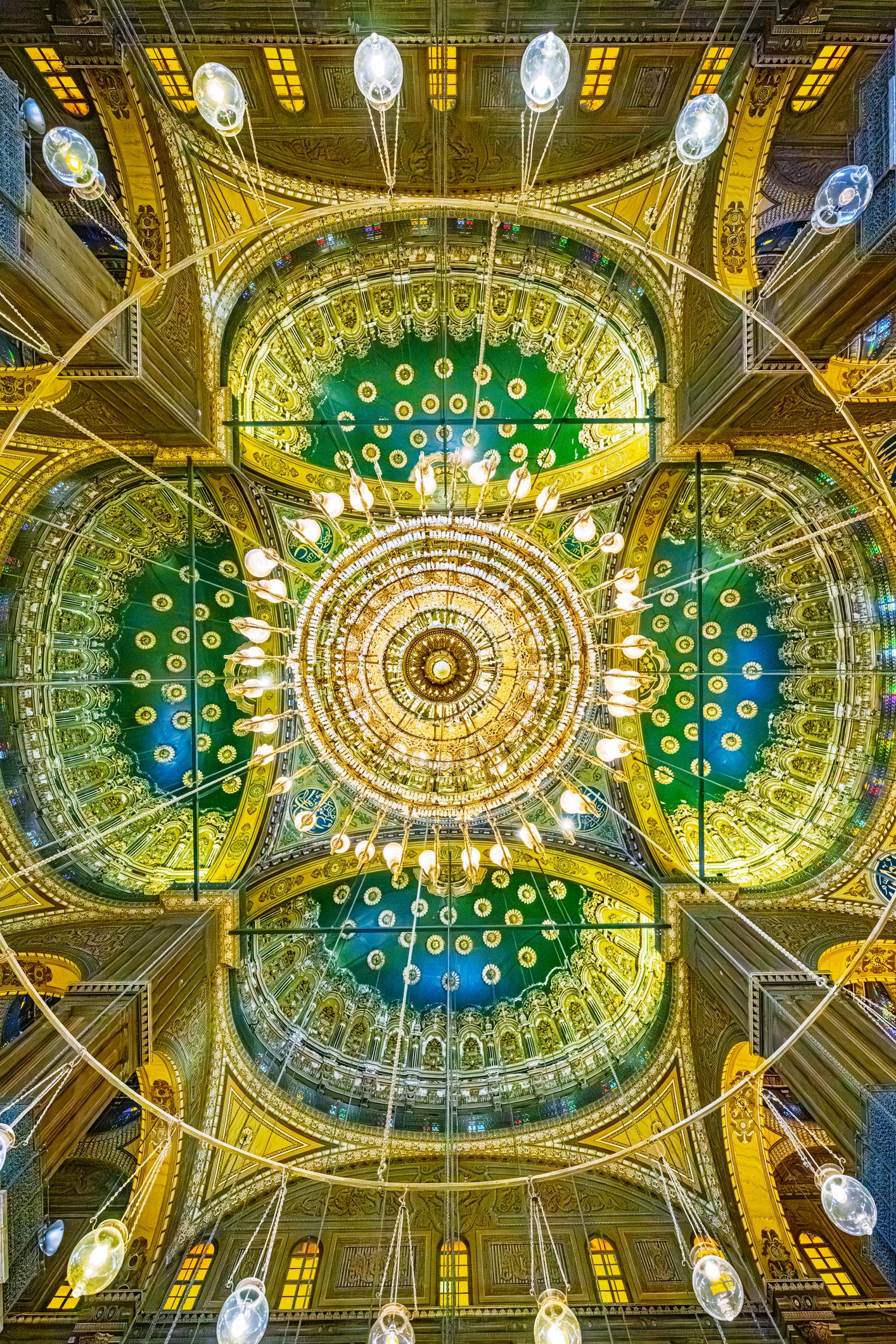
The iconic 'Alabaster Mosque,' built between 1830 and 1848 and modeled on the great Ottoman imperial mosques of Istanbul, dominates Cairo's skyline with its twin pencil-thin minarets and massive silver-grey dome. The interior is vast and luminous — hundreds of glass globe chandeliers suspended on long chains fill the prayer hall with warm light, while the alabaster-clad walls (actually Egyptian marble) give the space its nickname and a cool, luminous glow. In the courtyard stands a ornate bronze clock tower gifted by King Louis-Philippe of France in 1845 as a thank-you for the Luxor Obelisk now standing in the Place de la Concorde in Paris — though the clock arrived broken and has never worked. The mosque remains an active place of worship, and the call to prayer echoing through its dome is one of the most atmospheric sounds in Cairo.
Al-Nasir Muhammad Mosque
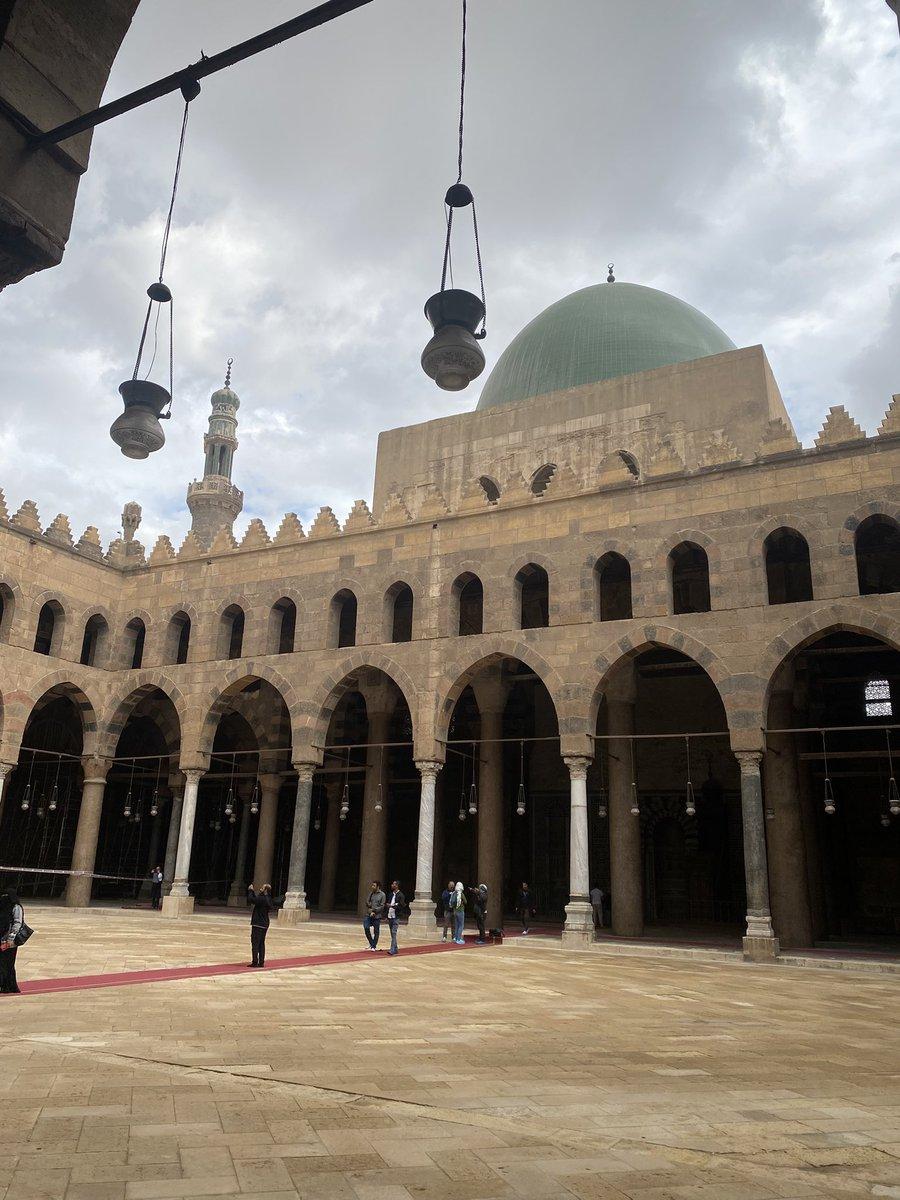
A beautifully proportioned 14th-century Mamluk mosque distinguished by its unusual Persian-style minarets covered in green, blue, and white faience tiles — a unique feature in Egyptian Islamic architecture attributed to craftsmen from Tabriz. Built in 1318 by Sultan al-Nasir Muhammad ibn Qalawun during one of the most prosperous periods of Mamluk rule, it served as the royal mosque of the Citadel for centuries. The mosque's hypostyle prayer hall is supported by ancient pharaonic and Roman columns recycled from earlier monuments — a common practice in medieval Cairo that creates an eclectic architectural character. It is one of the oldest surviving structures within the Citadel complex and offers a fascinating contrast with the later Ottoman grandeur of the Muhammad Ali Mosque.
Military Museum
Housed in the elegant former Harem Palace of Muhammad Ali Pasha, the Military Museum traces the long arc of Egyptian military history from pharaonic chariot warfare through the Islamic conquests, Napoleon's campaign, the modern Egyptian army, and the 1973 October War. The palace itself is worth visiting for its ornate rooms, painted ceilings, and European-influenced decorative arts that reflect Muhammad Ali's ambition to modernize Egypt along Western lines. Exhibits include weaponry, uniforms, battle dioramas, and scale models of famous engagements, with particular emphasis on the 20th-century conflicts that shaped modern Egyptian identity. The palace's courtyard and grand staircase are among the finest examples of 19th-century palatial architecture surviving in Cairo.
Panoramic Terrace
The Citadel's panoramic terrace offers one of the most spectacular urban views in the Middle East — on a clear day, the vista stretches from the silhouettes of the Giza Pyramids shimmering on the western horizon to the rugged Mokattam Hills in the east, with the dense medieval skyline of Islamic Cairo's hundreds of minarets and domes spread across the foreground. The view is particularly magical at sunset, when the city is bathed in golden light and the call to prayer rises simultaneously from mosques across the capital. From this vantage point, you can trace Cairo's entire urban history — from the Fatimid walls to the modern towers along the Nile. Bring binoculars to pick out individual landmarks, and try to visit on a day when the notorious Cairo haze has lifted for maximum visibility.
Historical Details
Saladin's Vision
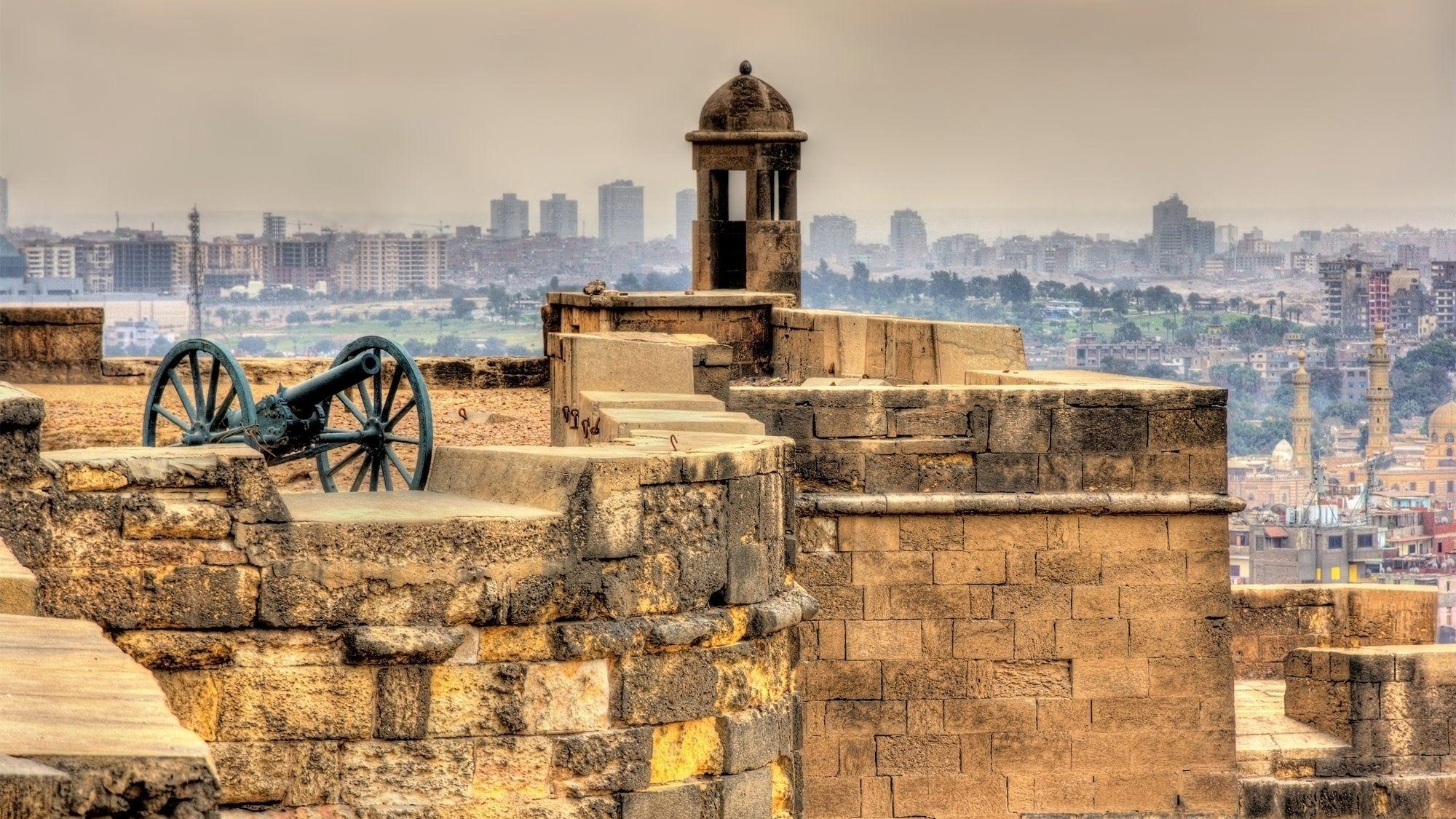
The legendary Kurdish general Salah al-Din (Saladin) began construction of the Citadel in 1176 as part of a grand fortification plan to defend Cairo against the Crusaders, who had recently been defeated at the Battle of Hattin. He chose the strategically commanding position atop Mokattam Hill and, in a pragmatic move that horrified later antiquarians, used stones recycled from the smaller pyramids at Giza as building material. The Citadel quickly became the nerve center of Egyptian politics, serving as the seat of government for Ayyubid, Mamluk, and Ottoman rulers for the next seven centuries — a continuous run of political power unmatched by almost any other building in the Islamic world. Saladin himself never saw it completed; he left Egypt in 1182 to continue his campaigns and never returned.
Muhammad Ali's Transformation
In the early 19th century, Muhammad Ali Pasha — the Albanian-born Ottoman officer who seized power and founded the dynasty that would rule Egypt until 1952 — dramatically reshaped the Citadel to reflect his vision of a modernized Egypt. He demolished most of the medieval Mamluk palaces and replaced them with the grand mosque and palace complex visible today, deliberately choosing the Ottoman architectural style of Istanbul to signal Egypt's ambitions on the world stage. His reign also saw the notorious massacre of the Mamluks in 1811, when he invited hundreds of rival Mamluk leaders to a banquet at the Citadel and had them ambushed and killed as they departed through the narrow gate — an event that secured his absolute power. The gate where the massacre occurred can still be seen, and the story remains one of the most dramatic episodes in Egyptian history.
Visitor Tips
- Combine with a visit to Khan el-Khalili and Islamic Cairo — they're very close
- Women should bring a scarf to cover their shoulders when entering the mosques
- Visit on a clear day for the best views from the panoramic terrace
Opening Hours
8 AM – 5 PM
Entry Fee
550 EGP (foreign visitor)
Period
Medieval Islamic, founded 1176 AD
Built By
Salah al-Din (Saladin)