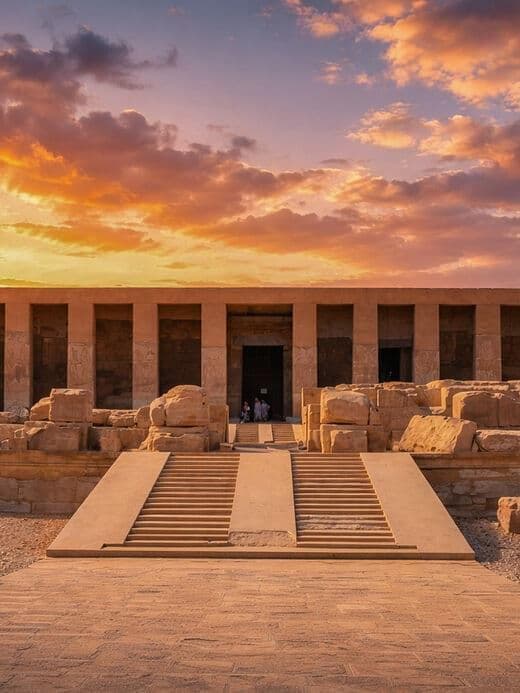
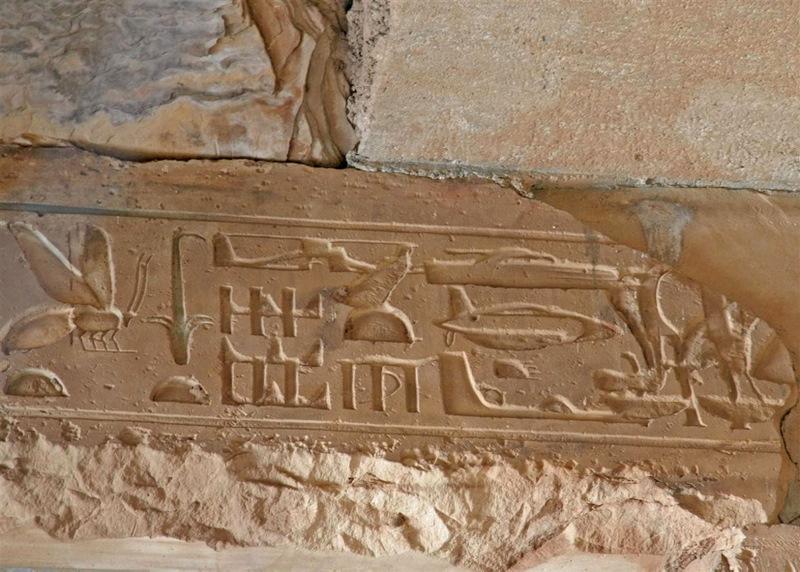
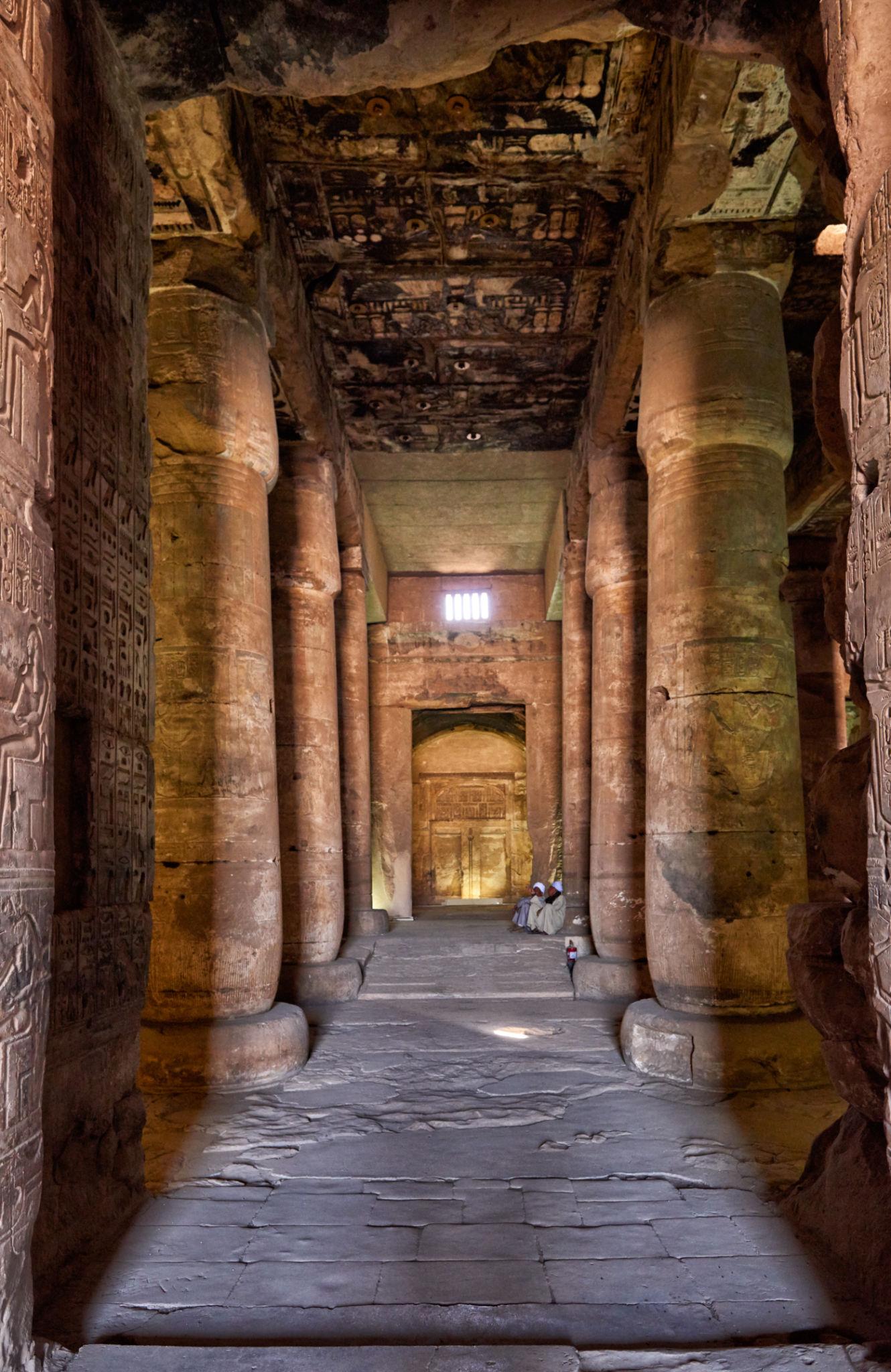
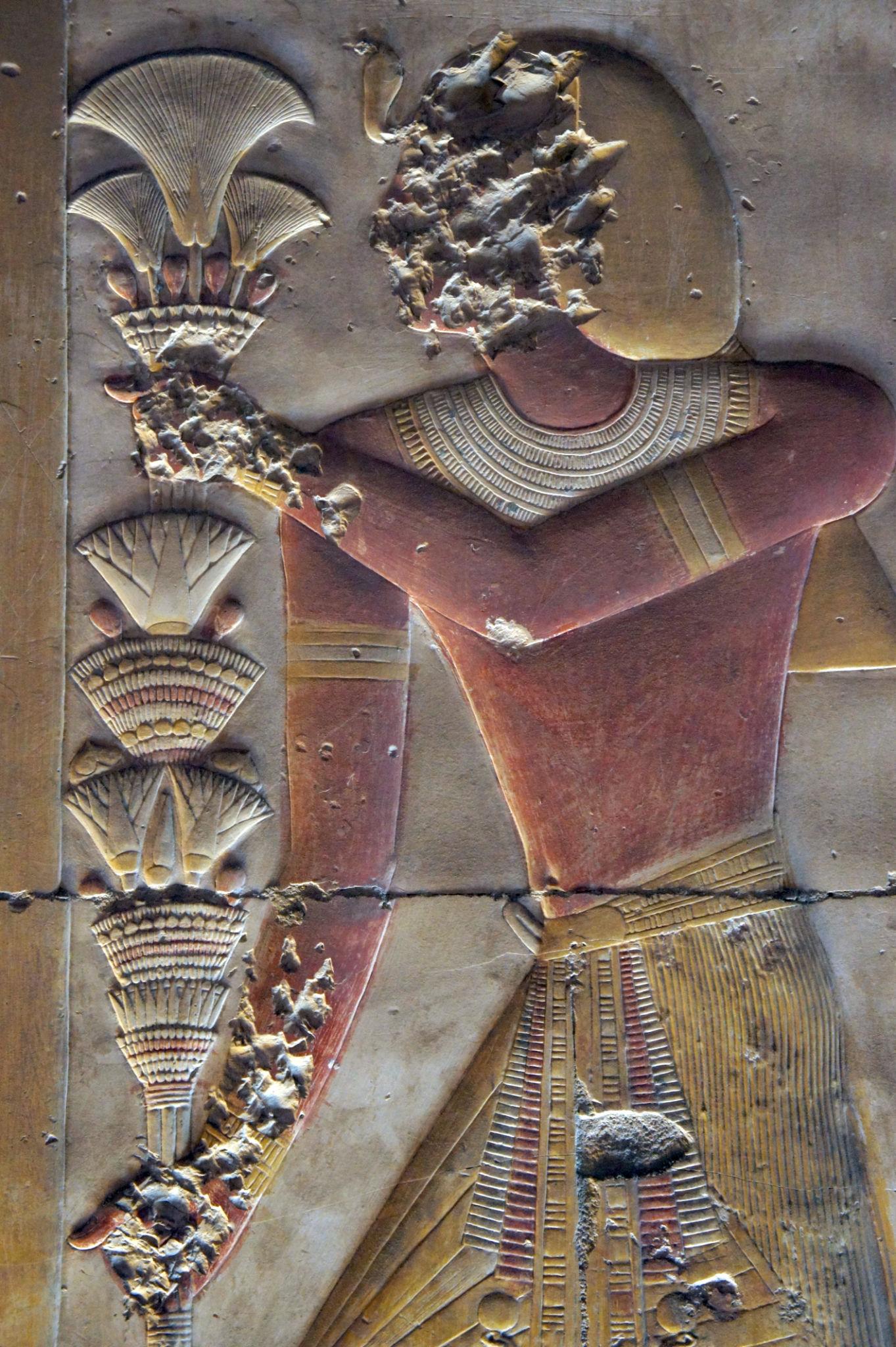
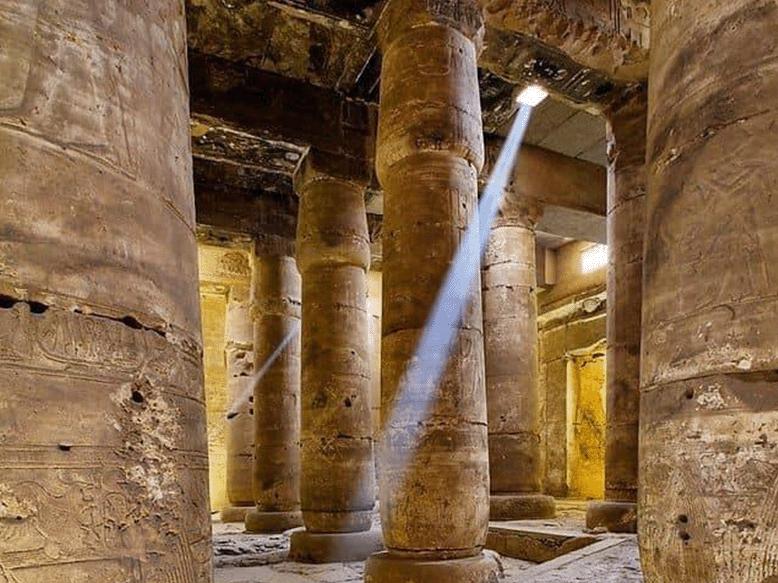
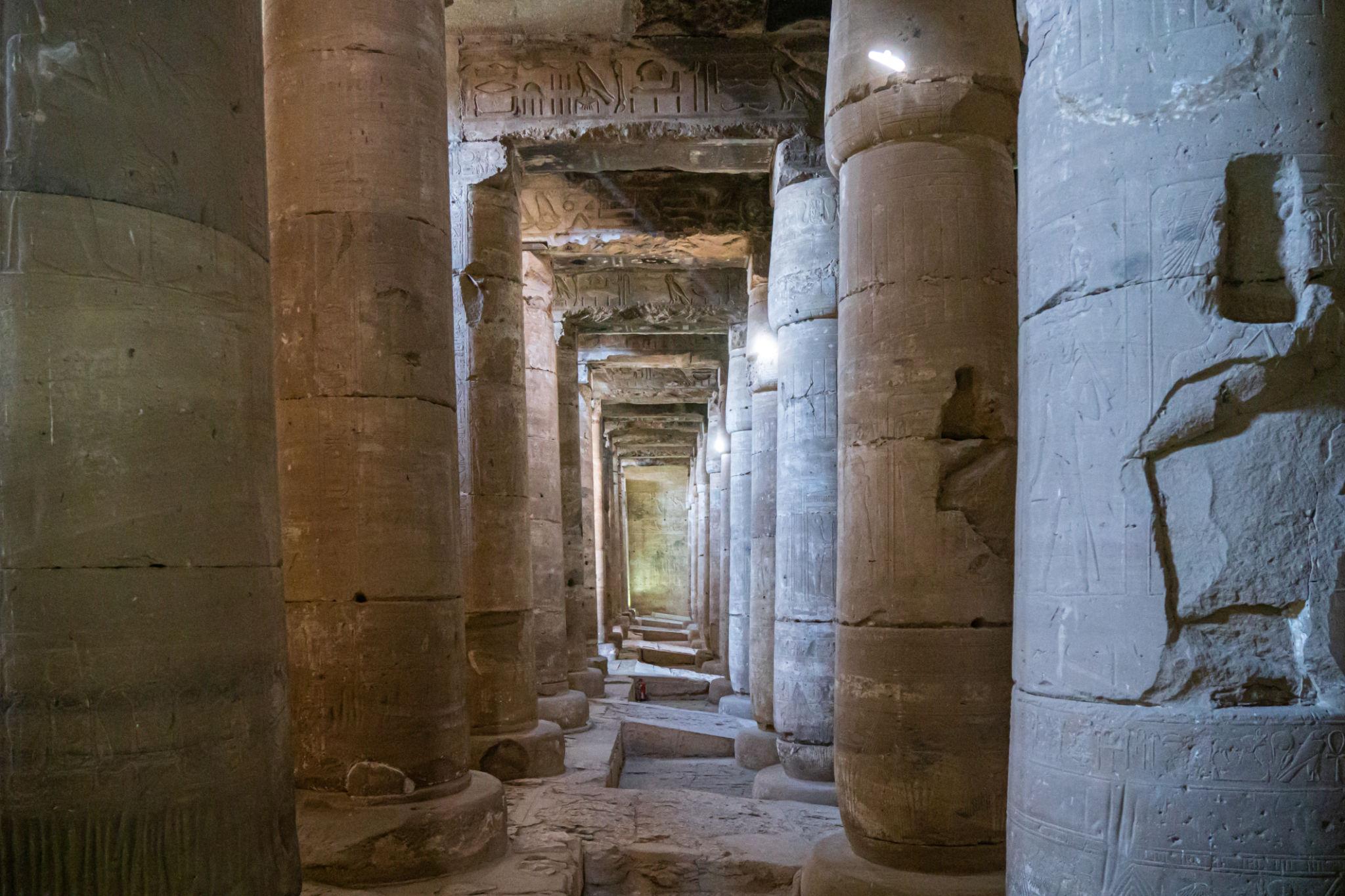
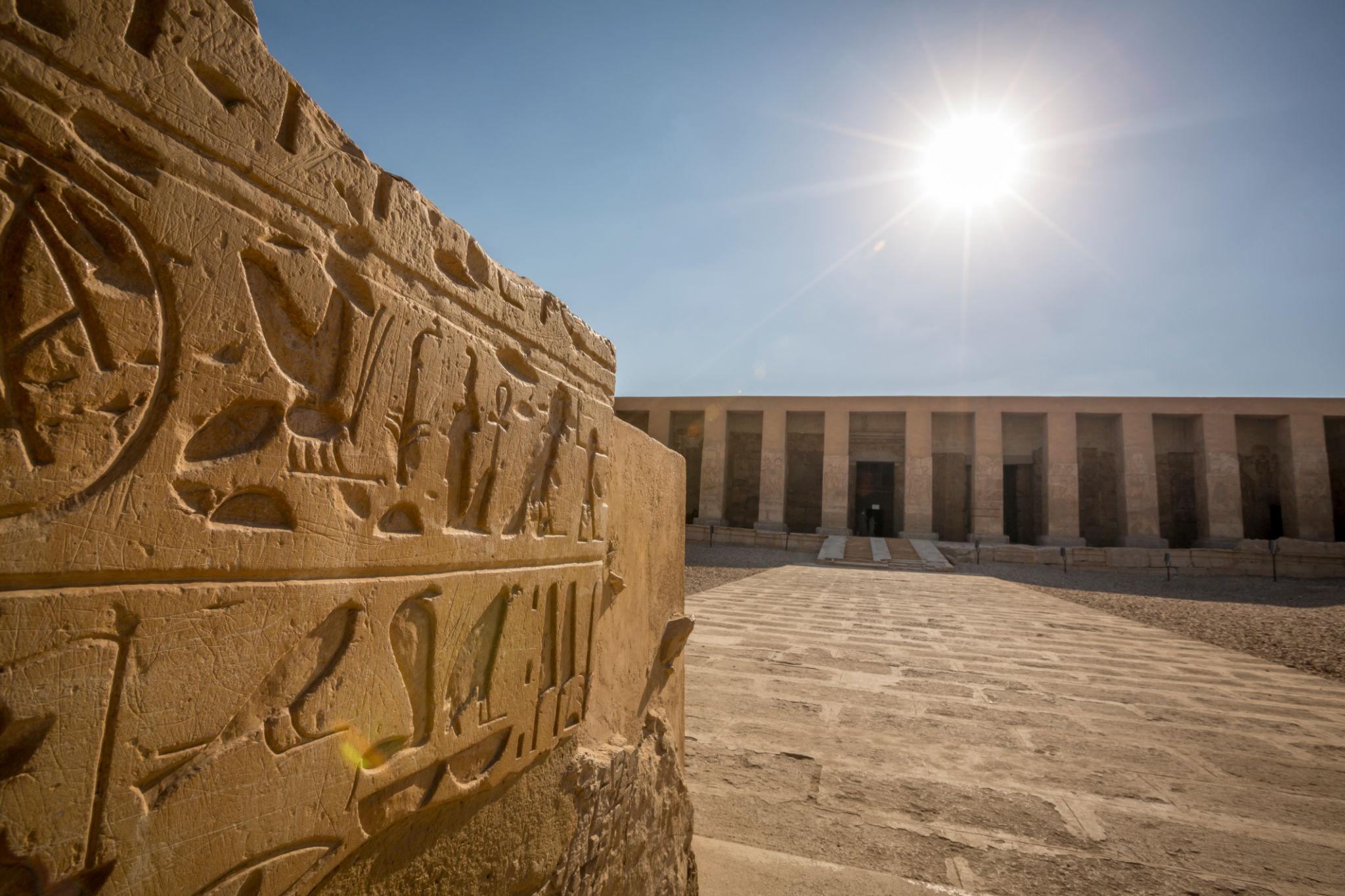
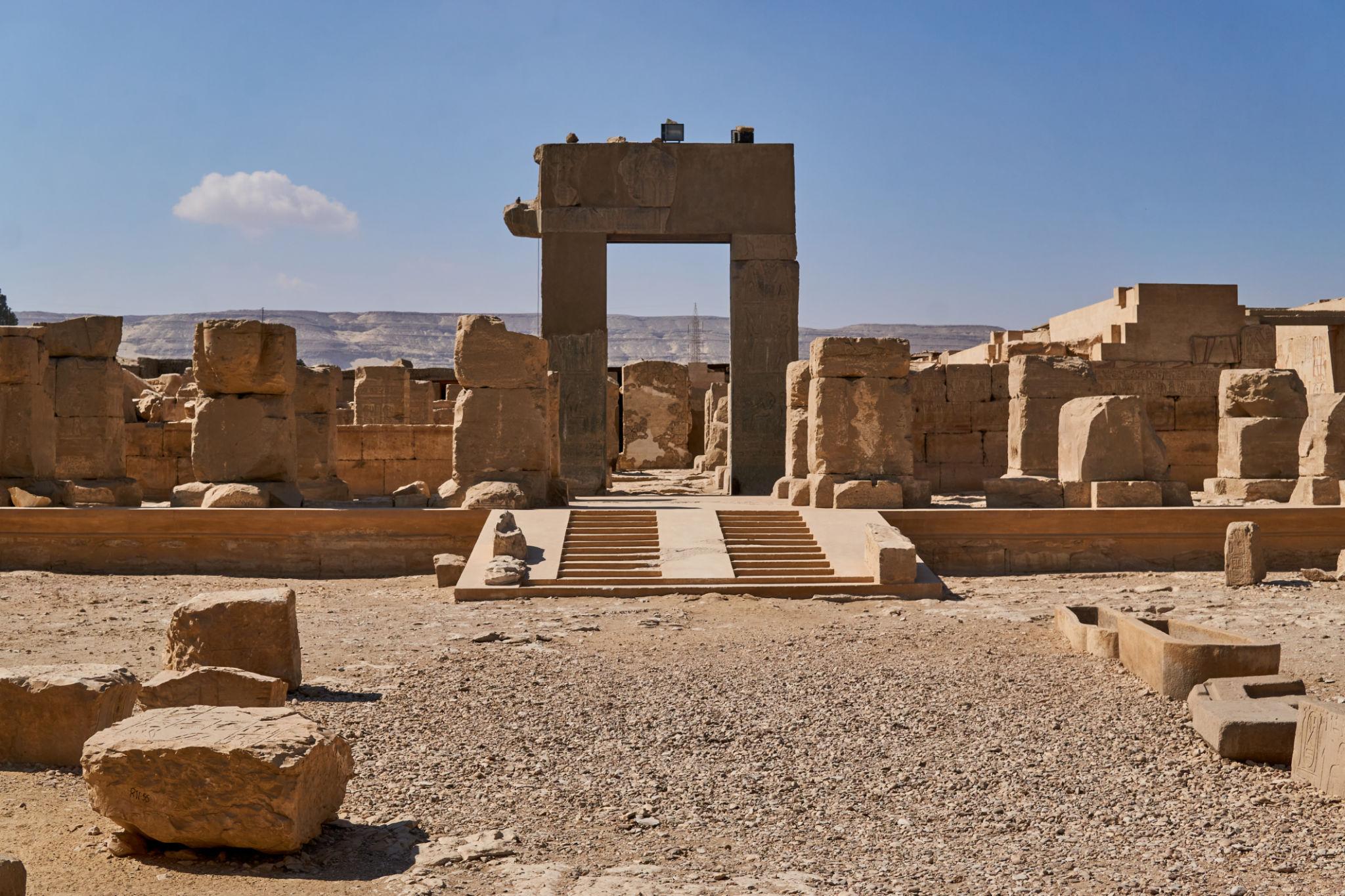
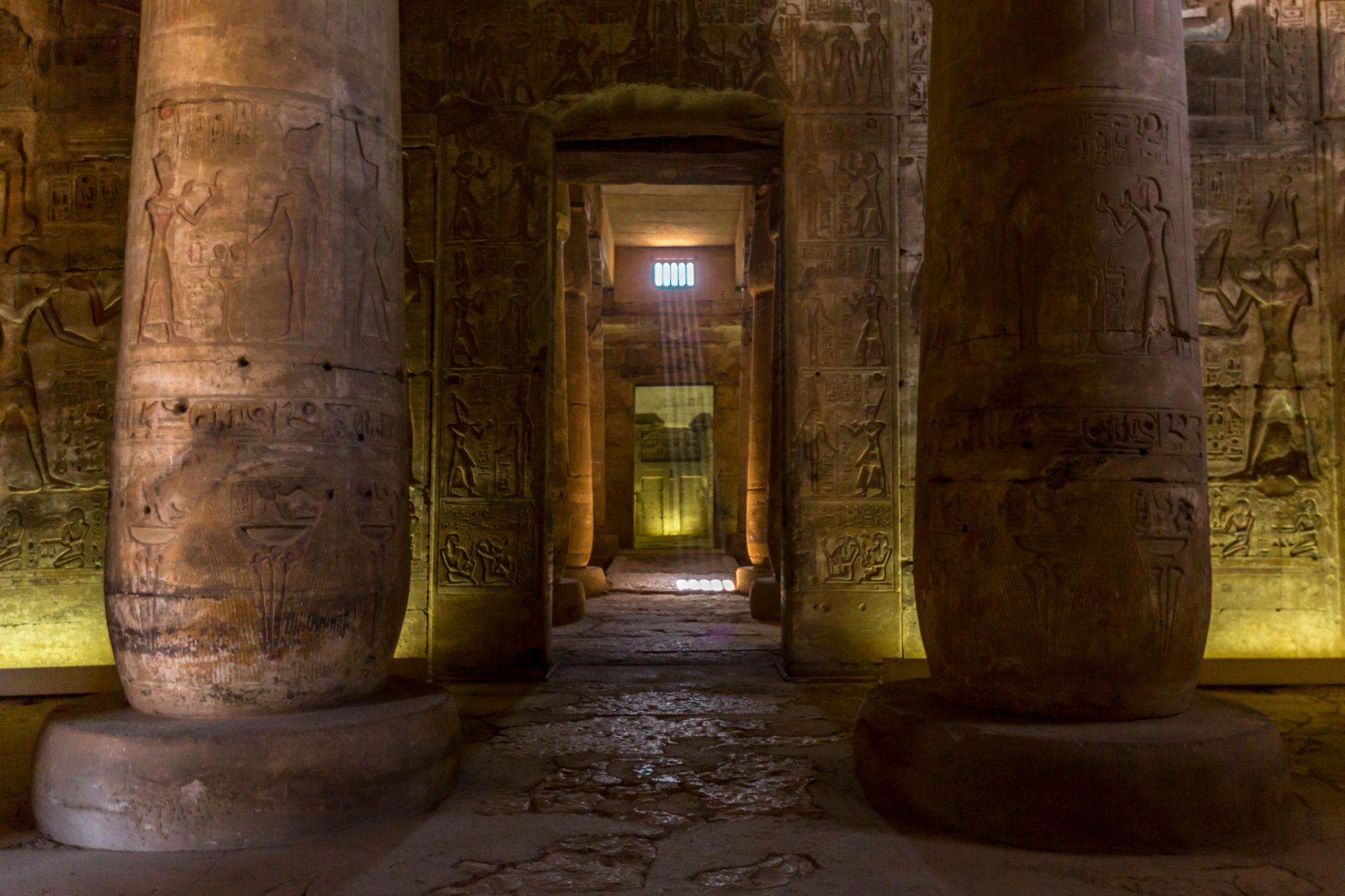
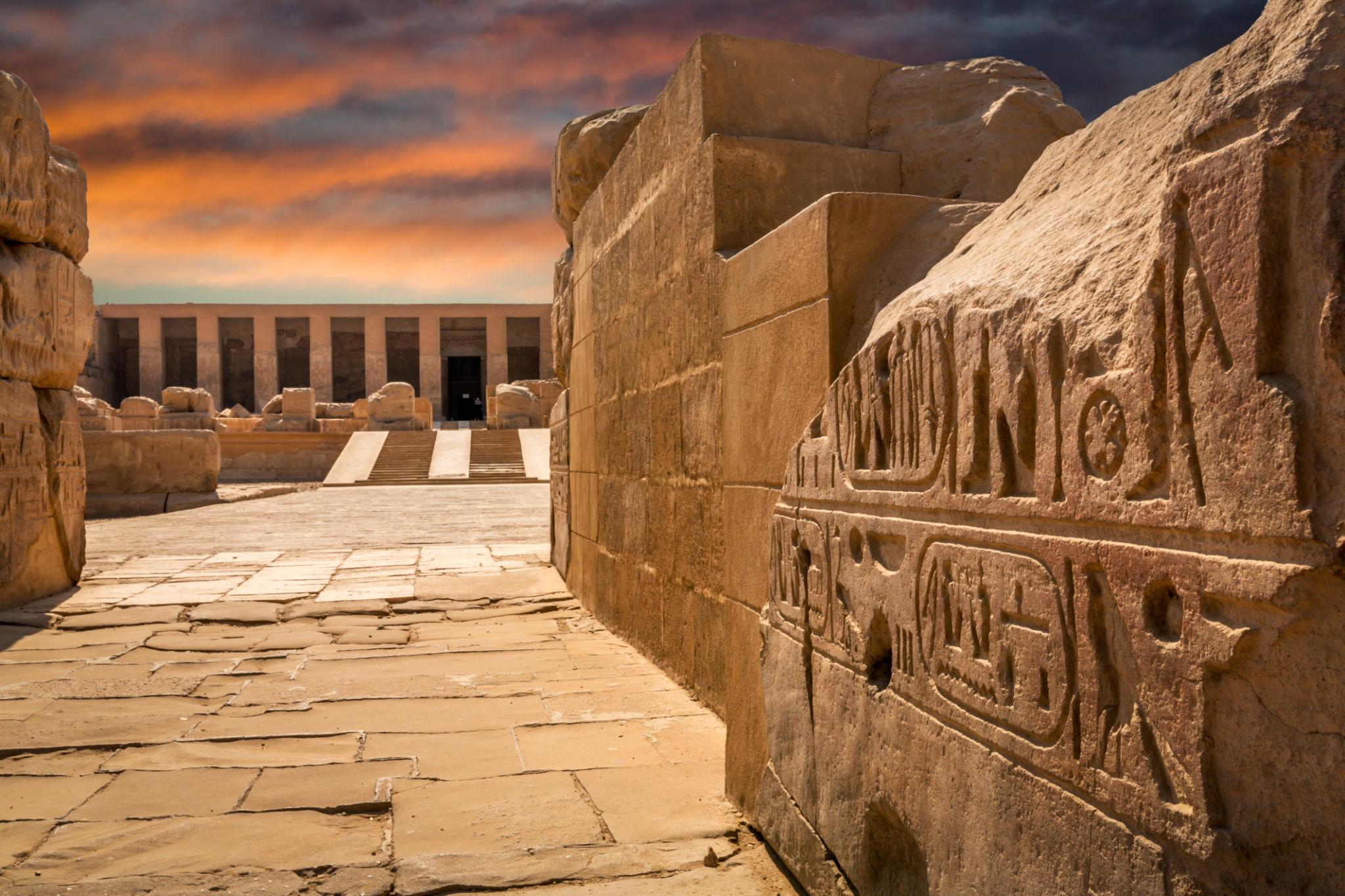
The Temple of Seti I at Abydos, located about 160 km north of Luxor, contains what many Egyptologists consider the finest relief carvings in all of Egypt. Abydos was ancient Egypt's most sacred site — believed to be the burial place of Osiris, god of the afterlife. Pharaoh Seti I built this temple around 1280 BC, and its exquisite raised reliefs — still bearing traces of original paint — set a standard of artistic perfection never surpassed. The temple also contains the famous Abydos King List, a chronological list of 76 pharaohs.
Gallery
Why Visit
Contains the finest and most delicate relief carvings in all of Egypt
The Abydos King List — a chronological record of 76 pharaohs carved in stone
Egypt's holiest ancient site, believed burial place of Osiris himself
What to See
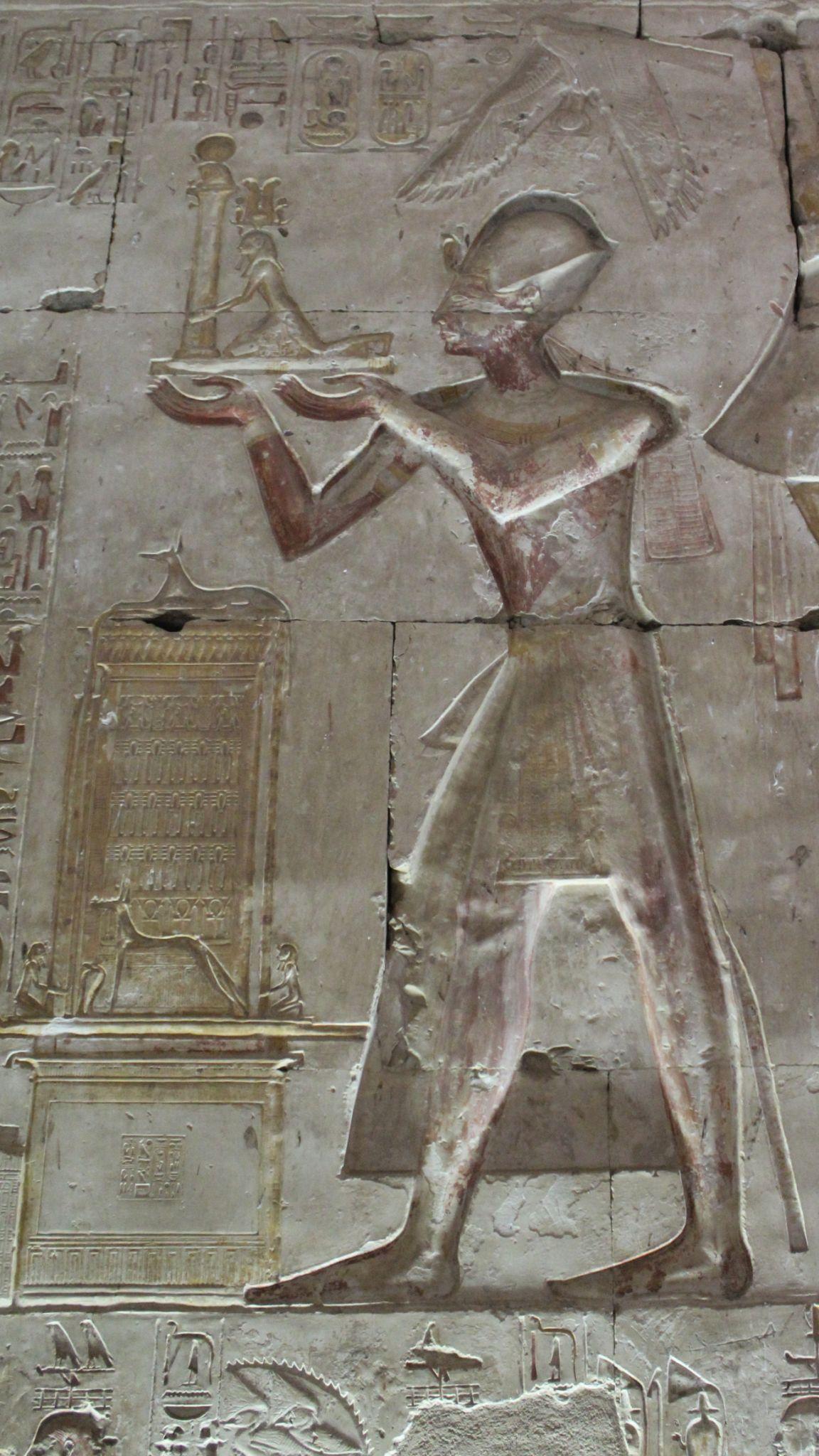
Raised Reliefs of Seti I
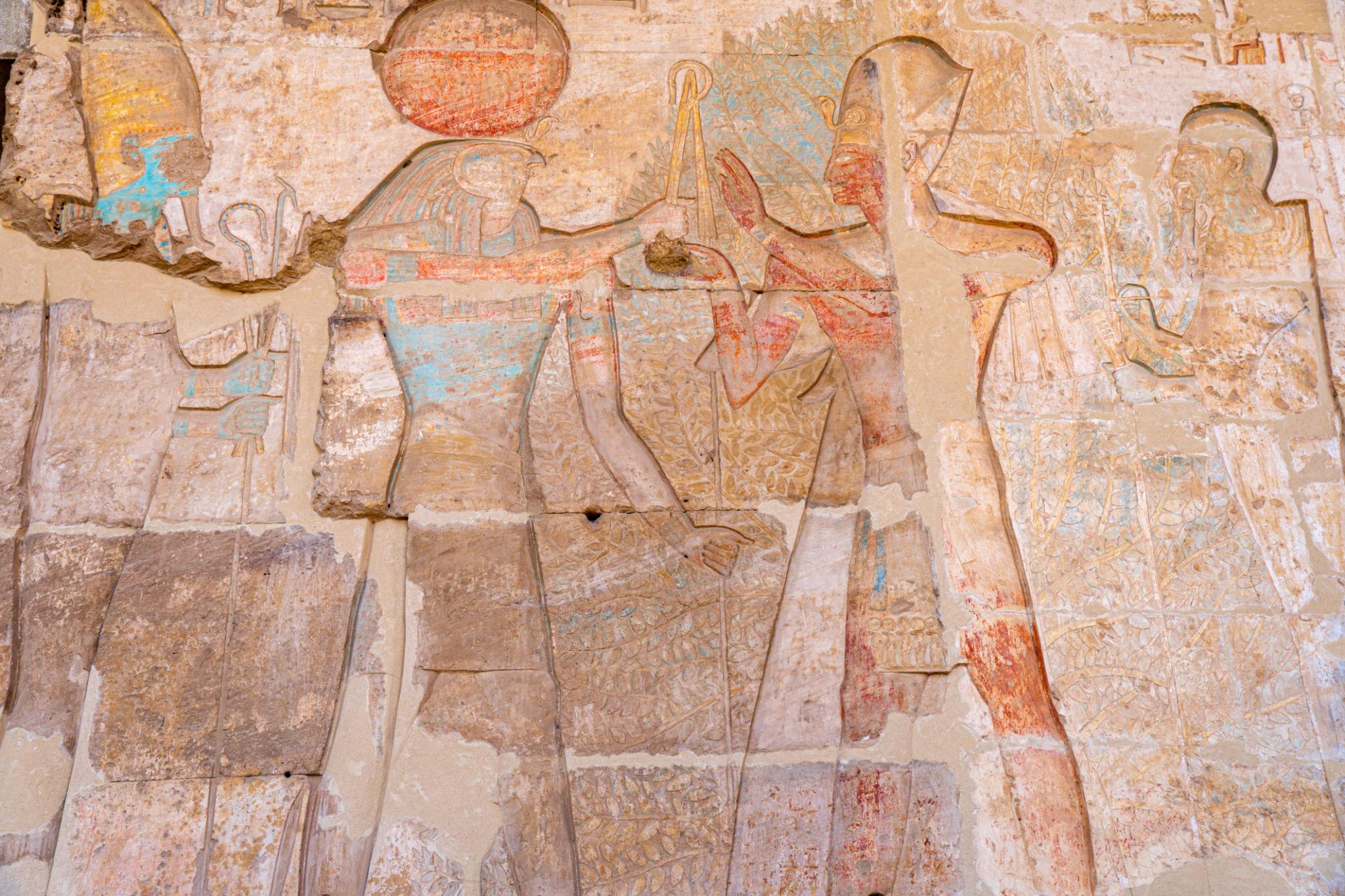
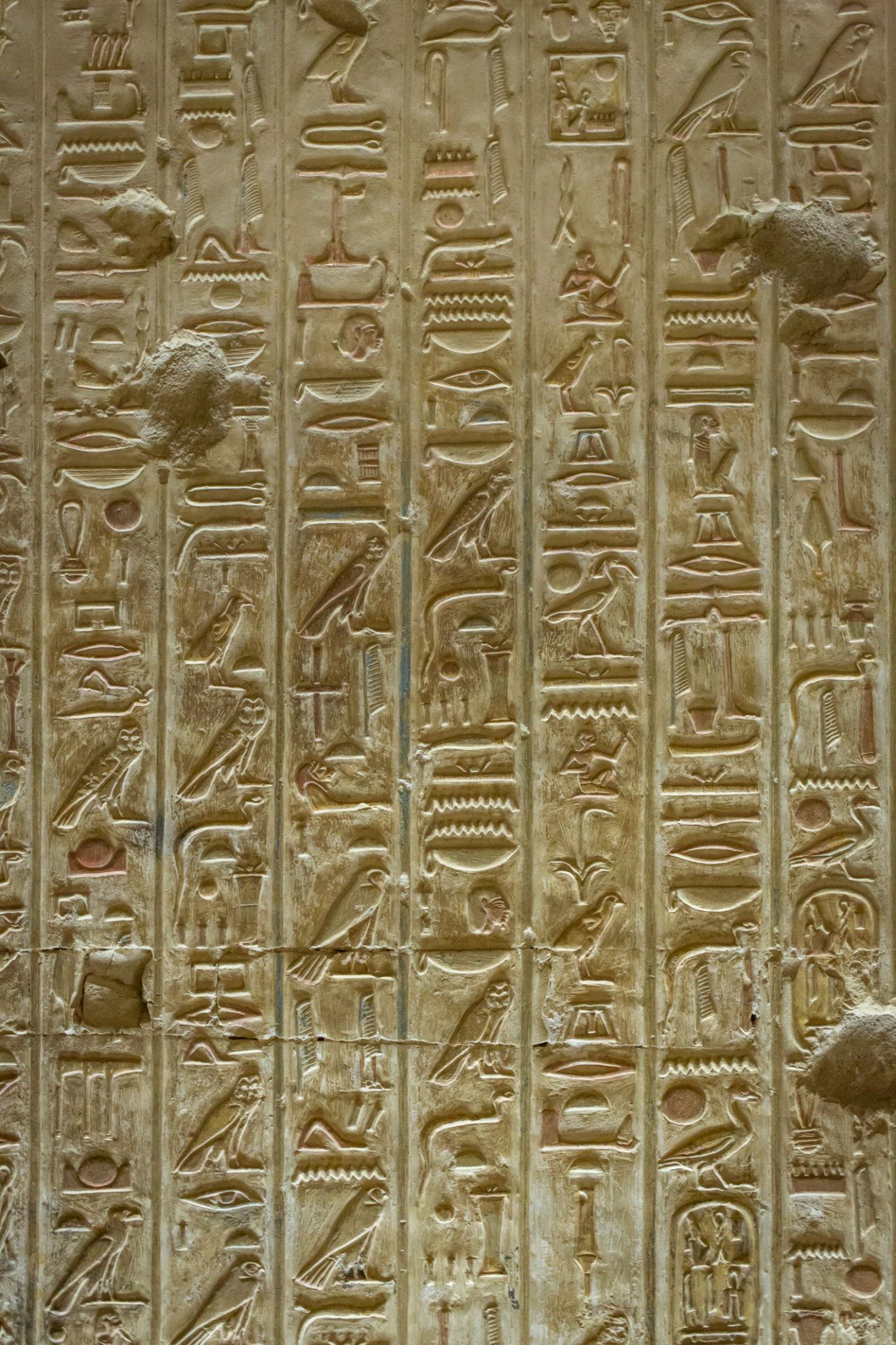
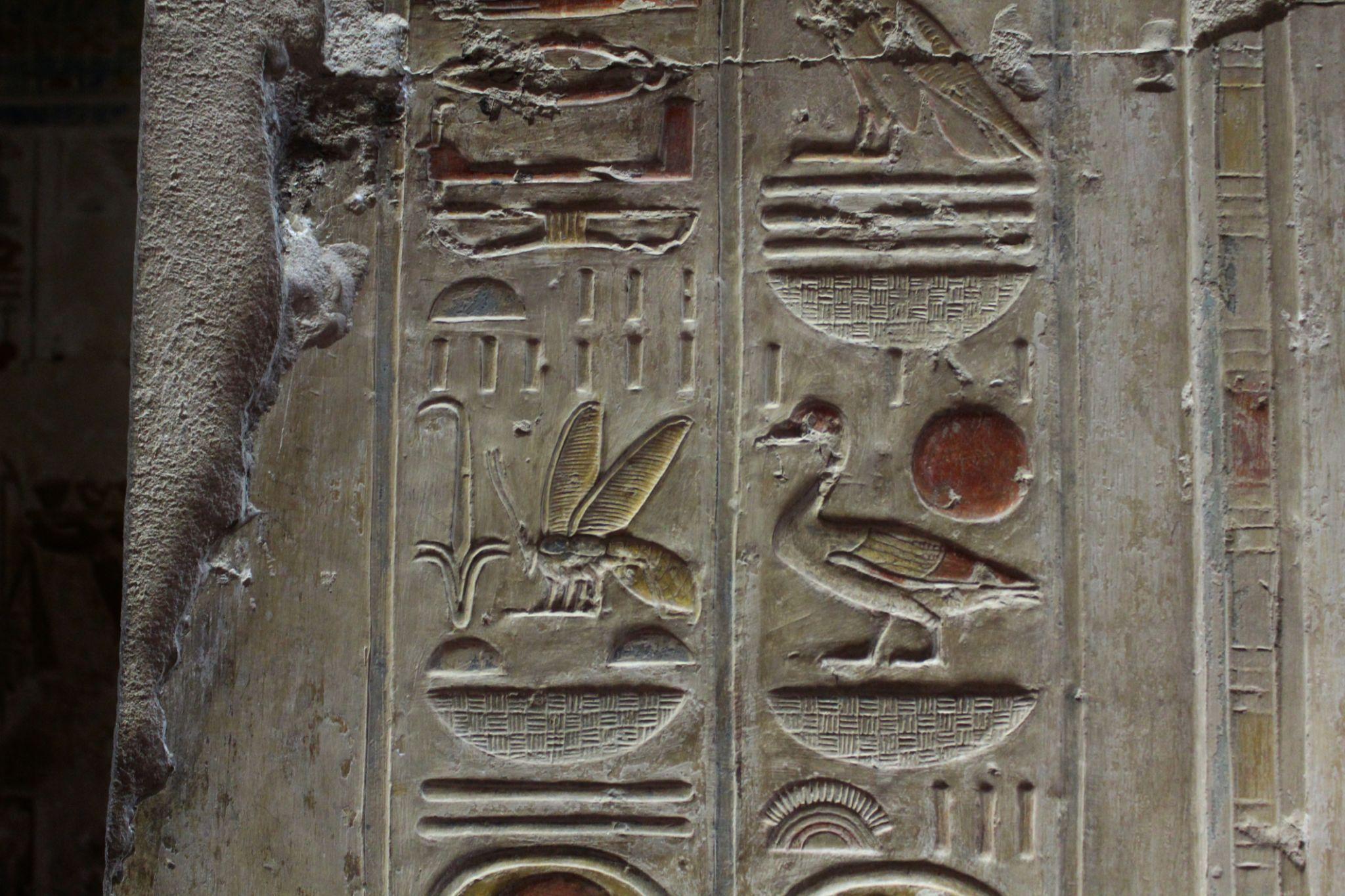
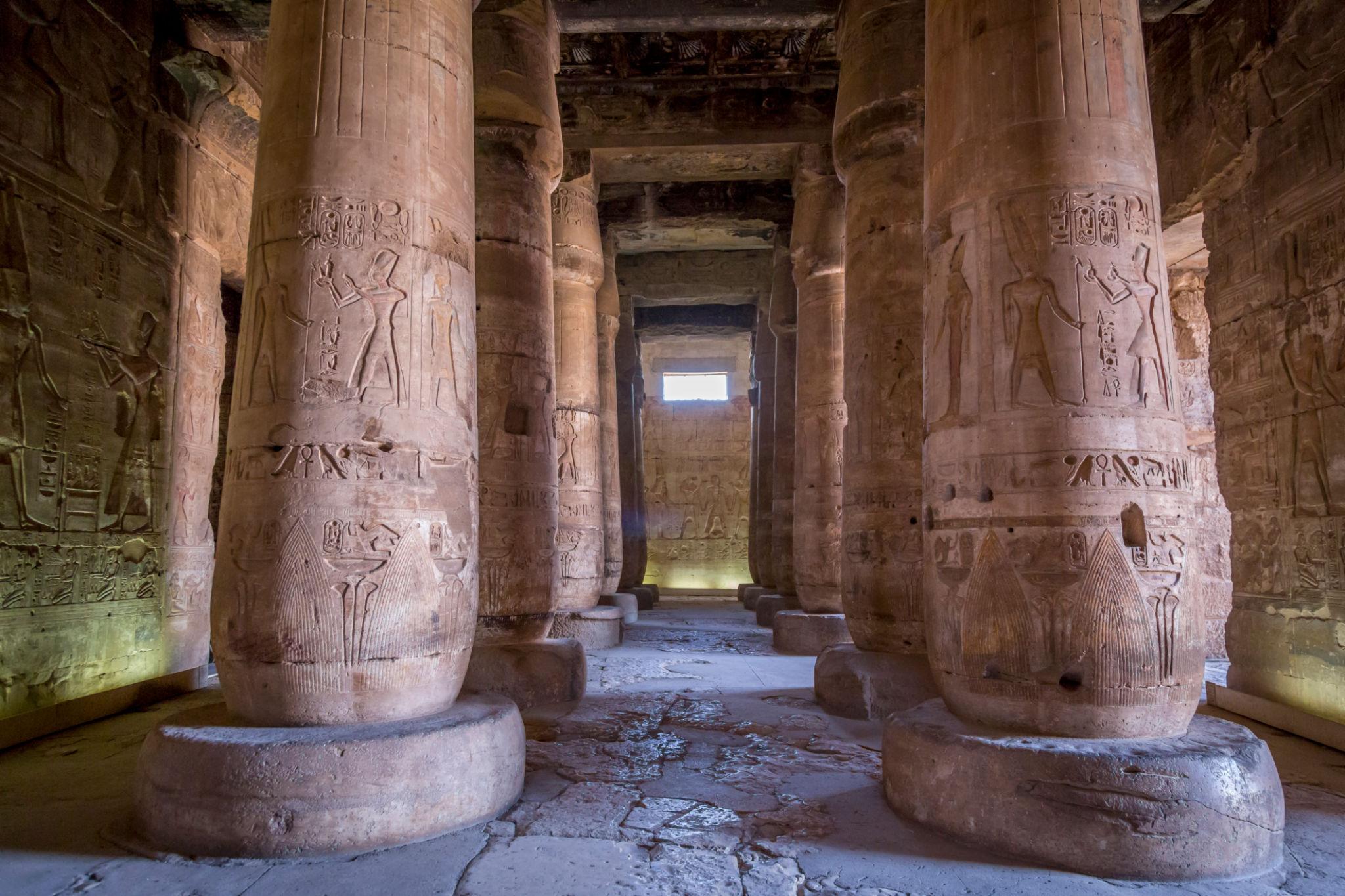
The inner chambers contain raised reliefs that many Egyptologists consider the finest ever carved in ancient Egypt — a pinnacle of artistic achievement that was never surpassed. The scenes show Seti I making offerings to the gods with a tenderness and intimacy rarely seen in pharaonic art: the fine details in hair, feathers, translucent linen fabric, and the delicate fingers of the gods receiving offerings are carved with a precision and sensitivity that surpass anything found at Karnak or Luxor Temple. Many of the reliefs retain traces of their original vivid paint — blues, reds, yellows, and greens — that allow visitors to imagine the overwhelming visual richness of the temple when it was new. Spend time with a flashlight in the inner chambers, letting the raking light pick out the subtle modeling of faces and bodies, and you will understand why art historians travel from around the world to study these walls.
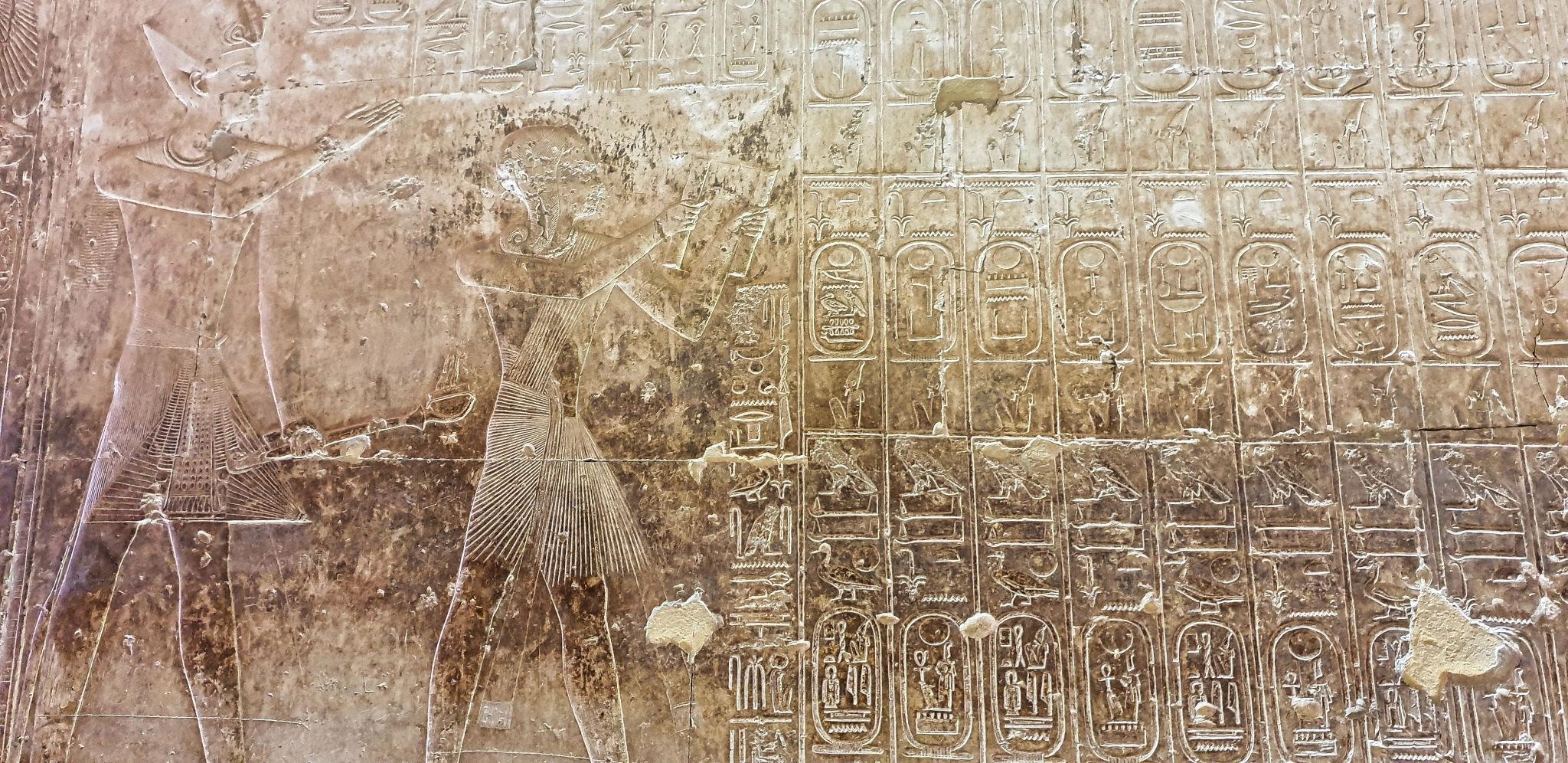
Abydos King List
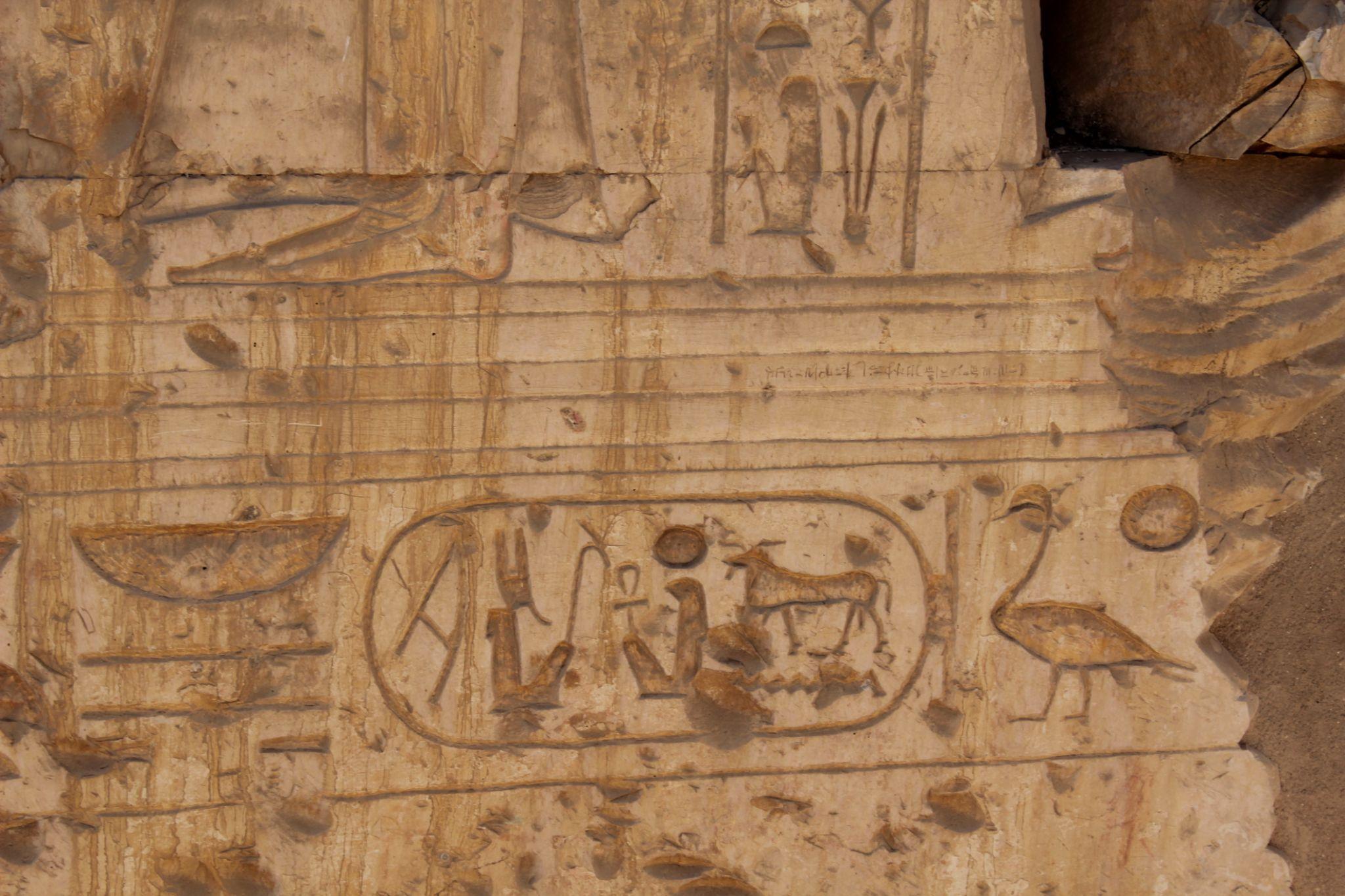
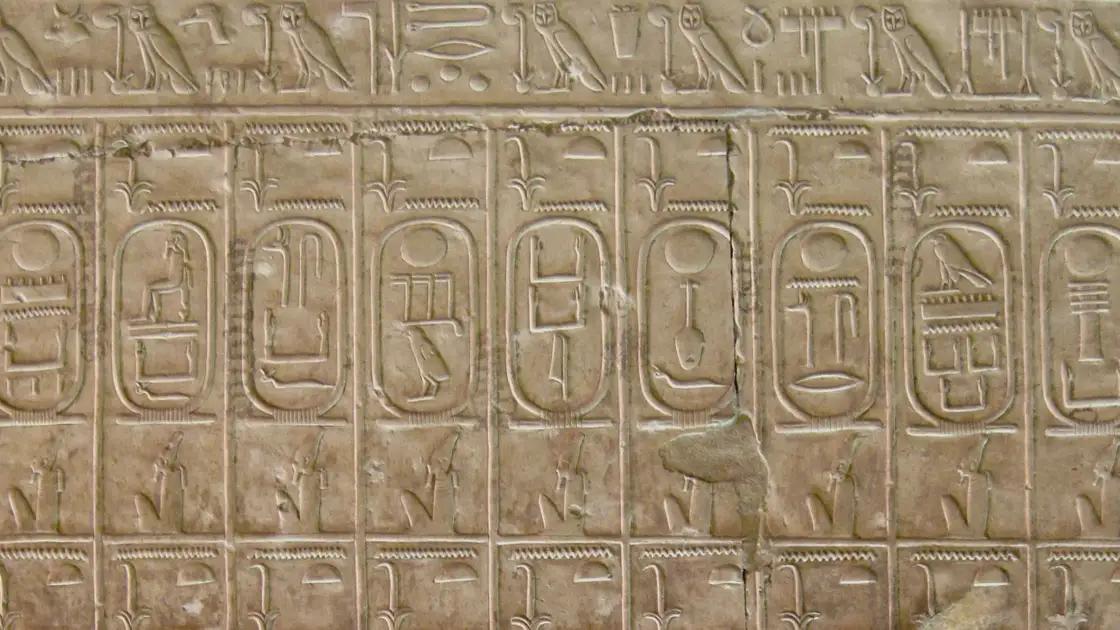
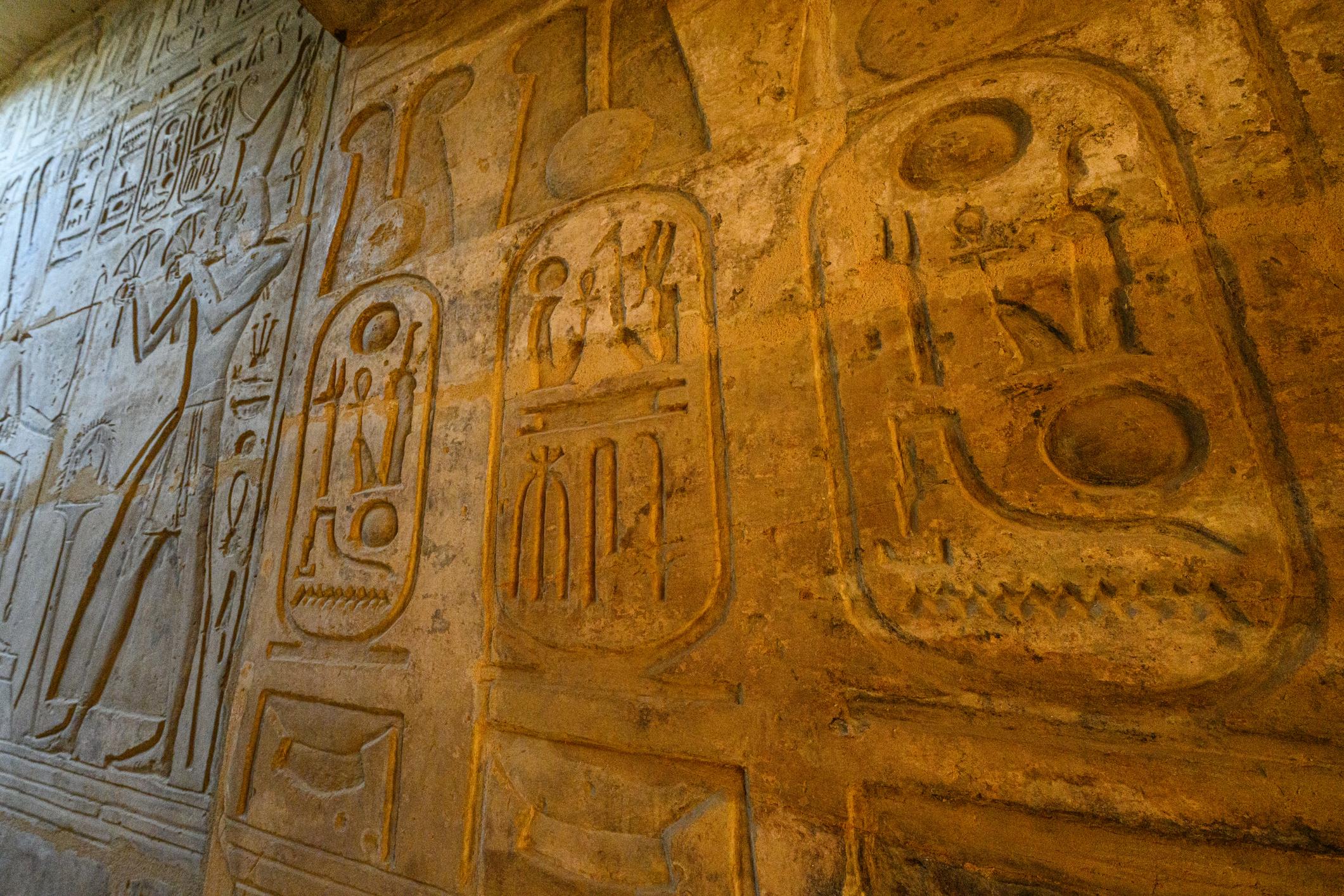
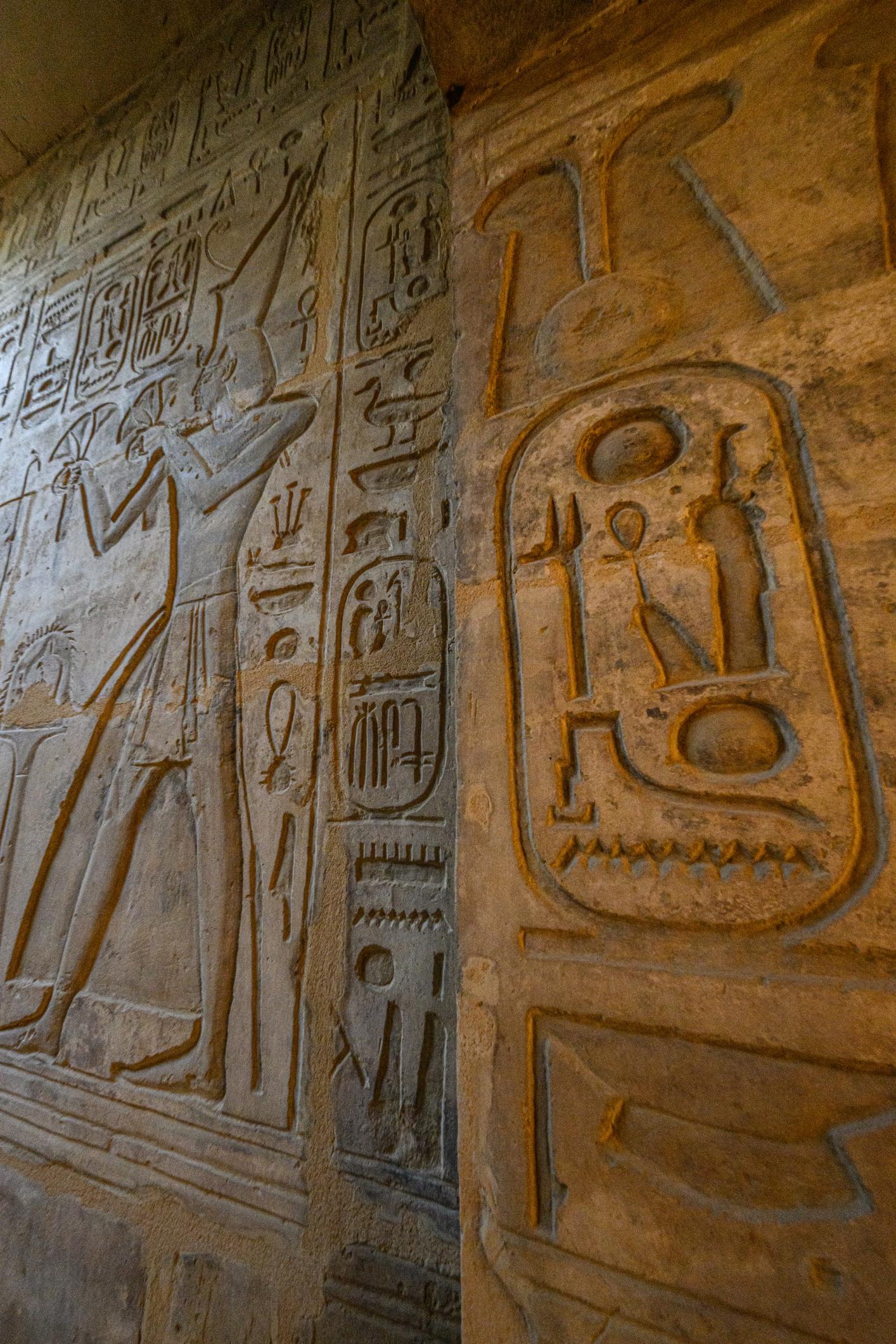
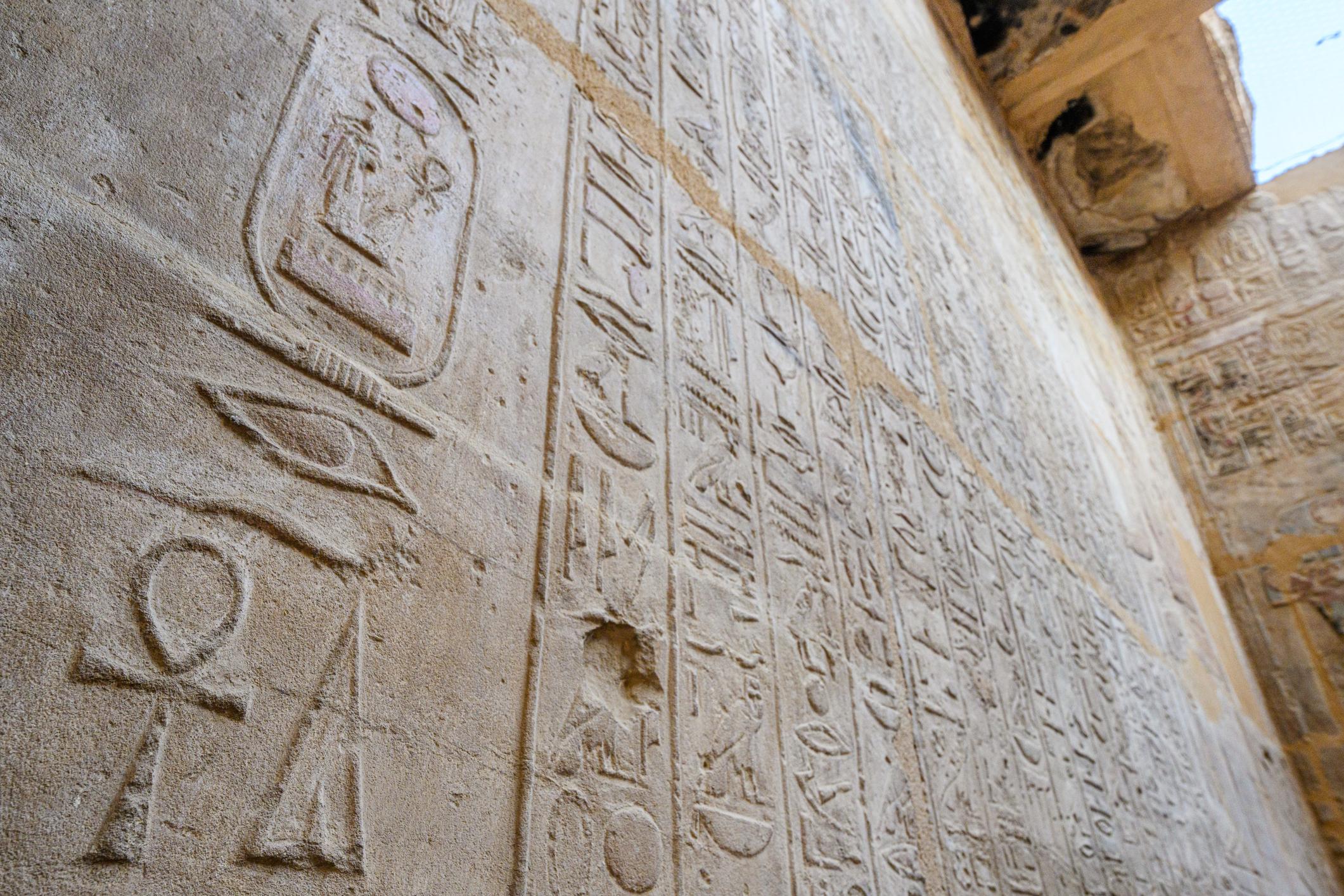
A corridor wall bearing a carved chronological list of 76 pharaohs in neat rows of cartouches, running from Menes (the legendary first pharaoh of unified Egypt, c. 3100 BC) all the way to Seti I himself — a span of nearly two thousand years of kingship carved into a single wall. The scene shows Seti I and his young son (the future Ramesses II) venerating their royal ancestors, legitimizing their dynasty by placing it in an unbroken chain of divine kingship. This cartouche-by-cartouche record has been invaluable for Egyptologists establishing the chronology of ancient Egyptian history, though it is notably selective — controversial rulers like the female pharaoh Hatshepsut and the 'heretic' Akhenaten are deliberately omitted, making the list as revealing for what it excludes as for what it includes. Two other king lists survive (at Karnak and in the Turin Papyrus), but the Abydos version remains the most complete and the most visually striking.
Seven Chapels
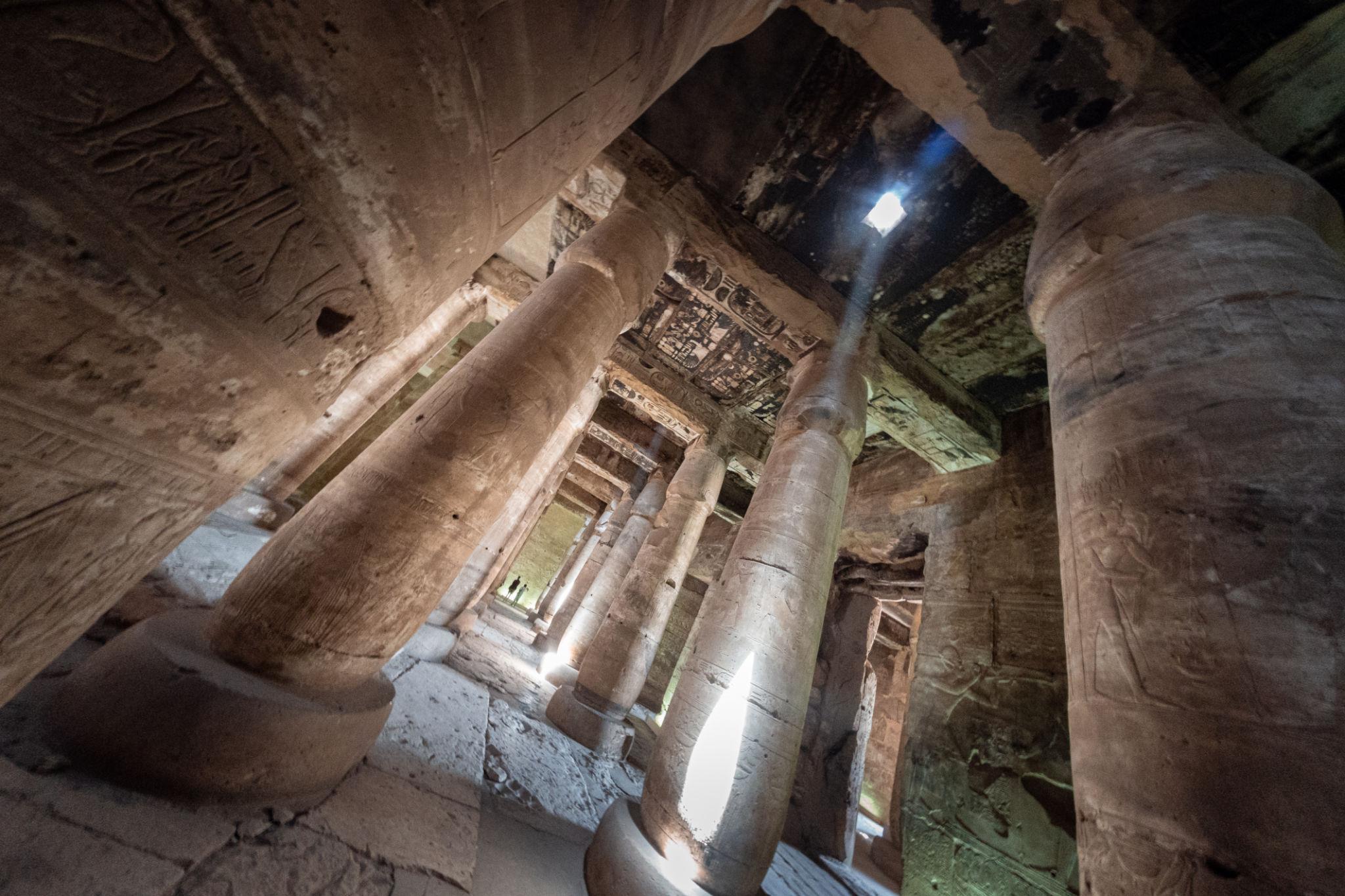
The temple's unique L-shaped plan includes seven parallel sanctuaries arranged side by side, each dedicated to a different deity: Osiris, Isis, Horus, Amun-Ra, Ra-Horakhty, Ptah, and the deified Seti I himself — an unusual arrangement found nowhere else in Egypt. Each chapel still retains its original vaulted ceiling carved in stone to imitate the wooden-beamed roofs of ancient shrines, and the walls are covered in scenes of the daily rituals performed by priests for each god. The Osiris chapel is the most elaborate, leading deeper into a stunning inner Osiris complex — a series of interconnected halls and chambers dedicated entirely to the lord of the underworld, with some of the most mystical and beautiful reliefs in the entire temple. Moving from one chapel to the next, each with its own distinct character and iconography, creates a meditative rhythm that gives a powerful sense of how the temple functioned as a living religious institution.
The Osireion
Behind the main temple lies the mysterious Osireion — a subterranean structure built of enormous granite and sandstone blocks so massive they recall the megalithic construction of the Valley Temple at Giza, deliberately archaizing in style to evoke the deep antiquity of Osiris himself. Designed as a symbolic tomb of the god of the underworld, the Osireion was built on an island platform surrounded by a moat that was intended to be permanently flooded, representing the primeval waters of creation from which all life emerged. Today the underground hall is often partially filled with groundwater that reflects the massive pillars in an eerie, greenish mirror — the effect is hauntingly beautiful and genuinely otherworldly, unlike anything else in Egypt. Visitors can view the Osireion from above, looking down into the sunken chamber from the rear of the temple, though access into the structure itself is currently restricted. Walk around the back of the main temple to find it — many visitors miss the Osireion entirely, which is a shame, as its atmosphere of ancient mystery is unforgettable.
Historical Details
Egypt's Holiest City
Abydos was the most important religious site in ancient Egypt for over 3,000 years — its significance comparable to Jerusalem, Mecca, or Varanasi in other religious traditions. Ancient Egyptians believed that Osiris, lord of the afterlife and judge of the dead, was physically buried here, and that the entrance to the underworld itself lay in the desert cliffs behind the site. Every Egyptian hoped to make a pilgrimage to Abydos at least once in their lifetime — or, failing that, to have a memorial stela erected in their name so their spirit could participate in the annual Osiris festival procession for eternity. Thousands of votive offerings, stelae, and small chapels have been found crowding the area around the temple, left by pilgrims from every social class over millennia. The site also contains the tombs of Egypt's earliest kings from the 1st Dynasty (c. 3000 BC), making Abydos not just a religious center but the very birthplace of pharaonic civilization.
Seti I and Ramesses II
Seti I began the temple around 1280 BC but died before its decoration was complete, leaving the outer sections unfinished. His son Ramesses II — who would become one of the most prolific builders in Egyptian history — took over and completed the remaining work, and the difference in artistic quality is immediately noticeable to even a casual observer. Seti's reliefs are delicate raised carvings of extraordinary refinement, with subtle modeling and a sensitivity to the human form that represents the very peak of the Egyptian artistic tradition. Ramesses' additions, by contrast, are executed in the faster sunk-relief technique — still impressive, but with a bolder, less nuanced style that prioritized speed and visibility over finesse. Ramesses also built his own temple at Abydos just a short distance away, though it is less well preserved; taken together, the father-and-son temples offer a fascinating study in how artistic priorities shifted between two of the New Kingdom's greatest pharaohs.
Visitor Tips
Abydos is best combined with Dendera as a full-day excursion from Luxor
Allow at least 1.5 hours to properly appreciate the relief work
The Osireion behind the temple is often overlooked — walk around the back to find it
Bring a flashlight to see details in the darker inner chambers
The drive from Luxor (about 2.5 hours) passes through rural Egypt — a fascinating contrast to the tourist areas