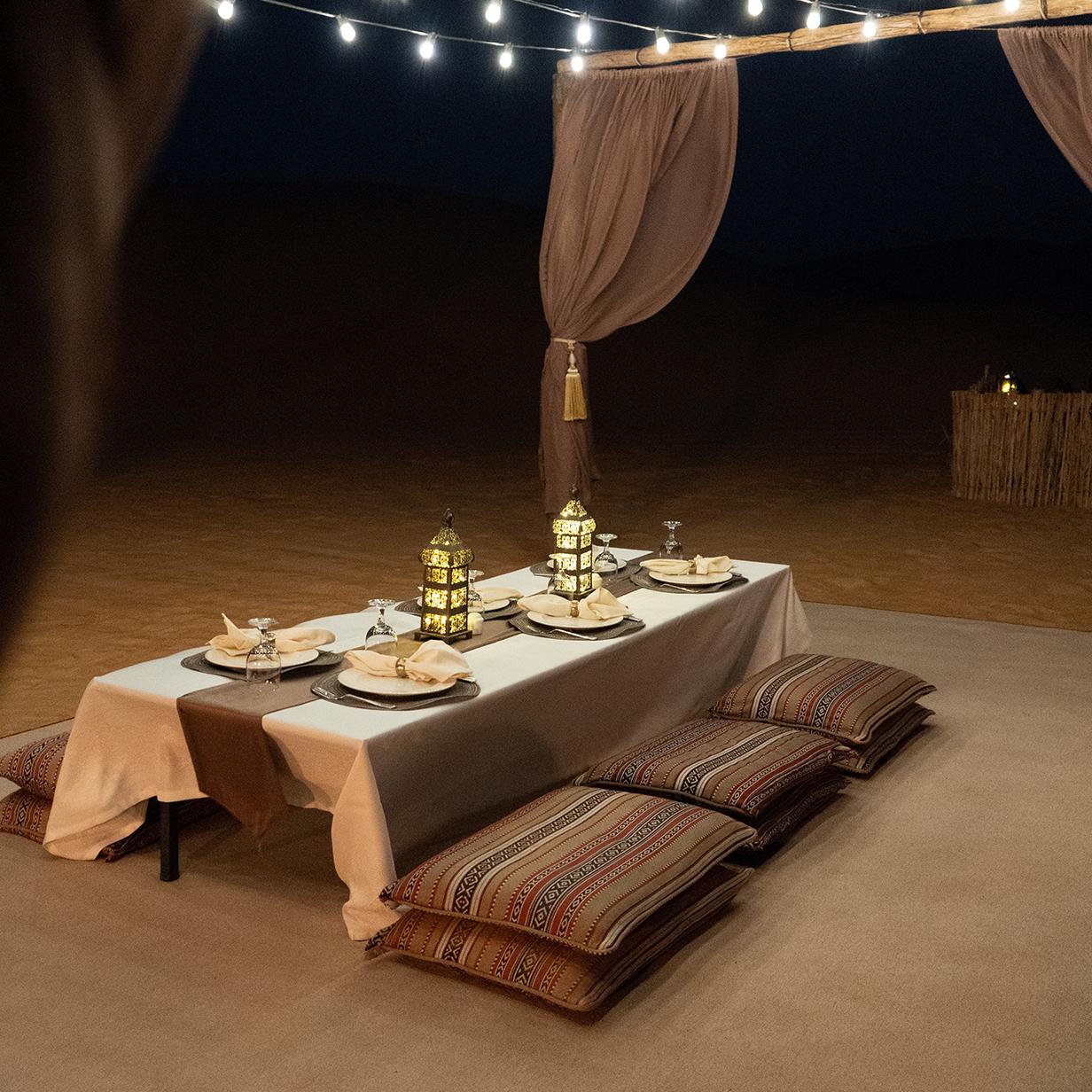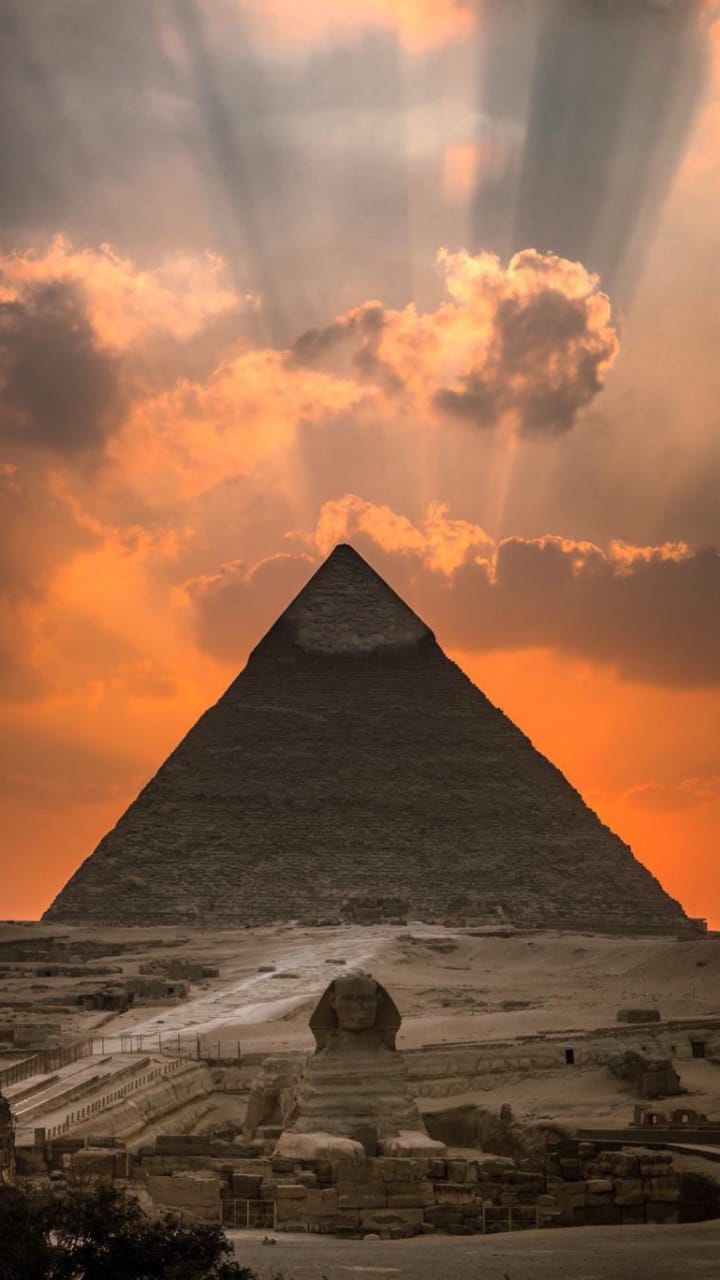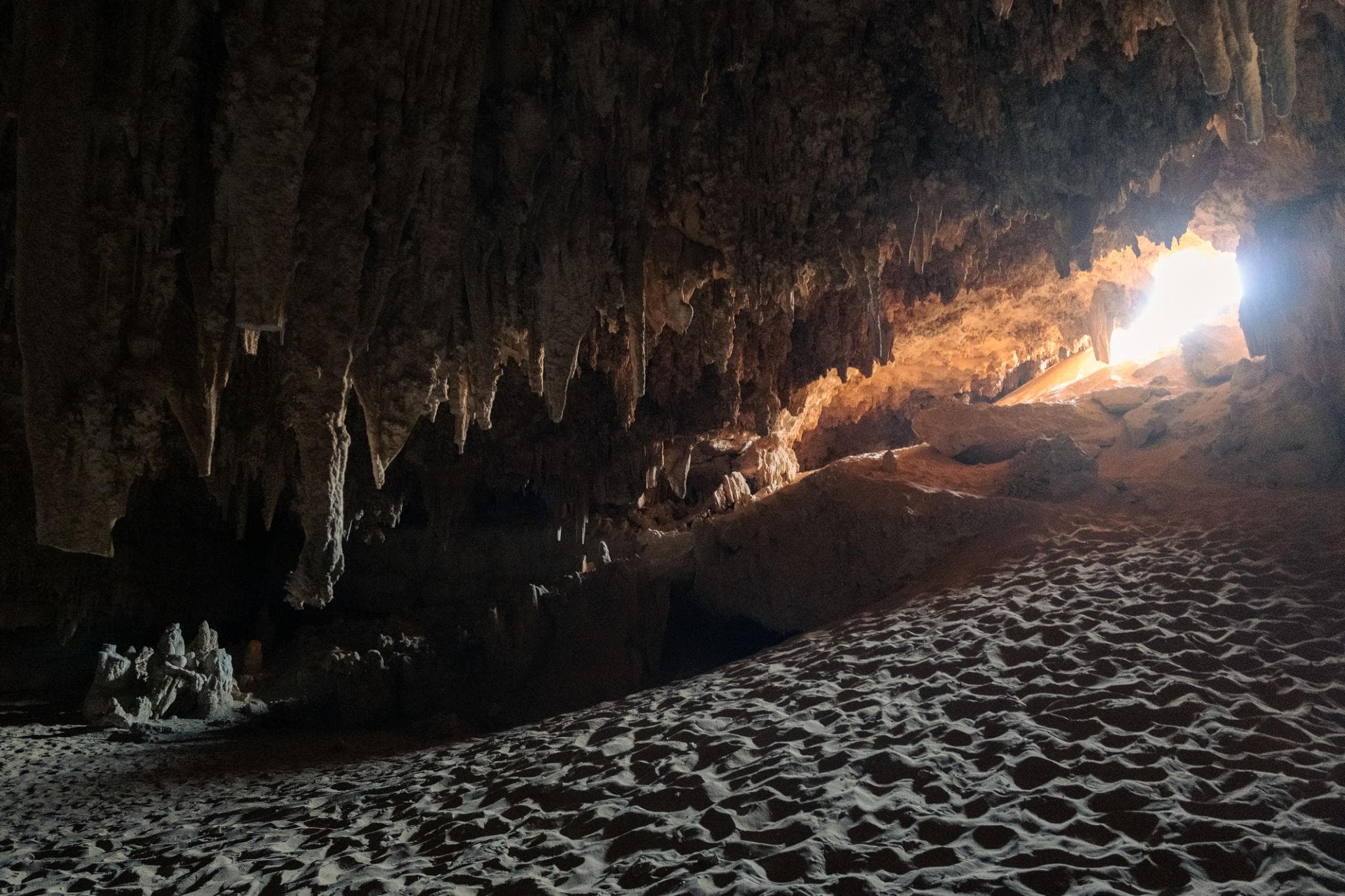
Egypt is 96% desert, yet most tourists never leave the Nile Valley. Beyond the temples and tombs lies some of the most spectacular desert scenery on Earth — surreal rock formations, ancient oases, and star-filled skies that will take your breath away.
The White Desert
Located 370 km southwest of Cairo, the White Desert (Sahara el-Beyda) is Egypt's most otherworldly landscape. Chalk-white rock formations have been sculpted by wind erosion into mushroom shapes, towers, and abstract forms that glow ethereally at sunrise and sunset. Camping overnight under the stars here — with nothing but silence and the Milky Way — is a life-changing experience.
Most trips to the White Desert are combined with the Black Desert (dark volcanic hills) and Crystal Mountain (a ridge of quartz crystal that sparkles in the sunlight). The typical tour departs from Bahariya Oasis, a 4-hour drive from Cairo.
Siwa Oasis
In Egypt's far west, near the Libyan border, Siwa Oasis is a palm-lined settlement centered around freshwater springs and salt lakes. Alexander the Great famously trekked here in 331 BC to consult the Oracle of Amun at the Temple of the Oracle (Aghurmi). The oracle reportedly confirmed his divine status — a declaration that shaped the rest of his reign.
Siwa's culture is distinct from mainstream Egypt — the Berber (Amazigh) population speaks its own Siwi language, and the architecture, cuisine, and traditions are unique. The old mud-brick fortress town of Shali is being restored and offers panoramic views. Swim in Cleopatra's Spring, float in the salt lakes, and explore the desert on a donkey cart.
Getting to Siwa requires a 9-hour drive from Cairo or a shorter journey from Marsa Matruh on the Mediterranean coast. The remoteness is part of the charm.
The Western Desert Oases Circuit
Four oases — Bahariya, Farafra, Dakhla, and Kharga — form a loop through the Western Desert that can be covered in 4-7 days. Each oasis has its own character:
Bahariya: The most accessible from Cairo. Hot springs, ancient tombs (the Valley of the Golden Mummies), and the gateway to the White and Black Deserts.
Farafra: The smallest and most traditional oasis. The artist Badr Abdel Moghny's house-museum is a local landmark. Qasr al-Farafra (the old fortress) is a fascinating ruin.
Dakhla: Lush gardens, medieval Islamic architecture, and the stunning Roman-era temple of Deir el-Hagar. The old town of Al-Qasr, with its medieval streets and wooden lintels, is one of Egypt's hidden architectural gems.
Kharga: The largest oasis with the best infrastructure. The Temple of Hibis (26th Dynasty) and the Bagawat Necropolis (early Christian tombs with painted ceilings) are the highlights.
Sinai Peninsula
The Sinai Desert offers a different experience — rugged mountains rather than sand seas. Mount Sinai (Jebel Musa) is famous for the sunrise trek to the summit where Moses is said to have received the Ten Commandments. St. Catherine's Monastery at its base, founded in the 6th century, is one of the oldest continuously operating monasteries in the world.
The Colored Canyon, near Nuweiba, is a narrow sandstone gorge striped in red, yellow, and purple — a stunning half-day hike.
Practical Tips for Desert Travel
- Always travel with an experienced desert guide — the featureless landscape makes navigation treacherous
- Carry far more water than you think you need (minimum 4 liters per person per day)
- Dress in layers — desert days are hot but nights can be freezing (below 5°C in winter)
- Inform someone of your itinerary and expected return
- 4x4 vehicles are essential — regular cars cannot handle desert terrain
- Cell phone coverage is limited to non-existent in most desert areas
Combining Desert with Classic Egypt
A typical 2-week itinerary might include: Cairo (3 days) → White Desert (2 days) → Luxor and Aswan via Nile Cruise (4 days) → Abu Simbel day trip → Red Sea (3 days). This covers monuments, desert, river, and sea — the full spectrum of Egyptian landscapes.